Jalapeño 'Early Jalapeño'
Capsicum annuum 'Early Jalapeño'
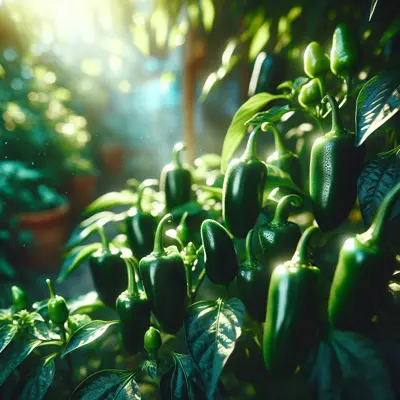
The quintessential hot pepper for American gardens, offering the perfect balance of heat and flavor that made jalapeños famous. This early variety produces abundant harvests of thick-walled, 3-inch peppers with that distinctive jalapeño taste and moderate heat level. Whether you're making fresh salsa, poppers, or want to smoke them into chipotles, this reliable variety delivers authentic jalapeño flavor.
Harvest
65-75d
Days to harvest
Sun
Full sun
Zones
4–11
USDA hardiness
Height
1-3 feet
Planting Timeline
Showing dates for Jalapeño 'Early Jalapeño' in USDA Zone 7
All Zone 7 pepper →Zone Map
Click a state to update dates
Jalapeño 'Early Jalapeño' · Zones 4–11
Growing Details
Succession Planting
Early Jalapeño keeps setting fruit all season once it's established, so a single planting is all you need — no staggered sowings required. Start seeds indoors in late February or early March in zone 7, transplant out in April through May once nights hold reliably above 55°F, and expect harvest from July through September. Pick fruit consistently at 65–75 days and the plant will keep flowering until frost shuts it down.
Complete Growing Guide
This early-maturing cultivar reaches harvestable peppers in just 65-75 days, making it ideal for gardeners in shorter growing seasons, though starting seeds 6-8 weeks indoors before your last frost date is essential to maximize that window. Unlike slower jalapeño types, 'Early Jalapeño' thrives in consistent warmth—soil temperatures above 70°F accelerate germination and growth, while cooler conditions slow flowering and fruit set. This variety shows particular susceptibility to spider mites in hot, dry environments, so maintain adequate spacing for air circulation and provide supplemental irrigation during heat waves to prevent stress. The plants are moderately vigorous rather than sprawling, typically staying compact at 1-3 feet without excessive legginess, though insufficient light will cause stretching. A practical tip: pinch the first flower cluster that appears to redirect energy into stronger branching, which dramatically increases your overall yield by mid-season and extends productive harvests through fall.
Light: Full sun (6 or more hours of direct sunlight a day). Soil: Clay, High Organic Matter, Loam (Silt), Sand. Soil pH: Acid (<6.0), Alkaline (>8.0), Neutral (6.0-8.0). Drainage: Good Drainage. Height: 1 ft. 0 in. - 3 ft. 8 in.. Spread: 0 ft. 6 in. - 1 ft. 0 in.. Spacing: 12 inches-3 feet. Growth rate: Medium. Maintenance: Low. Propagation: Seed. Regions: Coastal, Mountains, Piedmont.
Harvesting
Harvest 'Early Jalapeño' peppers when they reach their full 3-inch length and develop a glossy, dark green color with firm, thick walls that resist gentle pressure—these visual and tactile cues indicate peak ripeness and optimal flavor development. This variety supports continuous harvesting throughout the season; pick mature peppers regularly to encourage the plant to produce more blooms and extend your yield into fall. For the most authentic jalapeño heat and taste, harvest in the morning after dew dries but before afternoon heat peaks, as peppers cut during cooler hours retain superior moisture and flavor complexity.
Fruits are a non-pulpy berry and vary considerably across cultivars. Some are long, thin, bright red, and spicy; others are thick, large, and sweet-tasting; others still are small and in ornamental shapes and colors, grown as decoration.
Color: Black, Gold/Yellow, Green, Orange, Red/Burgundy. Type: Berry. Length: 1-3 inches. Width: < 1 inch.
Garden value: Edible, Good Dried, Showy
Harvest time: Summer
Edibility: Fruits edible, but spiciness is unpredictable in intensity.
Storage & Preservation
Freshly harvested Early Jalapeños keep best in a perforated plastic bag stored at 45–50°F with 85–90% humidity, ideally in a refrigerator's crisper drawer. Under these conditions, they maintain quality for 2–3 weeks, though they'll gradually lose heat intensity and develop softer skin over time. For longer storage, freezing works well for hot sauces and cooked dishes—simply slice, seed if desired, and freeze in a single layer before bagging. Pickling is ideal for this variety's moderate heat and grassy flavor, producing shelf-stable jars within weeks. Drying concentrates their fruity notes; hang whole peppers or slice them thin for faster dehydration. Fermenting sliced jalapeños with salt creates a tangy condiment that develops complexity over weeks. Because Early Jalapeños mature quickly and prolifically, many growers preserve in batches throughout the season to avoid waste.
History & Origin
The 'Early Jalapeño' represents a modern selection within the broad jalapeño breeding line developed primarily through Mexican agricultural traditions and refined by American seed companies in the mid-20th century. While specific breeder attribution and introduction year remain poorly documented in publicly available horticultural records, this variety emerged from deliberate breeding efforts to create earlier-maturing jalapeños suited to shorter growing seasons in North American gardens. The cultivar builds upon decades of jalapeño domestication in Mexico, where the pepper originated, combining the heat and flavor characteristics prized in traditional jalapeños with improved earliness and productivity for home gardeners rather than commercial operations.
Origin: Tropical North and South America
Advantages
- +Early maturity at 65-75 days ensures reliable harvests before frost arrives
- +Thick-walled peppers perfect for stuffing, smoking, or fresh salsa applications
- +Moderate Scoville heat level appeals to wider range of heat tolerances
- +Abundant production from compact plants maximizes garden space efficiency
- +Authentic jalapeño flavor profile difficult to find in other early varieties
Considerations
- -Susceptible to multiple diseases including bacterial spot and phytophthora blight
- -Vulnerable to common garden pests like aphids, spider mites, and pepper weevils
- -Requires consistent moisture and well-draining soil to prevent root diseases
Companion Plants
Marigolds — French marigolds (Tagetes patula) specifically — are the companion I'd actually prioritize here. Their scent deters aphids and thrips, which matter because both vectors transmit pepper mottle virus, a real problem in zone 7 Georgia summers. Basil pulls some of the same duty against aphids, and it wants the same full-sun, well-drained conditions Early Jalapeño does, so it's a practical pairing. Onions earn a spot for confusing thrips, and shallow-rooted carrots fill space without competing for the deeper moisture peppers need. Keep fennel out of the bed entirely — it's allelopathic and suppresses most vegetables growing within a few feet — and skip brassicas as neighbors, since cabbage worms and similar caterpillar pressure you'd bring in on kale or broccoli is the last thing you want near a pepper planting.
Plant Together
Basil
Repels aphids, spider mites, and thrips while potentially enhancing pepper flavor
Tomatoes
Share similar growing conditions and can help deter pests through companion effect
Oregano
Repels aphids and provides ground cover to retain soil moisture
Marigolds
Deter nematodes, aphids, and whiteflies with their strong scent
Carrots
Help break up soil and don't compete for nutrients, allowing better root development
Onions
Repel aphids, spider mites, and other pests with their sulfur compounds
Cilantro
Attracts beneficial insects like ladybugs and parasitic wasps that control pepper pests
Nasturtiums
Act as trap crops for aphids and cucumber beetles, protecting peppers
Keep Apart
Fennel
Produces allelopathic compounds that inhibit growth and development of peppers
Brassicas
Compete heavily for nutrients and may stunt pepper growth through root competition
Black Walnut Trees
Produce juglone toxin that causes wilting and death in pepper plants
Nutrition Facts
Per 100g serving. % Daily Value based on 2,000 calorie diet. Source: USDA FoodData Central (FDC #168576)
Pests & Disease Resistance
Resistance
Good resistance to tobacco mosaic virus and bacterial spot
Common Pests
Aphids, spider mites, pepper weevil, thrips
Diseases
Bacterial spot, phytophthora blight, anthracnose, pepper mottle virus
Troubleshooting Jalapeño 'Early Jalapeño'
What you'll see, why it happens, and what to do about it.
Sunken, dark, leathery patch on the bottom or side of the fruit — shows up once peppers are sizing up
Likely Causes
- Blossom end rot — localized calcium deficiency in the developing fruit
- Inconsistent watering causing water stress that blocks calcium uptake
- High ammonium nitrogen fertilizer pushing vegetative growth faster than calcium can follow
What to Do
- 1.Water consistently — 1 to 1.5 inches per week, no big swings between bone-dry and soaked
- 2.Mulch the bed heavily (straw works fine) to buffer soil moisture before dry spells hit, ideally by the time plants start blooming
- 3.Pull back on high-nitrogen synthetic fertilizers mid-season; side-dress with compost instead and get a soil test to check actual calcium levels
Small water-soaked spots on leaves and fruit that turn brown and scabby, sometimes with a yellow halo — can appear from midsummer onward
Likely Causes
- Bacterial spot (Xanthomonas campestris pv. vesicatoria) — spreads fast in warm, wet conditions
- Overhead irrigation or heavy rain splashing bacteria from soil or infected debris onto foliage
What to Do
- 1.Switch to drip irrigation if you're overhead watering — keeping foliage dry slows spread significantly
- 2.Remove and trash (don't compost) any badly spotted leaves or fruit
- 3.Rotate peppers and tomatoes out of the same bed for at least 2 seasons; both are susceptible hosts
Leaves mottled with light and dark green patches, plant stunted and producing misshapen or streaked fruit
Likely Causes
- Pepper mottle virus (PepMoV) — spread by aphid feeding, especially as populations spike in hot weather
- Thrips can also vector related viruses and cause similar leaf distortion
What to Do
- 1.No cure once a plant is infected — pull it and bag it before aphids move the virus to neighboring plants
- 2.Hit aphid colonies early with a strong water spray or insecticidal soap; check leaf undersides where they congregate
- 3.Plant nasturtiums at the bed edge as a trap crop to draw aphids away from peppers
Frequently Asked Questions
How long does Early Jalapeño take to grow from seed?▼
Can you grow Early Jalapeño peppers in containers?▼
Is Early Jalapeño good for beginners?▼
What makes Early Jalapeño different from regular jalapeño peppers?▼
When should I plant Early Jalapeño seeds?▼
How hot are Early Jalapeño peppers on the Scoville scale?▼
Zone-by-Zone Planting Calendar
| Zone | Indoor Start | Transplant | Direct Sow | Harvest |
|---|---|---|---|---|
| Zone 1 | May – May | July – August | — | September – August |
| Zone 2 | April – May | June – July | — | September – September |
| Zone 11 | January – January | January – February | — | April – June |
| Zone 12 | January – January | January – February | — | April – June |
| Zone 13 | January – January | January – February | — | April – June |
| Zone 3 | April – April | June – July | — | August – October |
| Zone 4 | March – April | June – June | — | August – October |
| Zone 5 | March – March | May – June | — | August – October |
| Zone 6 | March – March | May – June | — | July – September |
| Zone 7 | February – March | April – May | — | July – September |
| Zone 8 | February – February | April – May | — | June – August |
| Zone 9 | January – January | March – April | — | May – July |
| Zone 10 | January – January | February – March | — | May – July |
Growing Guides from Wind River Greens
Sources & References
External authority sources used in compiling this guide.
See the Methodology page for how this data is sourced, what's AI-assisted, and known limitations.
More Peppers
Carolina Reaper
Sweet Pepper 'Carmen'
Ghost Pepper 'Bhut Jolokia'
Scotch Bonnet 'Scotch Bonnet Orange'
Chocolate Habanero
Sweet Italian Pepper 'Marconi Rosso'
Purple Beauty Bell Pepper
Mad Hatter