Habanero 'Orange Habanero'
Capsicum chinense 'Orange Habanero'
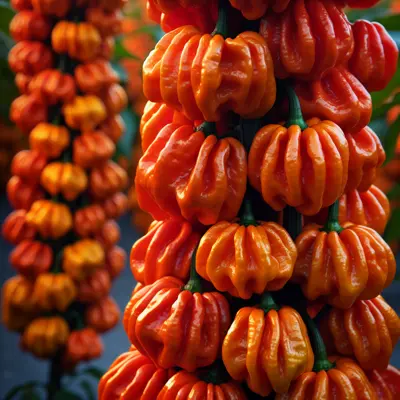
The classic superhot pepper that brings serious heat along with an incredible fruity, citrusy flavor that's become legendary among chili enthusiasts. These wrinkled, lantern-shaped peppers pack intense heat but reward brave gardeners with complex flavor notes of tropical fruit and floral undertones. A small amount goes a very long way in hot sauces, salsas, and Caribbean-inspired dishes.
Harvest
90-100d
Days to harvest
Sun
Full sun
Zones
10–11
USDA hardiness
Height
12-30 inches
Planting Timeline
Showing dates for Habanero 'Orange Habanero' in USDA Zone 7
All Zone 7 pepper →Zone Map
Click a state to update dates
Habanero 'Orange Habanero' · Zones 10–11
Growing Details
Complete Growing Guide
Light: Full sun (6 or more hours of direct sunlight a day). Soil: Clay, High Organic Matter, Loam (Silt), Sand. Soil pH: Acid (<6.0), Alkaline (>8.0), Neutral (6.0-8.0). Drainage: Good Drainage, Moist. Height: 1 ft. 0 in. - 2 ft. 6 in.. Spread: 1 ft. 0 in. - 2 ft. 0 in.. Spacing: 12 inches-3 feet. Growth rate: Medium. Maintenance: Medium. Regions: Coastal, Mountains, Piedmont.
Harvesting
Fruits are a non-pulpy berry and vary considerably across cultivars in shape and color. Many tend to have a lumpy, crinkled appearance compared to other species. They contain high capsaicin levels.
Color: Gold/Yellow, Green, Orange, Purple/Lavender, Red/Burgundy, White. Type: Berry. Length: 1-3 inches. Width: 1-3 inches.
Garden value: Edible, Good Dried, Showy
Harvest time: Fall, Summer
Storage & Preservation
Store fresh Orange Habaneros in a paper bag or breathable container in a cool pantry (50–60°F) or refrigerator crisper drawer (45–50°F) with moderate humidity. They'll keep for two to three weeks refrigerated, or five to seven days at room temperature. For longer preservation, freezing works well—wash, dry, and freeze whole or diced in freezer bags for up to eight months. Drying is ideal for this variety; slice lengthwise, dehydrate in a low oven or food dehydrator at 135–150°F until completely brittle (eight to twelve hours), then grind into powder for consistent heat and long-term storage. Hot sauce and fermented preparations also suit their fruity profile and extreme pungency. Because of their thin walls and high moisture content, habaneros are prone to mold; ensure proper air circulation and check stored peppers weekly for spoilage.
History & Origin
Origin: Bolivia, northern Brazil, and Peru
Advantages
- +Attracts: Songbirds
Companion Plants
Marigolds (Tagetes spp.) planted at the bed edges earn their spot — their root secretions suppress nematodes and they pull in beneficial predatory insects. Basil is a practical neighbor here: it wants the same heat and consistent moisture as habaneros, so the two crops stay on the same watering schedule without any extra management. Carrots and parsley stay shallow enough that they don't compete with pepper roots at the 18-to-24-inch spacing habaneros need. Fennel is allelopathic to most vegetables and will actively suppress whatever's growing next to it — keep it on the other side of the garden entirely. Black walnut produces juglone, a compound that's toxic to nightshades including Capsicum chinense, so don't site your pepper bed anywhere near one.
Plant Together
Basil
Repels aphids, spider mites, and thrips while potentially enhancing pepper flavor
Marigold
Deters nematodes, aphids, and whiteflies with natural compounds
Tomato
Share similar growing conditions and can help confuse pests through companion diversity
Oregano
Repels cucumber beetles and provides ground cover to retain soil moisture
Parsley
Attracts beneficial insects like hoverflies that prey on pepper pests
Carrots
Help break up soil around pepper roots and don't compete for nutrients
Cilantro
Attracts beneficial predatory insects and provides pest confusion
Nasturtium
Acts as trap crop for aphids and cucumber beetles, drawing them away from peppers
Keep Apart
Black Walnut
Produces juglone toxin that stunts pepper growth and can cause wilting
Fennel
Releases allelopathic compounds that inhibit pepper growth and development
Kohlrabi
Competes heavily for nutrients and can stunt pepper plant development
Nutrition Facts
Per 100g serving. % Daily Value based on 2,000 calorie diet. Source: USDA FoodData Central (FDC #169394)
Pests & Disease Resistance
Resistance
Generally good disease resistance, susceptible to root rot in wet conditions
Common Pests
Aphids, spider mites, whiteflies, pepper weevil
Diseases
Root rot, bacterial spot, anthracnose, pepper mottle virus
Troubleshooting Habanero 'Orange Habanero'
What you'll see, why it happens, and what to do about it.
Sunken, leathery dark patch on the bottom or side of the fruit, sometimes with gray-black mold developing on the affected area
Likely Causes
- Blossom end rot — localized calcium deficiency in the developing fruit, often triggered by inconsistent watering
- High ammonium-nitrogen fertilizer levels interfering with calcium uptake
- Low soil calcium
What to Do
- 1.Water consistently — habaneros want 1 to 1.5 inches per week; big swings between dry and wet are the main culprit
- 2.Get a soil test before adding calcium; if levels are low, work in lime or gypsum before next season
- 3.Back off high-nitrogen synthetic fertilizers mid-season, especially ammonium-based ones — NC State Extension specifically flags those as contributors
Small, water-soaked spots on leaves and fruit that turn brown and scabby; spots may have yellow halos; fruit lesions can crack open
Likely Causes
- Bacterial spot (Xanthomonas campestris pv. vesicatoria) — spreads fast in warm, wet weather and via overhead irrigation splash
- Working in the garden while plants are wet
What to Do
- 1.Remove and trash (don't compost) heavily infected leaves and fruit as soon as you spot them
- 2.Switch to drip irrigation or water at the base; keep foliage dry
- 3.Rotate nightshades — tomatoes, eggplant, peppers, potatoes — out of the affected bed for at least 2 seasons, per NC State Extension's organic disease management guidance
Stunted plants with wilting that doesn't recover after watering; roots look brown or black and mushy when you pull one up
Likely Causes
- Root rot — most commonly Phytophthora capsici or Pythium spp. — both thrive in waterlogged or poorly drained soil
- Planting in heavy clay without amending, or in a low spot that holds water after rain
What to Do
- 1.Pull and discard affected plants — there's no saving a plant with rotted roots
- 2.Amend beds with compost before planting and keep soil pH between 6.0 and 6.8, which discourages many soilborne pathogens
- 3.Raise beds or plant on a slight mound if drainage is a recurring problem; habaneros will not tolerate wet feet
Frequently Asked Questions
How long does Orange Habanero take to grow from seed?▼
Can you grow Orange Habanero in containers?▼
Is Orange Habanero good for beginners?▼
What does Orange Habanero taste like?▼
When should I plant Orange Habanero seeds?▼
Orange Habanero vs Red Savina Habanero what's the difference?▼
Zone-by-Zone Planting Calendar
| Zone | Indoor Start | Transplant | Direct Sow | Harvest |
|---|---|---|---|---|
| Zone 1 | May – May | July – August | — | October – August |
| Zone 2 | April – May | June – July | — | October – September |
| Zone 11 | January – January | January – February | — | May – July |
| Zone 12 | January – January | January – February | — | May – July |
| Zone 13 | January – January | January – February | — | May – July |
| Zone 3 | April – April | June – July | — | September – October |
| Zone 4 | March – April | June – June | — | September – October |
| Zone 5 | March – March | May – June | — | September – October |
| Zone 6 | March – March | May – June | — | August – October |
| Zone 7 | February – March | April – May | — | August – October |
| Zone 8 | February – February | April – May | — | July – September |
| Zone 9 | January – January | March – April | — | June – August |
| Zone 10 | January – January | February – March | — | June – August |
Growing Guides from Wind River Greens
Sources & References
External authority sources used in compiling this guide.
See the Methodology page for how this data is sourced, what's AI-assisted, and known limitations.
More Peppers
Carolina Reaper
Sweet Pepper 'Carmen'
Ghost Pepper 'Bhut Jolokia'
Scotch Bonnet 'Scotch Bonnet Orange'
Chocolate Habanero
Sweet Italian Pepper 'Marconi Rosso'
Purple Beauty Bell Pepper
Mad Hatter