Jalapeño 'Jalapeño M'
Capsicum annuum 'Jalapeño M'
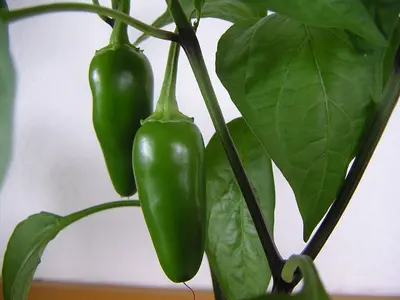
The classic jalapeño that defines medium heat for most home gardeners, delivering consistent 2,500-8,000 Scoville units. This reliable variety produces abundant harvests of thick-walled peppers perfect for fresh salsas, pickling, or smoking into chipotle peppers. A must-have variety that bridges the gap between sweet and truly hot peppers.
Harvest
70-80d
Days to harvest
Sun
Full sun
Zones
4–11
USDA hardiness
Height
1-3 feet
Planting Timeline
Showing dates for Jalapeño 'Jalapeño M' in USDA Zone 7
All Zone 7 pepper →Zone Map
Click a state to update dates
Jalapeño 'Jalapeño M' · Zones 4–11
Growing Details
Succession Planting
Jalapeño M keeps producing from a single transplant all season — you don't succession-sow peppers the way you would lettuce or radishes. Start seeds indoors 8 to 10 weeks before your last frost date, transplant once nighttime temps stay reliably above 50°F, and that one planting carries you through a July-to-September harvest window. If you want a backup insurance tray, start a second batch 4 weeks after the first — but once your original plants are loaded with fruit by late July, most gardeners don't find the second round necessary.
Complete Growing Guide
The Jalapeño 'M' cultivar thrives in consistently warm soil (70–85°F) and demands more heat units than ornamental pepper varieties, so delay transplanting until nighttime temperatures reliably stay above 60°F to avoid early flowering and reduced yields. This thick-walled type particularly benefits from afternoon shade in climates exceeding 95°F, as excessive heat can cause blossom-end rot and sunscald despite its heat tolerance. Watch for spider mites, which aggressively target jalapeños during dry spells—mist foliage regularly and maintain soil moisture without waterlogging. The 'M' designation indicates a medium maturity window (70–80 days), but this variety can experience stubborn flowering delays if nitrogen levels spike, so use balanced or slightly phosphorus-heavy fertilizer once flowering begins. A practical strategy: pinch the first flower buds that appear 6–8 weeks post-transplant to redirect energy into robust branching, significantly increasing your total fruit count by mid-season.
Light: Full sun (6 or more hours of direct sunlight a day). Soil: Clay, High Organic Matter, Loam (Silt), Sand. Soil pH: Acid (<6.0), Alkaline (>8.0), Neutral (6.0-8.0). Drainage: Good Drainage. Height: 1 ft. 0 in. - 3 ft. 8 in.. Spread: 0 ft. 6 in. - 1 ft. 0 in.. Spacing: 12 inches-3 feet. Growth rate: Medium. Maintenance: Low. Propagation: Seed. Regions: Coastal, Mountains, Piedmont.
Harvesting
Harvest Jalapeño M peppers when they reach 2.5 to 3 inches long and transition from green to deep red, though green jalapeños at full size offer superior flavor for fresh applications. The peppers should feel firm with slight give when gently squeezed, indicating thick walls have fully developed. This variety responds exceptionally well to continuous harvesting—removing mature peppers every few days encourages prolific branching and sustained production throughout the season rather than exhausting the plant with a single flush. For optimal results, begin picking green peppers once they've reached maximum size, as this stimulates the plant to set additional flowers and extends your harvest window well into fall. If smoking jalapeños into chipotles, allow select peppers to fully mature to red on the plant before picking.
Fruits are a non-pulpy berry and vary considerably across cultivars. Some are long, thin, bright red, and spicy; others are thick, large, and sweet-tasting; others still are small and in ornamental shapes and colors, grown as decoration.
Color: Black, Gold/Yellow, Green, Orange, Red/Burgundy. Type: Berry. Length: 1-3 inches. Width: < 1 inch.
Garden value: Edible, Good Dried, Showy
Harvest time: Summer
Edibility: Fruits edible, but spiciness is unpredictable in intensity.
Storage & Preservation
Store fresh Jalapeño M peppers at 45-50°F with 90-95% humidity in perforated plastic bags within the refrigerator crisper drawer; they'll keep for two to three weeks under these conditions. For longer storage, freezing works well—halve and seed the peppers, then freeze on a tray before bagging for up to six months. Canning is ideal for salsas and hot sauces; process pints for 15 minutes in a boiling water bath. Drying intensifies the flavor and prepares peppers for smoking into chipotles; hang whole peppers in a warm, airy space or use a dehydrator set to 135°F until completely brittle. Fermentation in salt brine produces complex heat perfect for hot sauce bases. This variety's moderate Scoville rating makes it forgiving for pickling—quick-pickle halved peppers in vinegar, sugar, and spices for immediate use, or water-bath can them for shelf stability.
History & Origin
The Jalapeño M represents a modern selection within the broader Jalapeño cultivar group, which originated in Xalapa, Mexico, where these peppers have been cultivated for centuries. While specific breeder attribution and introduction year for this particular 'M' designation remain poorly documented in readily accessible horticultural records, the variety likely emerged from commercial breeding programs focused on standardizing plant performance and fruit characteristics for home gardeners. The "M" designation suggests a mid-range or medium phenotype, developed to offer reliable yields and consistent heat levels that appeal to mainstream American gardeners seeking an accessible entry point into pepper growing without requiring specialized expertise or climate control.
Origin: Tropical North and South America
Advantages
- +Classic jalapeño delivers reliable 2,500-8,000 Scoville heat for most home gardeners
- +Thick-walled peppers perfect for fresh salsas, pickling, and smoking into chipotles
- +Abundant harvests with relatively quick 70-80 day maturity from transplant
- +Easy to moderate difficulty makes it ideal for beginning pepper growers
- +Bridges gap between sweet and truly hot peppers for versatile cooking
Considerations
- -Susceptible to bacterial spot, phytophthora blight, and verticillium wilt diseases
- -Vulnerable to common pests including aphids, thrips, and pepper maggots
- -Moderate heat level may disappoint gardeners seeking intensely spicy peppers
Companion Plants
Marigolds — specifically French marigolds (Tagetes patula) — put in real work near jalapeños. Their root exudates suppress soil nematodes, and their scent is thought to disrupt aphids and thrips, both of which NC State Extension flags as genuine jalapeño pests. Basil slots in naturally at 18-inch jalapeño spacing with no root competition and the same sun and water requirements. Onions and carrots fill the border gaps well — shallow-rooted, low competition, and alliums in particular seem to reduce aphid pressure without hogging nutrients.
Keep fennel out entirely — it's allelopathic and will slow nearby plants, peppers included. Brassicas pull in overlapping pest pressure and share some of the same soil-borne disease problems, so they don't belong in the same bed. Black walnut trees are a hard no anywhere within their root zone; juglone is toxic to Capsicum annuum and the affected area extends well beyond the trunk drip line.
Plant Together
Basil
Repels aphids, spider mites, and thrips while potentially enhancing pepper flavor
Tomatoes
Share similar growing conditions and can be planted together to maximize garden space
Oregano
Deters pests like aphids and spider mites with its strong aromatic oils
Marigolds
Repel nematodes, aphids, and whiteflies while attracting beneficial insects
Carrots
Help break up soil for pepper roots and don't compete for nutrients
Onions
Deter aphids, spider mites, and other pests with their sulfur compounds
Parsley
Attracts beneficial insects like hoverflies that prey on pepper pests
Nasturtiums
Act as trap crops for aphids and cucumber beetles while attracting predatory insects
Keep Apart
Black Walnut Trees
Release juglone toxin that inhibits pepper growth and can cause wilting
Fennel
Produces allelopathic compounds that stunt pepper growth and development
Brassicas
Compete heavily for nutrients and may attract pests that also damage peppers
Nutrition Facts
Per 100g serving. % Daily Value based on 2,000 calorie diet. Source: USDA FoodData Central (FDC #168576)
Pests & Disease Resistance
Resistance
Moderate resistance to bacterial spot and tobacco mosaic virus
Common Pests
Aphids, thrips, pepper maggot, hornworms
Diseases
Bacterial spot, phytophthora blight, verticillium wilt
Troubleshooting Jalapeño 'Jalapeño M'
What you'll see, why it happens, and what to do about it.
Sunken, dark, leathery patch on the bottom or side of the fruit — shows up once peppers are sizing up
Likely Causes
- Blossom end rot — a localized calcium deficiency in the developing fruit, not necessarily a soil calcium shortage
- Inconsistent watering causing water stress that blocks calcium uptake
- Excess ammonium-nitrogen fertilizer interfering with calcium movement
What to Do
- 1.Water consistently — 1 to 2 inches per week; let the soil dry out and swing between wet and dry and you'll see this every time
- 2.Lay 2 to 3 inches of straw or shredded leaf mulch around the base once plants start blooming to hold soil moisture steady
- 3.Cut back on high-nitrogen synthetic fertilizers mid-season; side-dress with compost instead of a synthetic push
Small, water-soaked spots on leaves and fruit that turn brown with yellow halos — often appears after wet, warm weather
Likely Causes
- Bacterial spot (Xanthomonas campestris pv. vesicatoria) — spreads rapidly in humid conditions above 75°F
- Overhead irrigation or heavy rain splashing bacteria from soil or infected plant material onto leaves
What to Do
- 1.Switch to drip irrigation if you're overhead watering — dry foliage cuts transmission significantly
- 2.Remove and bag (don't compost) heavily infected leaves and stems as soon as you see them
- 3.Rotate peppers and tomatoes out of this bed for at least 2 seasons; the bacterium overwinters in crop debris
Plants wilting in the afternoon even with moist soil, then collapsing entirely — lower stem may look water-soaked or brown at the soil line
Likely Causes
- Phytophthora blight (Phytophthora capsici) — a water mold that moves fast in poorly drained or waterlogged soil
- Verticillium wilt (Verticillium dahliae) — a soil-borne fungus that clogs vascular tissue, most active when soil temps stay below 75°F
What to Do
- 1.Pull and trash affected plants the same day — leaving them in the bed seeds the soil for next year
- 2.Work compost into compacted spots and consider raised beds in areas where water pools after rain
- 3.Keep peppers, tomatoes, and eggplant out of that section of ground for 3 to 4 years; both pathogens persist without a host
Frequently Asked Questions
How long does Jalapeño M take to grow from seed to harvest?▼
Is Jalapeño M good for beginner gardeners?▼
Can you grow Jalapeño M in containers?▼
What does Jalapeño M taste like compared to store-bought jalapeños?▼
When should I plant Jalapeño M seeds or transplants?▼
How hot is Jalapeño M compared to other pepper varieties?▼
Zone-by-Zone Planting Calendar
| Zone | Indoor Start | Transplant | Direct Sow | Harvest |
|---|---|---|---|---|
| Zone 3 | April – April | June – July | — | September – October |
| Zone 4 | March – April | June – June | — | August – October |
| Zone 5 | March – March | May – June | — | August – October |
| Zone 6 | March – March | May – June | — | August – October |
| Zone 7 | February – March | April – May | — | July – September |
| Zone 8 | February – February | April – May | — | July – September |
| Zone 9 | January – January | March – April | — | June – August |
| Zone 10 | January – January | February – March | — | May – July |
| Zone 1 | May – May | July – August | — | October – August |
| Zone 2 | April – May | June – July | — | September – September |
| Zone 11 | January – January | January – February | — | April – June |
| Zone 12 | January – January | January – February | — | April – June |
| Zone 13 | January – January | January – February | — | April – June |
Growing Guides from Wind River Greens
Sources & References
External authority sources used in compiling this guide.
See the Methodology page for how this data is sourced, what's AI-assisted, and known limitations.
More Peppers
Carolina Reaper
Sweet Pepper 'Carmen'
Ghost Pepper 'Bhut Jolokia'
Scotch Bonnet 'Scotch Bonnet Orange'
Chocolate Habanero
Sweet Italian Pepper 'Marconi Rosso'
Purple Beauty Bell Pepper
Mad Hatter