Chocolate Habanero
Capsicum chinense 'Chocolate Habanero'
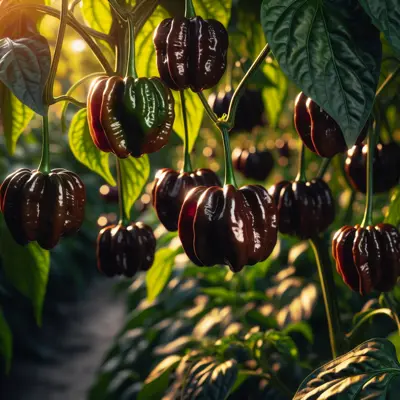
This exotic habanero variety produces beautiful chocolate-brown pods with an incredibly rich, smoky flavor that sets it apart from orange habaneros. The complex taste combines serious heat with notes of chocolate and tobacco, making it a favorite among gourmet cooks and hot sauce enthusiasts. The unusual color and exceptional flavor make this a must-grow for anyone wanting to explore beyond ordinary peppers.
Harvest
90-100d
Days to harvest
Sun
Full sun
Zones
10–11
USDA hardiness
Height
12-30 inches
Planting Timeline
Showing dates for Chocolate Habanero in USDA Zone 7
All Zone 7 pepper →Zone Map
Click a state to update dates
Chocolate Habanero · Zones 10–11
Growing Details
Complete Growing Guide
This slow-maturing variety demands a full 90-100 days and benefits from starting seeds 8-10 weeks before your last frost, earlier than standard peppers. Chocolate Habaneros thrive in consistently warm conditions above 75°F and require extra patience during flowering, as they're prone to blossom drop if exposed to temperature fluctuations or inconsistent watering. These plants tend toward leggy growth, so pinch the central stem at 6 inches to encourage bushier architecture and better yields. Watch closely for spider mites, which heavily target this variety in hot, dry conditions—maintain humidity and monitor undersides of leaves weekly. One essential practice: once plants establish and flower, switch to a low-nitrogen fertilizer to prevent excessive vegetative growth that delays fruit production and reduces heat concentration in pods.
Light: Full sun (6 or more hours of direct sunlight a day). Soil: Clay, High Organic Matter, Loam (Silt), Sand. Soil pH: Acid (<6.0), Alkaline (>8.0), Neutral (6.0-8.0). Drainage: Good Drainage, Moist. Height: 1 ft. 0 in. - 2 ft. 6 in.. Spread: 1 ft. 0 in. - 2 ft. 0 in.. Spacing: 12 inches-3 feet. Growth rate: Medium. Maintenance: Medium. Regions: Coastal, Mountains, Piedmont.
Harvesting
Chocolate habaneros reach peak harvest maturity when the pods develop their characteristic deep brown color throughout, typically measuring 1.5 to 2.5 inches long with a slightly wrinkled skin texture that feels firm to gentle pressure. Unlike some pepper varieties, chocolate habaneros benefit from a continuous-harvest approach rather than waiting for a single flush, as removing ripe pods encourages the plant to produce additional flowers and fruit throughout the season. For optimal flavor development, time your harvest in the early morning after dew has dried, as this is when the pods contain maximum essential oils that contribute to their signature smoky, chocolate-forward taste profile.
Fruits are a non-pulpy berry and vary considerably across cultivars in shape and color. Many tend to have a lumpy, crinkled appearance compared to other species. They contain high capsaicin levels.
Color: Gold/Yellow, Green, Orange, Purple/Lavender, Red/Burgundy, White. Type: Berry. Length: 1-3 inches. Width: 1-3 inches.
Garden value: Edible, Good Dried, Showy
Harvest time: Fall, Summer
Storage & Preservation
# Storage and Preservation
Store fresh Chocolate Habaneros at 50–55°F in a breathable container with moderate humidity (60–70%), away from direct sunlight. They'll keep for two to three weeks under these conditions. For longer storage, freezing works well: wash, dry, halve, remove seeds if desired, and freeze on a tray before transferring to freezer bags—they'll last up to eight months and suit sauces and powders well. Drying is ideal for this variety; hang whole peppers in a warm, airy space (70–80°F) for three to four weeks until brittle, then grind into powder for gourmet seasoning blends. Fermentation captures their complex chocolate and fruity notes beautifully: pack sliced peppers with 5% salt brine and age for two to four weeks for a depth that enhances mole sauces. Hot water bath canning is reliable for sauces and preserves. Unlike milder habaneros, Chocolate Habaneros develop deeper, more concentrated flavors when dried or fermented, so these methods are worth prioritizing over fresh storage if you're aiming for maximum culinary impact.
History & Origin
The Chocolate Habanero emerged from the natural genetic variation within Capsicum chinense, the same species that produced the traditional orange habanero. While specific breeder attribution and introduction year remain poorly documented in readily available sources, this variety represents a natural color mutation that seed savers and small growers selected and stabilized over time. The chocolate-brown phenotype likely arose through traditional selection methods rather than formal breeding programs, consistent with how many heirloom pepper varieties developed. Its cultivation grew primarily through grassroots seed-saving networks and specialty seed companies that recognized its distinctive appearance and flavor profile, eventually establishing it as a recognized cultivar among hot pepper enthusiasts.
Origin: Bolivia, northern Brazil, and Peru
Advantages
- +Unique chocolate-brown color creates stunning visual appeal in gardens and dishes
- +Complex smoky and fruity flavor profile distinguishes it from standard orange habaneros
- +Excellent heat level (425k-577k SHU) satisfies serious hot sauce and spice enthusiasts
- +Rich taste makes it ideal for gourmet cooking and specialty culinary applications
Considerations
- -Moderate growing difficulty requires experience managing heat, humidity, and plant care
- -Susceptible to multiple diseases including anthracnose, bacterial spot, and powdery mildew
- -Long 90-100 day maturation period demands patience and extended growing season
- -Multiple pest vulnerabilities including aphids, thrips, weevils, and spider mites require monitoring
Companion Plants
Marigolds — specifically Tagetes patula — are worth planting at the bed edges. Their root secretions suppress soil nematodes, which build up fast when peppers sit in the same spot two or three years running. Basil nearby is fine, but don't plant sweet pepper varieties within insect cross-pollination range of your Chocolate Habaneros: NC State Extension notes that the capsaicin gene is dominant, and a single bee visit can leave you with a "sweet" pepper that lights your mouth on fire. Fennel is the one to keep at least 10 feet away — it's allelopathic and suppresses most vegetables growing close to it.
Plant Together
Basil
Repels aphids, spider mites, and thrips while potentially enhancing pepper flavor
Marigolds
Deters nematodes, aphids, and whiteflies with natural compounds
Tomatoes
Share similar growing conditions and can help confuse pests through companion diversity
Oregano
Repels spider mites and aphids while attracting beneficial insects
Carrots
Helps break up soil and doesn't compete for nutrients in the same soil layer
Onions
Repels aphids, spider mites, and various soil pests with sulfur compounds
Nasturtiums
Acts as trap crop for aphids and cucumber beetles while repelling squash bugs
Parsley
Attracts beneficial insects like parasitic wasps and hoverflies
Keep Apart
Fennel
Produces allelopathic compounds that inhibit growth of peppers and most vegetables
Black Walnut
Releases juglone toxin that causes wilting and death in pepper plants
Brassicas
Compete heavily for nutrients and may stunt pepper growth through root competition
Nutrition Facts
Per 100g serving. % Daily Value based on 2,000 calorie diet. Source: USDA FoodData Central (FDC #169394)
Pests & Disease Resistance
Resistance
Good resistance to bacterial leaf spot
Common Pests
Aphids, thrips, pepper weevil, spider mites
Diseases
Anthracnose, bacterial spot, powdery mildew
Troubleshooting Chocolate Habanero
What you'll see, why it happens, and what to do about it.
Sunken, dark, leathery patch on the bottom or side of the fruit — usually showing up as pods approach full size
Likely Causes
- Blossom end rot — localized calcium deficiency in the developing fruit
- Inconsistent watering or drought stress preventing calcium uptake
- High ammonium nitrogen fertilizer salts blocking calcium movement
What to Do
- 1.Water consistently — 1 to 1.5 inches per week; let it go dry once and you'll see this problem two weeks later
- 2.Mulch around plants before a dry spell hits, not after — UGA Extension specifically flags mulching peppers ahead of dry periods, not in response to them
- 3.Back off heavy nitrogen fertilizers, especially ammonium-based ones; switch to a balanced formula that includes calcium
Pale, papery, bleached patches on the sun-facing side of the fruit — skin looks almost white, no rot smell
Likely Causes
- Sun scald — direct UV exposure on fruit that lost its leaf cover
- Defoliation from bacterial spot (Xanthomonas campestris pv. vesicatoria) stripping the canopy and leaving fruit exposed
What to Do
- 1.Don't strip leaves aggressively — the foliage is doing sun-protection work on those dark-skinned pods
- 2.If bacterial spot is thinning the canopy, apply copper-based bactericide at first signs and move to drip irrigation to stop splash spread
- 3.30% shade cloth can limit damage during peak summer heat if the plants are already defoliated and you can't wait for regrowth
Small water-soaked spots on leaves and fruit turning brown with yellow halos — spreading fast after rain or overhead watering
Likely Causes
- Bacterial spot (Xanthomonas campestris pv. vesicatoria) — thrives in warm, wet conditions
- Overhead irrigation splashing bacteria from soil and infected debris onto leaf surfaces
What to Do
- 1.Switch to drip irrigation or soaker hoses; overhead watering is the fastest way to move this pathogen through a planting
- 2.Apply copper hydroxide spray on a 7-day interval during wet periods — start at first symptom, not once it's established across the bed
- 3.Pull peppers, tomatoes, eggplant, and potatoes out of the affected bed for at least 2 seasons; NC State Extension's disease management guidance treats the whole nightshade family as a rotation unit
Tiny pale-yellow stippling across leaves with fine webbing on the undersides — plants look dusty, growth stalls in hot weather
Likely Causes
- Spider mites (Tetranychus urticae) — populations explode when temperatures stay above 85°F and humidity drops
- Thrips feeding produces similar stippling without webbing; check for slender, fast-moving insects rather than stationary mite colonies
What to Do
- 1.Blast the undersides of leaves with a firm stream of water in the morning so foliage dries before nightfall — knocks mite numbers back fast
- 2.Apply insecticidal soap or neem oil to leaf undersides at 5–7 day intervals; mites build resistance quickly, so don't skip cycles
- 3.For thrips, hang sticky blue traps near the planting to gauge pressure early — by the time you see widespread stippling, the population is already large
Frequently Asked Questions
How long do chocolate habaneros take to grow from seed?▼
Are chocolate habaneros hotter than orange habaneros?▼
Can you grow chocolate habaneros in containers?▼
What does a chocolate habanero taste like?▼
When should I plant chocolate habanero seeds?▼
Are chocolate habaneros good for beginners?▼
Zone-by-Zone Planting Calendar
| Zone | Indoor Start | Transplant | Direct Sow | Harvest |
|---|---|---|---|---|
| Zone 3 | April – April | June – July | — | September – October |
| Zone 4 | March – April | June – June | — | September – October |
| Zone 5 | March – March | May – June | — | September – October |
| Zone 6 | March – March | May – June | — | August – October |
| Zone 7 | February – March | April – May | — | August – October |
| Zone 8 | February – February | April – May | — | July – September |
| Zone 9 | January – January | March – April | — | June – August |
| Zone 10 | January – January | February – March | — | June – August |
| Zone 1 | May – May | July – August | — | October – August |
| Zone 2 | April – May | June – July | — | October – September |
| Zone 11 | January – January | January – February | — | May – July |
| Zone 12 | January – January | January – February | — | May – July |
| Zone 13 | January – January | January – February | — | May – July |
Growing Guides from Wind River Greens
Sources & References
External authority sources used in compiling this guide.
See the Methodology page for how this data is sourced, what's AI-assisted, and known limitations.
More Peppers
Carolina Reaper
Sweet Pepper 'Carmen'
Ghost Pepper 'Bhut Jolokia'
Scotch Bonnet 'Scotch Bonnet Orange'
Sweet Italian Pepper 'Marconi Rosso'
Purple Beauty Bell Pepper
Mad Hatter
Chipotle 'Morita'