Bell Pepper 'Gourmet Gold'
Capsicum annuum 'Gourmet Gold'
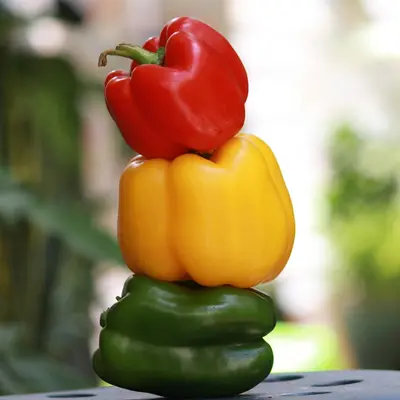
A stunning golden-yellow bell pepper that brings both beauty and exceptional sweet flavor to the garden. These thick-walled beauties start green and ripen to a brilliant golden-yellow, offering the classic sweet bell pepper taste with impressive yields. Perfect for gardeners wanting reliable production of colorful, sweet peppers for fresh eating and cooking.
Harvest
70-75d
Days to harvest
Sun
Full sun
Zones
4–11
USDA hardiness
Height
1-3 feet
Planting Timeline
Showing dates for Bell Pepper 'Gourmet Gold' in USDA Zone 7
All Zone 7 pepper →Zone Map
Click a state to update dates
Bell Pepper 'Gourmet Gold' · Zones 4–11
Growing Details
Succession Planting
Gourmet Gold is a hybrid bell pepper that keeps setting fruit on the same plants all season, so succession planting doesn't apply. Start seeds indoors 8 to 10 weeks before your last frost — late February to early March in zone 7 — and transplant once nights are reliably above 55°F, typically late April into May. One planting is all you need; put that extra energy into consistent watering and getting mulch down before the first real dry stretch of summer.
Complete Growing Guide
This cultivar's 70-75 day maturity is notably faster than many standard bell pepper varieties, so start seeds indoors 6-8 weeks before your last frost for midsummer production rather than waiting until fall. Gourmet Gold thrives in warm soil (75-85°F) and consistent moisture, but its thick walls mean it requires sustained warmth to fully develop that golden color—cool springs will delay ripening significantly. Unlike thinner-walled peppers, this variety shows particular susceptibility to blossom-end rot in uneven watering conditions, making drip irrigation preferable to overhead sprinklers. Watch for spider mites during hot, dry spells, as the compact 1-3 foot frame concentrates foliage where these pests establish quickly. A practical strategy: apply mulch to maintain soil temperature and moisture consistency while improving early growth vigor, since Gourmet Gold tends toward slower establishment compared to faster-maturing pepper types but rewards patience with exceptional yields of those prized golden fruits.
Light: Full sun (6 or more hours of direct sunlight a day). Soil: Clay, High Organic Matter, Loam (Silt), Sand. Soil pH: Acid (<6.0), Alkaline (>8.0), Neutral (6.0-8.0). Drainage: Good Drainage. Height: 1 ft. 0 in. - 3 ft. 8 in.. Spread: 0 ft. 6 in. - 1 ft. 0 in.. Spacing: 12 inches-3 feet. Growth rate: Medium. Maintenance: Low. Propagation: Seed. Regions: Coastal, Mountains, Piedmont.
Harvesting
Harvest Bell Pepper 'Gourmet Gold' when fruits achieve their full brilliant golden-yellow color and reach 3–4 inches in length, as green peppers picked prematurely will not continue ripening off the vine. Press gently on the pepper's wall—it should feel thick and firm with a slight give, indicating peak sweetness and maturity. This cultivar responds exceptionally well to continuous harvesting: removing ripe peppers throughout the season encourages the plant to produce more flowers and subsequent fruit rather than investing energy in a single flush. For optimal yields, begin harvesting as soon as peppers turn completely yellow rather than waiting for maximum size, since this stimulates robust ongoing production on these prolific plants.
Fruits are a non-pulpy berry and vary considerably across cultivars. Some are long, thin, bright red, and spicy; others are thick, large, and sweet-tasting; others still are small and in ornamental shapes and colors, grown as decoration.
Color: Black, Gold/Yellow, Green, Orange, Red/Burgundy. Type: Berry. Length: 1-3 inches. Width: < 1 inch.
Garden value: Edible, Good Dried, Showy
Harvest time: Summer
Edibility: Fruits edible, but spiciness is unpredictable in intensity.
Storage & Preservation
Store freshly harvested Gourmet Gold peppers in the refrigerator at 45-50°F with 90-95% humidity, ideally in perforated plastic bags or the crisper drawer. Properly stored peppers will keep for 1-2 weeks, though they're best used within 7-10 days for peak crispness and flavor.
For longer preservation, freezing works well: dice or slice the peppers, spread on a baking sheet to freeze individually, then transfer to freezer bags for up to 8 months. Roasting and freezing intensifies their natural sweetness, making them excellent for off-season cooking. These peppers also take well to water bath canning when stuffed or preserved in vinegar-based preparations. Drying is less common but possible; slice thinly and dry at low temperature for snacking or reconstitution.
Because these peppers are bred for their exceptional sweetness and crisp texture, use them fresh when possible to fully appreciate their mild, clean flavor—preservation methods are best reserved for harvest surplus.
History & Origin
While specific breeding documentation for 'Gourmet Gold' remains limited in published horticultural records, this cultivar represents the modern expansion of bell pepper breeding toward ornamental yet productive color variants. As a member of the Capsicum annuum species, 'Gourmet Gold' likely emerged from late twentieth-century seed company breeding programs focused on developing thick-walled, high-yielding peppers in vibrant non-red colors. The golden-yellow phenotype reflects selective breeding priorities established by major vegetable seed producers seeking market-appealing, home-garden varieties. Its lineage traces to the broader bell pepper improvement efforts undertaken by companies and research institutions working to expand color diversity beyond traditional green and red types for both culinary and visual appeal.
Origin: Tropical North and South America
Advantages
- +Brilliant golden-yellow color adds stunning visual appeal to gardens and dishes.
- +Thick-walled peppers offer excellent texture and are ideal for stuffing.
- +Sweet, mild flavor requires no heat tolerance from any family member.
- +Reliable yields provide consistent harvests throughout the growing season.
- +Moderate 70-75 day maturity allows multiple harvests in most climates.
Considerations
- -Susceptible to bacterial leaf spot and anthracnose under humid conditions.
- -Blossom end rot requires careful, consistent watering and calcium management.
- -Multiple pest pressures including aphids and pepper maggots demand vigilance.
- -Green-to-yellow ripening period extends harvest timeline compared to faster varieties.
Companion Plants
Marigolds — specifically French marigolds (Tagetes patula) — are worth planting at the bed edges. They deter aphids and flea beetles through volatile compounds in their foliage and roots, and both pests show up reliably on peppers. Basil planted within 12 inches may help mask the pepper's scent from aphids; the research behind that claim is thin, but basil takes up almost no space and you'll harvest it alongside your peppers anyway. Carrots and onions make low-drama row neighbors because their root systems work at different depths than peppers — you won't be fighting over the same 6- to 12-inch moisture zone where pepper roots are most active.
Fennel is broadly allelopathic and suppresses most vegetables growing within a few feet of it — don't give it a spot anywhere near this bed. Brassicas are heavy feeders that compete hard for soil nutrients at the same pH range (6.0–7.0) peppers prefer, and they bring their own pest load — cabbage worms, Harlequin bugs — that you don't want drifting onto your peppers. One practical note: NC State Extension points out that insect cross-pollination can happen between sweet and hot Capsicum annuum varieties in the same season, meaning seeds inside your 'Gourmet Gold' fruit could carry the dominant capsaicin gene. If you're saving seed or just want predictable mild flavor, keep hot peppers at least 300 feet away — or use a physical barrier row.
Plant Together
Basil
Repels aphids, spider mites, and thrips while potentially improving pepper flavor
Tomatoes
Share similar growing conditions and can help deter hornworms from each other
Marigolds
Repel nematodes, aphids, and whiteflies with their strong scent
Oregano
Deters aphids and spider mites while attracting beneficial insects
Carrots
Help break up soil around pepper roots and don't compete for nutrients
Onions
Repel aphids, thrips, and other pests with sulfur compounds
Parsley
Attracts beneficial insects like hoverflies and parasitic wasps
Lettuce
Provides ground cover and living mulch while utilizing different soil layers
Keep Apart
Black Walnut Trees
Produce juglone toxin that causes wilting and stunted growth in peppers
Fennel
Releases allelopathic compounds that inhibit pepper growth and development
Brassicas
Compete heavily for nutrients and may stunt pepper growth through root competition
Nutrition Facts
Per 100g serving. % Daily Value based on 2,000 calorie diet. Source: USDA FoodData Central (FDC #2258588)
Pests & Disease Resistance
Resistance
Good resistance to tobacco mosaic virus and bacterial leaf spot
Common Pests
Aphids, flea beetles, pepper maggot, cutworms
Diseases
Bacterial leaf spot, anthracnose, blossom end rot
Troubleshooting Bell Pepper 'Gourmet Gold'
What you'll see, why it happens, and what to do about it.
Sunken, leathery dark patch on the bottom — or side — of the fruit, usually showing up as peppers size up
Likely Causes
- Blossom end rot — localized calcium deficiency in the developing fruit
- Inconsistent watering or drought stress that prevents calcium uptake even when soil calcium is adequate
- High ammonium nitrogen fertilizer pushing fast growth that outpaces calcium delivery
What to Do
- 1.Water consistently — 1 to 2 inches per week; let the soil dry out and blossom end rot will follow
- 2.Mulch the bed heavily with straw before dry spells hit, per UGA Extension's recommendation to mulch peppers by blooming time
- 3.Ease off high-nitrogen synthetic fertilizers mid-season; switch to a balanced or calcium-containing amendment if your soil test shows low Ca
Small, water-soaked spots on leaves that turn brown with yellow halos, sometimes spreading to the fruit surface
Likely Causes
- Bacterial leaf spot (Xanthomonas campestris pv. vesicatoria) — spreads fast in warm, wet weather
- Overhead irrigation or rain splash moving bacteria from soil or infected debris onto foliage
What to Do
- 1.Switch to drip irrigation or water at the base only — keeping leaves dry is the single biggest check on spread
- 2.Remove and bag (don't compost) heavily infected leaves as soon as you spot them
- 3.Rotate peppers and other nightshades — tomatoes, eggplant, potatoes — out of the affected bed for at least 2 seasons, as NC State's organic disease management guidance notes that nightshades share the same soil-borne pathogen pool
Frequently Asked Questions
How long does Gourmet Gold bell pepper take to grow from seed?▼
Can you grow Gourmet Gold peppers in containers?▼
Is Gourmet Gold good for beginner gardeners?▼
What does Gourmet Gold bell pepper taste like?▼
When should I plant Gourmet Gold pepper seeds?▼
Do Gourmet Gold peppers need support or staking?▼
Zone-by-Zone Planting Calendar
| Zone | Indoor Start | Transplant | Direct Sow | Harvest |
|---|---|---|---|---|
| Zone 1 | May – May | July – August | — | September – August |
| Zone 2 | April – May | June – July | — | September – September |
| Zone 11 | January – January | January – February | — | April – June |
| Zone 12 | January – January | January – February | — | April – June |
| Zone 13 | January – January | January – February | — | April – June |
| Zone 3 | April – April | June – July | — | August – October |
| Zone 4 | March – April | June – June | — | August – October |
| Zone 5 | March – March | May – June | — | August – October |
| Zone 6 | March – March | May – June | — | July – September |
| Zone 7 | February – March | April – May | — | July – September |
| Zone 8 | February – February | April – May | — | June – August |
| Zone 9 | January – January | March – April | — | May – July |
| Zone 10 | January – January | February – March | — | May – July |
Growing Guides from Wind River Greens
Sources & References
External authority sources used in compiling this guide.
See the Methodology page for how this data is sourced, what's AI-assisted, and known limitations.
More Peppers
Carolina Reaper
Sweet Pepper 'Carmen'
Ghost Pepper 'Bhut Jolokia'
Scotch Bonnet 'Scotch Bonnet Orange'
Chocolate Habanero
Sweet Italian Pepper 'Marconi Rosso'
Purple Beauty Bell Pepper
Mad Hatter