Cherry Bomb
Capsicum annuum 'Cherry Bomb'
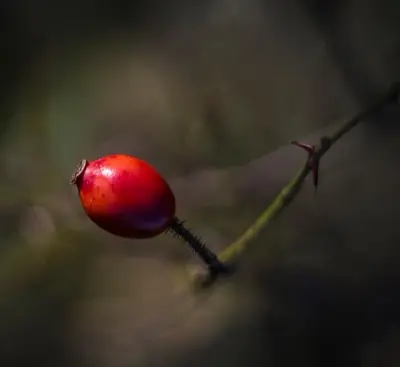
Cherry Bomb is a hybrid pepper variety that produces small, round fruits resembling cherry tomatoes, with a vibrant red color at maturity. Reaching harvest in just 64 days, this variety is remarkably quick to produce. The peppers offer a perfect balance of medium heat (2,500-5,000 Scoville units) with a surprisingly sweet and crisp flavor, making them ideal for fresh eating, garnishes, or adding color and mild kick to salads and dishes. Compact plants thrive in full sun with well-draining soil, making Cherry Bomb an excellent choice for home gardeners seeking a fast-maturing, flavorful pepper with minimal care requirements.
Harvest
64d
Days to harvest
Sun
Full sun
Zones
10–11
USDA hardiness
Height
1-10 feet
Planting Timeline
Showing dates for Cherry Bomb in USDA Zone 7
All Zone 7 pepper →Zone Map
Click a state to update dates
Cherry Bomb · Zones 10–11
Growing Details
Succession Planting
Cherry Bomb is a hybrid that keeps setting fruit until frost takes it down, so there's no recurring planting cadence to manage — set transplants out in April or May and harvest off those same plants from July through September. One planting covers one season.
If you want to stretch the harvest window a bit, start a second tray indoors 4–6 weeks after your first and transplant that batch in late May. Georgia's long frost-free window gives those plants enough time to produce before the season closes, though they'll have less runway than your April transplants and you shouldn't expect equal yields from both.
Complete Growing Guide
Cherry Bomb is perfect for the organic grower who needs strong late blight protection. Vigorous plants produce high yields of uniform, vivid red fruits with ideal cherry size (15-20 gm.) for harvest and snacking. Classic cherry tomato flavor - firm, sweet, and well-balanced. Unique calyx makes an attractive display when left attached to fruit. Indeterminate. According to Johnny's Selected Seeds, Cherry Bomb is 64 days to maturity, hybrid (f1), indeterminate growth habit. Disease resistance includes Fusarium Wilt, Late Blight, Early Blight. Notable features: Developed by Johnny's, Organic Seeds, Plants, and Supplies, Easy Choice.
Light: Full sun (6 or more hours of direct sunlight a day). Soil: Clay, High Organic Matter, Loam (Silt), Sand. Soil pH: Acid (<6.0), Neutral (6.0-8.0). Drainage: Good Drainage, Moist. Height: 1 ft. 0 in. - 10 ft. 0 in. Spread: 1 ft. 0 in. - 4 ft. 0 in. Spacing: 3 feet-6 feet. Growth rate: Rapid. Maintenance: High. Propagation: Seed. Regions: Coastal, Mountains, Piedmont.
Harvesting
Cherry Bomb reaches harvest at 64 days from sowing per Johnny's Selected Seeds. Expect 15-20 g at peak.
The fruits are smooth, shiny, glossy, and are classified as berries. The size, shape, and color will vary depending on the variety or cultivar. The color of the fruits may be red, yellow, orange, green, purple, or pink. The fruits may contain over 100 yellow to light brown seeds.
Color: Gold/Yellow, Green, Orange, Pink, Purple/Lavender, Red/Burgundy, Variegated. Type: Berry. Length: > 3 inches. Width: > 3 inches.
Garden value: Edible, Showy
Harvest time: Fall, Summer
Edibility: The fruits or berries of the tomato are edible. They may be eaten raw, cooked, dried, or processed. They are a rich source of Vitamin A, Vitamin C, folic acid, and antioxidants. Lycopene is an antioxidant that gives the tomato its rich red color. Many plants will drop fruit when ripe or the fruit will come off easily. Tomatoes will continue to ripen once picked. Store them at room temperature.
Storage & Preservation
Fresh Cherry Bomb peppers store best at 45–50°F with 90–95% humidity in a perforated plastic bag within the refrigerator crisper drawer, where they'll keep for two to three weeks. For longer-term preservation, freezing works well: simply halve, deseed, and pack into freezer bags for up to eight months—ideal for hot sauce or cooked dishes since freezing softens texture. Canning is excellent for pickling whole or halved peppers, taking advantage of their small size and natural sweetness. Drying concentrates flavor beautifully; slice thin and use a dehydrator at 135°F until completely brittle for ground chili powder or rehydration. Fermenting produces complex flavor; pack whole peppers with salt brine at 5% salinity for three to four weeks. Their thin walls dry faster than larger varieties, making them particularly suited to dehydration if you're planning to create your own custom pepper flakes or powders.
History & Origin
Cherry Bomb is an F1 hybrid developed through controlled cross-pollination. Listed in the Johnny's Selected Seeds catalog.
Origin: Peru
Advantages
- +Strong late blight resistance ideal for organic growers
- +Vigorous indeterminate plants produce consistently high yields reliably
- +Uniform 15-20g fruits perfect for snacking and fresh eating
- +Classic sweet, crisp flavor with attractive calyx display
- +64-day maturity enables reliable harvests in shorter seasons
Considerations
- -Susceptible to bacterial leaf spot and anthracnose diseases
- -Vulnerable to multiple pest pressures including aphids and weevils
- -Blossom end rot risk requires consistent calcium and watering
- -Indeterminate growth demands substantial staking and pruning work
Companion Plants
Basil is the first plant I'd put in alongside Cherry Bomb, at about 12 inches apart in alternating rows. There's some evidence that basil's volatile oils confuse aphids and thrips, but in our zone 7 Georgia garden the more practical benefit is that both plants want the same heat, the same consistent moisture, and the same full-sun placement — you're not juggling two different care schedules. Marigolds, specifically Tagetes patula (French marigolds), produce alpha-terthienyl in their roots, a compound that suppresses root-knot nematodes in the soil. A solid border row does more work than a few plants scattered across the bed. Nasturtiums pull aphid colonies toward themselves and away from your peppers — spot-remove infested nasturtium stems before the aphids move on.
Chives and parsley fill row gaps without competing hard for root space, and parsley draws predatory wasps that will go after pepper weevil larvae. Carrots slot in between plants for the same reason — their roots run at a different depth and don't crowd pepper roots at the 6–12 inch zone.
Fennel is the one to pull from the plan entirely. It releases anethole and related compounds that genuinely stunt neighboring vegetables, and Capsicum is no exception. Brassicas — cabbage, broccoli, kale — are heavy nitrogen feeders that will strip the soil while also dragging in their own pest problems. Walnut trees produce juglone throughout their root zone and in their leaf litter, and that allelopathic compound is toxic to Capsicum annuum; give any black walnut at least 50 feet of clearance before siting a pepper bed.
Plant Together
Basil
Repels aphids, spider mites, and thrips while potentially improving pepper flavor
Marigolds
Deters nematodes, aphids, and whiteflies with natural compounds
Oregano
Repels cucumber beetles and provides ground cover to retain soil moisture
Parsley
Attracts beneficial insects like hoverflies and parasitic wasps
Carrots
Loosens soil around pepper roots and doesn't compete for nutrients
Tomatoes
Share similar growing requirements and can confuse pests through companion cropping
Nasturtiums
Acts as trap crop for aphids and cucumber beetles, drawing them away from peppers
Chives
Repels aphids and may improve pepper growth and flavor
Keep Apart
Fennel
Releases allelopathic compounds that inhibit pepper growth and development
Walnut Trees
Produce juglone toxin that causes wilting and stunted growth in peppers
Brassicas
Compete heavily for nutrients and may stunt pepper growth through root competition
Nutrition Facts
Per 100g serving. % Daily Value based on 2,000 calorie diet. Source: USDA FoodData Central (FDC #171719)
Pests & Disease Resistance
Resistance
Early Blight (Intermediate); Fusarium Wilt races 1-3 (High); Late Blight (High)
Common Pests
Aphids, spider mites, pepper weevil, cutworms
Diseases
Bacterial leaf spot, anthracnose, blossom end rot
Troubleshooting Cherry Bomb
What you'll see, why it happens, and what to do about it.
Sunken, dark, leathery patch on the bottom or side of the fruit — appearing around or after first harvest at day 64
Likely Causes
- Blossom end rot — localized calcium deficiency in the developing fruit, not always a soil calcium problem
- Irregular watering: dry spells after fast early-season growth, or swings between waterlogged and bone-dry
- Overfertilizing with high-nitrogen (especially ammonium nitrogen) fertilizers, which blocks calcium uptake
What to Do
- 1.Mulch heavily with straw around transplants by blooming time — UGA Extension specifically calls this out for peppers to hold even moisture through dry stretches
- 2.Water on a consistent schedule; Cherry Bomb needs steady, high moisture, not feast-or-famine irrigation
- 3.Pull back on nitrogen-heavy fertilizers mid-season; if soil pH is below 6.5, lime it to the 6.5–6.8 range per NC State Extension — that range also improves calcium availability
Small, water-soaked spots on leaves that turn brown with yellow halos, sometimes spreading to the fruit surface
Likely Causes
- Bacterial leaf spot (Xanthomonas campestris pv. vesicatoria) — soil-borne, splashes onto foliage during rain or overhead watering
- Overhead irrigation keeping foliage wet for extended periods
What to Do
- 1.Switch to drip irrigation or water at the base; wet leaves accelerate spread fast
- 2.Remove and bag heavily infected leaves — do not compost them
- 3.Rotate this bed out of nightshades — tomatoes, eggplant, potatoes — for at least 2 seasons, per NC State Extension's guidance on nightshade family rotation
Sunken, tan-to-orange lesions with dark spore masses in concentric rings appearing as the pepper colors up
Likely Causes
- Anthracnose (Colletotrichum spp.) — infects fruit silently while it's still green and shows damage at ripening
- Wet, humid conditions at or after fruit set — a routine pressure in Georgia summers
What to Do
- 1.Pick Cherry Bombs as soon as they reach full red; ripe fruit sitting on the plant in wet weather is an open invitation
- 2.Pull and trash (not compost) affected fruit immediately — Colletotrichum spores spread quickly to neighboring peppers
- 3.Next season, mulch the bed to cut down on soil splash and plan a 2-year rotation away from peppers and other nightshades
Frequently Asked Questions
How long does Cherry Bomb pepper take to grow from seed?▼
Are Cherry Bomb peppers good for beginners?▼
Can you grow Cherry Bomb peppers in containers?▼
What do Cherry Bomb peppers taste like?▼
When should I plant Cherry Bomb pepper seeds?▼
Cherry Bomb vs jalapeño peppers - what's the difference?▼
Zone-by-Zone Planting Calendar
| Zone | Indoor Start | Transplant | Direct Sow | Harvest |
|---|---|---|---|---|
| Zone 3 | April – April | June – July | — | September – October |
| Zone 4 | March – April | June – June | — | August – October |
| Zone 5 | March – March | May – June | — | August – October |
| Zone 6 | March – March | May – June | — | August – October |
| Zone 7 | February – March | April – May | — | July – September |
| Zone 8 | February – February | April – May | — | July – September |
| Zone 9 | January – January | March – April | — | June – August |
| Zone 10 | January – January | February – March | — | May – July |
| Zone 1 | May – May | July – August | — | September – August |
| Zone 2 | April – May | June – July | — | September – September |
| Zone 11 | January – January | January – February | — | April – June |
| Zone 12 | January – January | January – February | — | April – June |
| Zone 13 | January – January | January – February | — | April – June |
Growing Guides from Wind River Greens
Sources & References
External authority sources used in compiling this guide.
- BreederJohnny's Selected Seeds
- USDAUSDA FoodData Central
See the Methodology page for how this data is sourced, what's AI-assisted, and known limitations.
More Peppers
Carolina Reaper
Sweet Pepper 'Carmen'
Ghost Pepper 'Bhut Jolokia'
Scotch Bonnet 'Scotch Bonnet Orange'
Chocolate Habanero
Sweet Italian Pepper 'Marconi Rosso'
Purple Beauty Bell Pepper
Mad Hatter