Chipotle 'Morita'
Capsicum annuum 'Morita'
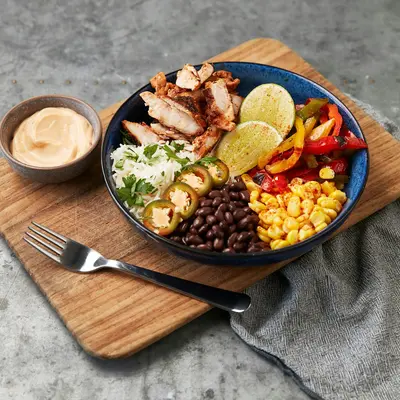
The authentic jalapeño variety traditionally used to make premium chipotle peppers in Mexico, prized for its perfect balance of heat and smokiness when dried. These deep red jalapeños have thicker walls than typical varieties, making them ideal for smoking, while fresh peppers offer a more complex flavor than standard jalapeños. 'Morita' brings genuine Mexican cuisine authenticity to the home garden.
Harvest
75-85d
Days to harvest
Sun
Full sun
Zones
4–11
USDA hardiness
Height
1-3 feet
Planting Timeline
Showing dates for Chipotle 'Morita' in USDA Zone 7
All Zone 7 pepper →Zone Map
Click a state to update dates
Chipotle 'Morita' · Zones 4–11
Growing Details
Complete Growing Guide
The Morita cultivar requires patience during its 75-85 day maturation and performs best in warm soil above 70°F, so delay transplanting until late spring when nighttime temperatures stabilize. Unlike standard jalapeños, Morita's thicker-walled fruit demands consistent warmth and extended growing season to fully develop, making it less forgiving of cool springs or early cold snaps. This variety tends toward leggy growth in insufficient light, so provide 8+ hours of direct sun and maintain sturdy support cages to prevent sprawling under the weight of heavy fruit production. Watch for spider mites in hot, dry conditions—the plant's vigor paradoxically attracts them under heat stress—and maintain moderate soil moisture rather than letting it dry completely. One essential practice: allow fruits to mature fully to deep red on the plant before harvesting for smoking, as immature peppers lack the complex depth needed for authentic chipotle flavor development.
Light: Full sun (6 or more hours of direct sunlight a day). Soil: Clay, High Organic Matter, Loam (Silt), Sand. Soil pH: Acid (<6.0), Alkaline (>8.0), Neutral (6.0-8.0). Drainage: Good Drainage. Height: 1 ft. 0 in. - 3 ft. 8 in.. Spread: 0 ft. 6 in. - 1 ft. 0 in.. Spacing: 12 inches-3 feet. Growth rate: Medium. Maintenance: Low. Propagation: Seed. Regions: Coastal, Mountains, Piedmont.
Harvesting
Harvest Chipotle 'Morita' peppers when they transition from green to deep crimson red, typically 75-85 days after planting, and feel slightly soft when gently squeezed rather than rock-hard like immature jalapeños. The thicker walls characteristic of this cultivar require full ripening for optimal smoking quality and that signature complex flavor. For continuous harvests, pick ripe peppers regularly throughout the season to encourage more flowering and fruit production, though you can also allow peppers to fully mature on the plant if preparing a large batch for smoking at once. Timing tip: harvest in early morning when peppers are firmest and contain maximum moisture content, which helps them retain their shape during the smoking process and develop deeper, more nuanced chipotle flavor.
Fruits are a non-pulpy berry and vary considerably across cultivars. Some are long, thin, bright red, and spicy; others are thick, large, and sweet-tasting; others still are small and in ornamental shapes and colors, grown as decoration.
Color: Black, Gold/Yellow, Green, Orange, Red/Burgundy. Type: Berry. Length: 1-3 inches. Width: < 1 inch.
Garden value: Edible, Good Dried, Showy
Harvest time: Summer
Edibility: Fruits edible, but spiciness is unpredictable in intensity.
Storage & Preservation
Store freshly harvested Morita peppers at 45-50°F with 85-90% humidity in perforated plastic bags or breathable containers to maintain firmness while allowing air circulation. They'll keep for 2-3 weeks under these conditions. For longer preservation, smoking is the traditional and ideal method—dry the peppers slowly over indirect heat until deeply wrinkled and fragrant. Freezing works well for future sauce or salsa production; simply clean, seed if desired, and freeze in airtight bags or containers for up to eight months. Canning in vinegar creates excellent pickled peppers, while fermentation develops complex flavors for hot sauces. Drying in a dehydrator at 135°F for 8-12 hours concentrates heat and smokiness without the labor of cold-smoking. These peppers' relatively thick walls make them particularly suited to slow-smoking methods, developing the characteristic deep, smoky-sweet character that defines true chipotle peppers.
History & Origin
The Morita is a Mexican jalapeño cultivar whose precise breeding history and documented origin remain largely undocumented in academic literature. What is known stems from traditional Mexican agricultural practice rather than formal breeding records—the variety emerged from jalapeño populations cultivated in Mexico's central regions, particularly areas with established chipotle production traditions. The name "Morita," meaning "little dark one," reflects its characteristic deep red color and smaller size compared to standard jalapeño varieties. Unlike many modern pepper cultivars developed by university programs or commercial seed companies, the Morita represents a heritage strain preserved through generations of Mexican farmers selecting plants with thicker walls and superior smoking characteristics, making it a product of folk cultivation rather than formal institutional breeding.
Origin: Tropical North and South America
Advantages
- +Authentic Mexican chipotle pepper variety with superior smoking and drying qualities
- +Thicker walls than standard jalapeños make 'Morita' ideal for smoking applications
- +Complex, rich flavor when fresh offers more depth than typical jalapeño varieties
- +Moderate heat level (2,500-8,000 SHU) balances accessibility with genuine spice
- +Reasonable 75-85 day maturity allows reliable harvest in most growing seasons
Considerations
- -Susceptible to bacterial spot and phytophthora blight in humid growing conditions
- -Multiple pest pressures including aphids, pepper maggots, flea beetles, and spider mites
- -Requires proper drying and smoking techniques to achieve authentic chipotle flavor development
Companion Plants
Basil planted within 18 inches of your Moritas is worth doing — its volatile oils (linalool, estragole) appear to disorient aphids and thrips, and the two crops run on nearly identical water and sun schedules, which makes management straightforward. French marigolds (Tagetes patula specifically, not the tall African types) earn a spot in the border: their roots release alpha-terthienyl, a compound that suppresses root-knot nematode populations in the soil over the course of a season. Parsley and chives fill in gaps without stealing much water, and parsley in flower draws parasitic wasps that work through aphid colonies fast.
Fennel releases allelopathic root compounds that stunt most vegetables, and peppers are no exception — keep it on the far side of the garden. Brassicas aren't directly toxic to Capsicum annuum, but in our zone 7 Georgia summers they share enough aphid pressure that planting them adjacent just hands one pest two adjacent food sources. Black walnut produces juglone, which is phytotoxic at root-zone concentrations; don't site peppers within 50 feet of an established tree.
Plant Together
Basil
Repels aphids, spider mites, and thrips while potentially enhancing pepper flavor
Marigolds
Deters nematodes, aphids, and whiteflies with natural compounds
Tomatoes
Share similar growing requirements and can help confuse pests through companion diversity
Oregano
Repels aphids and provides ground cover to retain soil moisture
Carrots
Loose soil from carrot growth improves drainage around pepper roots
Parsley
Attracts beneficial insects like hoverflies that prey on pepper pests
Chives
Repels aphids and thrips while improving soil with sulfur compounds
Nasturtiums
Acts as trap crop for aphids and cucumber beetles, drawing them away from peppers
Keep Apart
Fennel
Releases allelopathic compounds that inhibit pepper growth and development
Black Walnut
Produces juglone toxin that causes wilting and stunted growth in peppers
Brassicas
Compete for similar nutrients and may stunt pepper growth through root competition
Nutrition Facts
Per 100g serving. % Daily Value based on 2,000 calorie diet. Source: USDA FoodData Central (FDC #169394)
Pests & Disease Resistance
Resistance
Good general disease tolerance
Common Pests
Aphids, pepper maggots, flea beetles, spider mites
Diseases
Bacterial spot, phytophthora blight, virus diseases
Troubleshooting Chipotle 'Morita'
What you'll see, why it happens, and what to do about it.
Sunken, leathery black or brown patch on the bottom (or side) of the fruit, usually showing up once peppers start sizing up
Likely Causes
- Blossom end rot — a localized calcium deficiency in the developing fruit, not necessarily a soil calcium shortage
- Inconsistent watering causing water stress that blocks calcium uptake
- High ammonium nitrogen fertilizer pushing vegetative growth faster than calcium can follow
What to Do
- 1.Water consistently — 1 to 1.5 inches per week, letting the top inch dry slightly between waterings but never letting the plant wilt
- 2.Mulch with 2–3 inches of straw to buffer soil moisture swings
- 3.Back off high-nitrogen fertilizers once plants set fruit; side-dress with calcium-rich compost or crushed eggshells instead
Small, water-soaked spots on leaves and fruit that turn brown and scabby, sometimes with a yellow halo; fruit may crack at the lesion
Likely Causes
- Bacterial spot (Xanthomonas campestris pv. vesicatoria) — spreads fast in warm, wet weather
- Overhead irrigation or heavy rain splashing infected soil onto lower foliage
What to Do
- 1.Switch to drip irrigation or soaker hoses to keep foliage dry
- 2.Apply copper-based bactericide at first sign of symptoms, repeating every 7–10 days during wet stretches
- 3.Pull and bag (don't compost) heavily infected plants; rotate out of peppers and tomatoes for at least 2 seasons per NC State Extension guidance on nightshade rotation
Tiny ragged holes shot across young leaves, especially on transplants shortly after going in the ground
Likely Causes
- Flea beetles (Epitrix spp.) — small, jumping beetles that overwinter in soil and go straight for new transplants in spring
- Transplants stressed by cold soil or drought are hit harder
What to Do
- 1.Cover transplants with row cover (Agribon-15 or similar) for the first 2–3 weeks after transplanting to let them get established
- 2.Keep the bed well-watered; stressed plants show flea beetle damage much more severely than vigorous ones
- 3.Kaolin clay spray applied to foliage before beetles arrive creates a physical barrier — reapply after rain
Frequently Asked Questions
How long does Chipotle 'Morita' take to grow from seed to harvest?▼
Can you grow Chipotle 'Morita' peppers in containers?▼
What's the difference between Chipotle 'Morita' and regular jalapeños?▼
Is Chipotle 'Morita' good for beginning gardeners?▼
When should I plant Chipotle 'Morita' peppers?▼
Do you have to smoke Chipotle 'Morita' or can you eat them fresh?▼
Zone-by-Zone Planting Calendar
| Zone | Indoor Start | Transplant | Direct Sow | Harvest |
|---|---|---|---|---|
| Zone 1 | May – May | July – August | — | October – August |
| Zone 2 | April – May | June – July | — | September – September |
| Zone 11 | January – January | January – February | — | April – June |
| Zone 12 | January – January | January – February | — | April – June |
| Zone 13 | January – January | January – February | — | April – June |
| Zone 3 | April – April | June – July | — | September – October |
| Zone 4 | March – April | June – June | — | August – October |
| Zone 5 | March – March | May – June | — | August – October |
| Zone 6 | March – March | May – June | — | August – October |
| Zone 7 | February – March | April – May | — | July – September |
| Zone 8 | February – February | April – May | — | July – September |
| Zone 9 | January – January | March – April | — | June – August |
| Zone 10 | January – January | February – March | — | May – July |
Growing Guides from Wind River Greens
Sources & References
External authority sources used in compiling this guide.
See the Methodology page for how this data is sourced, what's AI-assisted, and known limitations.
More Peppers
Carolina Reaper
Sweet Pepper 'Carmen'
Ghost Pepper 'Bhut Jolokia'
Scotch Bonnet 'Scotch Bonnet Orange'
Chocolate Habanero
Sweet Italian Pepper 'Marconi Rosso'
Purple Beauty Bell Pepper
Mad Hatter