Hot Pepper 'NuMex Big Jim'
Capsicum annuum 'NuMex Big Jim'
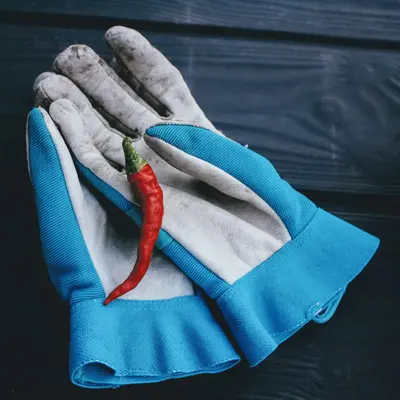
Developed at New Mexico State University, this record-holding chile can grow up to 12 inches long and holds the Guinness World Record for largest chile pepper. With mild to moderate heat and meaty flesh, it's the ultimate pepper for stuffing, roasting, or making authentic New Mexican cuisine.
Harvest
80-85d
Days to harvest
Sun
Full sun
Zones
4–11
USDA hardiness
Height
1-3 feet
Planting Timeline
Showing dates for Hot Pepper 'NuMex Big Jim' in USDA Zone 7
All Zone 7 pepper →Zone Map
Click a state to update dates
Hot Pepper 'NuMex Big Jim' · Zones 4–11
Growing Details
Succession Planting
NuMex Big Jim keeps producing on the same plant all season once it gets going — 80 to 85 days to first harvest, then you're picking through July, August, and into September in most zones. You don't need to stagger plantings the way you would with lettuce or radishes. One transplant date — April through May in zone 7, after soil temps are reliably above 60°F — is all you need.
The one exception: if you want a concentrated harvest for roasting and freezing, start a second flat of seeds indoors about 3 weeks after your first and transplant both rounds. You'll spread the heavy harvest window by 3 to 4 weeks, which makes a real difference when you're dealing with a big-pod chile that comes in all at once and needs processing before it softens.
Complete Growing Guide
This record-breaking cultivar requires patience and warmth to reach its full 12-inch potential, needing a solid 80-85 frost-free days and consistently warm soil to thrive. Plant seeds indoors 8-10 weeks before your last frost, as NuMex Big Jim germinates slowly compared to standard pepper varieties. Once transplanted, provide full sun and rich, well-draining soil amended with compost, spacing plants 18-24 inches apart to accommodate their bushy 1-3 foot frames. This cultivar is particularly prone to blossom-end rot when watering is inconsistent, so maintain even moisture without waterlogging. Pinch back early flowers before mid-summer to redirect energy toward developing fewer but larger fruits—this variety produces exceptional size when not overburdened with peppers. Watch for spider mites in hot, dry conditions, which stress the plants and reduce yields. Support heavily laden branches with stakes as the characteristic meaty flesh makes mature fruits quite heavy.
Light: Full sun (6 or more hours of direct sunlight a day). Soil: Clay, High Organic Matter, Loam (Silt), Sand. Soil pH: Acid (<6.0), Alkaline (>8.0), Neutral (6.0-8.0). Drainage: Good Drainage. Height: 1 ft. 0 in. - 3 ft. 8 in.. Spread: 0 ft. 6 in. - 1 ft. 0 in.. Spacing: 12 inches-3 feet. Growth rate: Medium. Maintenance: Low. Propagation: Seed. Regions: Coastal, Mountains, Piedmont.
Harvesting
Harvest NuMex Big Jim peppers when they reach their full 10-12 inch length and transition from green to a deep red color, signaling peak sweetness and flavor development. The skin should feel firm yet slightly yielding to gentle pressure, indicating mature flesh ideal for stuffing or roasting. These large chiles can be picked green for a milder taste, but waiting for full red maturity unlocks their rich, earthy character. Practice continuous harvesting by picking mature peppers regularly throughout the season to encourage ongoing flower and fruit production rather than a single concentrated harvest. For optimal results, pick in early morning when peppers are fully hydrated and handle them carefully to avoid bruising their prized meaty flesh.
Fruits are a non-pulpy berry and vary considerably across cultivars. Some are long, thin, bright red, and spicy; others are thick, large, and sweet-tasting; others still are small and in ornamental shapes and colors, grown as decoration.
Color: Black, Gold/Yellow, Green, Orange, Red/Burgundy. Type: Berry. Length: 1-3 inches. Width: < 1 inch.
Garden value: Edible, Good Dried, Showy
Harvest time: Summer
Edibility: Fruits edible, but spiciness is unpredictable in intensity.
Storage & Preservation
Store freshly harvested NuMex Big Jim peppers in a cool, humid environment between 45–50°F with 90% relative humidity to maintain quality. A perforated plastic bag in the refrigerator crisper drawer works well and extends shelf life to 2–3 weeks. For longer preservation, freezing whole or diced peppers in freezer bags retains their meaty texture for up to eight months, making them ideal for sauces and roasting later. Roasting and freezing in airtight containers preserves the characteristic earthy flavor particularly well. Drying is traditional for this variety—hang whole peppers to air-dry in warm, ventilated conditions, or use a dehydrator set to 130–150°F until completely brittle. Dried pods string beautifully into ristras for both storage and decoration. Canning roasted flesh or chile sauce requires pressure canning due to low acidity. Because of their large size and thick walls, NuMex Big Jims dry more slowly than smaller peppers; be patient and ensure complete dryness to prevent mold.
History & Origin
Developed at New Mexico State University's agricultural breeding program, the NuMex Big Jim emerged from deliberate selection efforts to create an exceptionally large chile pepper suited to New Mexican growing conditions and culinary traditions. While specific breeder names and exact development dates remain incompletely documented in widely available sources, the variety represents NMSU's broader chile breeding legacy that began in the mid-20th century. The Big Jim was officially released and eventually earned recognition as a Guinness World Record holder for largest chile pepper, cementing its place in both horticultural history and regional food culture as a quintessential New Mexico chile.
Origin: Tropical North and South America
Advantages
- +Record-breaking size up to 12 inches makes impressive yields per plant
- +Mild heat level perfect for stuffing and roasting without overwhelming heat
- +Meaty flesh ideal for authentic New Mexican cuisine and poblano-style dishes
- +Moderate 80-85 day maturity allows reliable harvests in most growing seasons
- +University-developed variety ensures stable genetics and proven performance
Considerations
- -Susceptible to multiple serious diseases including Verticillium wilt and bacterial leaf spot
- -High pest pressure from chile thrips, weevils, and spider mites requires management
- -Large fruit size demands substantial plant support and careful pruning attention
- -Moderate difficulty level means less forgiving for beginning pepper gardeners
Companion Plants
Basil and marigolds are the two companions worth prioritizing here. Basil's volatile oils — linalool and eugenol chief among them — interfere with the host-finding behavior of thrips and aphids at close range, and those are exactly the insects that vector pepper mottle virus into your crop. French marigolds (Tagetes patula specifically) release thiophene compounds from their roots that suppress root-knot nematodes in the surrounding soil over a full season. Plant them as a solid border rather than scattering a few plants randomly; the root exudate effect needs density to add up to anything useful.
Fennel is allelopathic and will stunt peppers planted within a few feet — keep it on the far edge of the garden or out entirely. Brassicas compete aggressively for the same soil nutrients and can harbor Verticillium wilt, which also hits peppers hard. One thing NC State Extension flags that most gardeners don't think about: if you're growing sweet peppers within pollinator range of NuMex Big Jim, cross-pollination can load the sweet pepper seeds with capsaicin — the hotness gene is dominant in Capsicum annuum. The fruit you pick this season won't taste different, but save those seeds and plant them next year and you'll get something considerably hotter than you bargained for.
Plant Together
Basil
Repels aphids, spider mites, and thrips while potentially enhancing pepper flavor
Marigold
Deters nematodes, aphids, and whiteflies with natural compounds
Tomato
Similar growing requirements and can share support structures
Oregano
Repels cucumber beetles and provides ground cover to retain soil moisture
Parsley
Attracts beneficial insects like hoverflies and parasitic wasps
Carrots
Loosens soil around pepper roots and doesn't compete for nutrients
Nasturtium
Acts as trap crop for aphids and cucumber beetles
Chives
Repels aphids and may improve pepper growth and flavor
Keep Apart
Black Walnut
Produces juglone which is toxic to peppers and causes stunted growth
Fennel
Inhibits growth of peppers through allelopathic compounds
Brassicas
Compete for similar nutrients and may stunt pepper development
Apricot Tree
Can harbor verticillium wilt which easily spreads to pepper plants
Nutrition Facts
Per 100g serving. % Daily Value based on 2,000 calorie diet. Source: USDA FoodData Central (FDC #169394)
Pests & Disease Resistance
Resistance
Good adaptation to hot, dry conditions with moderate disease resistance
Common Pests
Chile thrips, aphids, pepper weevils, spider mites
Diseases
Chile wilt, bacterial leaf spot, pepper mottle virus, Verticillium wilt
Troubleshooting Hot Pepper 'NuMex Big Jim'
What you'll see, why it happens, and what to do about it.
Sunken, flattened dark patches on the side or blossom end of the fruit — sometimes with black mold developing on the damaged tissue
Likely Causes
- Blossom end rot — a localized calcium deficiency in the developing fruit, not always a soil calcium shortage
- Inconsistent watering or drought stress that interrupts calcium uptake
- High ammonium-nitrogen fertilizer salts competing with calcium absorption
What to Do
- 1.Water deeply and consistently — 1 to 2 inches per week — and mulch around the base of each plant before dry spells hit to hold soil moisture steady
- 2.Pull back on high-nitrogen synthetic fertilizers mid-season; switch to a balanced feed with calcium, or side-dress with gypsum (calcium sulfate)
- 3.Test soil pH and keep it in the 6.5–7.5 range where calcium stays available to the roots
Yellow mosaic patterning or distorted, crinkled new growth on plants that otherwise look adequately watered and fed
Likely Causes
- Pepper mottle virus (PepMoV) — spread by aphid feeding, especially in crowded plantings
- Aphid populations left unmanaged, carrying the virus from plant to plant in quick succession
What to Do
- 1.Remove and bag any heavily infected plants immediately — there's no cure once a plant is infected, and it will keep seeding the virus into neighboring plants
- 2.Knock aphid colonies off healthy plants with a firm spray of water, then follow up with insecticidal soap if populations rebound within a few days
- 3.Next season, interplant with marigolds or nasturtiums early to disrupt aphid pressure before it builds, and avoid siting NuMex Big Jim downwind of other Capsicum annuum varieties
Frequently Asked Questions
How long does NuMex Big Jim take to grow from seed to harvest?▼
Can you grow NuMex Big Jim peppers in containers?▼
What does NuMex Big Jim pepper taste like compared to other chiles?▼
Is NuMex Big Jim good for beginners to grow?▼
When should I plant NuMex Big Jim pepper seeds?▼
NuMex Big Jim vs Anaheim peppers - what's the difference?▼
Zone-by-Zone Planting Calendar
| Zone | Indoor Start | Transplant | Direct Sow | Harvest |
|---|---|---|---|---|
| Zone 1 | May – May | July – August | — | October – August |
| Zone 2 | April – May | June – July | — | September – September |
| Zone 11 | January – January | January – February | — | April – June |
| Zone 12 | January – January | January – February | — | April – June |
| Zone 13 | January – January | January – February | — | April – June |
| Zone 3 | April – April | June – July | — | September – October |
| Zone 4 | March – April | June – June | — | September – October |
| Zone 5 | March – March | May – June | — | August – October |
| Zone 6 | March – March | May – June | — | August – October |
| Zone 7 | February – March | April – May | — | July – September |
| Zone 8 | February – February | April – May | — | July – September |
| Zone 9 | January – January | March – April | — | June – August |
| Zone 10 | January – January | February – March | — | May – July |
Growing Guides from Wind River Greens
Sources & References
External authority sources used in compiling this guide.
See the Methodology page for how this data is sourced, what's AI-assisted, and known limitations.
More Peppers
Carolina Reaper
Sweet Pepper 'Carmen'
Ghost Pepper 'Bhut Jolokia'
Scotch Bonnet 'Scotch Bonnet Orange'
Chocolate Habanero
Sweet Italian Pepper 'Marconi Rosso'
Purple Beauty Bell Pepper
Mad Hatter