Bell Pepper 'Yellow Bell'
Capsicum annuum 'Yellow Bell'
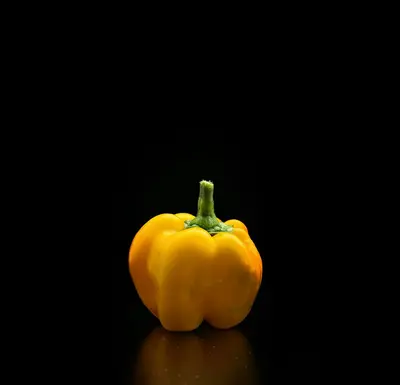
A vibrant yellow sweet bell pepper that adds sunshine to any garden and kitchen. These thick-walled peppers start green and ripen to a brilliant golden-yellow with a crisp texture and sweet, mild flavor. Perfect for beginners, they're reliable producers that excel in both garden beds and containers.
Harvest
70-80d
Days to harvest
Sun
Full sun
Zones
4–11
USDA hardiness
Height
1-3 feet
Planting Timeline
Showing dates for Bell Pepper 'Yellow Bell' in USDA Zone 7
All Zone 7 pepper →Zone Map
Click a state to update dates
Bell Pepper 'Yellow Bell' · Zones 4–11
Growing Details
Complete Growing Guide
Yellow Bell peppers reach maturity faster than many red varieties, so start seeds 6–8 weeks before your last frost date to maximize the extended harvest window of 70–80 days. These cultivars thrive in warm soil (at least 70°F) and full sun, but their thick walls mean they need consistent warmth to develop properly—avoid cool-season planting or you'll get stunted fruit. While generally disease-resistant, Yellow Bells can develop blossom-end rot in containers if watering becomes irregular, so maintain even soil moisture and mulch to regulate temperature fluctuations. Unlike some peppers, this variety doesn't require pruning to produce prolifically, though removing the first flower cluster encourages bushier growth and larger fruit later. The practical advantage: grow Yellow Bells in containers alongside basil—the combination maximizes space efficiency and makes harvest convenient for kitchen use.
Light: Full sun (6 or more hours of direct sunlight a day). Soil: Clay, High Organic Matter, Loam (Silt), Sand. Soil pH: Acid (<6.0), Alkaline (>8.0), Neutral (6.0-8.0). Drainage: Good Drainage. Height: 1 ft. 0 in. - 3 ft. 8 in.. Spread: 0 ft. 6 in. - 1 ft. 0 in.. Spacing: 12 inches-3 feet. Growth rate: Medium. Maintenance: Low. Propagation: Seed. Regions: Coastal, Mountains, Piedmont.
Harvesting
Yellow Bell peppers reach peak harvest maturity when they achieve their distinctive golden-yellow color throughout the entire fruit, typically 70-80 days after transplanting. The peppers should feel firm yet slightly yielding to gentle pressure, and measure 3-4 inches in length. For continuous production, harvest peppers regularly by cutting the stem rather than pulling, which encourages the plant to produce additional flowers and fruit throughout the season. Pick peppers while still slightly firm rather than waiting for them to become completely soft, as this extends your harvest window and allows younger fruits to develop fully. Morning harvesting, when peppers are coolest and most crisp, helps preserve their quality for storage and cooking.
Fruits are a non-pulpy berry and vary considerably across cultivars. Some are long, thin, bright red, and spicy; others are thick, large, and sweet-tasting; others still are small and in ornamental shapes and colors, grown as decoration.
Color: Black, Gold/Yellow, Green, Orange, Red/Burgundy. Type: Berry. Length: 1-3 inches. Width: < 1 inch.
Garden value: Edible, Good Dried, Showy
Harvest time: Summer
Edibility: Fruits edible, but spiciness is unpredictable in intensity.
Storage & Preservation
# Storage and Preservation
Store freshly harvested Yellow Bell peppers in the refrigerator at 45–50°F with 90–95% humidity, ideally in a perforated plastic bag in the crisper drawer. They'll keep for 1–2 weeks under these conditions. For longer storage, freezing works exceptionally well for this variety—dice or slice them, spread on a tray to freeze individually, then transfer to freezer bags for up to eight months. Roast and freeze for even better texture retention in cooked dishes. You can also blanch and freeze whole peppers for stuffing later, though they'll soften slightly. Drying is less common for sweet peppers but possible; slice thinly and dehydrate at 135°F until brittle. Yellow Bells don't preserve well through canning alone due to their low acid content, so stick with frozen or dried methods, or combine with acidic ingredients if canning. This variety's high sweetness actually concentrates during freezing, making thawed peppers excellent for cooked applications.
History & Origin
Bell peppers belong to the broader Capsicum annuum species, which originated in Mesoamerica and were domesticated thousands of years ago before spreading globally through European exploration. The yellow bell pepper phenotype emerged naturally through selective breeding of pepper cultivars, though specific documentation of the 'Yellow Bell' cultivar's exact origin remains limited. Yellow-fruited sweet peppers were developed throughout the twentieth century by various seed companies and breeding programs, with widespread commercial availability increasing significantly from the 1970s onward. This variety represents the culmination of generations of selection for consistent yellow coloration, thick flesh, and reliable production, making it a modern standard in both home and commercial cultivation worldwide.
Origin: Tropical North and South America
Advantages
- +Brilliant yellow color adds visual appeal to gardens and dishes
- +Thick walls make Yellow Bell excellent for stuffing and roasting
- +Reliable producer that reaches maturity in just 70-80 days
- +Sweet, mild flavor appeals to all palates, especially children
- +Thrives in containers, perfect for small spaces and patios
Considerations
- -Susceptible to multiple fungal diseases including anthracnose and powdery mildew
- -Vulnerable to common pepper pests like aphids and spider mites
- -Blossom end rot commonly affects this variety in inconsistent watering
- -Requires full sun and warm conditions for optimal yellow color development
Companion Plants
Basil and French marigolds (varieties like 'Petite Gold') are the two worth planting close. Basil's volatile compounds appear to confuse aphids and thrips — the evidence is mostly observational, but consistent enough to keep doing. Marigolds produce alpha-terthienyl in their roots, which suppresses soil nematodes over a full growing season; plant them as a border about 12 inches out from your pepper row, not tucked in between plants where they'll compete for light. Carrots and onions work as neighbors because their roots sit at a different depth than pepper roots, so they're not fighting for the same water and nutrients. Onions may also deter some aphid pressure.
Fennel is the one to exclude — it releases allelopathic root compounds that stunt most vegetables, and peppers are no exception. Brassicas (cabbage, broccoli, kale) create a practical problem too: they share pest pressure with peppers, particularly aphids, and planting them adjacent just concentrates the damage in one spot. NC State Extension's rotation guidance also points out that keeping the entire nightshade family — peppers, tomatoes, eggplant, potatoes — separated across seasons reduces soilborne disease buildup.
Plant Together
Basil
Repels aphids, spider mites, and thrips while potentially improving pepper flavor
Marigold
Deters nematodes, aphids, and whiteflies with natural compounds
Tomato
Similar growing requirements and can share trellising systems
Oregano
Repels aphids and provides ground cover to retain soil moisture
Carrots
Different root depths allow efficient space use without competition
Onions
Repel aphids, thrips, and other pests with sulfur compounds
Parsley
Attracts beneficial insects like hoverflies and parasitic wasps
Nasturtium
Acts as trap crop for aphids and cucumber beetles
Keep Apart
Fennel
Allelopathic compounds inhibit growth of peppers and most vegetables
Black Walnut
Produces juglone toxin that causes wilting and stunted growth in peppers
Brassicas
Compete for similar nutrients and may stunt pepper growth
Nutrition Facts
Per 100g serving. % Daily Value based on 2,000 calorie diet. Source: USDA FoodData Central (FDC #2258588)
Pests & Disease Resistance
Resistance
Good resistance to tobacco mosaic virus
Common Pests
Aphids, spider mites, pepper weevil, cutworms
Diseases
Bacterial spot, anthracnose, powdery mildew, blossom end rot
Troubleshooting Bell Pepper 'Yellow Bell'
What you'll see, why it happens, and what to do about it.
Sunken, leathery black or brown patch on the bottom — or side — of the fruit, usually appearing once peppers reach half size
Likely Causes
- Blossom end rot — localized calcium deficiency in the developing fruit, as NC State Extension notes
- Inconsistent watering or drought stress preventing calcium uptake
- High ammonium-nitrogen fertilizer salts interfering with calcium availability
What to Do
- 1.Water consistently — 1 to 2 inches per week; let the soil dry out and blossom end rot will follow
- 2.Get a soil test before adding calcium; if levels are low, work in lime or gypsum before the next planting
- 3.Back off high-nitrogen synthetic fertilizers mid-season and side-dress with compost instead
- 4.Remove affected fruit — secondary molds will colonize the damaged tissue and spread into healthy areas
Small, water-soaked spots on leaves and fruit that darken and develop yellow halos, appearing in warm wet weather
Likely Causes
- Bacterial spot (Xanthomonas campestris pv. vesicatoria) — spreads fast in rain splash and overhead irrigation
- Handling plants when foliage is wet, moving the pathogen from plant to plant on hands and tools
What to Do
- 1.Switch to drip irrigation or soaker hoses — keeping water off the leaves slows spread significantly
- 2.Apply copper-based bactericide at first sign; it won't cure infected tissue but protects healthy leaves
- 3.Pull and trash severely infected plants; rotate nightshades — tomatoes, eggplant, peppers, potatoes — out of that bed for at least 2 seasons, per NC State Extension's organic rotation guidance
Tiny, soft-bodied insects clustered on new growth and leaf undersides; leaves curling or coated with sticky honeydew
Likely Causes
- Aphids (commonly green peach aphid, Myzus persicae) — they build colonies fast and can vector pepper mosaic viruses
- Absence of natural predators, often because nearby pesticide use has knocked out beneficial insects
What to Do
- 1.Knock them off with a firm stream of water — works better than most people expect on a moderate infestation
- 2.Spray insecticidal soap or neem oil directly on colonies, covering leaf undersides; repeat every 5 to 7 days
- 3.Plant nasturtiums as a border crop to draw in predatory wasps and ladybugs that keep populations in check
Frequently Asked Questions
How long does Yellow Bell pepper take to grow from seed to harvest?▼
Can you grow Yellow Bell peppers in containers?▼
Is Yellow Bell pepper good for beginners?▼
What does Yellow Bell pepper taste like compared to green bell peppers?▼
When should I plant Yellow Bell pepper seeds?▼
Do Yellow Bell peppers need full sun to turn yellow?▼
Zone-by-Zone Planting Calendar
| Zone | Indoor Start | Transplant | Direct Sow | Harvest |
|---|---|---|---|---|
| Zone 3 | April – April | June – July | — | September – October |
| Zone 4 | March – April | June – June | — | August – October |
| Zone 5 | March – March | May – June | — | August – October |
| Zone 6 | March – March | May – June | — | August – October |
| Zone 7 | February – March | April – May | — | July – September |
| Zone 8 | February – February | April – May | — | July – September |
| Zone 9 | January – January | March – April | — | June – August |
| Zone 10 | January – January | February – March | — | May – July |
| Zone 1 | May – May | July – August | — | October – August |
| Zone 2 | April – May | June – July | — | September – September |
| Zone 11 | January – January | January – February | — | April – June |
| Zone 12 | January – January | January – February | — | April – June |
| Zone 13 | January – January | January – February | — | April – June |
Growing Guides from Wind River Greens
Sources & References
External authority sources used in compiling this guide.
See the Methodology page for how this data is sourced, what's AI-assisted, and known limitations.
More Peppers
Carolina Reaper
Sweet Pepper 'Carmen'
Ghost Pepper 'Bhut Jolokia'
Scotch Bonnet 'Scotch Bonnet Orange'
Chocolate Habanero
Sweet Italian Pepper 'Marconi Rosso'
Purple Beauty Bell Pepper
Mad Hatter