Jalapeño 'Purple Jalapeño'
Capsicum annuum 'Purple Jalapeño'
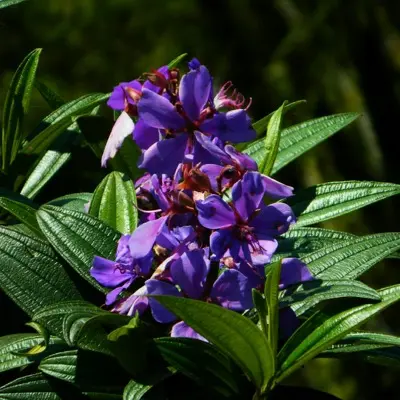
A stunning ornamental and culinary pepper that produces deep purple fruits with dark purple stems and leaves, creating a dramatic garden display. The peppers pack the same heat and flavor as traditional jalapeños but add incredible visual appeal to both the garden and the plate. This unique variety turns from purple to red when fully mature, offering multiple harvest stages.
Harvest
70-80d
Days to harvest
Sun
Full sun
Zones
4–11
USDA hardiness
Height
1-3 feet
Planting Timeline
Showing dates for Jalapeño 'Purple Jalapeño' in USDA Zone 7
All Zone 7 pepper →Zone Map
Click a state to update dates
Jalapeño 'Purple Jalapeño' · Zones 4–11
Growing Details
Complete Growing Guide
Purple Jalapeño demands consistent warmth to develop its signature pigmentation—maintain soil temperatures above 70°F and provide 14-16 hours of daily light for the deepest color expression, especially during the purple stage before ripening to red. This ornamental cultivar is more sensitive to inconsistent watering than standard jalapeños; fluctuating moisture stresses the plant and causes premature leaf drop, compromising both aesthetics and yield. Watch closely for spider mites, which are attracted to the thin purple foliage under dry conditions, and whiteflies on the undersides of leaves. The 70-80 day timeline refers to first purple fruits, but patience through the full maturation to red yields sweeter peppers with developed heat; don't rush harvesting if you want the complete flavor profile. A practical strategy: pinch flower buds during the first four weeks of flowering to redirect energy into a sturdier, bushier frame that produces more uniform purple fruits rather than stretchy, sparse plants with scattered peppers.
Light: Full sun (6 or more hours of direct sunlight a day). Soil: Clay, High Organic Matter, Loam (Silt), Sand. Soil pH: Acid (<6.0), Alkaline (>8.0), Neutral (6.0-8.0). Drainage: Good Drainage. Height: 1 ft. 0 in. - 3 ft. 8 in.. Spread: 0 ft. 6 in. - 1 ft. 0 in.. Spacing: 12 inches-3 feet. Growth rate: Medium. Maintenance: Low. Propagation: Seed. Regions: Coastal, Mountains, Piedmont.
Harvesting
Harvest Purple Jalapeños when the fruits reach 2.5 to 3 inches long and the skin feels firm to slight pressure, with deep purple coloring indicating peak readiness for maximum visual appeal and flavor development. The peppers will transition from purple to bright red as they fully mature, so decide your preferred harvest stage based on culinary use—purple fruits offer slightly more vegetal complexity while red ones develop sweeter notes. Practice continuous harvesting by regularly picking mature peppers throughout the growing season rather than waiting for all fruits to ripen simultaneously; this encourages the plant to produce more blooms and extends your harvest window significantly. A key timing tip: pick peppers in early morning when stems are most pliable, reducing stress on the plant and minimizing damage to the delicate branches.
Fruits are a non-pulpy berry and vary considerably across cultivars. Some are long, thin, bright red, and spicy; others are thick, large, and sweet-tasting; others still are small and in ornamental shapes and colors, grown as decoration.
Color: Black, Gold/Yellow, Green, Orange, Red/Burgundy. Type: Berry. Length: 1-3 inches. Width: < 1 inch.
Garden value: Edible, Good Dried, Showy
Harvest time: Summer
Edibility: Fruits edible, but spiciness is unpredictable in intensity.
Storage & Preservation
Store freshly harvested Purple Jalapeños in a perforated plastic bag in the refrigerator at 45–50°F with 85–90% humidity; they'll keep for two to three weeks. At room temperature, expect five to seven days before they begin to soften. For longer storage, freeze whole peppers on a tray, then transfer to freezer bags for up to six months—they work well in cooked applications like sauces and salsas. Pickling preserves them beautifully and highlights their tangy character; pack them hot into sterilized jars with vinegar and spices for shelf-stable results. Drying concentrates their heat and flavor; slice lengthwise, dehydrate at 135°F for eight to twelve hours, and store in airtight containers. Fermentation is another excellent option, lending complexity to the peppers' natural brightness. The distinctive purple color fades during most preservation methods, so if visual impact matters for your recipe, prioritize fresh use or quick pickling to retain some of that dramatic hue.
History & Origin
Purple jalapeños emerged from selective breeding programs focused on ornamental pepper varieties, building on the foundational genetics of Capsicum annuum jalapeños that originated in Mexico centuries ago. While specific breeder attribution and introduction dates remain undocumented in widely available horticultural records, this variety represents the modern trend of developing dual-purpose cultivars that combine culinary utility with ornamental appeal. The purple pigmentation likely arose through conventional selection within jalapeño breeding lines during the late twentieth century, as seed companies increasingly marketed pigmented pepper varieties to home gardeners seeking visually striking edible plants. The exact institutional origin—whether from a university breeding program, commercial seed company, or independent breeder—remains unclear in published literature, though the variety has become commercially established through multiple seed suppliers.
Origin: Tropical North and South America
Advantages
- +Striking purple foliage and fruits create dramatic ornamental garden displays year-round.
- +Dual-purpose variety delivers authentic jalapeño heat and flavor with visual appeal.
- +Fast maturation in 70-80 days provides quick harvests for impatient gardeners.
- +Color-changing peppers from purple to red enable multiple staggered harvest stages.
- +Easy growing difficulty makes this visually stunning variety accessible to beginners.
Considerations
- -Susceptibility to bacterial leaf spot and pepper mottle virus requires vigilant monitoring.
- -Purple color attracts numerous pests including thrips, aphids, and flea beetles readily.
- -Phytophthora blight vulnerability demands careful watering practices and excellent soil drainage management.
Companion Plants
Marigolds (Tagetes spp.) earn a spot because their root secretions actively suppress soil nematodes — not just a folklore claim, and useful in beds that have grown nightshades for several seasons. Basil planted 12–18 inches away reportedly disrupts thrips and aphid scouting behavior; skeptical or not, you'll use the harvest either way. Onions and other alliums add another layer of insect confusion without much root competition at 6.2–7.0 soil pH that suits both crops. Fennel is the one to eliminate from the area entirely — it releases allelopathic compounds that stunt most vegetables — and brassicas cluster the same pest load (flea beetles, aphids) right next to a crop that's already fighting them.
Plant Together
Marigolds
Repel nematodes, aphids, and whiteflies with their strong scent
Basil
Repels aphids, spider mites, and thrips while potentially enhancing pepper flavor
Tomatoes
Share similar growing conditions and can help deter each other's pests
Oregano
Natural pest deterrent that repels aphids and spider mites
Onions
Deter aphids, thrips, and other soft-bodied insects that attack peppers
Parsley
Attracts beneficial insects like hoverflies that prey on pepper pests
Carrots
Help break up soil around pepper roots and don't compete for nutrients
Nasturtiums
Act as trap crop for aphids and cucumber beetles, drawing them away from peppers
Keep Apart
Black Walnut Tree
Releases juglone toxin that stunts pepper growth and can kill plants
Fennel
Produces allelopathic compounds that inhibit pepper growth and development
Brassicas
Compete for similar nutrients and may stunt pepper growth through root competition
Apricot Trees
Can harbor diseases like verticillium wilt that easily spread to pepper plants
Nutrition Facts
Per 100g serving. % Daily Value based on 2,000 calorie diet. Source: USDA FoodData Central (FDC #168576)
Pests & Disease Resistance
Resistance
Moderate resistance to common pepper diseases
Common Pests
Aphids, thrips, pepper maggot, flea beetles
Diseases
Bacterial leaf spot, pepper mottle virus, phytophthora blight
Troubleshooting Jalapeño 'Purple Jalapeño'
What you'll see, why it happens, and what to do about it.
Sunken, leathery black or brown patch on the bottom or side of the fruit, often with secondary mold growing over it
Likely Causes
- Blossom end rot — localized calcium deficiency in the developing fruit
- Inconsistent watering or drought stress preventing calcium uptake
- High ammonium-nitrogen fertilizer levels interfering with calcium availability
What to Do
- 1.Water consistently — aim for 1 inch per week and don't let the soil dry out completely between waterings once fruit is sizing up
- 2.Have your soil tested; if calcium is genuinely low, work in lime or gypsum before next season
- 3.Back off heavy nitrogen fertilizers mid-season, especially ammonium-based ones — NC State Extension flags high fertilizer salts as a direct contributor to this disorder
Tiny holes punched through leaves, mostly on young foliage, sometimes with small dark beetles visible on the plant
Likely Causes
- Flea beetles (Epitrix spp.) — pressure is worst on stressed or newly transplanted seedlings
- Plants set out too early into cold soil, which slows establishment and stretches the window of vulnerability
What to Do
- 1.Cover transplants with floating row cover for the first 2–3 weeks after transplant to block adult beetles
- 2.Apply a thick mulch layer to discourage soil-dwelling pupae from completing their cycle
- 3.If pressure is heavy, spinosad-based sprays are effective and compatible with organic management
Dark, water-soaked spots on leaves that dry to a brown scab with yellow halos; fruit may show raised corky lesions
Likely Causes
- Bacterial leaf spot (Xanthomonas campestris pv. vesicatoria) — spreads rapidly in warm, wet weather and through overhead irrigation
- Moving through the garden when foliage is wet, which transfers bacteria from plant to plant on hands and tools
What to Do
- 1.Stop overhead watering; switch to drip irrigation or water at the base only
- 2.Pull and bag — don't compost — heavily infected leaves and stems
- 3.Rotate peppers and other nightshades (tomatoes, eggplant, potatoes) out of that bed for at least 2 seasons; NC State Extension's organic disease guidance cites nightshade family rotation as a primary tool for breaking soilborne pathogen cycles
Frequently Asked Questions
How long does Purple Jalapeño take to grow from seed?▼
Is Purple Jalapeño good for beginners?▼
Can you grow Purple Jalapeño in containers?▼
What does Purple Jalapeño taste like compared to regular jalapeño?▼
Do Purple Jalapeños turn red when ripe?▼
Why are my Purple Jalapeño peppers not turning purple?▼
Zone-by-Zone Planting Calendar
| Zone | Indoor Start | Transplant | Direct Sow | Harvest |
|---|---|---|---|---|
| Zone 3 | April – April | June – July | — | September – October |
| Zone 4 | March – April | June – June | — | August – October |
| Zone 5 | March – March | May – June | — | August – October |
| Zone 6 | March – March | May – June | — | August – October |
| Zone 7 | February – March | April – May | — | July – September |
| Zone 8 | February – February | April – May | — | July – September |
| Zone 9 | January – January | March – April | — | June – August |
| Zone 10 | January – January | February – March | — | May – July |
| Zone 1 | May – May | July – August | — | October – August |
| Zone 2 | April – May | June – July | — | September – September |
| Zone 11 | January – January | January – February | — | April – June |
| Zone 12 | January – January | January – February | — | April – June |
| Zone 13 | January – January | January – February | — | April – June |
Growing Guides from Wind River Greens
Sources & References
External authority sources used in compiling this guide.
See the Methodology page for how this data is sourced, what's AI-assisted, and known limitations.
More Peppers
Carolina Reaper
Sweet Pepper 'Carmen'
Ghost Pepper 'Bhut Jolokia'
Scotch Bonnet 'Scotch Bonnet Orange'
Chocolate Habanero
Sweet Italian Pepper 'Marconi Rosso'
Purple Beauty Bell Pepper
Mad Hatter