Bell Pepper 'Red Beauty'
Capsicum annuum 'Red Beauty'
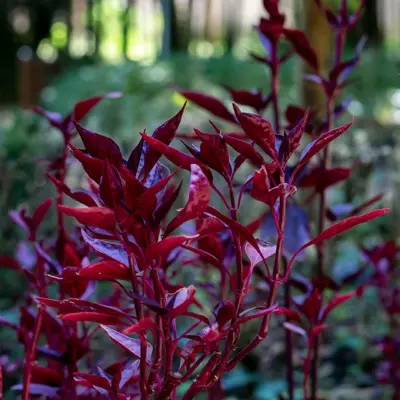
A classic bell pepper variety that produces large, blocky fruits with thick walls perfect for stuffing or fresh eating. These sweet peppers start green and ripen to a gorgeous deep red color, developing incredible sweetness as they mature. Reliable and productive, this variety is a garden staple that delivers consistent harvests throughout the growing season.
Harvest
75-80d
Days to harvest
Sun
Full sun
Zones
4–11
USDA hardiness
Height
1-3 feet
Planting Timeline
Showing dates for Bell Pepper 'Red Beauty' in USDA Zone 7
All Zone 7 pepper →Zone Map
Click a state to update dates
Bell Pepper 'Red Beauty' · Zones 4–11
Growing Details
Succession Planting
Bell peppers don't suit succession planting — one transplant per spot, and it keeps producing from July through first frost. Start seeds indoors 10 to 12 weeks before your last frost date; in zone 7 that means sowing in February or early March and transplanting out in late April to early May once nights are reliably above 55°F. Two or three plants per person who actually eats peppers is usually plenty.
If you want to stretch the harvest window, stagger your transplant dates by two weeks — first set out in late April, a second in mid-May. The later planting tends to hit peak production in August when the earlier one is slowing down in the heat. Skip direct sowing; germination takes 10 to 21 days and these plants need a long indoor head start to produce well before fall nights shut them down.
Complete Growing Guide
Red Beauty peppers thrive when started indoors 8-10 weeks before your last frost, as they need consistent warmth to germinate and establish strong transplants before the 75-80 day countdown begins. This cultivar produces abundantly in full sun with rich, well-draining soil and consistent moisture—avoid letting soil dry between waterings, which stresses plants and triggers blossom-end rot on developing fruits. Red Beauty shows moderate susceptibility to spider mites in hot, dry conditions, so monitor leaf undersides weekly and increase humidity with overhead misting if needed. The thick-walled fruits ripen slowly from green to red, but patience pays off; leaving peppers on the plant an extra 2-3 weeks after they turn fully red intensifies their sweetness dramatically. Pinch off the first flower cluster when transplants are 6-8 inches tall to redirect energy into stronger branching, which significantly increases your overall yield.
Light: Full sun (6 or more hours of direct sunlight a day). Soil: Clay, High Organic Matter, Loam (Silt), Sand. Soil pH: Acid (<6.0), Alkaline (>8.0), Neutral (6.0-8.0). Drainage: Good Drainage. Height: 1 ft. 0 in. - 3 ft. 8 in.. Spread: 0 ft. 6 in. - 1 ft. 0 in.. Spacing: 12 inches-3 feet. Growth rate: Medium. Maintenance: Low. Propagation: Seed. Regions: Coastal, Mountains, Piedmont.
Harvesting
Bell Pepper 'Red Beauty' reaches peak harvest maturity when fruits transition from green to a deep crimson red, typically 75-80 days after transplanting, and develop a glossy, firm skin that resists gentle pressure. At full ripeness, peppers should measure 3-4 inches in length with thick, meaty walls ideal for stuffing or raw consumption. For continuous harvests throughout the season, pick peppers regularly using sharp pruners or scissors rather than twisting, which can damage branches—removing mature fruits encourages the plant to produce additional flowers and peppers. A critical timing tip: harvest in early morning when temperatures are cool, as this preserves crispness and sweetness while minimizing plant stress during peak heat hours.
Fruits are a non-pulpy berry and vary considerably across cultivars. Some are long, thin, bright red, and spicy; others are thick, large, and sweet-tasting; others still are small and in ornamental shapes and colors, grown as decoration.
Color: Black, Gold/Yellow, Green, Orange, Red/Burgundy. Type: Berry. Length: 1-3 inches. Width: < 1 inch.
Garden value: Edible, Good Dried, Showy
Harvest time: Summer
Edibility: Fruits edible, but spiciness is unpredictable in intensity.
Storage & Preservation
Fresh 'Red Beauty' peppers store best at 45–50°F with 90–95% humidity in a perforated plastic bag within your refrigerator's crisper drawer, where they'll keep for two to three weeks. Avoid storing near ethylene-producing fruits like apples, which accelerate ripening and decay.
For longer preservation, freezing works exceptionally well for this variety's intended culinary applications. Simply core, seed, and slice or dice the peppers, spread them on a tray to freeze individually, then transfer to freezer bags for up to eight months. Unlike some peppers, 'Red Beauty' maintains good texture when thawed for roasting and stir-fries.
Roasting and freezing in oil is another excellent option—char whole peppers over flame, peel away the skin, and pack in freezer containers with olive oil for intensified flavor. Drying is less ideal for this sweet, juicy variety, though thin slices will dehydrate if you prefer that route. Canning requires safe pressure-processing protocols if you choose to preserve in oil.
History & Origin
The specific origin of Bell Pepper 'Red Beauty' is not well documented in readily available horticultural records, though it belongs to the broad lineage of modern bell pepper cultivars developed throughout the twentieth century. Like many commercial pepper varieties bearing simple descriptive names, 'Red Beauty' likely emerged from conventional breeding programs at major seed companies or agricultural institutions focused on selecting for the desirable traits of large fruit size, thick walls, and reliable ripening to deep red. The variety exemplifies the classic American market gardening ideal of the blocky, sweet bell pepper refined through decades of selection work, though definitive information about its specific breeder, introduction year, or originating company remains unclear in published sources.
Origin: Tropical North and South America
Advantages
- +Large blocky fruits with thick walls ideal for stuffing applications
- +Deep red color at maturity indicates excellent sweetness development
- +Reliable producer delivering consistent harvests throughout the growing season
- +Easy difficulty level makes it perfect for beginner gardeners
- +Sweet crisp flavor with no heat appeals to most palates
Considerations
- -Susceptible to multiple diseases including bacterial spot and anthracnose
- -Vulnerable to common pests like aphids spider mites and hornworms
- -Requires consistent soil moisture to prevent blossom end rot problems
- -75-80 days to maturity limits growing seasons in cool climates
Companion Plants
Basil is the companion I'd put closest to Red Beauty — within 12 to 18 inches. The claim that it repels aphids and thrips has mixed research behind it, but the dense aromatic oils do seem to disrupt host-finding by insects that locate plants through scent. French marigolds (Tagetes patula) pull more actual weight: their roots produce alpha-terthienyl, a compound that suppresses root-knot nematode populations in the soil. In the Georgia piedmont and coastal plain, where warm sandy soils run nematode pressure high, a solid border of marigolds is worth the bed space. Carrots and parsley at the bed edges stay shallow enough not to fight peppers for the same root zone, and both pull in parasitic wasps from the Apiaceae family that go after hornworm eggs before they hatch.
Tomatoes can share a bed with peppers — similar water and fertility needs make irrigation straightforward — but don't treat them as a disease buffer for each other. Both are nightshades, so bacterial spot (Xanthomonas campestris pv. vesicatoria) and phytophthora blight will move between them freely. Keep standard 18–24 inch spacing and stay on top of scouting. Also worth flagging from NC State Extension: sweet peppers planted near hot peppers can cross-pollinate via insects, and since capsaicin is a dominant gene, your Red Beauty fruit in the current season can actually taste hot if a bee has been busy. Keep at least 300 feet of separation if you're growing both types.
Fennel is the one to site well away — 20 to 30 feet minimum. It releases allelopathic compounds from its roots that stunt a wide range of vegetable crops, peppers included. Black walnut (Juglans nigra) works through the same mechanism via juglone, a root exudate that persists in soil even after the tree is removed. Kohlrabi just competes hard for moisture and nutrients at the same soil depth as pepper roots, with no compensating benefit — not worth the crowding.
Plant Together
Basil
Repels aphids, spider mites, and thrips while potentially improving pepper flavor
Tomatoes
Similar growing requirements and can share space efficiently, both benefit from same care
Marigolds
Repel nematodes, aphids, and whiteflies while attracting beneficial insects
Oregano
Repels aphids and provides ground cover while attracting beneficial pollinators
Parsley
Attracts beneficial insects like hoverflies and parasitic wasps that control pepper pests
Carrots
Loose soil from carrot growth improves drainage around pepper roots
Nasturtiums
Act as trap crop for aphids, cucumber beetles, and squash bugs
Chives
Repel aphids and may improve pepper growth and flavor
Keep Apart
Black Walnut
Produces juglone toxin that causes wilting and stunted growth in peppers
Fennel
Allelopathic properties inhibit growth of peppers and most garden vegetables
Kohlrabi
Competes heavily for nutrients and may stunt pepper plant development
Nutrition Facts
Per 100g serving. % Daily Value based on 2,000 calorie diet. Source: USDA FoodData Central (FDC #2258588)
Pests & Disease Resistance
Resistance
Good resistance to tobacco mosaic virus and bacterial spot
Common Pests
Aphids, spider mites, pepper weevil, hornworms
Diseases
Bacterial spot, anthracnose, phytophthora blight, blossom end rot
Troubleshooting Bell Pepper 'Red Beauty'
What you'll see, why it happens, and what to do about it.
Sunken, leathery black or brown patch on the bottom (or side) of the fruit, usually showing up as fruit starts sizing up
Likely Causes
- Blossom end rot — localized calcium deficiency in the developing fruit, not always a soil calcium shortage
- Inconsistent watering or drought stress preventing calcium uptake
- High ammonium-nitrogen fertilizer pushing vegetative growth faster than calcium can move into fruit
What to Do
- 1.Water on a consistent schedule — 1 to 1.5 inches per week; don't let the soil dry out and then flood it
- 2.Mulch the bed with straw or shredded leaves to buffer soil moisture swings, ideally before the first dry spell hits — UGA Extension recommends applying mulch around peppers by blooming time
- 3.Back off high-ammonium fertilizers; switch to a balanced or calcium-containing formula, and get a soil test before adding calcium amendments blindly
Small, water-soaked spots on leaves and fruit that turn brown and scabby, sometimes with a yellow halo; fruit may crack at the lesion
Likely Causes
- Bacterial spot (Xanthomonas campestris pv. vesicatoria) — spreads fast in warm, wet weather
- Overhead irrigation or rain splashing bacteria from soil or infected debris onto foliage
What to Do
- 1.Switch to drip irrigation if you're overhead watering; keeping leaves dry cuts transmission significantly
- 2.Remove and bag (don't compost) heavily infected leaves and fruit
- 3.Rotate peppers and other nightshades out of this bed for at least 2 seasons — NC State Extension's organic disease management guidance specifically calls out the nightshade family as sharing disease cycles
White or tan bleached patches on fruit facing the sun, skin papery and collapsed underneath
Likely Causes
- Sunscald — direct UV exposure on fruit that loses leaf canopy cover, common after aggressive pruning or defoliation from disease
- Aphid or spider mite feeding that thins foliage and exposes fruit
What to Do
- 1.Don't over-strip foliage; leave enough leaf cover over developing fruit
- 2.If plants are already defoliated from disease, 30–40% shade cloth can protect fruit through the hottest part of summer
- 3.Check the undersides of leaves weekly for spider mites — fine webbing and stippled leaves are the tell; knock them off with a strong water spray or apply insecticidal soap
Misshapen, stunted new growth; sticky residue on leaves; small soft-bodied insects clustered on stems and undersides of leaves
Likely Causes
- Aphids (likely green peach aphid, Myzus persicae, or potato aphid, Macrosiphum euphorbiae) — they colonize fast in warm weather and transmit mosaic viruses
- Ants farming aphid colonies, protecting them from predators
What to Do
- 1.Knock aphid colonies off with a firm stream of water — do it in the morning so foliage dries before evening
- 2.If populations are heavy, spray insecticidal soap or neem oil directly on the colonies; coat the undersides of leaves where they hide
- 3.Disrupt ant trails to the plant with a sticky barrier or diatomaceous earth — ants actively shield aphid colonies from ladybugs and parasitic wasps
Frequently Asked Questions
How long does Red Beauty pepper take to grow from seed to harvest?▼
Can you grow Red Beauty peppers in containers?▼
Is Red Beauty pepper good for beginners?▼
What does Red Beauty pepper taste like compared to store-bought bell peppers?▼
When should I plant Red Beauty pepper seeds?▼
Red Beauty vs California Wonder peppers - what's the difference?▼
Zone-by-Zone Planting Calendar
| Zone | Indoor Start | Transplant | Direct Sow | Harvest |
|---|---|---|---|---|
| Zone 1 | May – May | July – August | — | October – August |
| Zone 2 | April – May | June – July | — | September – September |
| Zone 11 | January – January | January – February | — | April – June |
| Zone 12 | January – January | January – February | — | April – June |
| Zone 13 | January – January | January – February | — | April – June |
| Zone 3 | April – April | June – July | — | September – October |
| Zone 4 | March – April | June – June | — | August – October |
| Zone 5 | March – March | May – June | — | August – October |
| Zone 6 | March – March | May – June | — | August – October |
| Zone 7 | February – March | April – May | — | July – September |
| Zone 8 | February – February | April – May | — | July – September |
| Zone 9 | January – January | March – April | — | June – August |
| Zone 10 | January – January | February – March | — | May – July |
Growing Guides from Wind River Greens
Sources & References
External authority sources used in compiling this guide.
See the Methodology page for how this data is sourced, what's AI-assisted, and known limitations.
More Peppers
Carolina Reaper
Sweet Pepper 'Carmen'
Ghost Pepper 'Bhut Jolokia'
Scotch Bonnet 'Scotch Bonnet Orange'
Chocolate Habanero
Sweet Italian Pepper 'Marconi Rosso'
Purple Beauty Bell Pepper
Mad Hatter