Jalapeño 'Craig's Grande'
Capsicum annuum 'Craig's Grande'
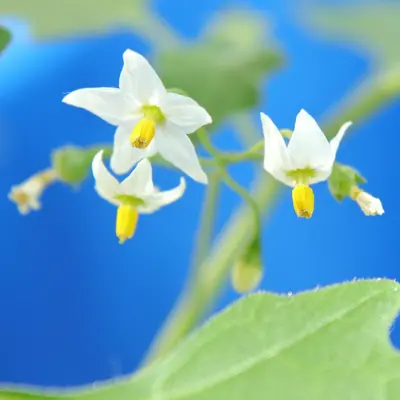
An exceptionally large jalapeño variety that produces peppers nearly twice the size of standard jalapeños while maintaining authentic heat and flavor. These jumbo peppers are perfect for stuffing, and their thick walls make them ideal for jalapeño poppers and grilling applications. A must-grow for jalapeño lovers who want impressive size.
Harvest
75-85d
Days to harvest
Sun
Full sun
Zones
4–11
USDA hardiness
Height
1-3 feet
Planting Timeline
Showing dates for Jalapeño 'Craig's Grande' in USDA Zone 7
All Zone 7 pepper →Zone Map
Click a state to update dates
Jalapeño 'Craig's Grande' · Zones 4–11
Growing Details
Succession Planting
Craig's Grande is an indeterminate-style pepper — one transplant keeps producing from July through frost, so true succession planting doesn't apply here the way it does with lettuce or radishes. Set transplants out once, in late April to mid-May in zone 7 after nighttime temps are reliably above 55°F, and the plant does the rest.
If you're growing for a CSA or market stand and want to smooth out the harvest, start a second flat indoors 3–4 weeks after your first sowing — so late February and again in mid-March. The production windows won't be dramatically different, but plants at different stages of maturity means you're less likely to hit the glut that comes when 20 plants all go heavy at once around day 80.
Complete Growing Guide
This cultivar's extended 75-85 day maturity requires starting seeds 8-10 weeks before your last frost to ensure fruiting before season's end, especially in shorter growing regions. Craig's Grande demands consistent warmth above 70°F and benefits from afternoon shade in extremely hot climates, as the larger fruit surface can experience sunscald. The heavier pepper load from oversized fruit means these plants need robust staking or caging to prevent branch breakage; consider installing support structures early rather than retrofitting. Watch closely for spider mites, which favor the thick-walled peppers' dense foliage canopy. To encourage maximum sizing rather than excessive flowering, pinch the first flower cluster when plants reach 12 inches tall, redirecting energy into vegetative growth. Water deeply and consistently—irregular irrigation causes fruit cracking in these large peppers more readily than in standard jalapeños.
Light: Full sun (6 or more hours of direct sunlight a day). Soil: Clay, High Organic Matter, Loam (Silt), Sand. Soil pH: Acid (<6.0), Alkaline (>8.0), Neutral (6.0-8.0). Drainage: Good Drainage. Height: 1 ft. 0 in. - 3 ft. 8 in.. Spread: 0 ft. 6 in. - 1 ft. 0 in.. Spacing: 12 inches-3 feet. Growth rate: Medium. Maintenance: Low. Propagation: Seed. Regions: Coastal, Mountains, Piedmont.
Harvesting
Harvest 'Craig's Grande' jalapeños when they reach their characteristic large size—roughly 4 to 5 inches long—and display a deep green color with a slight waxy sheen, though they can also be left to mature to red for sweeter heat. The peppers are ready when they feel firm but yield slightly to gentle pressure, indicating thick, developed walls ideal for stuffing. This variety supports continuous harvesting throughout the season; pick peppers regularly to encourage prolific production rather than waiting for a single flush. For optimal flavor and heat, harvest in the morning after dew dries but before intense afternoon sun, as this timing preserves the bright, grassy notes characteristic of the cultivar while maintaining peak Scoville intensity.
Fruits are a non-pulpy berry and vary considerably across cultivars. Some are long, thin, bright red, and spicy; others are thick, large, and sweet-tasting; others still are small and in ornamental shapes and colors, grown as decoration.
Color: Black, Gold/Yellow, Green, Orange, Red/Burgundy. Type: Berry. Length: 1-3 inches. Width: < 1 inch.
Garden value: Edible, Good Dried, Showy
Harvest time: Summer
Edibility: Fruits edible, but spiciness is unpredictable in intensity.
Storage & Preservation
Store freshly harvested 'Craig's Grande' peppers in the refrigerator at 45–50°F with 90–95% humidity, ideally in a perforated plastic bag in the crisper drawer. They'll keep for two to three weeks under these conditions. For longer preservation, freezing works well—dice or slice them raw, spread on a tray to freeze individually, then transfer to freezer bags for up to eight months. Roasting and freezing intensifies their grassy flavor. For pickling, use standard vinegar-based methods; their thick walls handle the process excellently. Drying produces concentrated heat; slice lengthwise, dry at 135°F until brittle, then grind into powder or store whole. Fermentation is another option—pack them in brine with salt and let sit at room temperature for several weeks to develop complex flavor. Their larger size makes them particularly suited to stuffing before freezing; prepare poppers and freeze unbaked for convenient future cooking.
History & Origin
While specific breeder information and introduction year for 'Craig's Grande' remain undocumented in readily available horticultural records, this variety represents the ongoing tradition of jalapeño selection and enlargement within the Capsicum annuum breeding continuum. Like many named pepper cultivars, it likely emerged from either private seed company development or regional breeding work focused on producing larger, more commercially viable jalapeño types. The variety's nomenclature suggests individual breeder involvement, a common practice in specialty pepper cultivation. Its characteristics—exceptional size while retaining heat and flavor—align with modern jalapeño breeding objectives prioritizing market appeal and culinary versatility without compromising the classic profile that defines the species.
Origin: Tropical North and South America
Advantages
- +Nearly twice the size of standard jalapeños makes impressive presentation and yields
- +Thick walls ideal for stuffing and poppers, the primary culinary use case
- +Maintains authentic jalapeño heat and grassy flavor despite jumbo size increase
- +Easy difficulty level means reliable success for both beginner and experienced gardeners
- +Fast maturity at 75-85 days provides relatively quick harvest gratification
Considerations
- -Susceptible to bacterial spot and anthracnose, requiring vigilant disease management
- -Vulnerable to multiple pests including aphids, weevil, and spider mites simultaneously
- -Phytophthora blight risk demands excellent drainage and careful watering practices
Companion Plants
Basil is the most common pairing you'll see with peppers, and it pulls its weight. The volatile oils basil releases — linalool and eugenol — appear to confuse aphids and thrips trying to locate host plants by scent. Whether that effect is strong enough to matter at garden scale is debatable, but planting basil 12–18 inches away fills space that would otherwise sit bare, and you're harvesting both in the same window anyway. Marigolds (French types, Tagetes patula) are more straightforwardly useful: their root exudates suppress soil nematodes over time, and the flowers draw parasitic wasps that go after pepper weevil larvae. Put a solid row at the bed edge rather than scattering a few plants — you need a real population to do any good.
Carrots and onions both work well here for structural reasons. Carrots stay below ground and don't compete for the same root zone depth as peppers; onions, with their shallow fibrous roots and sulfur compounds, may take some edge off aphid pressure. In our zone 7 Georgia garden, oregano tucked near the row edges earns its spot too — it sprawls low, keeps the soil shaded, and keeps flowering long enough to feed beneficial insects well into August.
Black walnut is the companion to take most seriously as a threat. Juglone leaches from the roots and can stunt or kill peppers — sometimes 50 feet or more from the trunk, depending on root spread. Fennel is allelopathic to most vegetables and should just live somewhere isolated from the rest of the garden; it doesn't play well with anything. Brassicas aren't chemically hostile to peppers, but they're heavy nitrogen feeders with overlapping pest pressure, and planting them together means both crops end up underfed.
Plant Together
Basil
Repels aphids, spider mites, and thrips while potentially improving pepper flavor
Marigold
Deters nematodes, aphids, and whiteflies with natural compounds
Tomato
Similar growing requirements and can share space efficiently
Oregano
Repels aphids and provides ground cover to retain soil moisture
Carrots
Loosens soil around pepper roots and doesn't compete for nutrients
Onions
Repels aphids, spider mites, and other pests with sulfur compounds
Parsley
Attracts beneficial insects like hoverflies that prey on aphids
Nasturtium
Acts as trap crop for aphids and cucumber beetles
Keep Apart
Black Walnut
Releases juglone toxin that stunts pepper growth and can kill plants
Fennel
Inhibits growth of peppers through allelopathic compounds
Brassicas
Compete for similar nutrients and may stunt pepper development
Apricot Trees
Can harbor verticillium wilt that spreads to pepper plants
Nutrition Facts
Per 100g serving. % Daily Value based on 2,000 calorie diet. Source: USDA FoodData Central (FDC #168576)
Pests & Disease Resistance
Resistance
Good resistance to bacterial spot and tobacco mosaic virus
Common Pests
Aphids, pepper weevil, thrips, spider mites
Diseases
Bacterial spot, anthracnose, phytophthora blight
Troubleshooting Jalapeño 'Craig's Grande'
What you'll see, why it happens, and what to do about it.
Sunken, dark, leathery patch on the bottom or side of the fruit — shows up once peppers start sizing up
Likely Causes
- Blossom end rot — localized calcium deficiency in the developing fruit
- Inconsistent watering or drought stress that limits calcium uptake even when calcium is present in the soil
- High ammonium-nitrogen fertilizer pushing vegetative growth faster than the plant can move calcium into fruit
What to Do
- 1.Water consistently to 1 inch per week — drought followed by a big drink is what triggers this most often
- 2.Get a soil test before adding calcium amendments; the problem is usually uptake, not a shortage in the ground
- 3.Back off on high-nitrogen synthetic fertilizers mid-season, especially anything heavy on ammonium nitrogen
Small, water-soaked spots on leaves and fruit that turn brown with yellow halos — can show up anytime from transplant through harvest
Likely Causes
- Bacterial spot (Xanthomonas campestris pv. vesicatoria) — spreads fast in warm, wet weather, especially with overhead irrigation
- Splashing rain or sprinkler water carrying bacteria from infected debris to healthy tissue
What to Do
- 1.Stop any overhead watering immediately — switch to drip or hand-water at the base
- 2.Remove and trash (don't compost) heavily infected leaves and fruit
- 3.Rotate this bed out of all nightshades — tomatoes, eggplant, potatoes — for at least 2 seasons; NC State Extension's organic gardening guidance notes that keeping a plot out of a susceptible family breaks the disease cycle
Distorted new growth, sticky residue on leaves, or fine webbing on leaf undersides — plants look stunted despite decent soil
Likely Causes
- Aphid colonies feeding on tender growing tips — often cluster on undersides where you won't spot them until populations explode
- Spider mites (Tetranychus urticae) — worst during hot, dry stretches above 90°F, common in July and August
- Thrips feeding inside flower buds, which can also spread tomato spotted wilt virus
What to Do
- 1.Knock aphids off with a strong spray of water early in the morning; repeat every 3–4 days until populations drop
- 2.For spider mites, spray the undersides of leaves with insecticidal soap — coverage matters more than volume
- 3.Check flowers for thrips by tapping a bloom over white paper; if you see tiny tan insects, pull heavily infested buds and consider reflective mulch to confuse them on approach
Frequently Asked Questions
How big do Craig's Grande jalapeños actually get?▼
Can you grow Craig's Grande jalapeños in containers?▼
Is Craig's Grande good for beginners?▼
What's the difference between Craig's Grande and regular jalapeños?▼
When should I plant Craig's Grande jalapeño seeds?▼
Do Craig's Grande jalapeños taste different from regular jalapeños?▼
Zone-by-Zone Planting Calendar
| Zone | Indoor Start | Transplant | Direct Sow | Harvest |
|---|---|---|---|---|
| Zone 3 | April – April | June – July | — | September – October |
| Zone 4 | March – April | June – June | — | August – October |
| Zone 5 | March – March | May – June | — | August – October |
| Zone 6 | March – March | May – June | — | August – October |
| Zone 7 | February – March | April – May | — | July – September |
| Zone 8 | February – February | April – May | — | July – September |
| Zone 9 | January – January | March – April | — | June – August |
| Zone 10 | January – January | February – March | — | May – July |
| Zone 1 | May – May | July – August | — | October – August |
| Zone 2 | April – May | June – July | — | September – September |
| Zone 11 | January – January | January – February | — | April – June |
| Zone 12 | January – January | January – February | — | April – June |
| Zone 13 | January – January | January – February | — | April – June |
Growing Guides from Wind River Greens
Sources & References
External authority sources used in compiling this guide.
See the Methodology page for how this data is sourced, what's AI-assisted, and known limitations.
More Peppers
Carolina Reaper
Sweet Pepper 'Carmen'
Ghost Pepper 'Bhut Jolokia'
Scotch Bonnet 'Scotch Bonnet Orange'
Chocolate Habanero
Sweet Italian Pepper 'Marconi Rosso'
Purple Beauty Bell Pepper
Mad Hatter