Sweet Pepper 'Chocolate Beauty'
Capsicum annuum 'Chocolate Beauty'
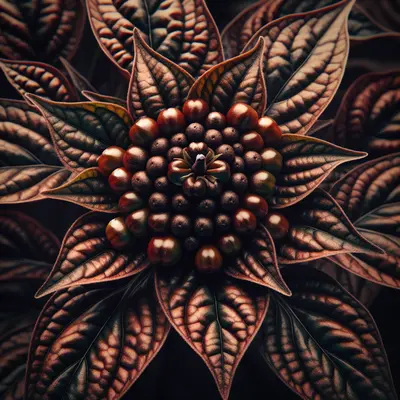
A stunning sweet pepper that ripens to a rich chocolate-brown color, making it a true conversation starter in the garden and kitchen. Despite its dark appearance, the flavor is exceptionally sweet and fruity with thick, crisp walls perfect for fresh eating. This unique variety adds both visual interest and gourmet flavor to any pepper collection.
Harvest
70-80d
Days to harvest
Sun
Full sun
Zones
4–11
USDA hardiness
Height
1-3 feet
Planting Timeline
Showing dates for Sweet Pepper 'Chocolate Beauty' in USDA Zone 7
All Zone 7 pepper →Zone Map
Click a state to update dates
Sweet Pepper 'Chocolate Beauty' · Zones 4–11
Growing Details
Complete Growing Guide
The 70-80 day maturity of Chocolate Beauty makes it ideal for starting indoors 6-8 weeks before your last frost, as this timeline ensures plants reach mature size before setting fruit in peak summer heat. This cultivar develops best in consistently warm soil (70-85°F) and benefits from afternoon shade in extremely hot climates, which prevents the chocolate skin from developing sunscald. Unlike lighter peppers, the dark fruit color can mask ripeness, so harvest when peppers feel firm and glossy rather than relying on visual cues alone. The thick-walled structure makes these peppers less prone to sunscald and blossom-end rot than thinner varieties, though consistent watering remains essential. Watch for spider mites in hot, dry conditions, as this variety attracts them more readily than standard green peppers. Pinch the first flowers when plants reach 12 inches tall to encourage bushier growth and larger fruit production later in the season.
Light: Full sun (6 or more hours of direct sunlight a day). Soil: Clay, High Organic Matter, Loam (Silt), Sand. Soil pH: Acid (<6.0), Alkaline (>8.0), Neutral (6.0-8.0). Drainage: Good Drainage. Height: 1 ft. 0 in. - 3 ft. 8 in.. Spread: 0 ft. 6 in. - 1 ft. 0 in.. Spacing: 12 inches-3 feet. Growth rate: Medium. Maintenance: Low. Propagation: Seed. Regions: Coastal, Mountains, Piedmont.
Harvesting
Harvest Chocolate Beauty peppers when they achieve their signature rich chocolate-brown color and reach full size, typically 3-4 inches long, as this indicates peak sweetness and flavor development. The skin should feel firm and glossy to the touch, with a slight give when gently squeezed. For continuous harvests throughout the season, pick mature peppers regularly using pruning shears to encourage additional fruit production rather than waiting for all peppers to ripen simultaneously. A critical timing tip: harvest in early morning after dew dries but before afternoon heat peaks, as this preserves the pepper's crisp texture and maximum sugar content for the best eating experience.
Fruits are a non-pulpy berry and vary considerably across cultivars. Some are long, thin, bright red, and spicy; others are thick, large, and sweet-tasting; others still are small and in ornamental shapes and colors, grown as decoration.
Color: Black, Gold/Yellow, Green, Orange, Red/Burgundy. Type: Berry. Length: 1-3 inches. Width: < 1 inch.
Garden value: Edible, Good Dried, Showy
Harvest time: Summer
Edibility: Fruits edible, but spiciness is unpredictable in intensity.
Storage & Preservation
Store freshly harvested 'Chocolate Beauty' peppers in the refrigerator at 45–50°F with 90–95% humidity, ideally in a perforated plastic bag in the crisper drawer. Whole peppers will keep for 2–3 weeks under these conditions. For longer preservation, freeze diced peppers raw on a sheet tray before bagging, which works well for roasting and cooking applications but sacrifices crispness for fresh eating. Roasting and freezing in oil is particularly suited to this variety's mild, sweet character—the heat intensifies the natural sugars while the dark skin chars attractively. You can also dry whole peppers slowly in an oven at 170°F or a dehydrator until brittle, then grind into powder for seasoning blends. Canning is possible using standard hot-pack methods, though the peppers soften considerably. For short-term storage before use, simply keep them at cool room temperature away from ethylene-producing fruits like apples.
History & Origin
While specific breeder attribution and introduction date for 'Chocolate Beauty' remain undocumented in major pepper breeding records, this variety belongs to the lineage of ornamental-edible sweet peppers developed primarily through seed company selection and amateur gardener cultivation in the late 20th century. The chocolate-brown coloration emerges from recessive genes present in Capsicum annuum germplasm, likely selected and stabilized by commercial seed producers seeking novel pepper colors for home gardeners. The variety represents a broader breeding trend toward visually striking sweet peppers with reliable flavor profiles, though its exact origin—whether from a formal university program, private seed company, or dedicated pepper enthusiast—remains unclear in available horticultural documentation.
Origin: Tropical North and South America
Advantages
- +Stunning chocolate-brown color makes 'Chocolate Beauty' visually striking in gardens.
- +Exceptionally sweet and fruity flavor with thick, crisp walls for eating.
- +Moderate growing difficulty makes this variety accessible to most gardeners.
- +Relatively quick maturation in 70-80 days rewards patient growers fairly rapidly.
Considerations
- -Susceptible to bacterial spot, powdery mildew, and blossom end rot issues.
- -Attracts multiple pests including aphids, spider mites, and pepper weevils consistently.
- -Dark coloration may make pest detection and fruit visibility more challenging.
Companion Plants
Basil fills space at the base of pepper plants without competing for root depth, and it's said to confuse aphids and thrips — the evidence is thin, but you come out ahead on basil either way. French marigolds (Tagetes patula) are worth more than their reputation: the thiophenes their roots release suppress root-knot nematodes over a full season, which adds up if you're running the same bed year after year. Keep fennel well clear — it's allelopathic and will stunt nearby vegetables. And plant 'Chocolate Beauty' at least 300 feet from any hot peppers: NC State Extension confirms that insect cross-pollination can deposit capsaicin genes into the current season's sweet pepper fruit, so your "sweet" pepper ends up with heat you didn't plant for.
Plant Together
Basil
Repels aphids, spider mites, and thrips while potentially improving pepper flavor
Marigold
Deters nematodes, aphids, and whiteflies with natural compounds
Tomato
Similar growing requirements and can share space efficiently
Oregano
Repels cucumber beetles and provides ground cover to retain soil moisture
Parsley
Attracts beneficial insects like hoverflies that prey on pepper pests
Carrots
Deep taproot improves soil structure without competing for nutrients
Nasturtium
Acts as trap crop for aphids and cucumber beetles
Chives
Repels aphids and may improve pepper growth and flavor
Keep Apart
Fennel
Produces allelopathic compounds that inhibit pepper growth and development
Black Walnut
Releases juglone toxin that causes stunting and wilting in pepper plants
Brassicas
Compete heavily for nutrients and may stunt pepper growth through root competition
Nutrition Facts
Per 100g serving. % Daily Value based on 2,000 calorie diet. Source: USDA FoodData Central (FDC #169394)
Pests & Disease Resistance
Resistance
Good resistance to tobacco mosaic virus
Common Pests
Aphids, cutworms, pepper weevil, spider mites
Diseases
Bacterial spot, blossom end rot, powdery mildew
Troubleshooting Sweet Pepper 'Chocolate Beauty'
What you'll see, why it happens, and what to do about it.
Sunken, leathery brown or black patch on the bottom — or side — of the fruit, sometimes with secondary mold growing over it
Likely Causes
- Blossom end rot — localized calcium deficiency in the developing fruit, as NC State Extension describes
- Inconsistent watering or drought stress blocking calcium uptake even when calcium is present in the soil
- High ammonium-nitrogen fertilizer salts competing with calcium movement into the fruit
What to Do
- 1.Water consistently at 1 to 2 inches per week — a single dry spell mid-season is enough to trigger a whole flush of affected fruit
- 2.Lay mulch around plants before dry spells hit, ideally by blooming time, to buffer soil moisture swings
- 3.Back off high-nitrogen synthetic fertilizers once plants are flowering; switch to a balanced amendment and confirm soil pH sits between 6.2 and 6.8 so calcium stays available
Small water-soaked spots on leaves and fruit that darken and go rough or scabby — appearing after a stretch of wet, warm weather
Likely Causes
- Bacterial spot (Xanthomonas campestris pv. vesicatoria) — spreads quickly through rain splash and overhead irrigation
- Handling plants while foliage is wet, moving bacteria from plant to plant on hands and tools
What to Do
- 1.Pull and bag — don't compost — any heavily infected leaves and fruit immediately
- 2.Switch to drip irrigation or water at the base only; keeping foliage dry cuts transmission significantly
- 3.Rotate peppers and other nightshades (tomatoes, eggplant, potatoes) out of that bed for at least 2 seasons — NC State Extension's disease management guidance calls this out specifically for the nightshade family
Clusters of tiny soft-bodied insects on new growth and the undersides of leaves; leaves curling inward or coated with sticky honeydew
Likely Causes
- Aphids — green peach aphid (Myzus persicae) is the most common offender on peppers; populations double fast on plants pushed with excess nitrogen
- Absence of predatory insects (lacewings, lady beetles) in gardens that get sprayed heavily with broad-spectrum pesticides
What to Do
- 1.Hit them with a firm stream of water first — on infestations caught early, this alone knocks populations back without any product
- 2.Apply insecticidal soap or neem oil directly to leaf undersides; repeat every 5 to 7 days until the population collapses
- 3.Dial back nitrogen fertilizer — the lush, soft new growth that results is exactly what aphids seek out
Frequently Asked Questions
How long does Chocolate Beauty pepper take to grow?▼
Can you grow Chocolate Beauty peppers in containers?▼
What does Chocolate Beauty pepper taste like?▼
Is Chocolate Beauty pepper good for beginners?▼
When should I plant Chocolate Beauty pepper seeds?▼
Why are my Chocolate Beauty peppers not turning brown?▼
Zone-by-Zone Planting Calendar
| Zone | Indoor Start | Transplant | Direct Sow | Harvest |
|---|---|---|---|---|
| Zone 1 | May – May | July – August | — | October – August |
| Zone 2 | April – May | June – July | — | September – September |
| Zone 11 | January – January | January – February | — | April – June |
| Zone 12 | January – January | January – February | — | April – June |
| Zone 13 | January – January | January – February | — | April – June |
| Zone 3 | April – April | June – July | — | September – October |
| Zone 4 | March – April | June – June | — | August – October |
| Zone 5 | March – March | May – June | — | August – October |
| Zone 6 | March – March | May – June | — | August – October |
| Zone 7 | February – March | April – May | — | July – September |
| Zone 8 | February – February | April – May | — | July – September |
| Zone 9 | January – January | March – April | — | June – August |
| Zone 10 | January – January | February – March | — | May – July |
Growing Guides from Wind River Greens
Sources & References
External authority sources used in compiling this guide.
See the Methodology page for how this data is sourced, what's AI-assisted, and known limitations.
More Peppers
Carolina Reaper
Sweet Pepper 'Carmen'
Ghost Pepper 'Bhut Jolokia'
Scotch Bonnet 'Scotch Bonnet Orange'
Chocolate Habanero
Sweet Italian Pepper 'Marconi Rosso'
Purple Beauty Bell Pepper
Mad Hatter