Hot Pepper 'Jalapeño M'
Capsicum annuum 'Jalapeño M'
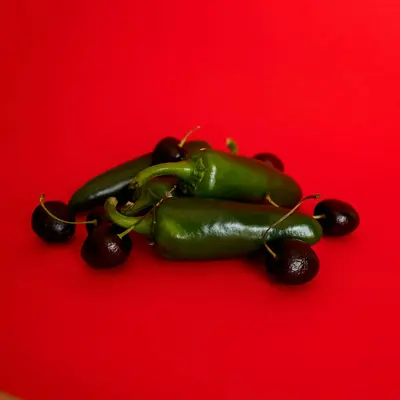
The improved version of America's most popular hot pepper, bred for consistent size, earlier maturity, and reliable heat levels. These classic jalapeños deliver the perfect balance of moderate heat and fresh pepper flavor that makes them indispensable in kitchens everywhere. Heavy-producing plants ensure you'll have plenty for fresh salsas, stuffing, and pickling all season long.
Harvest
65-75d
Days to harvest
Sun
Full sun
Zones
4–11
USDA hardiness
Height
1-3 feet
Planting Timeline
Showing dates for Hot Pepper 'Jalapeño M' in USDA Zone 7
All Zone 7 pepper →Zone Map
Click a state to update dates
Hot Pepper 'Jalapeño M' · Zones 4–11
Growing Details
Complete Growing Guide
The 'Jalapeño M' cultivar's 65-75 day maturity makes it ideal for shorter growing seasons, but starting seeds indoors 8-10 weeks before your last frost ensures robust transplants that produce heavily throughout summer. This variety thrives in full sun with consistently warm soil (70-85°F) and well-draining, fertile ground rich in organic matter. Unlike generic jalapeños, 'Jalapeño M' was specifically bred to resist the stretching and leggy growth common in high-heat environments, though providing afternoon shade in regions exceeding 95°F prevents stress and fruit scalding. Watch for spider mites during hot, dry spells and monitor for anthracnose in humid conditions by ensuring adequate air circulation. The cultivar's compact 1-3 foot habit makes it container-friendly; plant one jalapeño per 5-gallon pot for consistent yields. A practical tip: pinch off the first flowers when plants are 6-8 inches tall to redirect energy into strong branching, resulting in exponentially more peppers by mid-season.
Light: Full sun (6 or more hours of direct sunlight a day). Soil: Clay, High Organic Matter, Loam (Silt), Sand. Soil pH: Acid (<6.0), Alkaline (>8.0), Neutral (6.0-8.0). Drainage: Good Drainage. Height: 1 ft. 0 in. - 3 ft. 8 in.. Spread: 0 ft. 6 in. - 1 ft. 0 in.. Spacing: 12 inches-3 feet. Growth rate: Medium. Maintenance: Low. Propagation: Seed. Regions: Coastal, Mountains, Piedmont.
Harvesting
Jalapeño M peppers reach peak harvest when they transition from green to dark green or red, typically measuring 2.5 to 3 inches long with a firm, waxy skin that yields slightly to gentle pressure. For maximum yield, practice continuous harvesting by picking mature peppers every 3-5 days rather than waiting for a single harvest, which encourages the plant to produce more fruit throughout the season. Time your main harvest in early morning when peppers are crisp and fully hydrated, making them easier to detach from the plant and ensuring superior flavor and texture for fresh use or preservation.
Fruits are a non-pulpy berry and vary considerably across cultivars. Some are long, thin, bright red, and spicy; others are thick, large, and sweet-tasting; others still are small and in ornamental shapes and colors, grown as decoration.
Color: Black, Gold/Yellow, Green, Orange, Red/Burgundy. Type: Berry. Length: 1-3 inches. Width: < 1 inch.
Garden value: Edible, Good Dried, Showy
Harvest time: Summer
Edibility: Fruits edible, but spiciness is unpredictable in intensity.
Storage & Preservation
Fresh jalapeños keep best at 45–50°F with 90–95% humidity, ideally in perforated plastic bags within a refrigerator's crisper drawer, where they'll last 2–3 weeks. For longer storage, several methods work well. Freezing is quickest: wash, dry, and freeze whole or sliced on a tray before bagging. Drying concentrates heat and flavor—hang in bundles in a warm, airy space or use a dehydrator at 135°F until brittle. Pickling is popular for preserving the fresh bite; pack halved or whole peppers with vinegar, spices, and garlic in sterilized jars. Fermentation develops complexity: layer with salt in jars to draw out juice, then cover and ferment for weeks before refrigerating. For this variety's bright flavor, avoid long-term canning if you want to preserve that fresh pepper taste; freezing or pickling better maintains the characteristic snap and moderate heat that makes jalapeños excellent for salsas and fresh preparations.
History & Origin
The Jalapeño M represents a modern improvement within the jalapeño breeding lineage, though specific breeder attribution and introduction year remain undocumented in readily available sources. This cultivar belongs to the broader domestication history of Capsicum annuum, which originated in Mesoamerica and was selectively bred for centuries before European contact. The "M" designation likely indicates a specific seed company's proprietary selection or breeding line focused on commercial cultivation traits. Contemporary jalapeño breeding programs, particularly those operated by major American seed companies and agricultural research institutions, have consistently developed improved varieties emphasizing uniform maturity, consistent pod size, and predictable heat levels to meet commercial kitchen and home gardener demands.
Origin: Tropical North and South America
Advantages
- +Consistent size and earlier maturity make 'Jalapeño M' reliable for commercial and home growers.
- +Heavy production ensures abundant peppers for fresh salsas, stuffing, and pickling throughout season.
- +Moderate heat level with bright flavor appeals to wider audience than super-hot varieties.
- +Easy growing difficulty makes this improved cultivar ideal for beginner gardeners.
- +65-75 day maturity allows multiple harvests in shorter growing seasons.
Considerations
- -Susceptible to bacterial spot, blossom end rot, and mosaic virus requiring preventive care.
- -Multiple pest pressures including aphids, spider mites, and thrips demand regular monitoring.
- -Popular variety may be harder to source during peak growing season demand.
Companion Plants
Basil and marigolds are the two worth actually planting near jalapeños. Basil's volatile oils seem to confuse soft-bodied insects like aphids and thrips — not a silver bullet, but useful at 12–18 inches apart tucked between rows. French marigolds (Tagetes patula specifically) suppress soil nematodes and pull in predatory insects that go after spider mites. Onions and carrots fill in the understory without competing hard for water; their root depths don't tangle much with pepper roots, so you're not robbing the plants of anything.
Fennel releases allelopathic compounds from its roots that suppress nearby plant growth — keep it out of the pepper bed entirely, not just adjacent to it. Beans are a subtler problem: they fix nitrogen, which sounds fine, but a nitrogen spike mid-season pushes vegetative growth at the expense of fruit set on peppers. One more thing worth knowing: NC State Extension points out that hot and sweet peppers cross-pollinate readily via insects, and capsaicin is a dominant gene — so if your jalapeños are flowering within a few rows of sweet peppers, those sweet peppers can end up with real heat in the seeds.
Plant Together
Basil
Repels aphids, spider mites, and thrips while potentially enhancing pepper flavor
Tomatoes
Share similar growing conditions and can help deter each other's pests
Oregano
Repels aphids and spider mites while attracting beneficial insects
Carrots
Helps break up soil and doesn't compete for nutrients at the same level
Onions
Repel aphids, spider mites, and other pests that commonly attack peppers
Marigolds
Deter nematodes, aphids, and whiteflies with their strong scent
Parsley
Attracts beneficial insects like hoverflies that prey on pepper pests
Nasturtiums
Act as trap crops for aphids and cucumber beetles
Keep Apart
Fennel
Produces allelopathic compounds that inhibit growth of peppers and most vegetables
Beans
Can shade peppers and compete for nutrients, potentially reducing pepper yields
Brassicas
Heavy feeders that compete for nutrients and may stunt pepper growth
Nutrition Facts
Per 100g serving. % Daily Value based on 2,000 calorie diet. Source: USDA FoodData Central (FDC #168576)
Pests & Disease Resistance
Resistance
Improved disease resistance over standard jalapeños
Common Pests
Aphids, pepper maggot, spider mites, thrips
Diseases
Bacterial spot, blossom end rot, mosaic virus
Troubleshooting Hot Pepper 'Jalapeño M'
What you'll see, why it happens, and what to do about it.
Sunken, leathery dark patch on the side or bottom of the fruit — sometimes with gray mold growing over it
Likely Causes
- Blossom end rot — localized calcium deficiency in the developing fruit
- Inconsistent watering causing calcium uptake to stall
- High ammonium-nitrogen fertilizer salts blocking calcium availability
What to Do
- 1.Water consistently — 1 to 1.5 inches per week; let it dry out and you'll see this every time
- 2.Get a soil test before throwing calcium at the problem; if pH is already 6.2–7.0 and calcium is adequate, the fix is irrigation, not amendments
- 3.Switch to a lower-ammonium nitrogen source, or back off heavy fertilizing mid-season when fruit is sizing up
Small water-soaked spots on leaves or fruit that turn brown and scabby, sometimes with a yellow halo — showing up in wet weather
Likely Causes
- Bacterial spot (Xanthomonas campestris pv. vesicatoria) — spreads fast in warm, rainy conditions
- Overhead irrigation splashing bacteria from soil or infected debris onto foliage
What to Do
- 1.Remove and bag heavily infected leaves; don't compost them
- 2.Switch to drip irrigation or water at the base — keeping foliage dry cuts spread significantly
- 3.Apply copper-based bactericide at first sign; it won't cure infected tissue but slows new spread — reapply after rain
Leaves mottled yellow-green or mosaic-patterned, new growth distorted or stunted, no improvement with fertilizing
Likely Causes
- Pepper mosaic virus (PeMV) or Cucumber mosaic virus (CMV) — both transmitted by aphids
- Aphid pressure spreading virus from nearby infected plants
What to Do
- 1.Pull and bag infected plants — there's no cure, and they're a reservoir infecting the rest of the bed
- 2.Control aphids with insecticidal soap spray, hitting undersides of leaves where they cluster
- 3.Next season, lay reflective silver mulch early — it disorients incoming aphids and measurably cuts early virus spread
Frequently Asked Questions
How long does Jalapeño M take to grow from seed to harvest?▼
Can you grow Jalapeño M in containers?▼
Is Jalapeño M good for beginners?▼
What's the difference between Jalapeño M and regular jalapeños?▼
When should I plant Jalapeño M seeds?▼
How hot is Jalapeño M compared to other peppers?▼
Zone-by-Zone Planting Calendar
| Zone | Indoor Start | Transplant | Direct Sow | Harvest |
|---|---|---|---|---|
| Zone 3 | April – April | June – July | — | August – October |
| Zone 4 | March – April | June – June | — | August – October |
| Zone 5 | March – March | May – June | — | August – October |
| Zone 6 | March – March | May – June | — | July – September |
| Zone 7 | February – March | April – May | — | July – September |
| Zone 8 | February – February | April – May | — | June – August |
| Zone 9 | January – January | March – April | — | May – July |
| Zone 10 | January – January | February – March | — | May – July |
| Zone 1 | May – May | July – August | — | September – August |
| Zone 2 | April – May | June – July | — | September – September |
| Zone 11 | January – January | January – February | — | April – June |
| Zone 12 | January – January | January – February | — | April – June |
| Zone 13 | January – January | January – February | — | April – June |
Growing Guides from Wind River Greens
Sources & References
External authority sources used in compiling this guide.
See the Methodology page for how this data is sourced, what's AI-assisted, and known limitations.
More Peppers
Carolina Reaper
Sweet Pepper 'Carmen'
Ghost Pepper 'Bhut Jolokia'
Scotch Bonnet 'Scotch Bonnet Orange'
Chocolate Habanero
Sweet Italian Pepper 'Marconi Rosso'
Purple Beauty Bell Pepper
Mad Hatter