Sweet Pepper 'King Arthur'
Capsicum annuum 'King Arthur'
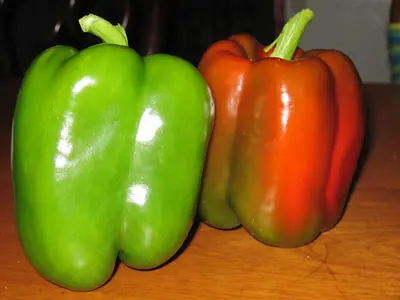
A premium hybrid bell pepper that produces enormous, blocky fruits with incredibly thick walls and exceptional sweetness. This variety consistently wins taste tests among gardeners for its crisp texture and superior flavor that develops even more complexity when roasted. 'King Arthur' sets the gold standard for homegrown bell peppers with its reliable production and restaurant-quality results.
Harvest
70-75d
Days to harvest
Sun
Full sun
Zones
4–11
USDA hardiness
Height
1-3 feet
Planting Timeline
Showing dates for Sweet Pepper 'King Arthur' in USDA Zone 7
All Zone 7 pepper →Zone Map
Click a state to update dates
Sweet Pepper 'King Arthur' · Zones 4–11
Growing Details
Succession Planting
King Arthur sets fruit continuously through the season, so a single well-timed transplant is all you need. Start seeds indoors 10–12 weeks before your last frost date — that's late January to early February in zone 7 — and move them out in late April to May once nighttime lows are reliably above 55°F. One planting will carry you from July through September without any staggering.
If you want to push the harvest deeper into fall, a second round started in late March and transplanted out in late May can pick up where the first planting fades in August heat. UGA's vegetable garden calendar recommends getting mulch down around peppers by blooming time — do that with both rounds to hold soil moisture and reduce the blossom-end-rot risk during dry spells.
Complete Growing Guide
'King Arthur' demands consistent warmth and will underperform in cool springs, so delay transplanting until soil reaches 65°F and nighttime temperatures stay above 55°F to prevent flower drop and stunted growth. This hybrid's massive fruits require robust nutrient support—feed every two weeks with a balanced fertilizer once flowering begins, as nitrogen deficiency will limit the thick-walled fruit development this variety is prized for. The dense foliage can trap moisture and increase susceptibility to fungal diseases like powdery mildew; ensure adequate spacing (18–24 inches apart) and morning watering at soil level rather than overhead. While generally pest-resistant, spider mites thrive in hot, dry conditions, so maintain consistent soil moisture during peak summer heat. A practical approach: prune the first flower clusters to encourage robust plant architecture before allowing full fruit set, yielding larger fruits by season's end rather than numerous smaller peppers.
Light: Full sun (6 or more hours of direct sunlight a day). Soil: Clay, High Organic Matter, Loam (Silt), Sand. Soil pH: Acid (<6.0), Alkaline (>8.0), Neutral (6.0-8.0). Drainage: Good Drainage. Height: 1 ft. 0 in. - 3 ft. 8 in.. Spread: 0 ft. 6 in. - 1 ft. 0 in.. Spacing: 12 inches-3 feet. Growth rate: Medium. Maintenance: Low. Propagation: Seed. Regions: Coastal, Mountains, Piedmont.
Harvesting
'King Arthur' peppers reach peak harvest when they achieve their characteristic deep red color and blocky shape with thick, firm walls that feel substantial and waxy to the touch. While these peppers can be harvested at the green stage, waiting for full color development unlocks their exceptional sweetness and complex flavor profile. Employ continuous harvesting by removing mature fruits regularly throughout the season, which encourages the plant to produce additional blooms and extend your yield. For optimal results, harvest in early morning when peppers are fully hydrated and crisp, using sharp pruners to cut rather than pull the fruit to avoid damaging the plant's branches.
Fruits are a non-pulpy berry and vary considerably across cultivars. Some are long, thin, bright red, and spicy; others are thick, large, and sweet-tasting; others still are small and in ornamental shapes and colors, grown as decoration.
Color: Black, Gold/Yellow, Green, Orange, Red/Burgundy. Type: Berry. Length: 1-3 inches. Width: < 1 inch.
Garden value: Edible, Good Dried, Showy
Harvest time: Summer
Edibility: Fruits edible, but spiciness is unpredictable in intensity.
Storage & Preservation
Harvest Sweet Pepper 'King Arthur' peppers when fully mature and deeply colored for best storage potential. Store fresh peppers in a plastic bag in your refrigerator's crisper drawer at 45–50°F with 90–95% humidity; they'll keep for two to three weeks. For longer preservation, freezing works exceptionally well—simply dice or slice the peppers raw, spread on a tray to freeze individually, then transfer to freezer bags for up to eight months. Roasting and freezing intensifies their natural sweetness and works beautifully for later use in soups and stir-fries. Canning is also viable using tested hot pack methods, though some gardeners prefer drying thick-walled varieties like this one for concentrated flavor in winter cooking. Because 'King Arthur' has thicker, meatier walls than many sweet pepper varieties, it dries more successfully than thinner-skinned types—slice lengthwise, dry in a dehydrator at 135°F for 12–16 hours, and store in airtight containers away from light.
History & Origin
Sweet Pepper 'King Arthur' emerged from modern hybrid breeding programs focused on developing premium bell peppers with enhanced fruit quality and consistent productivity. While specific breeder attribution and introduction year remain difficult to verify in available horticultural records, this variety represents the continuation of Capsicum annuum breeding work emphasizing thick-walled, high-yielding cultivars that appeal to discerning home gardeners. The variety name suggests deliberate marketing positioning as a superior or "noble" pepper variety, following common seed industry naming conventions. Its characteristics align with contemporary hybrid breeding goals dating to late twentieth-century pepper improvement programs, though detailed pedigree documentation is limited in public horticultural literature.
Origin: Tropical North and South America
Advantages
- +Exceptional sweetness and crisp texture make 'King Arthur' win taste tests consistently.
- +Thick-walled, blocky fruits develop complex flavors when roasted or cooked.
- +Reliable production delivers restaurant-quality bell peppers for home gardeners.
- +Medium maturity at 70-75 days allows reasonable harvests in shorter seasons.
- +Premium hybrid vigor ensures dependable performance across varied growing conditions.
Considerations
- -Susceptible to bacterial spot and anthracnose in humid or wet climates.
- -Pepper weevils and spider mites require vigilant pest monitoring and management.
- -Higher seed costs typical of premium hybrids increase initial growing expenses.
- -Moderate difficulty level means less suitable for complete beginner gardeners.
Companion Plants
Basil pulls its weight here, though maybe not for the reason you've heard. The aromatic oils in basil — linalool and eugenol — are thought to interfere with how aphids and thrips locate host plants by scent. The evidence on that is mixed. What's less debatable: basil tops out at 18–24 inches, matches King Arthur's water needs almost exactly, and won't shade it out. They're genuinely compatible neighbors, not just a folklore pairing. French marigolds (Tagetes patula) are worth a border planting for a different reason entirely — their roots produce alpha-terthienyl, a compound that suppresses root-knot nematodes in the soil, and the flowers attract parasitic wasps that prey on aphid colonies. One plant at the end of a row won't do much; a continuous 12-inch border actually changes the soil biology underneath. Onions and carrots work at the other end of the size scale — onions push sulfur compounds that deter aphids and spider mites, and carrots stay shallow enough that their roots don't compete with pepper roots for calcium and moisture.
Keep fennel completely out of the vegetable garden — it's allelopathic to most vegetables and will stunt whatever's growing within a few feet of it. Brassicas are a subtler problem: cabbage, broccoli, and kale are heavy feeders with high calcium and nitrogen demand, and crowding them against King Arthur sets up exactly the kind of nutrient competition that tips a borderline plant into blossom end rot. One more thing worth knowing, straight from NC State Extension: don't plant King Arthur within pollination distance of hot peppers. Capsaicin dominance means insect cross-pollination can load the seeds of your sweet pepper with heat — and occasionally the flesh itself picks it up too.
Plant Together
Basil
Repels aphids, spider mites, and thrips while potentially improving pepper flavor
Tomatoes
Share similar growing conditions and pest management, can be grown together efficiently
Marigolds
Repel nematodes, aphids, and whiteflies while attracting beneficial insects
Oregano
Deters pests like aphids and spider mites with its strong aromatic oils
Carrots
Help break up soil for pepper roots and don't compete for the same nutrients
Onions
Repel aphids, thrips, and other soft-bodied insects that damage peppers
Parsley
Attracts beneficial insects like hoverflies and parasitic wasps that control pepper pests
Nasturtiums
Act as trap crop for aphids and cucumber beetles while repelling squash bugs
Keep Apart
Fennel
Releases allelopathic compounds that inhibit growth of peppers and most vegetables
Black Walnut
Produces juglone toxin that causes wilting and stunted growth in peppers
Brassicas
Compete heavily for nutrients and may stunt pepper growth through root competition
Apricot Trees
Can harbor verticillium wilt which easily spreads to peppers and causes plant death
Nutrition Facts
Per 100g serving. % Daily Value based on 2,000 calorie diet. Source: USDA FoodData Central (FDC #169394)
Pests & Disease Resistance
Resistance
Resistant to tobacco mosaic virus
Common Pests
Aphids, spider mites, pepper weevils, cutworms
Diseases
Bacterial spot, anthracnose, pepper mild mottle virus
Troubleshooting Sweet Pepper 'King Arthur'
What you'll see, why it happens, and what to do about it.
Sunken, water-soaked lesions on fruit that turn dark or leathery — usually at the blossom end but sometimes on the side
Likely Causes
- Blossom end rot caused by localized calcium deficiency in the developing fruit
- Inconsistent watering — letting the soil dry out and then soaking it disrupts calcium uptake
- High ammonium nitrogen fertilizer, which competes with calcium absorption
What to Do
- 1.Water consistently — 1 to 1.5 inches per week — and mulch heavily to hold soil moisture between rains
- 2.Get a soil test before adding calcium amendments; if pH is already near 6.5–7.0, calcium levels are probably fine and the issue is water stress
- 3.Switch to a low-ammonium or calcium-nitrate-based fertilizer if you've been heavy on synthetic nitrogen
Small, water-soaked spots on leaves and fruit that turn brown with yellow halos, appearing mid-season
Likely Causes
- Bacterial spot (Xanthomonas campestris pv. vesicatoria) — spreads fast in warm, wet weather
- Overhead irrigation or rain splash carrying bacteria from soil to foliage
What to Do
- 1.Remove and bag (don't compost) heavily infected leaves as soon as you spot them
- 2.Switch to drip irrigation or water at the base to keep foliage dry
- 3.Rotate peppers and other nightshades — tomatoes, eggplant, potatoes — out of that bed for at least 2 seasons; NC State Extension's organic gardening guidance notes that rotation breaks soil-borne disease cycles
Distorted new growth, sticky residue on leaves, and stunted plants — sometimes with a sooty black coating developing on the stickiness
Likely Causes
- Aphid colonies (commonly green peach aphid, Myzus persicae) congregating on new growth and leaf undersides
- Spider mites (Tetranychus urticae) in hot, dry stretches — look for fine webbing and stippled leaf surfaces
What to Do
- 1.Knock aphids off with a firm stream of water; repeat every 2–3 days until populations drop
- 2.For spider mites, spray the undersides of leaves with insecticidal soap — that's where they live, not on top
- 3.Border the bed with marigolds or nasturtiums as a trap crop; check them weekly and pull heavily infested plants before populations spread inward
Frequently Asked Questions
How long does King Arthur pepper take to grow from seed?▼
Can you grow King Arthur peppers in containers?▼
What does King Arthur pepper taste like compared to store-bought peppers?▼
Is King Arthur pepper good for beginners?▼
When should I plant King Arthur pepper seeds?▼
Do King Arthur peppers need support or staking?▼
Zone-by-Zone Planting Calendar
| Zone | Indoor Start | Transplant | Direct Sow | Harvest |
|---|---|---|---|---|
| Zone 3 | April – April | June – July | — | August – October |
| Zone 4 | March – April | June – June | — | August – October |
| Zone 5 | March – March | May – June | — | August – October |
| Zone 6 | March – March | May – June | — | July – September |
| Zone 7 | February – March | April – May | — | July – September |
| Zone 8 | February – February | April – May | — | June – August |
| Zone 9 | January – January | March – April | — | May – July |
| Zone 10 | January – January | February – March | — | May – July |
| Zone 1 | May – May | July – August | — | September – August |
| Zone 2 | April – May | June – July | — | September – September |
| Zone 11 | January – January | January – February | — | April – June |
| Zone 12 | January – January | January – February | — | April – June |
| Zone 13 | January – January | January – February | — | April – June |
Growing Guides from Wind River Greens
Sources & References
External authority sources used in compiling this guide.
See the Methodology page for how this data is sourced, what's AI-assisted, and known limitations.
More Peppers
Carolina Reaper
Sweet Pepper 'Carmen'
Ghost Pepper 'Bhut Jolokia'
Scotch Bonnet 'Scotch Bonnet Orange'
Chocolate Habanero
Sweet Italian Pepper 'Marconi Rosso'
Purple Beauty Bell Pepper
Mad Hatter