Fish Pepper
Capsicum annuum
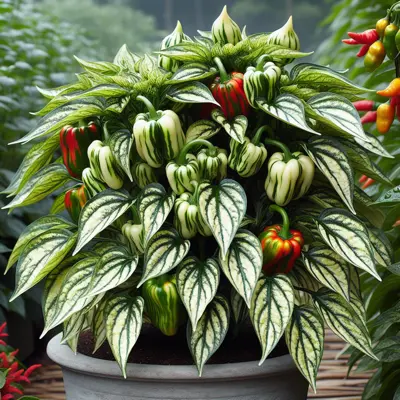
Initial color is lime green, turning to golden yellow when ripe. Excellent, sweet flavor. Medium-large fruits are mostly 3-lobed and slightly elongated.
Harvest
80-85d
Days to harvest
Sun
Full sun
Zones
4–11
USDA hardiness
Height
1-3 feet
Planting Timeline
Showing dates for Fish Pepper in USDA Zone 7
All Zone 7 pepper →Zone Map
Click a state to update dates
Fish Pepper · Zones 4–11
Growing Details
Complete Growing Guide
Fish Pepper matures relatively quickly at 80-85 days, so start seeds 6-8 weeks before your last frost date to maximize production before season's end. This cultivar thrives in warm, consistent temperatures above 70°F and prefers slightly more nitrogen than other peppers to support its vigorous 1-3 foot growth habit, which can become lanky if light is insufficient. Watch closely for spider mites and aphids, which are attracted to the plant's tender foliage; increase air circulation to prevent infestations. Fish Pepper's thin-walled fruits are more prone to sunscald in extreme heat, so provide afternoon shade in regions exceeding 95°F. For best results, pinch the main stem when plants reach 6 inches tall to encourage bushier growth and higher yields of those distinctive 3-lobed fruits. Harvest at the golden-yellow stage for optimal sweetness and citrus flavor.
Light: Full sun (6 or more hours of direct sunlight a day). Soil: Clay, High Organic Matter, Loam (Silt), Sand. Soil pH: Acid (<6.0), Alkaline (>8.0), Neutral (6.0-8.0). Drainage: Good Drainage. Height: 1 ft. 0 in. - 3 ft. 8 in.. Spread: 0 ft. 6 in. - 1 ft. 0 in.. Spacing: 12 inches-3 feet. Growth rate: Medium. Maintenance: Low. Propagation: Seed. Regions: Coastal, Mountains, Piedmont.
Harvesting
Fish Peppers reach peak harvest readiness when they transition from their initial lime green to a golden yellow hue, signaling full ripeness and optimal sweetness. The fruits should feel firm yet slightly yielding to gentle pressure, and medium-large specimens typically measure around three to four inches in length. These peppers can be harvested at the green stage for a sharper bite, but waiting for the yellow color develops their characteristic bright, citrus-forward flavor profile. Practice continuous harvesting by picking mature peppers regularly throughout the season, which encourages the plant to produce additional blooms rather than investing energy in seed development. A key timing tip: harvest in the early morning after dew dries, when peppers contain maximum moisture and snap cleanly from the stem.
Fruits are a non-pulpy berry and vary considerably across cultivars. Some are long, thin, bright red, and spicy; others are thick, large, and sweet-tasting; others still are small and in ornamental shapes and colors, grown as decoration.
Color: Black, Gold/Yellow, Green, Orange, Red/Burgundy. Type: Berry. Length: 1-3 inches. Width: < 1 inch.
Garden value: Edible, Good Dried, Showy
Harvest time: Summer
Edibility: Fruits edible, but spiciness is unpredictable in intensity.
Storage & Preservation
Store freshly harvested fish peppers in a paper bag or breathable container at 50-55°F with 85-90% humidity; avoid plastic, which traps moisture and promotes rot. At room temperature (65-70°F), they'll keep 5-7 days; refrigerated, expect 2-3 weeks before quality declines. For longer storage, freezing works well—simply wash, dry thoroughly, and freeze whole or sliced on a tray before transferring to freezer bags. Drying is ideal for this variety given its thin walls and bright heat; hang-dry bundles in a warm, airy space or use a dehydrator at 135°F until completely brittle, then store in airtight glass jars. Hot sauce and pickling highlight their citrus notes beautifully; fermentation also preserves them while developing complexity. Fish peppers dry exceptionally small and wrinkled, concentrating their heat—don't mistake this for spoilage. Dried whole, they rehydrate quickly for seafood applications or grinding into powder.
History & Origin
The Fish Pepper is a heirloom variety with roots in African American culinary traditions, particularly associated with the Lowcountry cuisine of coastal South Carolina and Georgia. Documentation on its specific origin is limited, though the variety appears in seed catalogs and grows within heritage seed networks focused on preserving African diaspora crops. The name likely derives from its historical use in seafood dishes of the region. While detailed breeder records remain scarce, Fish Pepper represents an important part of American vegetable heritage and has been maintained through community seed-saving practices and organizations dedicated to protecting traditional crop varieties.
Origin: Tropical North and South America
Advantages
- +Attractive color progression from lime green to golden yellow adds visual appeal
- +Medium heat with citrus notes offers bright, versatile flavor for diverse cuisines
- +Relatively quick maturation in 80-85 days suits short growing seasons
- +Medium-large fruits with distinctive 3-lobed shape provide good yields per plant
Considerations
- -Susceptible to bacterial spot and anthracnose, requiring careful disease management
- -Multiple pest vulnerabilities including aphids, spider mites, and pepper maggot damage
- -Moderate difficulty level demands more attention than beginner-friendly pepper varieties
Companion Plants
Basil and marigolds pull the most weight. Basil's volatile oils — primarily linalool and estragole — are reported to confuse aphids and thrips, and at 12 inches away it won't compete for root space. French marigolds (Tagetes patula) release thiophene compounds from their roots that suppress nematode populations; plant them at the bed edge rather than tight against the stems. Carrots and parsley are fine fillers at 6–8 inches out — they feed at a shallower depth and don't crowd the pepper roots. Fennel is a different story: it produces allelopathic compounds that actively stunt neighboring plants and has no business near this bed. Brassicas share aphid and cabbage looper pressure with peppers, so putting them adjacent just creates a pest corridor you don't want.
Plant Together
Basil
Repels aphids, spider mites, and thrips while potentially enhancing pepper flavor
Marigold
Deters nematodes, aphids, and whiteflies with natural pest-repelling compounds
Tomato
Similar growing requirements and can share support structures, both benefit from same soil conditions
Oregano
Repels cucumber beetles and provides ground cover while attracting beneficial insects
Parsley
Attracts beneficial insects like hoverflies and parasitic wasps that control pepper pests
Carrots
Deep roots improve soil structure and don't compete for surface nutrients with shallow pepper roots
Nasturtium
Acts as trap crop for aphids and cucumber beetles while attracting predatory insects
Chives
Natural aphid repellent and helps improve pepper growth and flavor
Keep Apart
Fennel
Releases allelopathic compounds that inhibit pepper growth and attracts harmful insects
Black Walnut
Produces juglone toxin that causes wilting and stunted growth in pepper plants
Brassicas
Heavy feeders that compete for nutrients and may stunt pepper growth through root competition
Nutrition Facts
Per 100g serving. % Daily Value based on 2,000 calorie diet. Source: USDA FoodData Central (FDC #169394)
Pests & Disease Resistance
Resistance
Bacterial Leaf Spot races 1-10 (Intermediate); Phytophthora Blight (Intermediate); Tobamovirus races 0 (High)
Common Pests
Aphids, spider mites, pepper maggot
Diseases
Bacterial spot, anthracnose, mosaic virus
Troubleshooting Fish Pepper
What you'll see, why it happens, and what to do about it.
Sunken, dark, leathery patch on the bottom or side of the fruit — often showing up once fruit reaches half size
Likely Causes
- Blossom end rot — localized calcium deficiency in the developing fruit
- Irregular watering or drought stress preventing calcium uptake
- High ammonium nitrogen fertilizer salts blocking calcium movement
What to Do
- 1.Water consistently — 1 inch per week — and mulch heavily before dry spells hit; UGA Extension specifically recommends mulching peppers by blooming time
- 2.Get a soil test; if calcium is actually low, work in gypsum or lime to bring pH into the 6.0–7.0 range
- 3.Back off high-nitrogen synthetic fertilizers, especially ammonium-based ones, until the problem clears
Small, water-soaked spots on leaves and fruit that turn brown with yellow halos, appearing mid-season
Likely Causes
- Bacterial spot (Xanthomonas campestris pv. vesicatoria) — spreads fast in warm, wet weather
- Overhead irrigation wetting foliage day after day
What to Do
- 1.Switch to drip irrigation or water at the base to keep foliage dry
- 2.Remove and bag heavily infected leaves — don't compost them
- 3.Rotate this bed out of nightshades (tomatoes, eggplant, potatoes) for at least 2 seasons; NC State Extension notes the whole nightshade family shares these pathogens
Leaves curling, puckering, or showing mosaic-pattern yellowing and dark green mottling on younger growth
Likely Causes
- Pepper mosaic virus or cucumber mosaic virus — both transmitted by aphids feeding on infected plants nearby
- Aphid pressure that went unmanaged early in the season
What to Do
- 1.Pull and trash infected plants immediately — there's no cure once a plant is infected
- 2.Knock aphid colonies back with a firm water spray or insecticidal soap; check the undersides of leaves where they cluster densest
- 3.Mow or pull weeds within 10 feet of the planting — broadleaf weeds are common virus reservoirs for aphid-vectored diseases
Soft, sunken, orange-to-brown spots on ripe or near-ripe fruit, sometimes with salmon-pink spore masses at the center
Likely Causes
- Anthracnose (Colletotrichum spp.) — a fungal disease that hits fruit during warm, humid stretches
- Fruit left on the plant past peak ripeness, giving Colletotrichum an easy entry point
What to Do
- 1.Harvest fish peppers on schedule at 80–85 days; don't let ripe fruit sit
- 2.Space plants at least 18 inches apart and avoid overhead watering to cut down on the humid canopy conditions the fungus loves
- 3.Don't save seed from infected fruit — the pathogen can persist on the seed coat
Frequently Asked Questions
How long does fish pepper take to grow from seed?▼
Can you grow fish pepper in containers?▼
What does fish pepper taste like?▼
Is fish pepper good for beginners?▼
Why are my fish pepper seedlings looking weak and pale?▼
When should I plant fish pepper seeds?▼
Zone-by-Zone Planting Calendar
| Zone | Indoor Start | Transplant | Direct Sow | Harvest |
|---|---|---|---|---|
| Zone 3 | April – April | June – July | — | September – October |
| Zone 4 | March – April | June – June | — | September – October |
| Zone 5 | March – March | May – June | — | August – October |
| Zone 6 | March – March | May – June | — | August – October |
| Zone 7 | February – March | April – May | — | July – September |
| Zone 8 | February – February | April – May | — | July – September |
| Zone 9 | January – January | March – April | — | June – August |
| Zone 10 | January – January | February – March | — | May – July |
| Zone 1 | May – May | July – August | — | October – August |
| Zone 2 | April – May | June – July | — | September – September |
| Zone 11 | January – January | January – February | — | April – June |
| Zone 12 | January – January | January – February | — | April – June |
| Zone 13 | January – January | January – February | — | April – June |
Growing Guides from Wind River Greens
Sources & References
External authority sources used in compiling this guide.
See the Methodology page for how this data is sourced, what's AI-assisted, and known limitations.
More Peppers
Carolina Reaper
Sweet Pepper 'Carmen'
Ghost Pepper 'Bhut Jolokia'
Scotch Bonnet 'Scotch Bonnet Orange'
Chocolate Habanero
Sweet Italian Pepper 'Marconi Rosso'
Purple Beauty Bell Pepper
Mad Hatter