Zone 10 Coverage
Planting Timeline — All Varieties
Growing Microgreens in Zone 10
Zone 10 gardeners hit the microgreen jackpot with year-round growing potential and minimal frost interference. Your 320-day growing season means you can succession plant heat-loving varieties like basil and amaranth microgreens through summer months when northern gardeners struggle, while still enjoying cool-season favorites like pea shoots and arugula during your brief winter respite. The challenge isn't cold—it's managing intense heat and humidity that can quickly turn your microgreen trays into a breeding ground for mold and bacterial issues.
Success in Zone 10 microgreen growing comes down to selecting varieties that can handle temperature swings and high humidity, plus timing your sowings to work with rather than against your climate. Heat-tolerant varieties like sunflower, radish, and mustard microgreens thrive here when you provide adequate air circulation and shade during peak summer months. The key is understanding that while you can grow microgreens year-round, your techniques need to shift dramatically between the scorching summer months and the blessed relief of winter growing season.
Variety Comparison
| Variety ↑ | Days | Difficulty |
|---|---|---|
| Alfalfa Microgreens | 6-10 | Easy |
| Amaranth Microgreens | 50 | Easy |
| Amaranth, Glitter Mix | 16-25 | Easy |
| Arugula Microgreens | 10-15 | Easy |
| Basil Microgreens | 74 | Moderate |
| Basil, Lemon | 16-25 | Easy |
| Beet Microgreens | 55 | Easy |
| Broccoli Microgreens | 7-10 | Easy |
| Buckwheat Microgreens | 8-12 | Easy |
| Cabbage Microgreens | 68 | Easy |
| Carrot | 16-25 | Easy |
| Carrot Microgreens | 16-25 | Moderate to challenging |
| Celery Microgreens | 100 | Moderate |
| Celosia | 10-15 | Easy |
| Chervil | 26-30 | Easy |
| Chia Microgreens | 7-14 | Moderate |
| Chinese Cabbage, Tokyo Bekana | 10-15 | Easy |
| Chives Microgreens | 75-85 | Moderate |
| Cilantro Microgreens | 16-25 | Moderate |
| Clover Microgreens | 8-12 | Easy to Moderate |
| Corn Microgreens | 112 | Moderate |
| Cress Microgreens | 10-15 | Very easy |
| Dandelion, Red | 16-25 | Easy |
| Dill Microgreens | 16-25 | Moderate |
| Fennel Microgreens | 50-60 | Moderate |
Variety Details
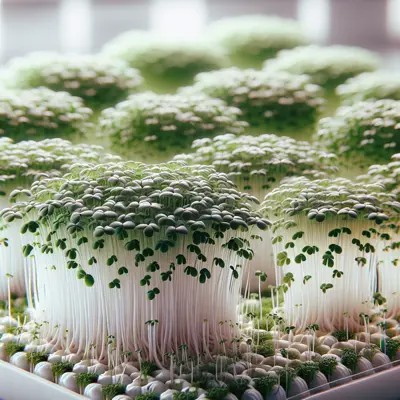
Alfalfa Microgreens
Commonly used to add flavor and texture to salads and sandwiches. One tablespoon of seed yields approx. 2-3 cups of sprouts. All of Johnny's high-germination sprouting seeds have tested negative for the presence of E. coli 0157 and Salmonella.

Amaranth Microgreens
Amaranth microgreens are delicate, tender shoots with small rounded cotyledons and fine stems that reach full harvest in 50 days. They display vibrant green coloring with a slightly purplish tinge. These microgreens are prized for their mild, earthy flavor profile with subtle sweetness and mineral undertones, making them ideal for salads, smoothies, and garnishes. Amaranth microgreens pack a nutritional punch with high levels of protein, vitamins, and minerals. Their defining characteristic is their exceptional tenderness and visual appeal, combined with easy cultivation and minimal pest pressure, making them perfect for both novice and experienced microgreen growers.
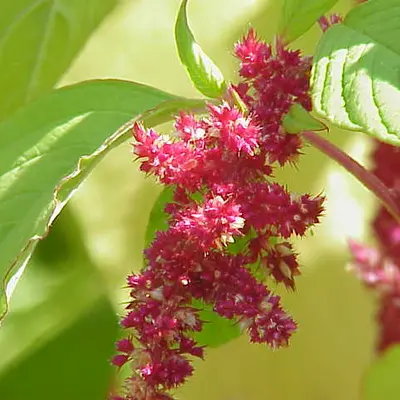
Amaranth, Glitter Mix
A beautiful combination of delicate leaves featuring glowing pink and purple stems and leaves blended with a range of copper, orange, and green tones. Even maturity and mild, earthy flavor. Varieties are subject to change depending upon availability.
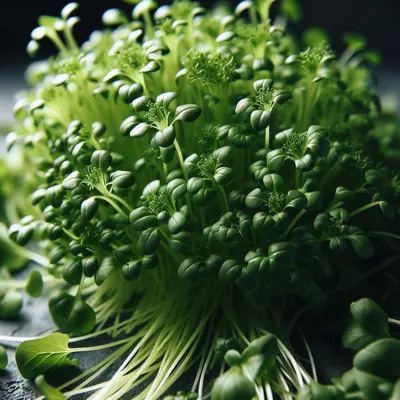
Arugula Microgreens
Arugula microgreens are delicate, tender seedlings featuring deeply lobed, emerald-green leaves with a distinctive peppery bite. Ready to harvest in 10-15 days, they develop their signature intensely spicy, nutty flavor profile while remaining at the microgreen stage. These heirloom varieties offer a concentrated version of mature arugula's peppery notes, making them ideal for garnishing salads, sandwiches, and upscale dishes. The microgreen format provides nutrient density and visual appeal in minimal space, thriving under moderate light or grow lights. Easy to cultivate in seed starting mix or coconut coir, they're an excellent choice for home growers seeking quick, flavorful greens with minimal pest concerns.
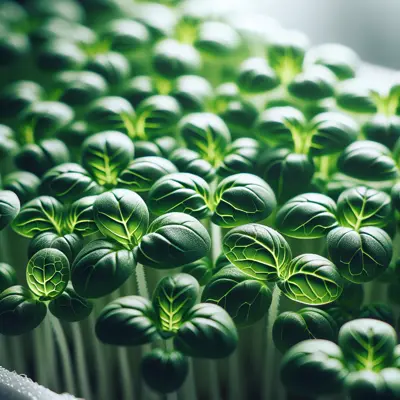
Basil Microgreens
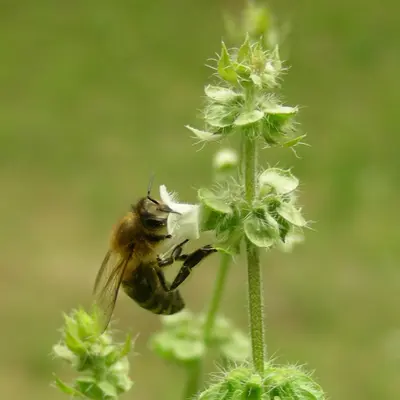
Basil Microgreens are tender young shoots harvested at 10-14 days of growth, featuring delicate green cotyledons and emerging true leaves. These heirloom microgreens mature in 10-14 days under controlled conditions (faster than the listed 74-day timeline for mature plants). Their defining characteristic is the intense basil aroma with complex sweet, peppery notes and subtle anise undertones—delivering concentrated basil flavor in miniature form. Ideal for garnishing salads, soups, pasta, and Mediterranean dishes, they add visual appeal and aromatic depth without the cooking time required for mature basil. Best grown in well-draining potting mix under full sun to partial shade (4-6+ hours daily).
Basil, Lemon
Uniform, medium-green leaves with medium texture. Use lemon basil in dishes that call for both basil flavor and a touch of zest. Also an elegant cocktail and dessert garnish. A critical ingredient in many Asian dishes, including those of Thailand, Laos, Indonesia, and the Philippines. Based on our yield trial, we recommend seeding 6.5 gm per tray at approx. 5 flats per oz of seed. Avg. days to maturity was 19 days when harvested at the first true leaf (as opposed to cotyledon) stage.
Beet Microgreens
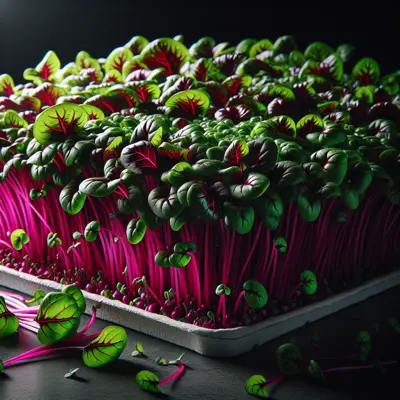
Beet microgreens are delicate seedlings featuring vibrant deep red or burgundy stems with small green cotyledon leaves, typically ready to harvest in 10-14 days of growth. These tender shoots offer a distinctive sweet and earthy flavor with mild beetroot notes, making them an excellent nutritional addition to salads, smoothie bowls, and plated dishes. The microgreens are prized for their visual appeal and subtle beet flavor that adds complexity without overwhelming delicate dishes. Easy to cultivate under grow lights or bright indirect light, they thrive in rich growing mediums and represent an efficient way to access beet's nutritional benefits in concentrated, tender form.
Broccoli Microgreens
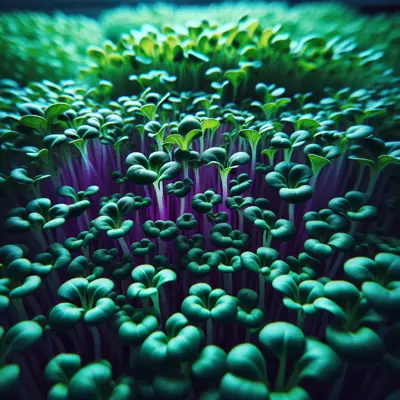
Mildly spicy broccoli flavor. One tablespoon of seed yields approx. 1-1 1/2 cups of sprouts. All of Johnny's high-germination sprouting seeds have tested negative for the presence of E. coli 0157 and Salmonella.

Buckwheat Microgreens
Buckwheat is widely grown as a grain crop, bee pasture, soil improving cover crop and as wildlife cover. It is a warm season grain which grows rapidly during the summer and several crops per year may be had with proper management. This rapid and dense growth chokes out weeds and is used in crop-free fields in rotation with vegetables. Buckwheat is often grown to attract beneficial insects and as pasture for honey bees. Sow in late May through July and till in about a month later, when flowering has begun. For grain harvest, sow 3 months before fall frost. Harvest after killing frost.
Cabbage Microgreens
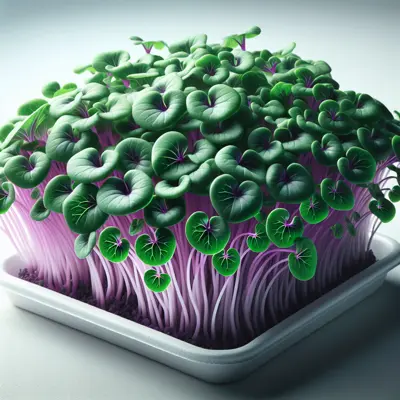
Cabbage Microgreens are tender, delicate seedlings harvested at 7-14 days, well before the 68-day full plant maturity. These vibrant green microgreens feature a mild cabbage taste with a fresh, crisp texture and subtle peppery finish. They're prized for their nutrient density and visual appeal in salads, garnishes, and culinary presentations. Easy to grow indoors using fine potting mix or coconut coir, they require 4-6+ hours of light daily. Their key differentiator is rapid harvest time compared to full-sized cabbage, making them ideal for home gardeners and chefs seeking quick, fresh-from-seed produce with concentrated nutritional value.
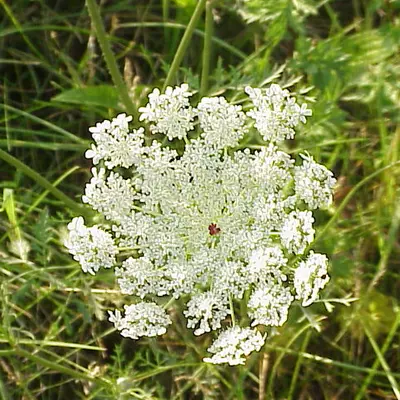
Carrot
Carrot microgreens are delicate, tender shoots harvested at 16-25 days with mild, naturally sweet carrot flavor minus earthiness. These heirloom varieties feature crisp texture and fresh taste in a compact form ideal for garnishes and salads. Fast-growing and easy to cultivate, carrot microgreens offer concentrated nutrition and distinctive flavor in just 2-3 weeks, making them perfect for home growers seeking quick harvests.
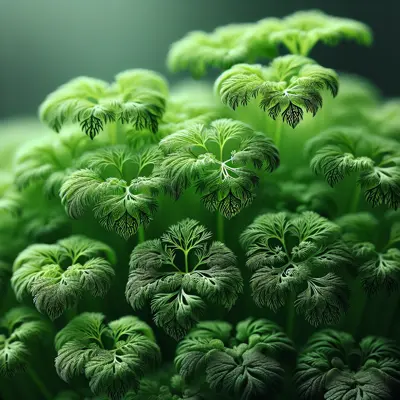
Carrot Microgreens
Carrot Microgreens are delicate, feathery seedlings harvested at 16-25 days, showcasing fine, fern-like green foliage with pale root stems. This heirloom variety offers a distinctive sweet carrot taste balanced by earthy, slightly bitter herbal notes uncommon in typical microgreens. Best grown in fine, well-draining seed starting mix under full sun to partial shade (4-6+ hours), they present a moderate to challenging cultivation difficulty but reward growers with vibrant, nutrient-dense greens perfect for garnishing and flavor complexity in dishes.
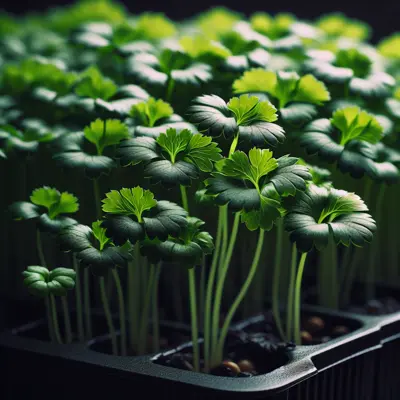
Celery Microgreens
Medium-large, relatively smooth round roots with buff-colored skin. Interiors are white and flavorful and resist pithiness and hollow heart. Also available with NOP-compliant pelleting.
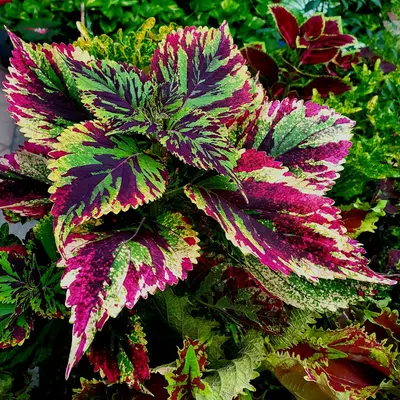
Celosia
Bright green leaves with pink, orange, and yellow veins and stems.
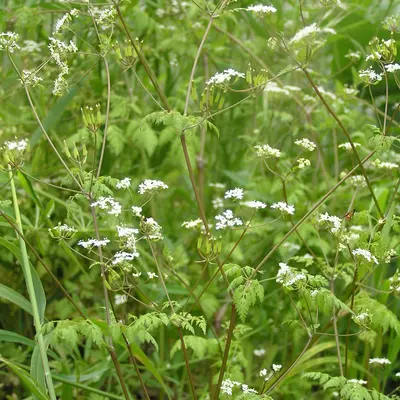
Chervil
Intricate green leaves and stems. A traditional French herb used to flavor egg, potato, fish, and poultry dishes.
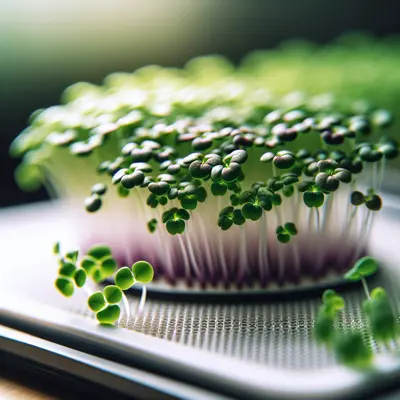
Chia Microgreens
These nutrient-dense microgreens offer a unique growing experience as the seeds become gelatinous when wet, creating their own natural growing medium. Chia microgreens have delicate, tender leaves with a mild, slightly tangy flavor that's completely different from the crunchy seeds. They're packed with omega-3 fatty acids and provide a gourmet touch to salads and smoothies.
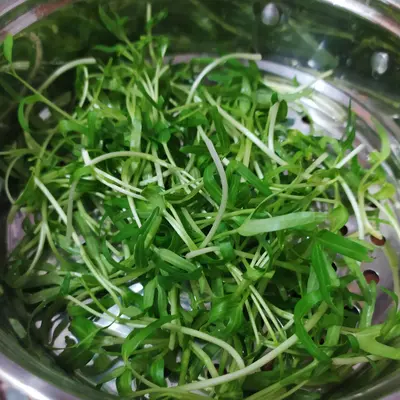
Chinese Cabbage, Tokyo Bekana
One of our fastest-growing microgreens! Pale green color blends well and beautifully complements dark green and dark red varieties in mixes. Mild and earthy brassica flavor. Based on our yield trial, we recommend seeding 14 gm per tray at approx. 2 flats per oz of seed. Avg. days to maturity was 10 days when harvested at the first true leaf (as opposed to cotyledon) stage.
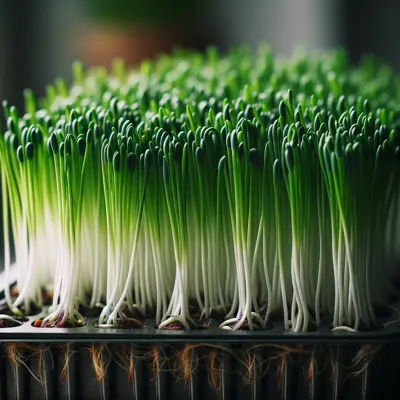
Chives Microgreens
Chives microgreens are tender, slender green shoots with a mild onion flavor and fresh, aromatic profile. These delicate microgreens mature in 75-85 days and are ideal for culinary applications requiring a subtle allium taste without pungency. They thrive in fine seed starting mix or soilless medium under full sun to partial shade (4-6+ hours daily). The heirloom variety offers a distinctly fresh character perfect for garnishing, salads, and dishes where gentle onion notes enhance rather than dominate. Moderate difficulty indoor growing requires vigilance against fungus gnats and thrips, making proper ventilation essential for success.
Cilantro Microgreens
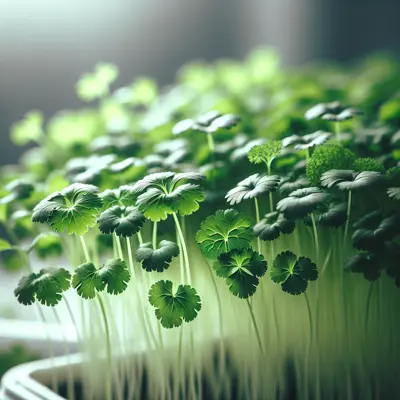
Cilantro Microgreens are delicate, tender seedlings harvested at 16-25 days, featuring thin stems topped with vibrant green, feathery leaves that resemble mature cilantro foliage. These heirloom microgreens deliver an intensely concentrated cilantro flavor—bright, citrusy, and distinctly herbaceous—making them a potent garnish and flavoring agent. Ideal for fresh applications like salsas, Asian cuisines, and contemporary plating, they add sophisticated herb character to dishes without bulk. Their moderate difficulty and preference for well-draining medium make them suitable for home cultivation under full sun to partial shade conditions.

Clover Microgreens
Once established, white clover can handle foot and tractor traffic better than other clovers. The fibrous root system typically is in the top 8" of soil, although it does have up to a 40" tap root in the first year which dies each fall, leaving a passage for water to percolate through. More heat tolerant than some of the larger clovers, this is a low-growing (to 12") perennial that can be sown into long-season row crops during the season to provide a "living mulch." Sow after first cultivation and rake or cultivate to cover. Also used for green manure, hay, and pasture. Inoculate with Alfalfa/True Clover Inoculant (#7535) for best performance.
Corn Microgreens
7-8" ears with glossy deep yellow kernels. A high percentage of kernels pop producing tender popcorn. 8-9' plants.
Cress Microgreens
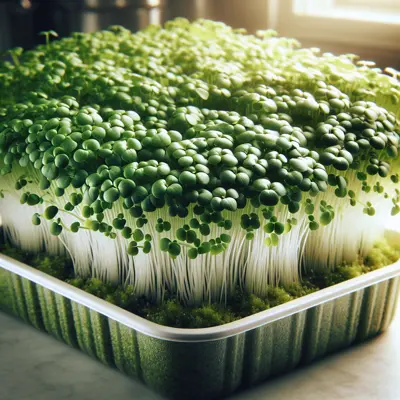
Also known as "Curly Cress" or "Peppergrass." Try adding cress to a sandwich or when an extra-spicy bite is needed. Based on our yield trial, we recommend seeding 10.5 gm per tray at approx. 3 flats per oz of seed. Avg. days to maturity was 13 days when harvested at the first true leaf (as opposed to cotyledon) stage. Also available in organic seed.
Dandelion, Red
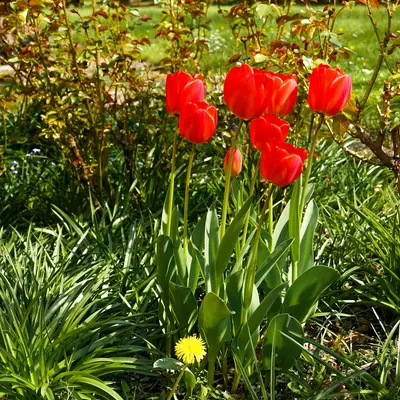
Mildly bitter flavor. Based on our yield trial, we recommend seeding 4 gm per tray at approx. 7 flats per oz of seed. Avg. days to maturity was 18 days when harvested at the first true leaf (as opposed to cotyledon) stage.
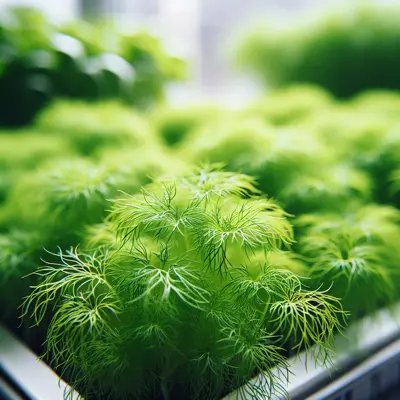
Dill Microgreens
Finely textured, medium-green leaves. Combine micro dill with fish, egg, and potato dishes for delicate, sweet citrusy notes.
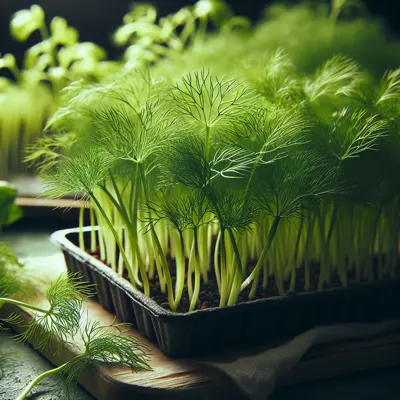
Fennel Microgreens
Fennel microgreens are delicate, feathery greens with fine, thread-like leaves that develop a soft yellow-green hue as they mature. Ready to harvest in 50-60 days, these heirloom microgreens deliver an intense anise-licorice flavor that is remarkably aromatic and concentrated. The strong, distinctive taste makes them a specialty garnish for gourmet cuisines, particularly suited for seafood dishes, Mediterranean preparations, and culinary applications where bold licorice notes are desired. Grown indoors under full sun conditions with well-draining seed-starting mix, fennel microgreens require moderate cultivation skill and careful monitoring for aphids and fungus gnats.
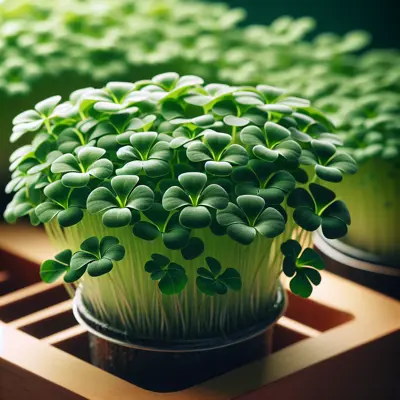
Fenugreek Microgreens
Rich, herbal, slightly bitter flavor. One tablespoon of seed yields approx. 1 1/2 cups of sprouts. All of Johnny's high-germination sprouting seeds have tested negative for the presence of E. coli 0157 and Salmonella.
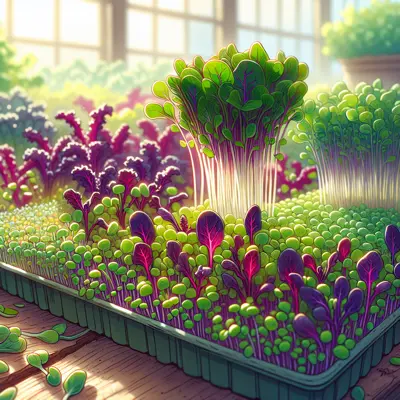
Kale Microgreens
Kale microgreens are delicate, tender seedlings harvested at 10-14 days, featuring small green leaves with a mild, fresh flavor distinctly softer than mature kale. These nutrient-dense microgreens offer a subtle cabbage note with natural sweetness, making them ideal for salads, sandwiches, and smoothie bowls. Easy to grow indoors under lights or in bright windowsills, they mature quickly compared to their full-size counterparts while maintaining the nutritional benefits kale is known for. Perfect for beginners seeking a simple, rewarding crop.
Leek
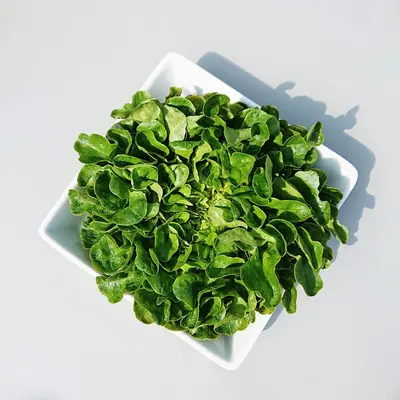
Green thread-like leaves. Slower to emerge than scallion or onion microgreens, but otherwise very similar.
Lemon Balm Microgreens
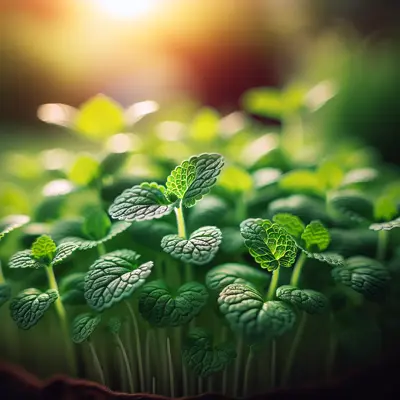
Lemon Balm Microgreens are delicate, tender shoots harvested at 10-14 days for optimal flavor. These heirloom microgreens feature vibrant green cotyledons with a distinctive intense lemon scent and bright, citrusy flavor with subtle minty undertones. They mature quickly in well-draining growing mediums under 4-6+ hours of light daily. The defining characteristic is their potent lemon aromatics that intensify with age, making them ideal for finishing salads, beverages, and desserts. Moderate to advanced difficulty level due to moisture management requirements and susceptibility to aphids and spider mites in dry conditions.
Lettuce Microgreens
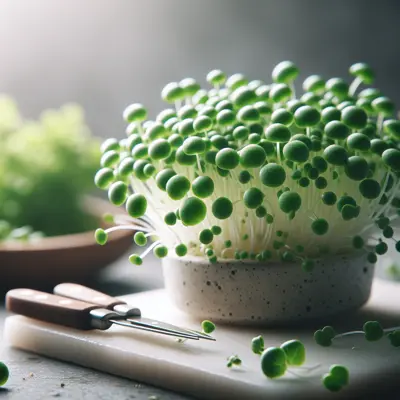
Lettuce microgreens are tender seedlings harvested at 1-2 inches tall, typically ready within 7-10 days of sprouting. These delicate greens feature soft, pale green leaves with a mild, slightly sweet flavor and buttery texture—distinctly different from mature lettuce. Unlike full-sized lettuce, microgreens are consumed whole, including the stem, delivering concentrated nutrients in a compact form. They excel as salad toppings, sandwich garnishes, and plate decorations, adding visual appeal and gentle flavor without bitterness. Their quick growth cycle and minimal space requirements make them ideal for indoor cultivation and home gardening beginners.
Marigold, Gem
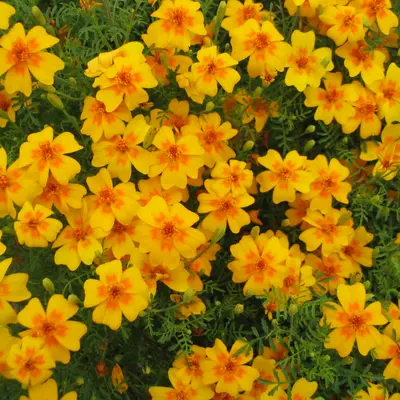
Easy to grow! Spicy flavor with light citrus undertones. Makes a unique dessert garnish. Based on our yield trial, we recommend seeding 4 gm per tray at approx. 7 flats per oz of seed. Avg. days to maturity was 18 days when harvested at the first true leaf (as opposed to cotyledon) stage.
Mild Micro Mix
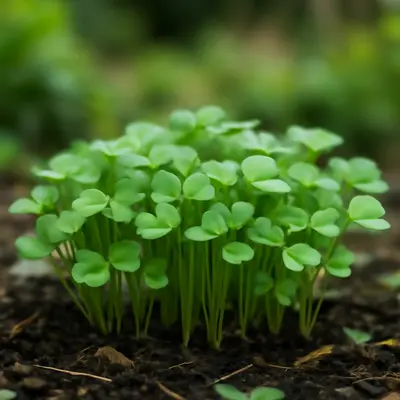
This blend of mildly flavored brassicas contains mizuna, cabbage, kale, and kohlrabi. Mostly green with a touch of purple. Based on our yield trial, we recommend seeding 11 gm per tray at approx. 2.5 flats per oz of seed. Avg. days to maturity was 13.5 days when harvested at the first true leaf (as opposed to cotyledon) stage. Varieties are subject to change depending upon availability.
Mizuna Microgreens
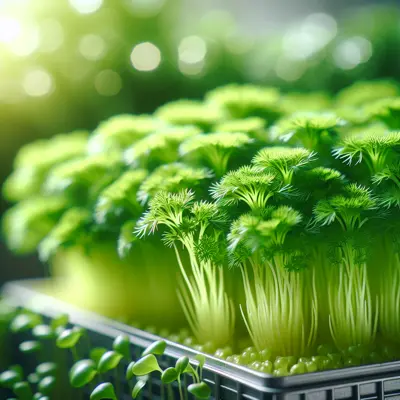
Mizuna microgreens are delicate, feathery seedlings with fine, fern-like foliage that ranges from bright to pale green depending on light exposure. Ready to harvest in 7-14 days, these tender shoots offer a mild peppery bite with subtle mustard undertones and a slightly sweet finish. Their distinctive appearance and complex flavor make them ideal for garnishing salads, Asian dishes, and contemporary plating. Grown on soilless media under indirect light, mizuna microgreens require minimal maintenance and are resistant to pest problems, making them an excellent choice for indoor cultivation.
Mizuna, Red Kingdom
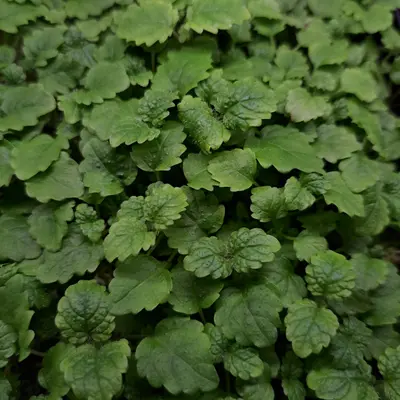
An improvement over Red Rain; darker red true leaves and blushed red cotyledons (first leaves). Based on our yield trial, we recommend seeding 9.5 gm per tray at approx. 3 flats per oz of seed. Avg. days to maturity was 14.5 days when harvested at the first true leaf (as opposed to cotyledon) stage. AAS Winner.

Mung Bean Microgreens
Popular in Asian cuisine, often stir-fried to accompany meals. 1/4 cup of seed yields approx. 2-3 cups of sprouts. Mung Bean can also be grown in open-flat trays as shoots; harvest as soon as first true leaves open for optimal taste and texture. Very fast maturing with attractive green leaves and pink stems. All of Johnny's high-germination sprouting seeds have tested negative for the presence of E. coli 0157 and Salmonella.
Mustard Microgreens
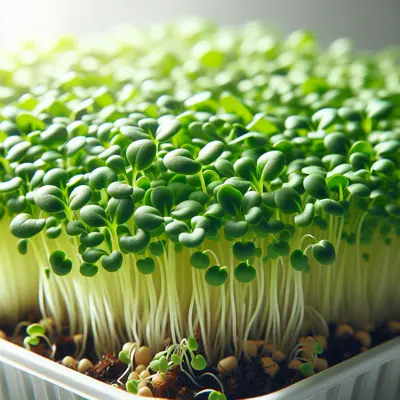
Mustard Microgreens are tender, 1-2 inch seedlings with cotyledons (seed leaves) ranging from pale to bright green depending on variety, featuring fine, hair-like roots. Ready to harvest in just 6-8 days, they deliver an exceptionally sharp, peppery flavor with intense mustard heat and lingering bitterness. These heirloom microgreens stand out for their concentrated pungency—far bolder than mature mustard greens—making them a potent garnish for salads, sandwiches, Asian dishes, and grain bowls where a small amount adds significant spicy bite. Their quick turnaround and minimal space requirements make them ideal for indoor growing.
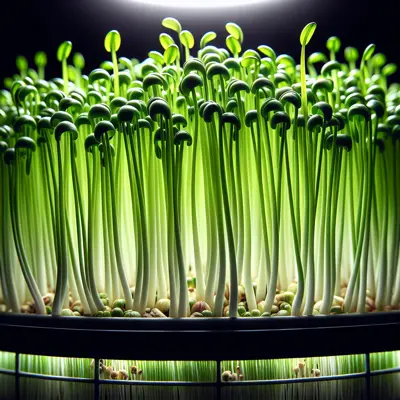
Onion Microgreens
Widely adapted, day-neutral, and matures well anywhere in North America from spring sowing. Suitable for fall planting where short-day onions are normally grown. Produces uniform, large, white-skinned onions with mild flavor and thick rings. Not for long storage. Sierra Blanca is the same variety as Super Star. It has been renamed by the breeder. AAS Winner. Also offered as plants and as conventional seed with NOP-compliant pelleting.
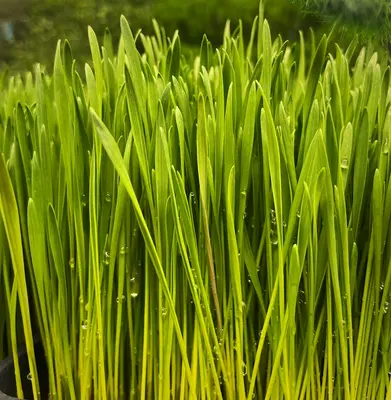
Pac Choi, Red Choi
Leaves are mostly red with some green. Mild pac choi flavor. Based on our yield trial, we recommend seeding 10.5 gm per tray at approx. 3 flats per oz. of seed. Avg. days to maturity was 13 days when harvested at the first true leaf (as opposed to cotyledon) stage.
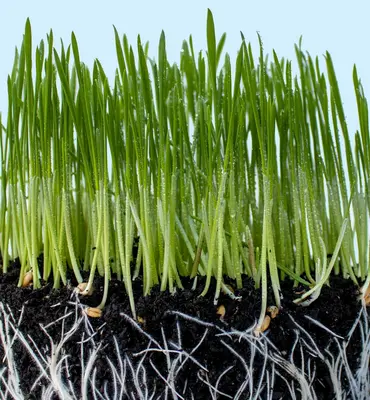
Pac Choi, Red Pac
Mild flavor. Based on our yield trial, we recommend seeding 10.5 gm per tray at approx. 3 flats per oz. of seed. Avg. days to maturity was 13 days when harvested at the first true leaf (as opposed to cotyledon) stage.
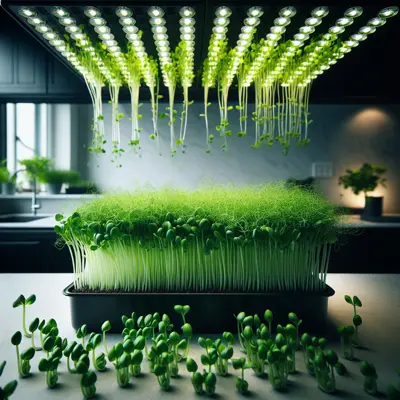
Pea Shoots
Yellow peas are a great non-GMO protein source and are becoming more prevalent in feed rations with protein percentages ranging from 21-25. They contain high levels of carbohydrates, are low in fiber, and contain 86-87% total digestible nutrients, making them an excellent livestock feed. In spring or fall, sow alone or mixed with vetch and/or oats, winter rye, or ryegrass. Harvest for grain at 16-18% moisture or when the seeds are hardened and fully mature. Inoculate with Garden Combination Inoculant (#7531) or Pea, Vetch, and Lentil Inoculant (#7534) for best performance.
Purple Kohlrabi Microgreens
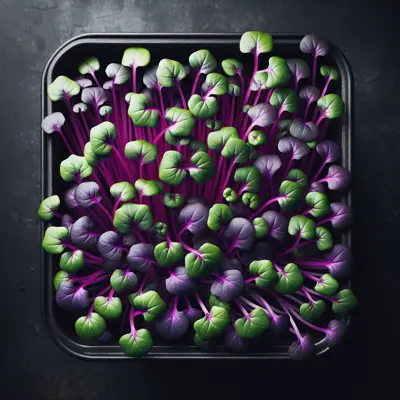
Purple Kohlrabi Microgreens are vibrant, delicate shoots with deep purple cotyledons and green stems, typically ready to harvest at the 2-3 leaf stage within 10-14 days of germination. These microgreens deliver a mild, cabbage-like flavor with a subtle peppery bite and satisfying crunch. The striking purple coloration makes them an excellent garnish for salads, grain bowls, and plated dishes, while their tender texture works well in smoothies and fresh preparations. Easy to grow in standard seed starting mixes with consistent moisture and indirect light, they're ideal for beginners exploring microgreen cultivation.

Purple Radish Microgreens
Stunning microgreens featuring vibrant purple stems topped with bright green cotyledons, delivering the classic peppery radish bite in miniature form. These colorful microgreens are among the most visually striking varieties available, making them favorites for garnishing and adding both spice and beauty to dishes. Fast-growing and virtually foolproof, they're perfect for beginners wanting dramatic results.
Radish Microgreens
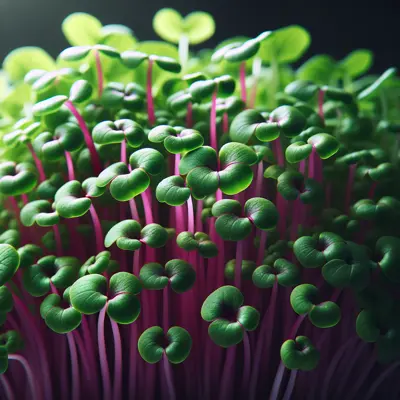
Radish microgreens are young radish plants harvested at 10-14 days of growth, featuring delicate green shoots with characteristic pink or reddish cotyledons (seed leaves). Ready to harvest in approximately 30 days from planting, they deliver an intense, peppery spice that ranges from mild to fiercely hot depending on variety and growing conditions. These heirloom microgreens add vibrant color and bold peppery crunch to salads, sandwiches, soups, and garnishes. Their spicy profile makes them ideal for Asian cuisine and adds complexity to bland dishes. Easy to grow under moderate to bright light with minimal pest pressure, radish microgreens are popular among home and commercial growers seeking quick harvests with maximum flavor impact.
Radish, Daikon
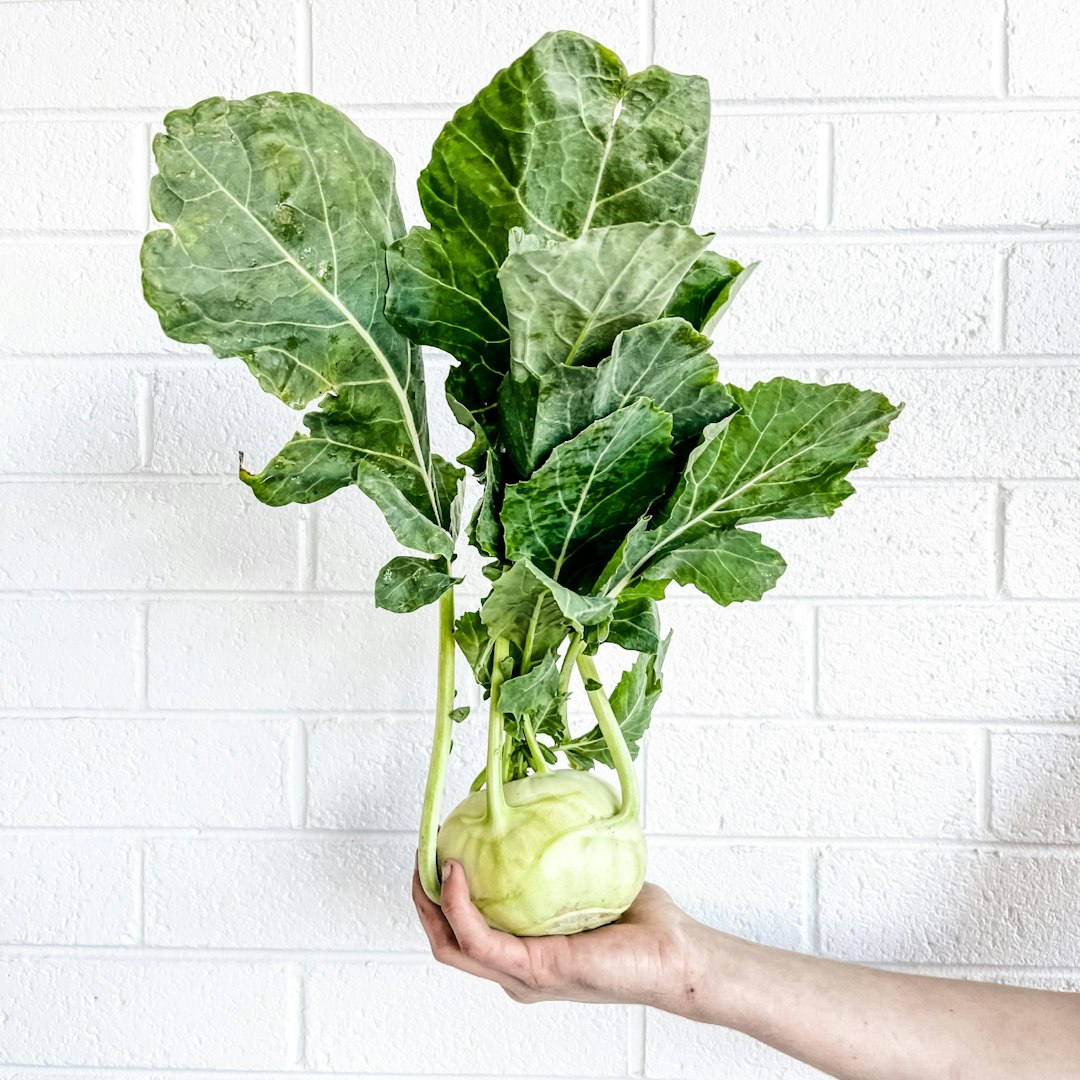
Mild radish flavor. One tablespoon of seed yields approx. 1-2 cups of sprouts. All of Johnny's high-germination sprouting seeds have tested negative for the presence of E. coli 0157 and Salmonella.
Red Amaranth Microgreens
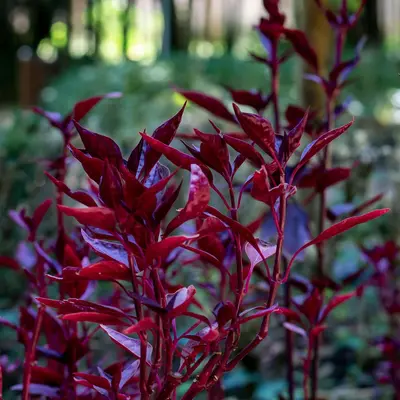
Red Amaranth Microgreens are vibrant, ruby-red seedlings with delicate cotyledons and slender stems, ready to harvest in 10-14 days under optimal indoor conditions. These tender microgreens feature a mild, earthy flavor with subtle sweetness and a delicate texture that adds visual appeal and nutritional value to salads, sandwiches, and grain bowls. Red amaranth microgreens are prized for their striking color contrast and high nutrient density, including vitamins A and C, calcium, and iron. They thrive in soilless or fine potting mix under grow lights with 12-16 hours of daily illumination, making them ideal for year-round indoor cultivation with minimal pest pressure.
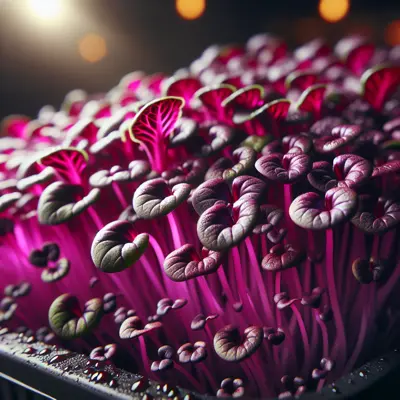
Red Cabbage Microgreens
Red Cabbage Microgreens are vibrant purple-red seedlings harvested at 10-14 days for optimal flavor and texture. These tender microgreens feature a mild cabbage taste with subtle peppery undertones and deliver a delicate crunch. They mature quickly, making them ideal for home growers of all skill levels. With their striking deep color and nutrient density, red cabbage microgreens serve as an excellent raw garnish for salads, grain bowls, and sandwiches, adding visual appeal and fresh, crisp flavor to dishes.
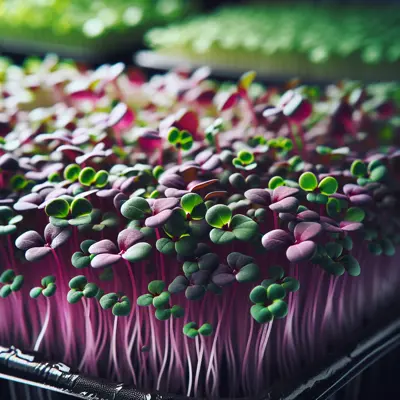
Red Clover Microgreens
A tall (2-3'), quick-growing clover. Sow in spring, summer, or fall, alone or with grain/grass. Will grow in more acidic soil (pH 5.0-6.0) than other clovers if lime is applied at seeding time. Widely grown biennial used for Nitrogen addition and hay crops. Large plant with big leaves makes it an ideal grazing crop. Red clover may be the best choice for frost seeding; it is extremely cold hardy and does well in most soils and growing conditions. it does, like most clovers, perform poorly in hot weather unless seeded into a crop canopy. Incorporate fully for best results. Mammoth Red clover will fix between 70-110 lb. nitrogen per acre. The long taproots loosen soils and mine phosphorus and other nutrients from deep in the soil. It should be seeded with 48-64 lb. or 1.5-2 bushels/acre of oats to "nurse" the clover. Inoculate with Alfalfa/True Clover Inoculant (#7535) for best performance. Edible Flowers: The flowers of red clover may be used to garnish drinks, salads, soups, and desserts; the flavor is sweet and mild.
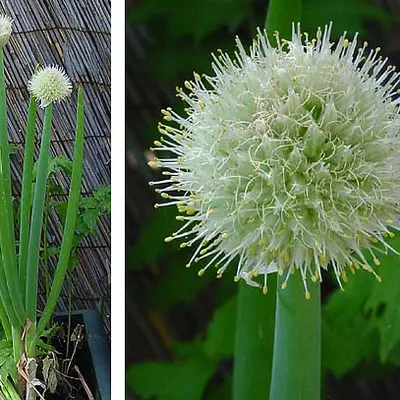
Scallion, Evergreen Hardy White
Green thread-like leaves. Adds delicate pungency where a mild onion flavor is needed.
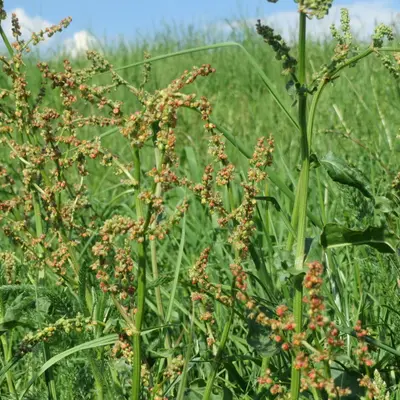
Sorrel
Sorrel microgreens are delicate, tender shoots harvested at 10 days with bright green cotyledons and thin stems. These heirloom varieties deliver an intense lemony flavor with pronounced acidic tartness, making them ideal for elevating salads, soups, and gourmet plating. Quick-growing and easy to cultivate, they add a distinctive bright, tangy note that distinguishes them from common microgreens.
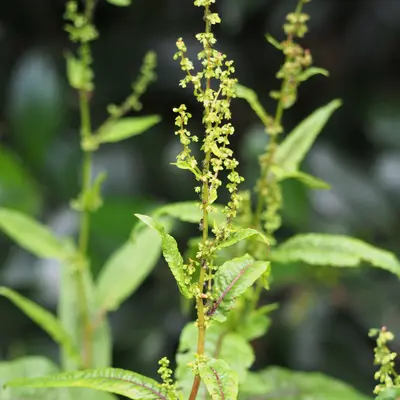
Sorrel, Red Veined
Add color and flavor contrast to microgreen blends. Same sharp, tangy flavor as regular sorrel. An elegant dessert garnish. Based on our yield trial, we recommend seeding 3.5 gm per tray at approx. 8 flats per oz of seed, for very small leaves.
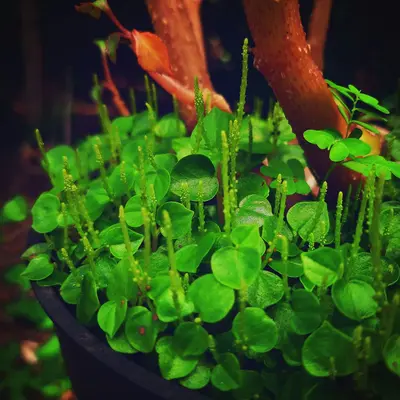
Spicy Micro Mix
A colorful blend of red and green mustards with various textures. Spicy flavor pairs well with the Mild Micro Mix. Based on our yield trial, we recommend seeding 7.5 gm per tray at approx. 3.5 flats per oz of seed. Avg. days to maturity was 13.5 days when harvested at the first true leaf (as opposed to cotyledon) stage. Varieties are subject to change depending upon availability.
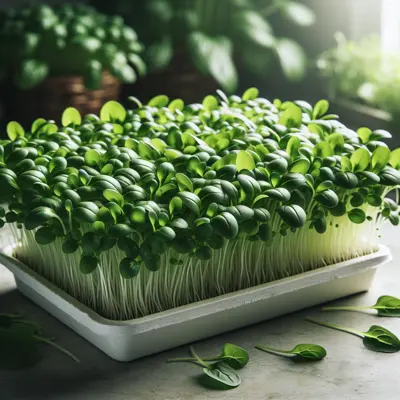
Spinach Microgreens
Spinach microgreens are tender, delicate seedlings with small oval leaves and a vibrant green color. They reach harvest maturity in approximately 25 days, making them a moderately quick crop compared to full-size spinach. The key differentiator is their concentrated nutrient density—microgreens pack significantly more vitamins and minerals per gram than mature leaves. They deliver a mild, clean flavor with subtle sweetness and no bitterness, making them ideal for raw applications like salads, smoothie bowls, and garnishes. Their tender texture and refined taste work well in both culinary and presentation-focused dishes.
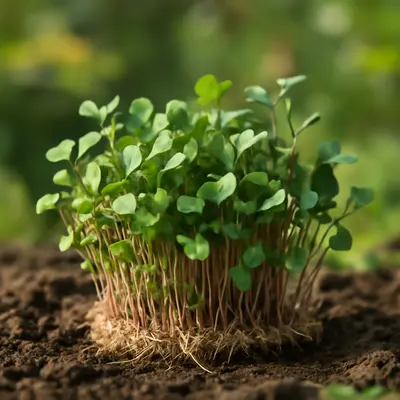
Sprouting Mix
Various shades of green leaves and pink and white stems with a crisp, mildly spicy flavor. Mix includes: broccoli, radish, alfalfa, and kale. One tablespoon of seed yields approx. 1 cup of sprouts. All of Johnny's high-germination sprouting seeds have tested negative for the presence of E. coli 0157 and Salmonella.
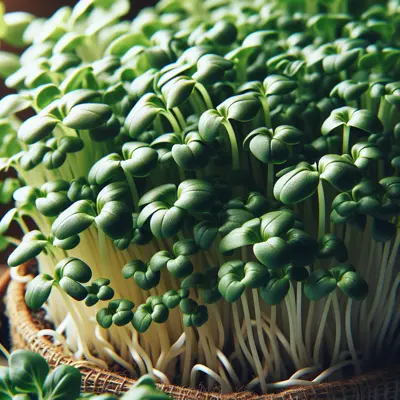
Sunflower Microgreens
Sunflower Microgreens are young sunflower seedlings harvested at 10-14 days, featuring bright green cotyledons with pale yellow stems. These easy-to-grow microgreens reach maturity quickly and are notably more tender than their sprout counterparts. They deliver a distinctive nutty, slightly sweet flavor with a satisfying crunch that works well in salads, sandwiches, and grain bowls. Rich in vitamins, minerals, and antioxidants, sunflower microgreens are a popular choice for health-conscious growers seeking nutritious homegrown greens with minimal effort.
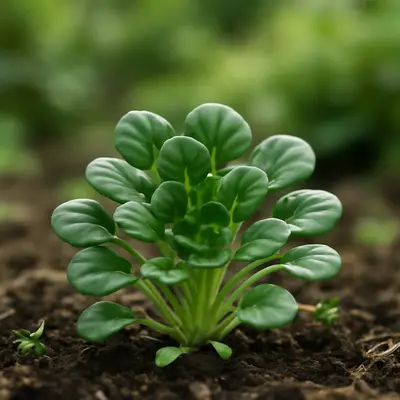
Tatsoi
Tatsoi is a delicate Asian microgreen variety with distinctive spoon-shaped leaves and tender stems. Ready to harvest in just 10 days, it offers a mild, delicate flavor with a satisfying crunch. The juicy stems and elegant appearance make it a versatile garnish for salads, stir-fries, and Asian dishes. Easy to grow, this heirloom variety thrives in full sun to partial shade, making it ideal for both home gardeners and commercial microgreen production.
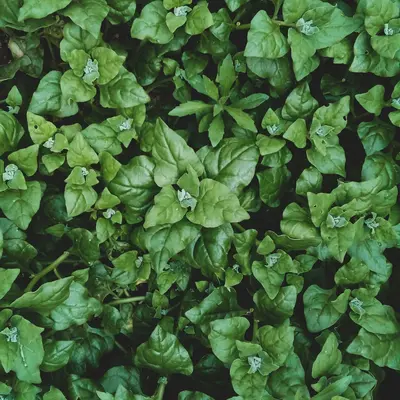
Watercress
Watercress microgreens are delicate, tender sprouts with small rounded cotyledons and thin stems, harvested at 10-14 days for optimal flavor. These heirloom microgreens mature quickly in moist indoor conditions, delivering an intensely peppery, slightly spicy bite characteristic of full-sized watercress. Rich in vitamins and minerals, watercress microgreens add a distinctive sharp, fresh zing to salads, sandwiches, and Asian dishes. Their vibrant green color and peppery punch make them a favorite among chefs seeking bold flavor from a compact, nutrient-dense green.
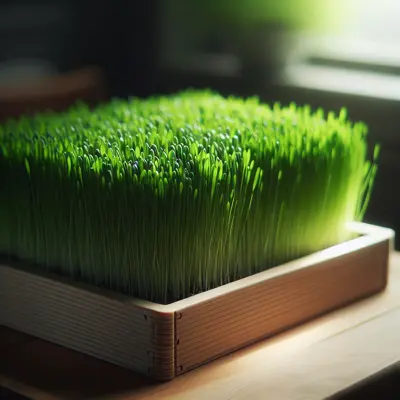
Wheatgrass Microgreens
Wheat sprouts with a sweet flavor. 1/2 cup of seed yields approx. 2-3 cups of sprouts. All of Johnny's high-germination sprouting seeds have tested negative for the presence of E. coli 0157 and Salmonella.
Zone 10 Growing Tips
Indoor growing becomes your best friend during Zone 10's brutal summer months from June through September, when outdoor microgreen production faces constant battles with excessive heat, sudden downpours, and fungal pressure. Set up your growing operation in the coolest part of your home with fans for air circulation, and consider investing in a small air conditioning unit for your growing space during peak summer. Morning sowings work better than evening ones—get your seeds planted and watered before the day heats up to reduce shock and improve germination rates.
Take advantage of your mild winters by moving operations outdoors from November through March, when daytime temperatures in the 70s and nighttime lows in the 50s create ideal microgreen conditions. This is prime time for successive sowings of cool-season varieties like kale, broccoli, and Swiss chard microgreens that struggle in summer heat. Always have backup indoor space ready during your brief frost season—even a light frost on January 31st can wipe out an entire outdoor crop of tender microgreens overnight.
Season Overview
Your January 31st average last frost and December 15th first frost dates create a unique growing dynamic where winter becomes your premium microgreen season rather than a dormant period. Plan your most intensive microgreen production from October through April when temperatures moderate and humidity drops, allowing for better air circulation and reduced disease pressure. Use the scorching May through September period for heat-loving varieties like basil, amaranth, and fenugreek microgreens, but always with shade cloth and extra attention to watering schedules to prevent the rapid moisture loss that can kill tender seedlings in hours rather than days.