Sorrel
Rumex acetosa
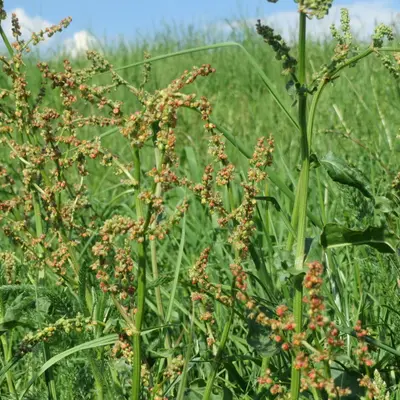
Sorrel microgreens are delicate, tender shoots harvested at 10 days with bright green cotyledons and thin stems. These heirloom varieties deliver an intense lemony flavor with pronounced acidic tartness, making them ideal for elevating salads, soups, and gourmet plating. Quick-growing and easy to cultivate, they add a distinctive bright, tangy note that distinguishes them from common microgreens.
Harvest
10d
Days to harvest
Sun
Full sun
Zones
1–11
USDA hardiness
Height
8 inches
Planting Timeline
Showing dates for Sorrel in USDA Zone 7
All Zone 7 microgreen →Zone Map
Click a state to update dates
Sorrel · Zones 1–11
Growing Details
Succession Planting
Sorrel microgreens go from seed to cut in about 10 days, so a rolling sow schedule is the only way to keep a steady supply. Start a new tray every 7–10 days — that puts a fresh cut coming ready just as the previous tray finishes. There's no seasonal cutoff at the microgreen stage; you can sow indoors any month of the year without worrying about heat bolting or cold stall. One 10×20 tray per week is plenty for most households; scale up if you're adding it to salads every day.
Complete Growing Guide
Produces some of the earliest greens of spring and the latest of fall. The tender, fresh green leaves can grow to about 8" long and have an intense lemony flavor. Use sparingly in salads or generously in cocktails, soups and sauces, and especially with fish. French type. Perennial in Zones 4-9. According to Johnny's Selected Seeds, Sorrel is 40 baby; 60 full size to maturity, perennial, open pollinated.
Light: Full sun (6 or more hours of direct sunlight a day). Spacing: 12 inches-3 feet. Propagation: Seed.
Harvesting
Sorrel reaches harvest at 40 baby; 60 full size from sowing per Johnny's Selected Seeds. Expect 8" at peak.
Fruit is a reddish brown, 3-angled achene, often with a round tubercle on one or all three sides.
Color: Red/Burgundy. Type: Achene.
Edibility: Leaves for flavoring, flowers, and seeds.
Storage & Preservation
Freshly harvested sorrel microgreens keep best in a breathable container lined with paper towels, stored at 32–40°F with 90–95% humidity. A sealed plastic clamshell works well if you layer in absorbent material to prevent moisture buildup. Expect a shelf life of 5–7 days under these conditions, though quality declines noticeably after day four.
For longer storage, freezing is most practical: blanch lightly for 30 seconds, shock in ice water, pat dry thoroughly, then freeze in single layers before transferring to freezer bags. Frozen sorrel retains its tangy flavor for up to three months and works excellently in soups and sauces post-thaw.
Drying concentrates the lemony tartness; dehydrate at 95–105°F until crispy, then store in an airtight jar. A helpful note: sorrel's oxalic acid content increases slightly after harvest, so consume or preserve within a few days for the most pleasant mild flavor. Older microgreens develop a sharper, more astringent taste.
History & Origin
Sorrel is open-pollinated, meaning seed saved from healthy plants will produce true-to-type offspring. Listed in the Johnny's Selected Seeds catalog.
Sorrel is a perennial herbaceous plant in the family Polygonaceae. It is also called common sorrel, garden sorrel, spinach dock and narrow-leaved dock.
Advantages
- +Produces greens earlier in spring and later in fall than most crops
- +Intense lemony flavor adds distinctive brightness to fish dishes and cocktails
- +Perennial plant provides harvests for multiple years without replanting
- +Easy to grow with minimal care requirements for home gardeners
- +Tender leaves reach desirable 8-inch length quickly in cool seasons
Considerations
- -Lemony tartness requires restraint in salads or overpowers delicate flavors
- -Limited hardiness to zones 4-9 restricts growing regions significantly
- -Tendency to bolt during hot summer weather reduces usable harvest window
- -French varieties may require cooler conditions than some home gardeners can provide
Companion Plants
Sorrel microgreens share a tray environment well with other cool-preferring, low-competition greens — lettuce, spinach, arugula, and pea shoots all want the same 60–70°F range and won't outpace sorrel or release anything allelopathic into adjacent root zones. Chives, parsley, and cilantro land in the same category: similar water needs, no chemical interference, no germination-speed mismatch that would let one shade out the other.
Mustard greens and brassica microgreens are worth keeping on a separate tray. Mustard germinates in 2–3 days and throws up a canopy fast — it'll shade slower neighbors before sorrel's cotyledons even fully open. Fennel is its own problem: it produces anethole and other volatile compounds that suppress germination in a wide range of seeds, and it's best grown solo regardless of what you're putting next to it.
Plant Together
Lettuce
Similar growing conditions and harvest timing, good space utilization
Spinach
Compatible growth rates and water requirements for microgreen production
Pea Shoots
Nitrogen fixation benefits soil, similar harvest timing
Arugula
Similar germination time and growing conditions, complementary flavors
Radish
Fast germination helps break soil crust, compatible harvest timing
Chives
Natural pest deterrent, doesn't compete for space due to different root systems
Parsley
Similar moisture needs and growing conditions for microgreen production
Cilantro
Compatible growth requirements and harvest schedule
Keep Apart
Mustard Greens
May cross-pollinate with sorrel affecting seed quality if plants bolt
Fennel
Allelopathic compounds inhibit germination and growth of most other plants
Brassica Microgreens
Compete for similar nutrients and may attract same pests like flea beetles
Nutrition Facts
Per 100g serving. % Daily Value based on 2,000 calorie diet. Source: USDA FoodData Central (FDC #167782)
Troubleshooting Sorrel
What you'll see, why it happens, and what to do about it.
Seeds germinate unevenly or not at all by day 5–6, with patchy trays
Likely Causes
- Inadequate moisture — sorrel seeds dry out fast in the top layer of the medium
- Old seed stock losing viability (sorrel seed viability drops off after 2 years)
What to Do
- 1.Cover the tray with a humidity dome or damp paper towel until sprouts emerge
- 2.Test germination rate on a damp paper towel before committing a full tray — if fewer than 7 out of 10 sprout in 5 days, get fresh seed
- 3.Press seeds lightly into the medium so they make firm contact, then mist rather than pour
Seedlings are pale yellow-green instead of bright green at day 7–8
Likely Causes
- Insufficient light — sorrel microgreens need at least 6 hours of direct light or a grow light held 2–3 inches above the tray
- Leaving the humidity dome on too long after germination, which starves seedlings of light and airflow
What to Do
- 1.Move the tray to a south-facing window or put it under a full-spectrum LED for 12–14 hours a day
- 2.Pull the dome off as soon as 80% of seeds have sprouted — humidity past that point does more harm than good
- 3.In weak winter light, lower your grow light to 2 inches above the canopy and add a second daily hour of exposure
Stems flopping over by day 8, before the tray is ready to cut
Likely Causes
- Etiolation from low or angled light — sorrel stretches hard toward any off-center light source
- Sowing too densely, which forces stems to compete vertically instead of filling out
What to Do
- 1.Reposition the light source directly overhead — side lighting is the main driver of lean, not just intensity
- 2.Aim for roughly 1–1.5 tablespoons of seed per 10×20 tray; packing them in tighter makes the problem worse once it starts
- 3.Cut at day 10 even if stems look thin — waiting longer won't reverse etiolation, and the oxalic-acid sharpness in the flavor increases past that point anyway
Frequently Asked Questions
How long does it take to grow Sorrel microgreens?▼
What does Sorrel microgreen taste like?▼
Is Sorrel a good choice for beginner microgreen growers?▼
When should I plant Sorrel microgreens?▼
How should I use Sorrel microgreens in cooking?▼
How much sunlight do Sorrel microgreens need?▼
Zone-by-Zone Planting Calendar
| Zone | Indoor Start | Transplant | Direct Sow | Harvest |
|---|---|---|---|---|
| Zone 1 | January – December | — | — | January – December |
| Zone 2 | January – December | — | — | January – December |
| Zone 11 | January – December | — | — | January – December |
| Zone 12 | January – December | — | — | January – December |
| Zone 13 | January – December | — | — | January – December |
| Zone 3 | January – December | — | — | January – December |
| Zone 4 | January – December | — | — | January – December |
| Zone 5 | January – December | — | — | January – December |
| Zone 6 | January – December | — | — | January – December |
| Zone 7 | January – December | — | — | January – December |
| Zone 8 | January – December | — | — | January – December |
| Zone 9 | January – December | — | — | January – December |
| Zone 10 | January – December | — | — | January – December |
Growing Guides from Wind River Greens
Sources & References
External authority sources used in compiling this guide.
- ExtensionNC State Extension
- BreederJohnny's Selected Seeds
- USDAUSDA FoodData Central
See the Methodology page for how this data is sourced, what's AI-assisted, and known limitations.