Radish, Daikon
Raphanus sativus var. longipnnatus
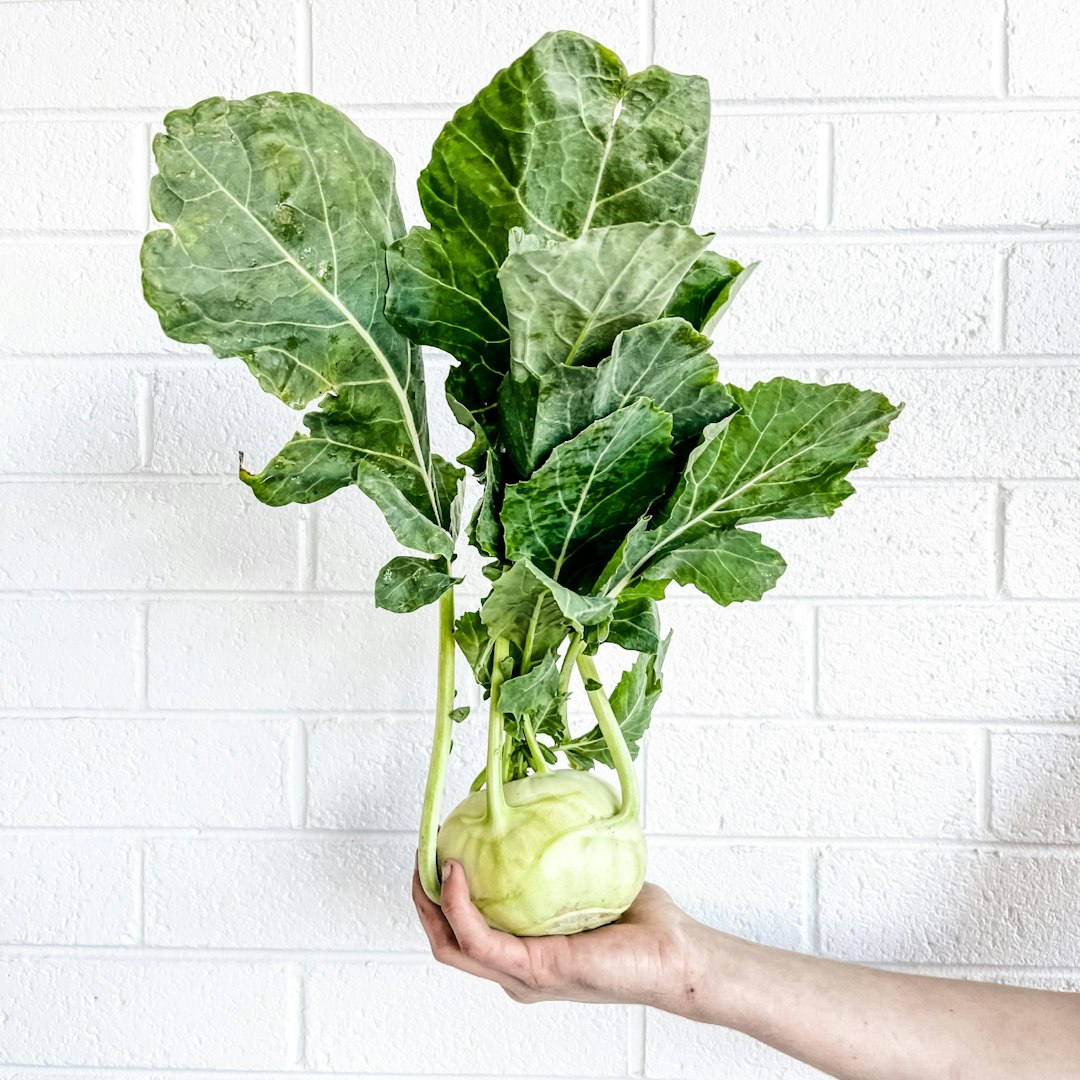
Mild radish flavor. One tablespoon of seed yields approx. 1-2 cups of sprouts. All of Johnny's high-germination sprouting seeds have tested negative for the presence of E. coli 0157 and Salmonella.
Harvest
2-5d
Days to harvest
Sun
Indoor
Zones
2–11
USDA hardiness
Height
0 ft. 6 in. - 3 ft. 0 in.
Planting Timeline
Showing dates for Radish, Daikon in USDA Zone 7
All Zone 7 microgreen →Zone Map
Click a state to update dates
Radish, Daikon · Zones 2–11
Growing Details
Succession Planting
Daikon radish microgreens are built for staggered production — each tray turns around in 2-5 days, so seeding a new tray every 2-3 days keeps a continuous cut going without any real gap. The simplest system: start the next tray the morning you harvest the current one. Since this is a year-round indoor crop, there's no seasonal cutoff to plan around. The only real throttle is rack space and how many ounces of daikon shoots your CSA share or kitchen can actually move in a week.
Complete Growing Guide
Mild radish flavor. One tablespoon of seed yields approx. 1-2 cups of sprouts. All of Johnny's high-germination sprouting seeds have tested negative for the presence of E. coli 0157 and Salmonella. According to Johnny's Selected Seeds, Radish, Daikon is 2–5 to maturity, open pollinated. Notable features: Organic Seeds, Plants, and Supplies, Hydroponic Performer.
Soil: Loam (Silt), Sand. Soil pH: Neutral (6.0-8.0). Drainage: Good Drainage. Height: RAF-an-us raf-an-IS-trum sa-TEE-vus. Spread: RAF-an-us raf-an-IS-trum sa-TEE-vus. Growth rate: Rapid. Maintenance: Medium. Propagation: Seed. Regions: Coastal, Mountains, Piedmont.
Harvesting
Ready for harvest in 2-5 days from sowing or transplant. Harvest at peak ripeness for best flavor and storage life. Pick regularly to encourage continued production where applicable.
Storage & Preservation
Harvest daikon microgreens at 2–5 days and store immediately in a sealed container lined with paper towels to absorb excess moisture. Refrigerate at 35–40°F with 85–95% humidity; they'll keep fresh for 5–7 days, though peak tenderness and peppery flavor fade after 3 days. For longer storage, freeze on a tray then transfer to freezer bags—use within two months for best texture in cooked dishes. Drying concentrates their sharp, mustard-like bite; spread thinly on a screen at low heat (95–105°F) for 8–12 hours. Daikon microgreens are particularly prone to bolting and deteriorating once stems yellow, so consume or preserve within the window immediately after harvest rather than holding them refrigerated. For fermentation, submerge fresh shoots in a 2–3% brine for one week at room temperature, which mellows their heat while adding probiotic benefits.
History & Origin
Radish, Daikon is open-pollinated, meaning seed saved from healthy plants will produce true-to-type offspring. Listed in the Johnny's Selected Seeds catalog.
Mediterranean
Advantages
- +Organic-certified seed
- +Easy to grow — beginner-friendly
- +Quick harvest — ready in about 2-5 days
- +Wide hardiness — grows in USDA zones 2-11
Companion Plants
For microgreen trays, companions are really about what you're running side-by-side on the same rack. Daikon radish pairs well with lettuce, arugula, spinach, and mustard greens — all share similar moisture needs and none release allelopathic compounds that suppress germination at close range. In our zone 7 Georgia grow rooms, daikon turns around in 2-5 days, so scheduling it next to similarly fast crops like pea shoots keeps rotation clean. Keep sunflower off the same tray entirely — the hull hulls carry allelopathic residue — and fennel has a documented antagonism toward brassicas, which daikon is.
Plant Together
Lettuce
Similar growing conditions and harvest timing, doesn't compete for space
Spinach
Compatible growth rates and light requirements for microgreen production
Arugula
Both are brassicas with similar cultivation needs and pest resistance
Pea Shoots
Nitrogen-fixing properties benefit radish growth, complementary root depths
Chives
Natural pest deterrent, helps repel aphids and flea beetles
Cilantro
Similar growing conditions, attracts beneficial insects when mature
Kale
Fellow brassica with compatible growing requirements and timing
Mustard Greens
Same family with similar pest resistance and growing conditions
Keep Apart
Sunflower
Allelopathic compounds inhibit germination and growth of small seedlings
Fennel
Strong allelopathic effects that stunt growth of most other plants
Tomato
Heavy nutrient demands compete with delicate microgreen development
Nutrition Facts
Per 100g serving. % Daily Value based on 2,000 calorie diet. Source: USDA FoodData Central (FDC #169276)
Pests & Disease Resistance
Diseases
Damping-off (prevent with proper air circulation and moisture control), mold (reduce via humidity management and air flow)
Troubleshooting Radish, Daikon
What you'll see, why it happens, and what to do about it.
White or gray fuzzy mold on seeds or soil surface within the first 2 days of germination
Likely Causes
- Excess moisture sitting on seeds or growing medium — overwatering or misting too heavily
- Poor air circulation in a sealed or enclosed tray
What to Do
- 1.Back off misting to once daily and make sure the medium is damp, not soaked
- 2.Remove the humidity dome (if using one) as soon as sprouts emerge — usually by day 2
- 3.Point a small fan on low toward the tray for 1-2 hours a day to keep air moving
Seeds fail to germinate or germination is sparse after 48 hours
Likely Causes
- Seeds pressed too loosely — daikon microgreen seeds need firm contact with moist medium to trigger germination
- Old or poorly stored seed stock with low viability
- Growing medium too dry during the critical first 24-48 hours
What to Do
- 1.Spread seeds in a single dense layer on moistened medium and press down firmly with a second tray — no need to bury them
- 2.Run a quick viability check: place 10 seeds between damp paper towels at room temperature and count sprouts at 48 hours; fewer than 7 means get new seed
- 3.Mist immediately after sowing and stack a second tray on top to hold humidity until you see tails
Stems stretched long and pale, flopping over by day 4-5
Likely Causes
- Insufficient light — daikon microgreens need bright light once the blackout period ends, typically after day 2
- Blackout phase extended past 2 days, causing etiolation
What to Do
- 1.Move trays to within 2-3 inches of a grow light as soon as you see the first green tips emerging
- 2.Cap the covered blackout phase at 2 days for daikon — they germinate fast and turn light-hungry early
- 3.Run grow lights 12-16 hours per day; daikon microgreens don't need a dark rest cycle at this stage
Stems pinch thin and collapse at the soil line, spreading tray-wide within a day
Likely Causes
- Damping-off fungi (Pythium or Rhizoctonia) — both thrive in warm, wet, still air
- Reusing trays that weren't sanitized between grows
What to Do
- 1.Sanitize trays between every grow with a diluted 3% hydrogen peroxide solution (1 part H2O2 to 3 parts water) and let them dry fully before reuse
- 2.Cut misting frequency immediately and get air moving — Pythium spreads fast once established, so don't wait a day to act
- 3.Harvest whatever looks healthy right away; at 2-5 days to maturity, cutting a tray early beats watching the whole thing go
Frequently Asked Questions
How long does it take to grow daikon radish microgreens?▼
Are daikon microgreens good for beginners?▼
Can you grow daikon microgreens in small spaces or apartments?▼
What do daikon microgreens taste like?▼
How much seed do I need to grow daikon microgreens?▼
Zone-by-Zone Planting Calendar
| Zone | Indoor Start | Transplant | Direct Sow | Harvest |
|---|---|---|---|---|
| Zone 1 | January – December | — | — | January – December |
| Zone 2 | January – December | — | — | January – December |
| Zone 11 | January – December | — | — | January – December |
| Zone 12 | January – December | — | — | January – December |
| Zone 13 | January – December | — | — | January – December |
| Zone 3 | January – December | — | — | January – December |
| Zone 4 | January – December | — | — | January – December |
| Zone 5 | January – December | — | — | January – December |
| Zone 6 | January – December | — | — | January – December |
| Zone 7 | January – December | — | — | January – December |
| Zone 8 | January – December | — | — | January – December |
| Zone 9 | January – December | — | — | January – December |
| Zone 10 | January – December | — | — | January – December |
Growing Guides from Wind River Greens
Sources & References
External authority sources used in compiling this guide.
- BreederJohnny's Selected Seeds
- USDAUSDA FoodData Central
See the Methodology page for how this data is sourced, what's AI-assisted, and known limitations.