Red Amaranth Microgreens
Amaranthus cruentus
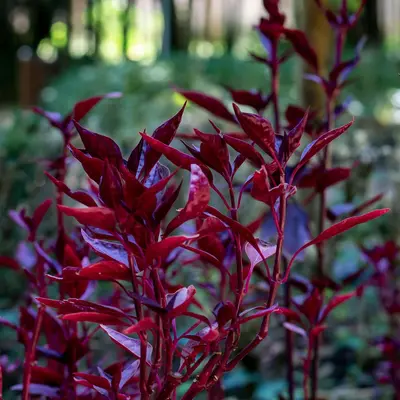
Red Amaranth Microgreens are vibrant, ruby-red seedlings with delicate cotyledons and slender stems, ready to harvest in 10-14 days under optimal indoor conditions. These tender microgreens feature a mild, earthy flavor with subtle sweetness and a delicate texture that adds visual appeal and nutritional value to salads, sandwiches, and grain bowls. Red amaranth microgreens are prized for their striking color contrast and high nutrient density, including vitamins A and C, calcium, and iron. They thrive in soilless or fine potting mix under grow lights with 12-16 hours of daily illumination, making them ideal for year-round indoor cultivation with minimal pest pressure.
Harvest
65-75d
Days to harvest
Sun
Indirect light
Zones
3–11
USDA hardiness
Height
1-2 inches
Planting Timeline
Showing dates for Red Amaranth Microgreens in USDA Zone 7
All Zone 7 microgreen →Zone Map
Click a state to update dates
Red Amaranth Microgreens · Zones 3–11
Growing Details
Succession Planting
Red Amaranth microgreens are cut-and-done — one harvest per tray, no regrowth — so succession is just staggering your sow dates. Starting a fresh tray every 5-7 days gives you a near-continuous supply without a pile-up. The 65-75 day figure in seed catalog listings applies to full-size Amaranthus cruentus grown out to seed; at the microgreen stage you're cutting at roughly 8-12 days from sow. Because these grow entirely indoors under lights, there's no frost date or summer heat threshold to plan around — you can run this schedule every month of the year.
Complete Growing Guide
Growing red amaranth microgreens requires minimal equipment but attention to detail pays off dramatically. Start with a shallow tray at least 2 inches deep with drainage holes, or use a standard 10x20 growing tray. Line with paper towels or use a thin layer of coconut coir or fine potting mix—no more than half an inch deep.
Soak your seeds for 4-6 hours before sowing. This step is crucial for red amaranth as it significantly improves germination rates from around 70% to 90%. The seeds will absorb water and slightly swell. Drain thoroughly before sowing.
Sow seeds densely across your growing medium—you want about 2 tablespoons of seed per 10x20 tray. Red amaranth seeds are tiny, so work slowly and aim for even distribution. Lightly press seeds into the medium with your hand or a flat tool, then cover with a thin layer of growing medium or vermiculite. The coverage should be just enough to anchor the seeds but still allow light penetration.
Mist gently with a spray bottle using room-temperature water. Avoid overwatering at this stage—the medium should be damp but not saturated. Place a humidity dome or another tray on top to create a mini greenhouse effect for the first 2-3 days during germination.
Position your tray under grow lights or near a bright window with indirect light. Red amaranth needs 12-16 hours of light daily but direct sunlight will scorch the delicate seedlings. LED grow lights positioned 12-18 inches above work perfectly. If using windowsill growing, rotate the tray daily to prevent uneven growth.
Maintain consistent moisture by misting 1-2 times daily once seedlings emerge. The key mistake most growers make is overwatering, which leads to damping off—a fungal disease that kills seedlings overnight. Water when the surface feels slightly dry but before leaves begin wilting.
Ensure good air circulation with a small fan on low speed. This prevents fungal issues and strengthens stem development. Room temperature between 65-75°F is ideal. Red amaranth is more heat-tolerant than many microgreens, making it excellent for summer growing when other varieties struggle.
Harvest begins around day 7 when the first true leaves appear, though waiting until day 10-14 develops the characteristic deep red coloration that makes this variety so striking. The stems will be vibrant magenta-red with matching leaf undersides.
Harvesting
Harvest red amaranth microgreens when they reach 1-2 inches tall with the first set of true leaves fully developed, typically 10-14 days after sowing. The visual cue you're looking for is maximum color intensity—the stems should display deep magenta-red coloration, and leaf undersides should show pink to red hues. Earlier harvesting at day 7-8 yields milder flavor but less dramatic color.
Harvest in the morning after any surface moisture has evaporated but before the day heats up. Use clean, sharp scissors or a sharp knife to cut stems about ¼ inch above the growing medium. Cut in small sections rather than attempting to harvest the entire tray at once—this maintains freshness and prevents bruising.
Work systematically across the tray, gathering cut microgreens in a clean bowl. Avoid pulling or tugging, which can uproot neighboring plants and introduce growing medium into your harvest. The stems should cut cleanly without resistance—if you're meeting significant resistance, your cutting tool needs sharpening. Handle gently as red amaranth microgreens bruise easily, which dulls their vibrant color and reduces shelf life.
Storage & Preservation
Fresh red amaranth microgreens store best in the refrigerator at 35-40°F with high humidity. Place harvested microgreens in a breathable container lined with slightly damp paper towels, or use specialized microgreen storage containers with ventilation. Properly stored, they maintain quality for 7-10 days, significantly longer than many microgreen varieties.
Avoid washing until just before use, as excess moisture accelerates deterioration. For immediate use, rinse gently in cool water and spin dry in a salad spinner on the gentlest setting.
Red amaranth microgreens freeze poorly due to their high water content, which destroys texture and color. However, they dehydrate excellently—use a food dehydrator at 95°F for 4-6 hours until crispy. Dehydrated microgreens make colorful garnish powders when ground. They also work well incorporated into compound butters or herb salts, where their color creates dramatic visual appeal while adding subtle earthy flavor.
History & Origin
Red amaranth microgreens represent a modern cultivation method of ancient amaranth species, primarily Amaranthus tricolor and Amaranthus cruentus. Amaranth has been cultivated for over 8,000 years, originating in Central America where it was a sacred crop to the Aztecs, who called it 'huauhtli.' The Aztecs valued amaranth so highly they created ceremonial figures from amaranth dough, leading Spanish conquistadors to ban its cultivation as part of suppressing indigenous religious practices.
The microgreen cultivation technique emerged in the 1980s in San Francisco restaurants, where chefs sought intense flavors and dramatic presentations in small packages. Red amaranth became popular in microgreen production during the 2000s as growers discovered its exceptional color stability, ease of cultivation, and striking visual impact.
Today's red amaranth microgreen varieties are typically selected from Amaranthus tricolor cultivars bred specifically for intense pigmentation and compact growth habits. The deep red coloration comes from betalains and anthocyanins, the same compounds that give beets and red cabbage their colors. Commercial microgreen producers favor red amaranth for its reliability, shelf life, and the premium prices its restaurant-quality appearance commands.
Advantages
- +Exceptional color retention even after harvesting—stays vibrant red for 7-10 days refrigerated
- +Highly heat tolerant compared to other microgreens, making summer growing viable
- +Extremely high germination rates (85-90%) with minimal seed waste
- +Fast, even growth with harvest-ready crops in just 7-14 days
- +Naturally pest resistant at microgreen stage with strong disease resistance
- +Dense nutritional profile with vitamins A, C, K and multiple minerals in concentrated form
- +Mild flavor appeals to wide range of palates while providing dramatic visual impact
Considerations
- -Seeds are extremely small and can be challenging to sow evenly without practice
- -Requires consistent moisture management—both overwatering and underwatering cause rapid decline
- -More expensive seed cost compared to basic microgreen varieties like radish or pea
- -Stems can become leggy and lose color intensity if lighting is insufficient
- -Bruises easily during harvest and handling, requiring gentle technique
Companion Plants
Red Amaranth microgreens do well alongside lettuce, spinach, arugula, and kale microgreens because the water and light requirements line up almost exactly — 12-16 hours of light, light misting 2-3 times daily, pH 6.0-7.0. You're not making trade-offs to accommodate a neighbor. Radish microgreens are a particularly practical pairing: they germinate in 2-3 days just like amaranth, so both trays hit the same milestones and you're not babysitting two different schedules. Cilantro is fine in adjacent trays but mixing it in the same tray is a gamble since cilantro germinates unevenly and can leave bare patches next to your amaranth.
Fennel is the one to isolate completely. It produces allelopathic compounds — anethole and related phenolics — that suppress germination and early root development across a wide range of species, and amaranth seedlings at 2-3 days old have no buffer against that. Mint is a different problem: it's not chemically aggressive at the microgreen stage, but if you're running shared soil or any kind of connected medium, it colonizes fast and physically crowds smaller crops out. Dill produces milder inhibitory compounds than fennel but enough to cause uneven germination. All three belong in separate trays with no shared drainage.
Plant Together
Lettuce
Similar growing conditions and harvest timing, efficient space utilization
Radish Microgreens
Compatible growth rates and can be harvested together
Spinach
Similar light and moisture requirements, complementary nutrient uptake
Arugula
Fast-growing companion with natural pest-repelling properties
Pea Shoots
Nitrogen fixation benefits soil, compatible growing conditions
Cilantro
Attracts beneficial insects and repels harmful pests naturally
Chives
Natural fungicide properties help prevent damping-off disease
Kale Microgreens
Similar nutrient requirements and growing timeline
Keep Apart
Fennel
Allelopathic compounds inhibit germination and growth of most plants
Dill
Can stunt growth through chemical inhibition in close proximity
Mint
Aggressive growth pattern and root secretions can suppress nearby plants
Nutrition Facts
Per 100g serving. % Daily Value based on 2,000 calorie diet. Source: USDA FoodData Central (FDC #167782)
Pests & Disease Resistance
Resistance
Generally disease-free when grown properly with good air circulation
Common Pests
Aphids (rare in microgreen stage), fungus gnats
Diseases
Damping off from overwatering, root rot from poor drainage
Troubleshooting Red Amaranth Microgreens
What you'll see, why it happens, and what to do about it.
Seedlings collapsing at the soil line 3-5 days after germination, stems look pinched or water-soaked at the base
Likely Causes
- Damping off — typically Pythium or Rhizoctonia fungi triggered by excess moisture and poor airflow
- Overwatering: misting too heavily or too frequently keeps the growing medium waterlogged
What to Do
- 1.Cut misting back to once or twice daily and let the surface dry slightly between sessions
- 2.Run a small fan on low nearby to keep air moving across the tray — 30 minutes morning and evening is enough
- 3.If the whole tray is affected, toss it and start fresh; sterilize the tray with a 10% bleach solution before reuse
Tiny flies hovering around the trays, seedlings growing slowly or not at all despite correct watering
Likely Causes
- Fungus gnats (Bradysia spp.) — adults are mostly a nuisance, but larvae chew roots in the top inch of growing medium
- Consistently wet medium surface, which is where females lay eggs
What to Do
- 1.Let the top layer of growing medium dry out more between mistings — fungus gnat larvae need moisture to survive
- 2.Place a yellow sticky trap flat on the edge of the tray to catch adults and gauge how bad the infestation is
- 3.For a heavy infestation, drench the medium once with a diluted neem oil solution (2 tsp per quart of water) to disrupt the larval cycle
Pale, leggy stems stretching more than 2 inches tall with washed-out color instead of deep red-purple
Likely Causes
- Insufficient light — Red Amaranth needs 12-16 hours of bright indirect light or grow light coverage to develop its characteristic anthocyanin pigment
- Grow lights positioned too far above the tray — more than 4-6 inches away cuts intensity significantly
What to Do
- 1.Drop grow lights to within 2-4 inches of the canopy and run them for a full 14-16 hours daily
- 2.If using a windowsill, move trays to your brightest south-facing window or supplement with a basic LED grow strip
- 3.The current tray won't recover its color — but correct the light before your next sow and you'll see the difference within the first 5 days
Frequently Asked Questions
How long do red amaranth microgreens take to grow?▼
Can you grow red amaranth microgreens without soil?▼
What does red amaranth microgreens taste like?▼
Why are my red amaranth microgreens losing their color?▼
Are red amaranth microgreens good for beginners?▼
Do red amaranth microgreens regrow after cutting?▼
Zone-by-Zone Planting Calendar
| Zone | Indoor Start | Transplant | Direct Sow | Harvest |
|---|---|---|---|---|
| Zone 3 | January – December | — | — | January – December |
| Zone 4 | January – December | — | — | January – December |
| Zone 5 | January – December | — | — | January – December |
| Zone 6 | January – December | — | — | January – December |
| Zone 7 | January – December | — | — | January – December |
| Zone 8 | January – December | — | — | January – December |
| Zone 9 | January – December | — | — | January – December |
| Zone 10 | January – December | — | — | January – December |
| Zone 1 | January – December | — | — | January – December |
| Zone 2 | January – December | — | — | January – December |
| Zone 11 | January – December | — | — | January – December |
| Zone 12 | January – December | — | — | January – December |
| Zone 13 | January – December | — | — | January – December |
Growing Guides from Wind River Greens
Sources & References
External authority sources used in compiling this guide.
See the Methodology page for how this data is sourced, what's AI-assisted, and known limitations.