Watercress
Nasturtium officinale
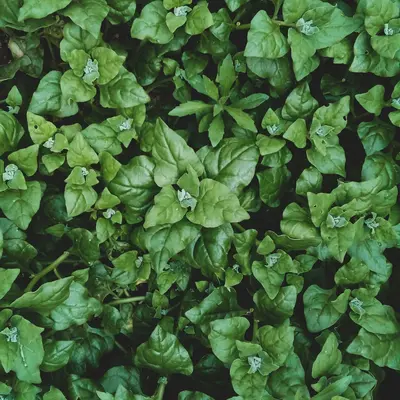
Watercress microgreens are delicate, tender sprouts with small rounded cotyledons and thin stems, harvested at 10-14 days for optimal flavor. These heirloom microgreens mature quickly in moist indoor conditions, delivering an intensely peppery, slightly spicy bite characteristic of full-sized watercress. Rich in vitamins and minerals, watercress microgreens add a distinctive sharp, fresh zing to salads, sandwiches, and Asian dishes. Their vibrant green color and peppery punch make them a favorite among chefs seeking bold flavor from a compact, nutrient-dense green.
Harvest
60d
Days to harvest
Sun
Indoor
Zones
1–11
USDA hardiness
Height
4-8 inches
Planting Timeline
Showing dates for Watercress in USDA Zone 7
All Zone 7 microgreen →Zone Map
Click a state to update dates
Watercress · Zones 1–11
Growing Details
Succession Planting
Watercress microgreens hit harvestable size around day 60 from sow, but you don't need to wait for one tray to finish before starting another. Stagger a new tray every 10–14 days and you'll cut continuously without a gap. Since this is an indoor crop with no seasonal ceiling, that cadence runs year-round — January through December, no adjustments needed for heat or frost.
The thing that breaks the rhythm isn't season — it's letting your supplies run low. Keep a bag of coconut coir, a stack of clean trays, and enough seed on hand so starting a new batch takes under 10 minutes. Let the system lapse for three weeks and you'll end up with nothing ready, then three trays ready at once.
Complete Growing Guide
Growing Watercress (Nasturtium officinale) microgreen. Light: Indoor. Hardy in USDA zones 1 to 11. Days to maturity: 16. Difficulty: Easy.
Harvesting
Ready for harvest in 16 days from sowing or transplant. Harvest at peak ripeness for best flavor and storage life. Pick regularly to encourage continued production where applicable.
Storage & Preservation
Harvest watercress microgreens at day 16 and store immediately in a sealed container lined with paper towels to absorb excess moisture. Keep at 32–40°F in the refrigerator, where they'll hold quality for 5–7 days. Higher humidity promotes faster deterioration, so ensure good air circulation within the container.
For longer preservation, freezing works well: blanch briefly (30 seconds) to preserve color and texture, then pack in freezer bags for up to three months. Alternatively, dry the microgreens in a low oven (95–105°F) or dehydrator until completely crisp, then store in airtight jars away from light. Watercress microgreens develop a sharper, more peppery bite as they age, so consider harvesting slightly earlier if milder flavor is preferred, then consuming fresh within 2–3 days for the most tender texture.
History & Origin
Watercress is open-pollinated, meaning seed saved from healthy plants will produce true-to-type offspring. Listed in the Johnny's Selected Seeds catalog.
Watercress or yellowcress is a species of aquatic flowering plant in the cabbage family, Brassicaceae.
Advantages
- +Easy to grow — beginner-friendly
- +Quick harvest — ready in about 16 days
- +Wide hardiness — grows in USDA zones 1-11
Companion Plants
Watercress grown as a microgreen lives in a tray, not a bed, so "companion planting" here is really about what you grow on the same shelf or table. Herbs like mint, chives, and parsley make decent neighbors — not because they form some symbiotic bond, but because their volatile oils can slow aphid and fungus gnat drift between trays, and they don't throw off your irrigation rhythm. Lettuce, spinach, and arugula are the most practical groupings: all three want the same frequent moisture and indirect indoor light that watercress needs, so you're not constantly adjusting conditions tray by tray.
Fennel is worth keeping off the shelf entirely. It produces anethole and other allelopathic compounds that suppress germination and early root development — watercress seedlings in the 3–7 day window are thin-stemmed enough that even mild chemical interference shows up as patchy, uneven germination. Radish isn't toxic to nearby trays, but it matures faster and grows taller, and if your shelving is tight it'll shade out slower crops before you realize what's happening.
Plant Together
Mint
Shares similar water requirements and helps repel ants and rodents
Parsley
Compatible growing conditions and attracts beneficial insects
Chives
Natural pest deterrent and shares preference for moist conditions
Lettuce
Similar water needs and harvest timing for microgreens
Spinach
Compatible cool-season crop with similar growing requirements
Cilantro
Thrives in cool, moist conditions and attracts beneficial insects
Arugula
Fellow brassica family member with similar water and temperature needs
Dill
Attracts beneficial insects and tolerates high moisture conditions
Keep Apart
Radish
May compete aggressively for water and nutrients in microgreen setup
Fennel
Allelopathic properties inhibit growth of most plants including watercress
Sunflower
Releases allelopathic compounds that can inhibit watercress germination
Nutrition Facts
Per 100g serving. % Daily Value based on 2,000 calorie diet. Source: USDA FoodData Central (FDC #167782)
Pests & Disease Resistance
Common Pests
Fungus gnats, aphids, spider mites
Diseases
Damping off, powdery mildew, root rot from excessive moisture
Troubleshooting Watercress
What you'll see, why it happens, and what to do about it.
Seedlings collapse at the soil line within the first 7–10 days after germination
Likely Causes
- Damping off (Pythium or Rhizoctonia spp.) — fungal rot triggered by overly wet growing medium with poor airflow
- Sowing too densely, which traps moisture and cuts off air circulation between stems
What to Do
- 1.Back off on watering — the medium should stay moist, not saturated; let the top 1/4 inch dry slightly between waterings
- 2.Spread seeds to maintain roughly 1–2 inches between plants so air can move
- 3.If it keeps happening, switch to a sterile soilless medium like coconut coir and sanitize your trays between batches
Tiny flies hovering around the growing medium; seedlings wilting or growing slowly despite adequate watering
Likely Causes
- Fungus gnats (Bradysia spp.) — larvae feed on roots in consistently wet medium, which watercress almost demands
- Keeping the medium surface perpetually wet, which is where adults lay eggs
What to Do
- 1.Set yellow sticky traps just above the tray to catch adults and track how bad it's gotten
- 2.Water from the bottom by tray-soaking so the surface layer dries out between sessions — gnat larvae need that wet top inch
- 3.Apply a Bacillus thuringiensis var. israelensis (Bti) drench like Gnatrol if the infestation is heavy; it kills larvae without harming the crop
White powdery coating on leaves, usually appearing after day 30 in low-airflow indoor conditions
Likely Causes
- Powdery mildew (Erysiphe spp.) — thrives in stagnant indoor air, especially when temperatures hold between 60–80°F
- Overcrowded trays that prevent any airflow between plants
What to Do
- 1.Point a small fan at the trays on low — even 20–30 minutes of airflow per day makes a measurable difference
- 2.Cut and use affected trays immediately; at the microgreen stage you're harvesting anyway, so don't wait it out
- 3.For future batches, sow a bit thinner and keep indoor humidity below 70% if you can manage it
Frequently Asked Questions
How long does it take to grow watercress microgreens?▼
Can you grow watercress microgreens in containers?▼
Is watercress microgreen good for beginners?▼
What does watercress microgreen taste like?▼
What are the best uses for watercress microgreens in cooking?▼
Why does watercress require more attention than other microgreen varieties?▼
Zone-by-Zone Planting Calendar
| Zone | Indoor Start | Transplant | Direct Sow | Harvest |
|---|---|---|---|---|
| Zone 3 | January – December | — | — | January – December |
| Zone 4 | January – December | — | — | January – December |
| Zone 5 | January – December | — | — | January – December |
| Zone 6 | January – December | — | — | January – December |
| Zone 7 | January – December | — | — | January – December |
| Zone 8 | January – December | — | — | January – December |
| Zone 9 | January – December | — | — | January – December |
| Zone 10 | January – December | — | — | January – December |
| Zone 1 | January – December | — | — | January – December |
| Zone 2 | January – December | — | — | January – December |
| Zone 11 | January – December | — | — | January – December |
| Zone 12 | January – December | — | — | January – December |
| Zone 13 | January – December | — | — | January – December |
Growing Guides from Wind River Greens
Sources & References
External authority sources used in compiling this guide.
- BreederJohnny's Selected Seeds
- USDAUSDA FoodData Central
See the Methodology page for how this data is sourced, what's AI-assisted, and known limitations.