Celosia
Celosia argentea plumosa
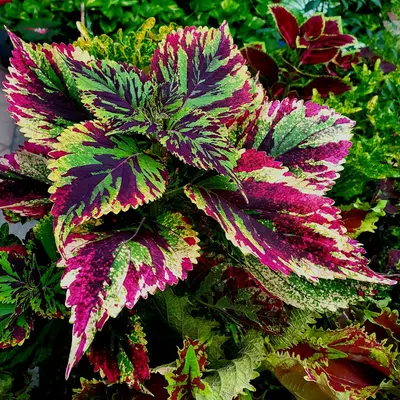
Bright green leaves with pink, orange, and yellow veins and stems.
Harvest
10-15d
Days to harvest
Sun
Full sun
Zones
10–11
USDA hardiness
Height
9-18 inches
Planting Timeline
Showing dates for Celosia in USDA Zone 7
All Zone 7 microgreen →Zone Map
Click a state to update dates
Celosia · Zones 10–11
Growing Details
Succession Planting
Celosia microgreens cut in 10–15 days, so you can run a tight, year-round rotation indoors. Sow a new tray every 7 days and you'll have a continuous harvest without gaps — two trays staggered is usually enough for most households. Unlike lettuce or arugula, there's no bolting threshold to plan around; indoor growing under consistent light and temps means the calendar puts no real ceiling on you. The main constraints are tray space and lumens, not the season.
Complete Growing Guide
Bright green leaves with pink, orange, and yellow veins and stems. According to Johnny's Selected Seeds, Celosia is 10 - 15 days to maturity, annual, open pollinated. Notable features: Hydroponic Performer.
Light: Full sun (6 or more hours of direct sunlight a day). Soil: High Organic Matter, Loam (Silt), Sand. Soil pH: Neutral (6.0-8.0). Drainage: Good Drainage, Occasionally Dry. Height: 0 ft. 9 in. - 1 ft. 6 in.. Spread: 0 ft. 9 in. - 1 ft. 0 in.. Spacing: 12 inches-3 feet. Growth rate: Rapid. Maintenance: Low. Propagation: Seed. Regions: Coastal, Piedmont.
Harvesting
Celosia reaches harvest at 10 - 15 days from sowing per Johnny's Selected Seeds. As an annual, harvest continues until frost ends the season.
Smooth, glossy, shiny capsule contain many seeds
Color: Black. Type: Capsule.
Edibility: The leaves and young shoots are cooked and used in soups and stews. The seeds yield edible oil.
Storage & Preservation
Harvest Celosia microgreens at day 10 and store them immediately in a breathable container lined with paper towels at 35–40°F and 85–90% humidity. A perforated plastic clamshell in the refrigerator works well. Fresh greens will keep for 5–7 days before wilting noticeably. For longer preservation, dry the microgreens slowly in a dehydrator set to 95–105°F until completely crisp, then store in an airtight jar away from light—dried Celosia retains its delicate, feathery texture and subtle peppery flavor for several months. Freezing is possible but results in significant texture loss after thawing. Celosia microgreens are particularly prone to moisture-related decay, so avoid washing them before storage; instead, rinse gently just before use.
History & Origin
Celosia is open-pollinated, meaning seed saved from healthy plants will produce true-to-type offspring. Listed in the Johnny's Selected Seeds catalog.
Origin: Tropical Africa
Advantages
- +Stunning multicolored veins and stems add visual appeal to dishes
- +Ready to harvest in just 10-15 days for quick returns
- +Beginner-friendly with easy growing requirements and minimal care needs
- +Delicate, tender leaves provide pleasant texture in salads and garnishes
Considerations
- -Susceptible to damping-off disease in overly moist conditions
- -Thin stems may require careful handling during harvesting and storage
- -Lower yield per tray compared to heartier microgreen varieties
Companion Plants
As a microgreen, celosia grows in trays, not in the ground, so companion logic is really about what shares your shelf or grow-light rack. Basil and cilantro are practical neighbors — both want bottom-watering and germinate well at 70–75°F, so you're not juggling conflicting care routines. Radish microgreens are worth slotting in close by for a different reason: they're cut-ready in 5–7 days, well before celosia finishes, so you can hand off tray space in sequence without a gap. Chives are slow enough that they won't disrupt the rhythm.
Fennel is the one to keep off the bench entirely. It produces allelopathic compounds — anethole and fenchone chief among them — that suppress germination and early root development in a wide range of plants. Even a potted fennel plant sitting nearby has been observed to set back small seedlings. Sunflower microgreens are fine grown on their own, but they put on 4–6 inches fast and will shade anything shorter if your bench layout isn't deliberate.
Plant Together
Basil
Repels aphids and thrips while attracting beneficial insects
Marigold
Deters nematodes and aphids with strong scent compounds
Nasturtium
Acts as trap crop for aphids and flea beetles
Lettuce
Similar growing conditions and harvest timing for microgreens
Spinach
Compatible growth habits and nutrient requirements
Cilantro
Attracts beneficial insects and has similar water needs
Chives
Repels aphids and other soft-bodied insects
Radish
Quick growth cycle complements microgreen harvesting
Keep Apart
Fennel
Produces allelopathic compounds that inhibit seed germination
Sunflower
Releases allelopathic chemicals that stunt growth of nearby plants
Walnut
Juglone production severely inhibits growth and development
Nutrition Facts
Per 100g serving. % Daily Value based on 2,000 calorie diet. Source: USDA FoodData Central (FDC #167782)
Pests & Disease Resistance
Common Pests
None typically; home-scale microgreens rarely encounter pest problems
Diseases
Damping-off (fungal), mold on soil surface if overwatered or humidity excessive
Troubleshooting Celosia
What you'll see, why it happens, and what to do about it.
Seedlings collapse at the soil line, often in a cluster, between days 5 and 10
Likely Causes
- Damping-off — typically Pythium or Rhizoctonia fungi, triggered by overwatering and poor airflow
- Watering from above, which keeps the surface wet and gives pathogens a foothold
What to Do
- 1.Water from below only — set the tray in a shallow dish and let the medium wick up what it needs
- 2.Run a small fan on low nearby; even gentle airflow cuts surface humidity significantly
- 3.If a whole tray goes down, toss it and start fresh — there's no saving a damped-off flat
Gray or white fuzzy mold on the soil surface, visible around days 7–12, before or after germination
Likely Causes
- Saprophytic surface mold (commonly Botrytis or Mucor species) feeding on undecomposed seed hulls or organic matter in the mix
- Humidity too high with no airflow — common under a humidity dome left on too long
What to Do
- 1.Remove the humidity dome as soon as germination hits 70–80% — celosia doesn't need it past that point
- 2.Scrape off the moldy layer with a spoon and water only from below going forward
- 3.Switch to a sterile, peat- or coir-based mix with no added compost, which gives surface mold less to feed on
Frequently Asked Questions
How long does celosia take to grow as a microgreen?▼
Is celosia microgreen good for beginners?▼
Can you grow celosia microgreens in containers?▼
What do celosia microgreens taste like?▼
How much light do celosia microgreens need?▼
Why are my celosia microgreens pale or lacking color?▼
Zone-by-Zone Planting Calendar
| Zone | Indoor Start | Transplant | Direct Sow | Harvest |
|---|---|---|---|---|
| Zone 3 | January – December | — | — | January – December |
| Zone 4 | January – December | — | — | January – December |
| Zone 5 | January – December | — | — | January – December |
| Zone 6 | January – December | — | — | January – December |
| Zone 7 | January – December | — | — | January – December |
| Zone 8 | January – December | — | — | January – December |
| Zone 9 | January – December | — | — | January – December |
| Zone 10 | January – December | — | — | January – December |
| Zone 1 | January – December | — | — | January – December |
| Zone 2 | January – December | — | — | January – December |
| Zone 11 | January – December | — | — | January – December |
| Zone 12 | January – December | — | — | January – December |
| Zone 13 | January – December | — | — | January – December |
Growing Guides from Wind River Greens
Sources & References
External authority sources used in compiling this guide.
- BreederJohnny's Selected Seeds
- USDAUSDA FoodData Central
See the Methodology page for how this data is sourced, what's AI-assisted, and known limitations.