Purple Radish Microgreens
Raphanus sativus var. purpureus
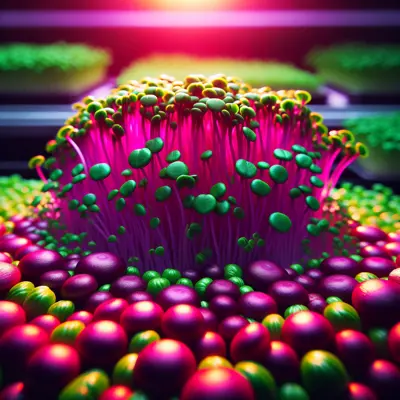
Stunning microgreens featuring vibrant purple stems topped with bright green cotyledons, delivering the classic peppery radish bite in miniature form. These colorful microgreens are among the most visually striking varieties available, making them favorites for garnishing and adding both spice and beauty to dishes. Fast-growing and virtually foolproof, they're perfect for beginners wanting dramatic results.
Harvest
6-12d
Days to harvest
Sun
Indirect light
Zones
2–11
USDA hardiness
Height
0-3 feet
Planting Timeline
Showing dates for Purple Radish Microgreens in USDA Zone 7
All Zone 7 microgreen →Zone Map
Click a state to update dates
Purple Radish Microgreens · Zones 2–11
Growing Details
Succession Planting
Succession is the whole point with microgreens. Sow a new 10x20 tray every 5-7 days and you'll have a continuous cut supply — each tray goes from seed to harvest in 6-12 days and doesn't regrow after cutting. Three trays staggered at days 1, 5, and 10 is a practical starting rhythm; tighten or widen the gap depending on how fast you actually use them. No heat threshold to manage indoors, so this schedule runs the same in January as it does in August.
Complete Growing Guide
Growing purple radish microgreens couldn't be simpler, making them perfect for your first foray into microgreen cultivation. You'll need a shallow growing tray (1-2 inches deep), a soilless growing medium like coconut coir or seed starting mix, and purple radish seeds.
Start by soaking your seeds in room temperature water for 4-6 hours to jumpstart germination. While they're soaking, fill your tray with about an inch of moistened growing medium. The medium should feel like a wrung-out sponge—damp but not soggy.
Drain your soaked seeds and scatter them densely across the surface. You want heavy coverage but not multiple layers—think of spreading butter on toast. Lightly sprinkle a thin layer of growing medium over the seeds, just enough to barely cover them. Unlike many microgreens that need a blackout period, purple radish microgreens can go straight under light.
Place your tray under grow lights or in a spot with bright, indirect natural light. Direct sunlight will scorch these tender greens. Mist the surface 2-3 times daily with a fine spray bottle, keeping the medium consistently moist but never waterlogged. You should see germination within 2-3 days.
Temperature matters more than most realize—keep your growing area between 65-75°F for optimal growth. Cooler temperatures slow growth significantly, while heat above 80°F can cause poor germination and weak stems.
The biggest mistake beginners make is overwatering. Purple radish microgreens are susceptible to damping-off fungus when too wet. If you notice white fuzzy growth on stems (not roots), reduce watering frequency and improve air circulation with a small fan.
For maximum yield, maintain 12-16 hours of light daily and ensure good air movement around your trays. Harvest when the cotyledons are fully opened and before true leaves appear, typically 6-12 days from seeding.
Harvesting
Harvest your purple radish microgreens when they reach 1-2 inches tall with fully opened cotyledons displaying vibrant purple stems and bright green leaves. The best visual cue is when the cotyledons have completely unfurled and lie flat—this indicates peak flavor and texture.
Perform the 'stand test' by gently touching the tray; the microgreens should stand upright without falling over. Harvest in the morning when the plants are most turgid and crisp from overnight moisture absorption.
Use clean scissors or a sharp knife to cut the stems about ¼ inch above the growing medium. Cut in small sections rather than attempting to harvest the entire tray at once—this prevents the uncut greens from wilting while you work. Avoid pulling or tugging, which can uproot neighboring plants and introduce growing medium into your harvest.
Don't wait too long after the cotyledons open, as purple radish microgreens become increasingly peppery and tough once true leaves begin developing. The sweet spot is typically days 8-10 when you'll get the perfect balance of spicy radish bite with tender texture.
Storage & Preservation
Fresh purple radish microgreens are highly perishable and best used immediately after harvest. For short-term storage, gently rinse and thoroughly dry them using a salad spinner or paper towels—any residual moisture will cause rapid deterioration.
Store in the refrigerator at 35-40°F in a container lined with paper towels to absorb excess moisture. Properly stored microgreens will maintain quality for 3-5 days, though flavor and texture decline after day three.
Unlike mature radishes, microgreens don't preserve well through traditional methods. Freezing destroys their delicate cellular structure, turning them mushy upon thawing. However, you can freeze them in ice cubes for adding to smoothies where texture isn't critical.
For best results, plan your sowings for continuous harvest rather than trying to preserve large quantities. Stagger plantings every 4-5 days to ensure a steady supply of fresh microgreens. The quick growing time makes succession planting far more practical than preservation methods.
History & Origin
Purple radish microgreens represent a relatively recent innovation in the ancient practice of growing young edible plants. While radishes (Raphanus sativus) have been cultivated for over 4,000 years, originating in Southeast Asia before spreading to Egypt and Greece, the concept of harvesting them as microgreens only emerged in the 1980s.
The microgreens movement began in fine dining restaurants in San Francisco and Los Angeles, where chefs sought intensely flavored, visually striking garnishes. Purple radish varieties, bred for their anthocyanin-rich stems, became particularly popular because they retained their vibrant coloration even at the microgreen stage.
Unlike traditional radish varieties bred for root development, the radishes used for purple microgreens are specifically selected for stem color and cotyledon size. These breeding efforts intensified in the 1990s as commercial microgreen production expanded beyond restaurant kitchens into home gardening.
The purple coloration comes from the same anthocyanin compounds found in red cabbage and purple cauliflower, making these microgreens not just beautiful but also nutritionally dense. Today's purple radish microgreen seeds are typically sourced from varieties like 'Purple Top' or 'Red Arrow,' chosen specifically for their reliable germination and consistent coloration in microgreen production.
Advantages
- +Incredibly fast germination (24-48 hours) provides near-instant gratification for new growers
- +No blackout period required, simplifying the growing process compared to other microgreens
- +Exceptionally vibrant purple stems retain color intensity even under varying light conditions
- +Naturally resistant to most fungal diseases that plague other microgreen varieties
- +Seeds remain viable for 3-4 years when properly stored, excellent shelf life
- +Thrives in cooler conditions (60-70°F) making them ideal for basement or winter growing
- +Produces dense, uniform stands with minimal seed waste or poor germination patches
Considerations
- -Extremely short harvest window (2-3 days) before becoming too peppery and tough
- -Cannot be regrown after cutting unlike some microgreen varieties
- -Highly perishable with maximum 5-day refrigerator storage life
- -Seeds require pre-soaking which adds an extra step to the growing process
- -Intense peppery flavor can overwhelm delicate dishes if used too liberally
Companion Plants
Purple radish microgreens live on a shelf or countertop, not a garden bed, so companion logic is really about what shares your indoor growing setup. Lettuce, arugula microgreens, and spinach are the most practical neighbors — same indirect light, same daily misting, one routine covers the lot. Cilantro works on the same shelf too, though it germinates a few days slower, so start it 3-4 days ahead to keep harvests aligned. Brassica-family microgreens (broccoli, kale, cabbage) are worth keeping in separate trays: they compete for the same nutrients in the growing medium, and if damping-off hits one tray, close contact accelerates spread.
Plant Together
Lettuce
Compatible growing conditions and harvest timing, doesn't compete for space
Arugula Microgreens
Similar growth requirements and harvest period, complementary flavors
Spinach
Thrives in cool conditions like radish microgreens, non-competitive root systems
Peas
Fixes nitrogen in soil which benefits radish growth, compatible spacing
Chives
Repels aphids and flea beetles that can damage radish microgreens
Nasturtiums
Acts as trap crop for flea beetles and aphids, protecting radish microgreens
Carrots
Different root depths prevent competition, carrots benefit from radish's pest-repelling properties
Cilantro
Similar cool-weather preferences and quick growth cycle
Keep Apart
Brassica Family Plants
Susceptible to same diseases like clubroot and black rot, attracts similar pests
Tomatoes
Different water and temperature requirements can stress radish microgreens
Pole Beans
Can shade delicate microgreens and compete for nutrients during rapid growth phase
Nutrition Facts
Per 100g serving. % Daily Value based on 2,000 calorie diet. Source: USDA FoodData Central (FDC #169276)
Pests & Disease Resistance
Resistance
Excellent disease resistance
Common Pests
Flea beetles if grown outdoors, minimal issues indoors
Diseases
Very disease resistant, occasional damping-off if overwatered
Troubleshooting Purple Radish Microgreens
What you'll see, why it happens, and what to do about it.
Seedlings collapse at the base and fall over, usually around day 3-5
Likely Causes
- Damping-off (Pythium or Rhizoctonia spp.) caused by overwatering and poor airflow
- Tray sitting in standing water at the bottom
What to Do
- 1.Bottom-water only — pour water into the tray beneath, not onto the seeds or shoots, and dump any standing water after 20 minutes
- 2.Run a small fan on low nearby to keep air moving across the surface
- 3.If it keeps happening, sanitize trays with a 10% bleach solution between grows
Pale, leggy stems stretching 3+ inches with washed-out color instead of deep purple
Likely Causes
- Insufficient light — grow lights too far away or window light too weak
- Skipping the weighted blackout period during germination, which causes premature etiolation
What to Do
- 1.Move grow lights to within 2-4 inches of the tray surface, or bump intensity if your light has a dimmer
- 2.During the first 2-3 days, stack a second tray on top with a small weight (a full water bottle works) to keep seeds pressed to the medium and in the dark
- 3.After uncovering, give the tray at least 12 hours of light per day
Fuzzy white coating on seeds or roots visible at day 2-4
Likely Causes
- Mold growth (commonly Mucor or Botrytis spp.) from excess surface moisture combined with stagnant air
- Overseeding — too many seeds packed together trapping humidity
What to Do
- 1.Distinguish mold from root hairs first: root hairs grow in uniform rows directly from the seed coat; mold is patchy, irregular, and smells musty
- 2.If it's mold, cut misting to once daily and put a small clip fan on the tray immediately
- 3.Seed at roughly 1 oz per 10x20 tray — piling seeds on thick is the single fastest way to invite this problem
Frequently Asked Questions
How long do purple radish microgreens take to grow?▼
Do purple radish microgreens need to be soaked before planting?▼
Can you grow purple radish microgreens without soil?▼
What do purple radish microgreens taste like?▼
Why are my purple radish microgreens falling over?▼
Can purple radish microgreens be grown outdoors?▼
Zone-by-Zone Planting Calendar
| Zone | Indoor Start | Transplant | Direct Sow | Harvest |
|---|---|---|---|---|
| Zone 3 | January – December | — | — | January – December |
| Zone 4 | January – December | — | — | January – December |
| Zone 5 | January – December | — | — | January – December |
| Zone 6 | January – December | — | — | January – December |
| Zone 7 | January – December | — | — | January – December |
| Zone 8 | January – December | — | — | January – December |
| Zone 9 | January – December | — | — | January – December |
| Zone 10 | January – December | — | — | January – December |
| Zone 1 | January – December | — | — | January – December |
| Zone 2 | January – December | — | — | January – December |
| Zone 11 | January – December | — | — | January – December |
| Zone 12 | January – December | — | — | January – December |
| Zone 13 | January – December | — | — | January – December |
Growing Guides from Wind River Greens
Sources & References
External authority sources used in compiling this guide.
See the Methodology page for how this data is sourced, what's AI-assisted, and known limitations.