Zone 10 Coverage
Planting Timeline — All Varieties
Growing Squash & Cucumbers in Zone 10
Zone 10 gardeners hit the jackpot when it comes to growing squash, with a luxurious 320-day growing season that allows for multiple plantings and impressive harvests. The mild winters and year-round warmth create ideal conditions for both summer and winter squash varieties, though the intense heat and humidity during peak summer months can stress plants and invite pest pressure. The key is choosing heat-tolerant varieties and timing your plantings to avoid the most brutal summer conditions.
When selecting squash for Zone 10, prioritize varieties with strong disease resistance, particularly to powdery mildew and squash vine borers which thrive in humid conditions. Look for compact bush varieties that won't sprawl excessively in the heat, and consider vining types that can climb trellises for better air circulation. The varieties listed here have proven themselves capable of handling Zone 10's unique combination of extended growing season, high humidity, and occasional temperature extremes while producing reliable, flavorful harvests.
Variety Comparison
| Variety ↑ | Days | Difficulty |
|---|---|---|
| Acorn Squash (Table Queen) | 85-100 | Easy |
| Autumn Colors Cushaw | 105 | Moderate |
| Benning's Green Tint Pattypan | 50-60 | Easy |
| Black Beauty Zucchini | 90-100 | Easy |
| Blue Hubbard Squash | 100 | Moderate |
| Bottle or Birdhouse | 125 | Moderate |
| Burgess Buttercup Squash | 100-110 | Moderate |
| Buttercup Maxima | 95-105 | Moderate |
| Buttercup Squash | 115 | Moderate |
| Buttercup Squash (Burgess Strain) | 100-120 | Moderate |
| Butternut Squash | 105 | Easy to Moderate |
| Butterscotch Winter Squash | 100-110 | Moderate |
| Carmine Splendor | 51 | Moderate |
| Carnival Acorn Squash | 100-110 | Easy to Moderate |
| Casper | 95 | Moderate |
| Cocozelle Italian Heirloom Zucchini | 55-65 | Easy |
| Connecticut Field Pumpkin | 100-120 | Moderate |
| Costata Romanesco Zucchini | 52 | Easy |
| Cushaw Green Striped | 110-120 | Moderate to challenging |
| Delicata Squash | 95 | Easy to Moderate |
| Dinosaur Gourd | 125 | Moderate |
| Fordhook Acorn Squash | 85-100 | Easy to Moderate |
| Gem Squash | 70-85 | Easy |
| Golden Acorn Squash | 85-100 | Easy to Moderate |
| Green Zucchini (Black Beauty type) | 50-55 | Easy |
Variety Details
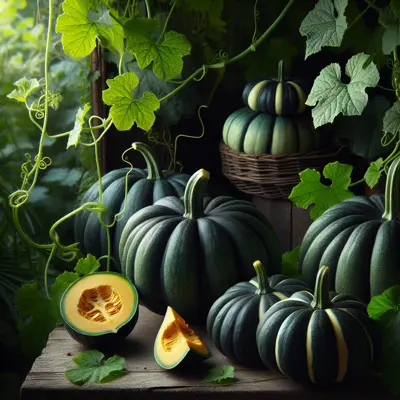
Acorn Squash (Table Queen)
A compact winter squash perfect for small gardens and new gardeners, producing reliable harvests of ribbed, acorn-shaped fruits. Its mild, slightly sweet flesh and convenient single-serving size make it ideal for stuffing and roasting. This dependable variety has been a American garden staple since the early 1900s.
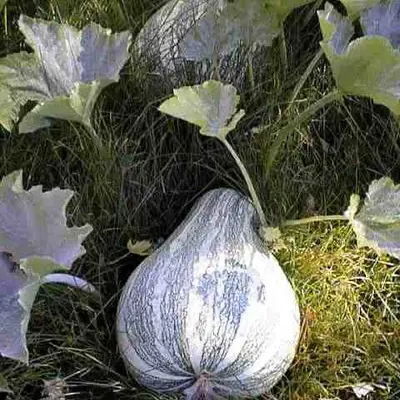
Autumn Colors Cushaw
Unusual, tri-colored fruits have green bottoms, light orange tops, and white stripes from top to bottom. Avg. 4-10 lb. Great for decorating.
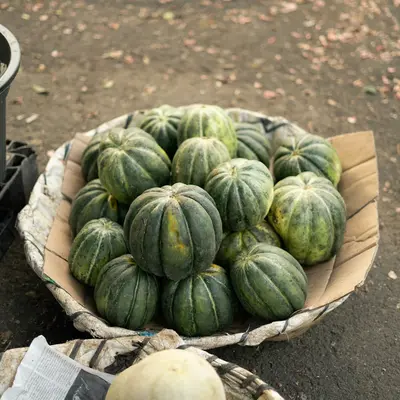
Benning's Green Tint Pattypan
A charming heirloom summer squash dating back to the 1800s, featuring distinctive scalloped edges and pale green skin that turns creamy white as it matures. This productive bush variety produces tender, buttery-flavored fruits that are perfect for stuffing when small or slicing when larger. The unique flying saucer shape and delicate flavor make it a conversation starter in any garden.
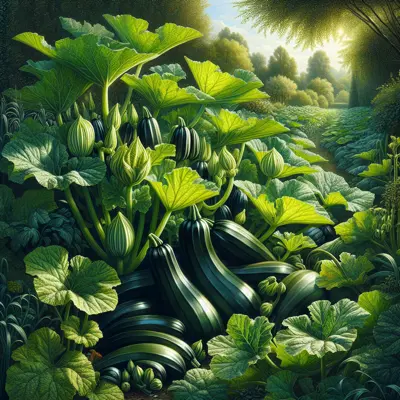
Black Beauty Zucchini
Black Beauty Zucchini is a classic heirloom squash variety prized for its deep, glossy dark green skin and tender, flavorful flesh. Reaching maturity in 90-100 days, this variety produces elongated fruits that are best harvested when young and tender, typically 6-8 inches long. The defining characteristic of Black Beauty is its mild, slightly sweet flavor with a delicate texture that makes it ideal for cooking, grilling, or eating raw in salads. This productive plant thrives in full sun and rich, well-drained soil, making it an excellent choice for home gardeners seeking reliable, quality harvests.
Blue Hubbard Squash
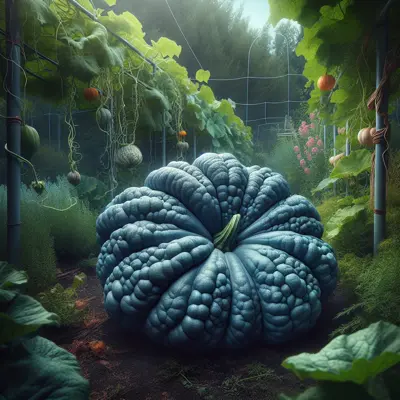
A beloved heirloom with a hard, bumpy, blue-green shell. A fall tradition at New England roadside stands. Medium-dry, medium-sweet yellow flesh. Avg. weight: 12-15 lb., with some larger.
Bottle or Birdhouse
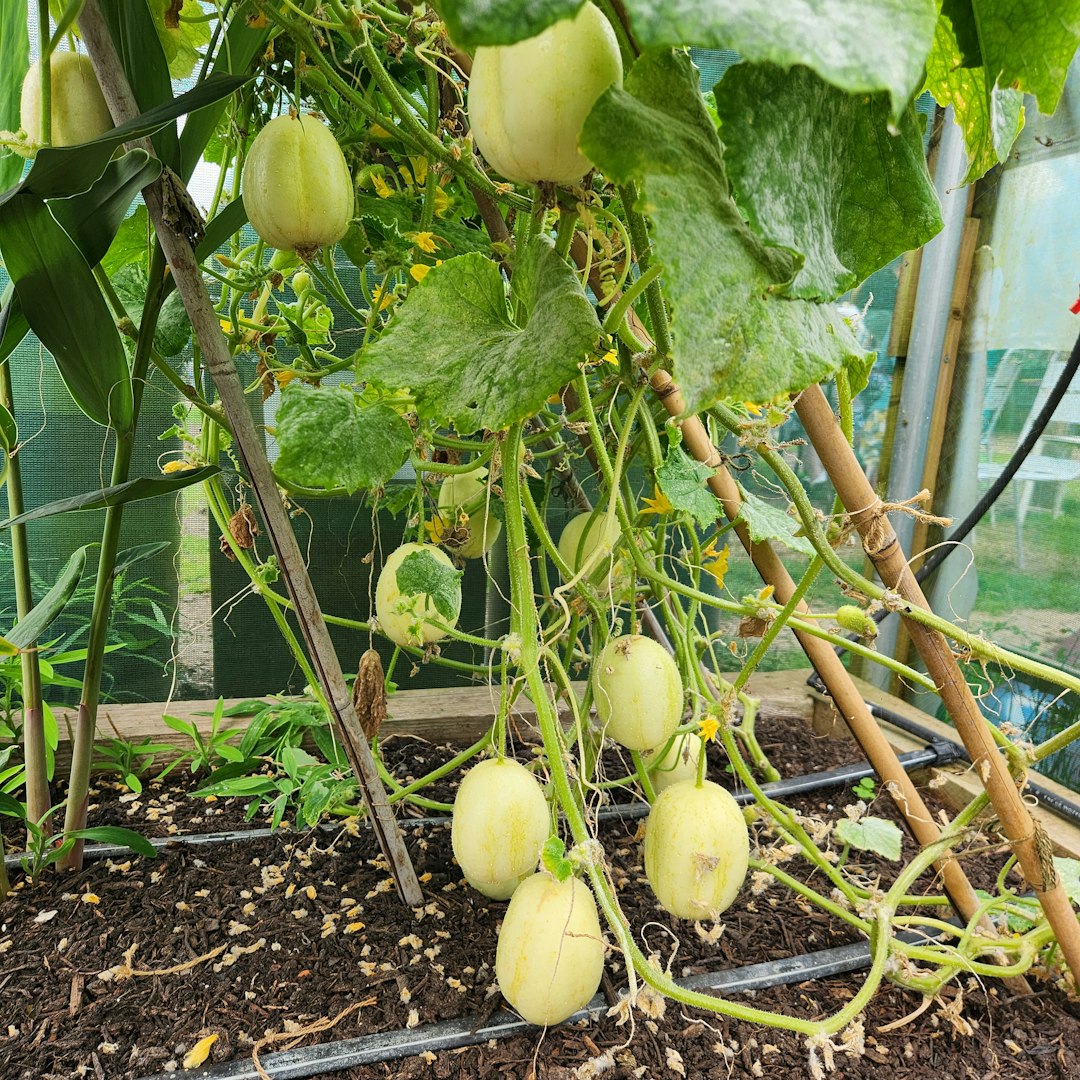
Bottle or Birdhouse squash is an heirloom decorative variety prized for its distinctive bulbous, bottle-shaped fruits with narrow necks resembling miniature gourds. Maturing in approximately 125 days, it produces tan or cream-colored gourds that are primarily ornamental, though the flesh is technically edible when young. The defining feature is its dramatic, whimsical form that makes it popular for fall decorations and dried arrangements rather than culinary use.
Burgess Buttercup Squash
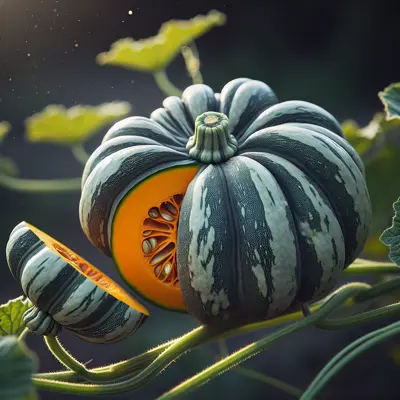
A premium winter squash variety prized by gardeners for its exceptional sweet, nutty flavor and vibrant orange flesh that rivals the best sweet potatoes. This reliable heirloom produces dark green, turban-shaped fruits with distinctive gray "caps" that store beautifully through winter months. The dense, dry flesh and outstanding flavor make it the gold standard for pies, soups, and gourmet cooking.
Buttercup Maxima
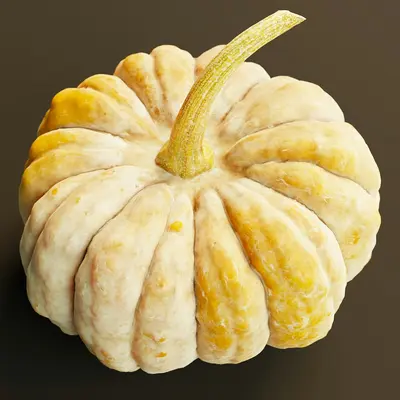
A premium winter squash with dark green skin and distinctive light green stripes, prized for its incredibly sweet, smooth orange flesh that rivals sweet potatoes in flavor. This compact storage squash has excellent keeping qualities and a creamy, dense texture that makes it perfect for soups, pies, and roasting. The turban-shaped fruits are not only delicious but also decorative.
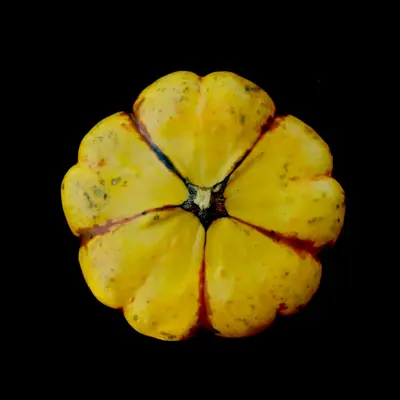
Buttercup Squash
Buttercup Squash is a heirloom winter squash with distinctive dark green skin and a characteristic ridged button on the bottom end. It reaches maturity in approximately 115 days and produces medium-sized fruits weighing 2-4 pounds. The flesh is vibrant orange, sweet, and creamy with rich flavor notes reminiscent of sweet potato and honey. This variety excels in roasting, pies, and purees, delivering consistent, buttery results that make it a favorite for autumn cooking.
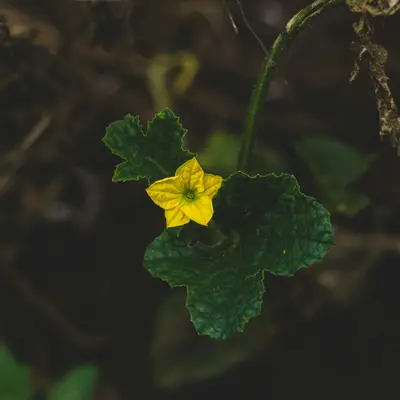
Buttercup Squash (Burgess Strain)
A beloved winter squash variety that produces dark green, turban-shaped fruits with a distinctive button on the blossom end and sweet orange flesh that's incredibly versatile in the kitchen. This reliable producer stores exceptionally well through winter and offers one of the best flavor profiles of any winter squash - sweet, nutty, and creamy when cooked. Perfect for gardeners wanting a premium winter squash that excels in both storage and culinary applications.
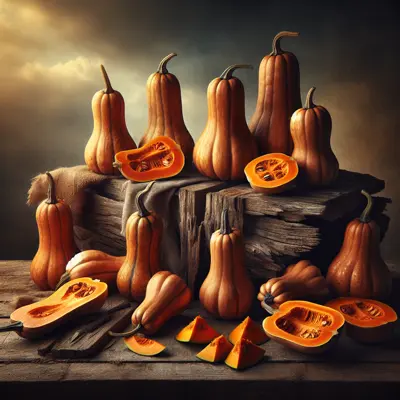
Butternut Squash
Butternut squash is a bell-shaped winter squash with tan, smooth skin and deep orange flesh. Reaching maturity in approximately 105 days, it develops a sweet, nutty flavor with creamy texture and subtle hints of brown butter. The thick rind makes it excellent for storage and ideal for both roasting and puréeing. This heirloom variety thrives in full sun and well-amended soil, making it accessible for gardeners of varying experience levels. Its natural sweetness and versatile culinary applications—from soups to side dishes—make it a popular choice for fall and winter cooking.
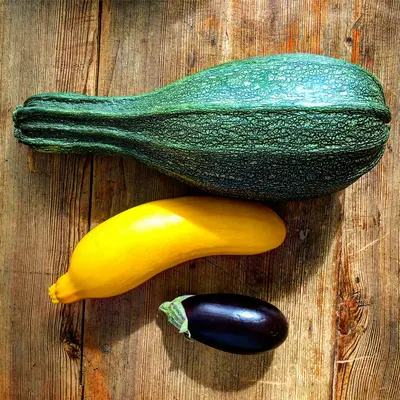
Butterscotch Winter Squash
A stunning winter squash that combines the best qualities of butternut and buttercup varieties, featuring smooth, tan-colored skin and incredibly sweet, orange flesh that tastes like candy. This vigorous vine produces large, bell-shaped fruits that store exceptionally well through winter. The rich, creamy texture and complex sweetness make it a gourmet favorite for roasting and soups.
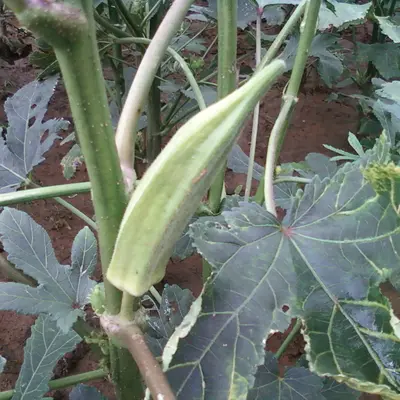
Carmine Splendor
Stout 5-pointed pods are deep red when small, fading to a lighter red/pink when larger. Mid- to late-summer harvest season. Fast-maturing, stalky, upright plants. Attractive pink-tinted edible flower.Edible Flowers: Deep fry flowers or eat them stuffed, or use fresh as a striking, exotic-looking garnish. Sweet and mild flavor.
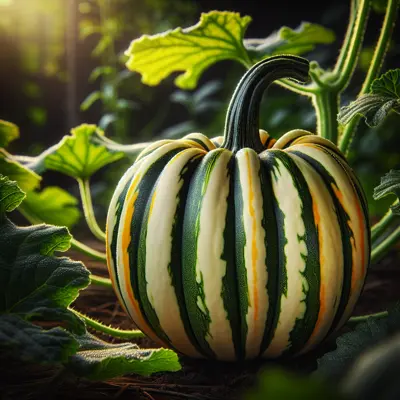
Carnival Acorn Squash
A stunning hybrid that looks like a painter's masterpiece with cream-colored base decorated with green and orange stripes and splashes. Beyond its incredible beauty, it offers sweet, nutty flesh that's perfect for stuffing and the compact size is ideal for small families. This variety turns heads at farmers markets and dinner tables alike.
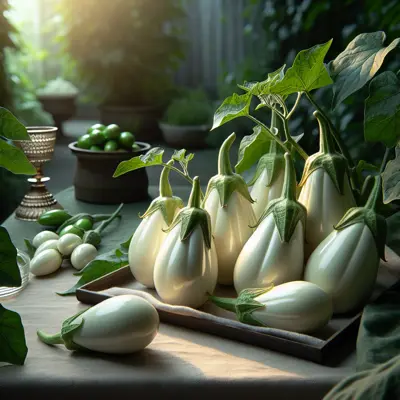
Casper
Casper is a distinctive heirloom squash variety prized for its pale, creamy-white skin and exceptional flavor profile. Maturing in approximately 95 days, this winter squash produces medium-sized fruits with a mild, exceptionally sweet taste and creamy, non-bitter flesh that sets it apart from other squash varieties. Its unique color and tender meat make it ideal for roasting, purees, and soups. The variety thrives in full sun with rich, well-drained soil amended with organic matter, though moderate cultivation skills are required. Despite its refined flavor, Casper requires vigilance against common squash pests including flea beetles, aphids, and hornworms.
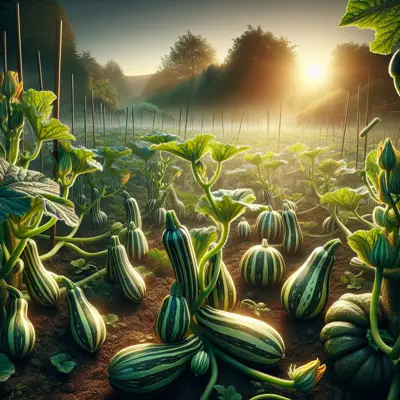
Cocozelle Italian Heirloom Zucchini
An Italian heirloom dating back to the 1890s, this distinctive zucchini stands out with its beautiful striped pattern and superior flavor that puts modern varieties to shame. The dark green fruits with light green stripes have incredibly tender skin when young and dense, flavorful flesh that holds up beautifully in cooking. This variety embodies the authentic taste of traditional Italian cooking.
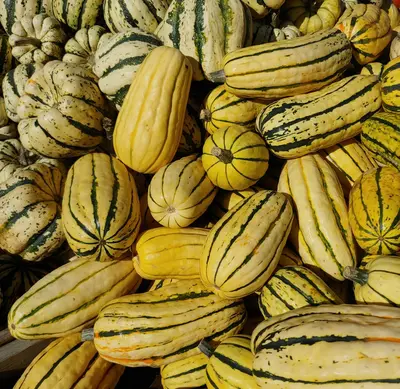
Connecticut Field Pumpkin
The classic American jack-o'-lantern pumpkin that has been grown since the 1700s, beloved for its perfect carving size and traditional orange color. This reliable heirloom produces large, ribbed pumpkins that are not only ideal for Halloween decorations but also excellent for pies and baking. Connecticut Field is the quintessential pumpkin variety that connects modern gardeners to centuries of American agricultural tradition.
Costata Romanesco Zucchini
This distinctive zucchini is medium gray-green, with pale green flecks and prominent ribs. Big, large-leafed, semi-vining plants with only about half the yield of hybrids, but much better flavor; clearly better textured, nutty, and delicious, raw or cooked. Also a good producer of heavy male blossoms for cooking. Edible Flowers: Blossoms bear a mild, squash-like flavor and are great stuffed and fried, or sliced for used in soups, omelets, salads, and pasta dishes.
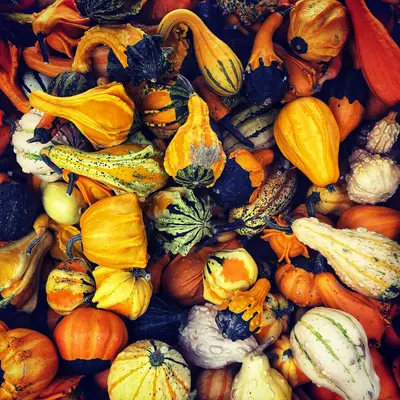
Cushaw Green Striped
An ancient heirloom winter squash with a distinctive curved neck and beautiful green and white striped skin that has been grown by Native Americans for centuries. This vigorous vine produces massive fruits that can weigh up to 20 pounds, with sweet, fine-textured orange flesh that's perfect for pies and baking. The curved shape and striking appearance make it as ornamental as it is delicious.
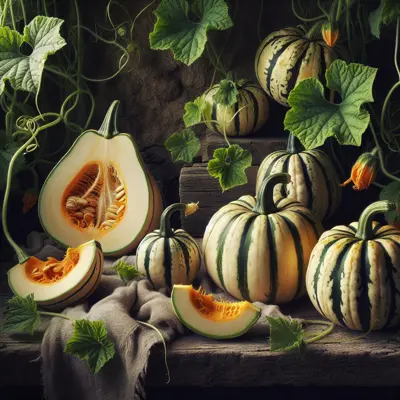
Delicata Squash
Delicata Squash is an heirloom winter squash known for its elegant, pale yellow-green oblong shape with thin, edible skin when mature. This variety reaches harvest readiness in approximately 95 days, producing small to medium-sized fruits (6-9 inches long) that develop golden-orange undertones as they ripen. The thin, tender rind distinguishes Delicata from other winter squashes and can be eaten when cooked. Its defining characteristic is its exceptionally sweet, creamy flesh with subtle corn and sweet potato notes, making it ideal for roasting, sautéing, or use in both savory and dessert applications. Despite its refined flavor profile, Delicata is surprisingly easy to grow in full sun conditions.
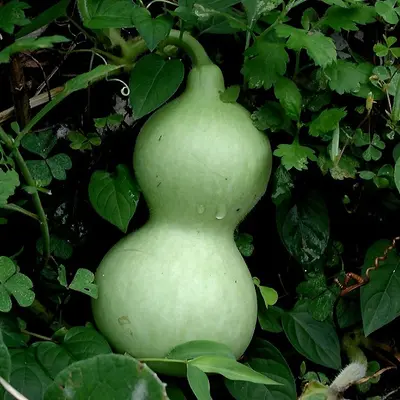
Dinosaur Gourd
Lustrous green skin with distinct ridges for a unique reptilian appearance. Impressive yields of large, 18-24" long fruits. Can be dried like a bottle gourd. Avg. weight: 3 1/2 lb.
Fordhook Acorn Squash
A superior acorn squash variety developed by Burpee in the 1890s, prized for its consistent acorn shape and exceptional sweet, nutty flavor. Fordhook produces thick-walled fruits with bright orange flesh that becomes incredibly tender and flavorful when roasted. This heirloom variety offers better eating quality than many modern acorn squashes and stores exceptionally well through winter.
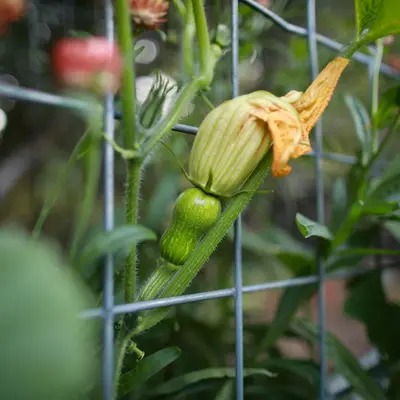
Gem Squash
A unique South African heirloom that produces small, round squashes perfect for individual servings and container growing. These charming little squashes start cream-colored and develop beautiful golden-yellow skin at maturity, with sweet, tender flesh that's delicious when simply steamed or roasted whole. Gem squash is prized for its compact size, attractive appearance, and excellent storage capabilities.
Golden Acorn Squash
A beautiful golden-yellow variant of the classic acorn squash that's perfect for individual servings and stunning fall displays. Golden Acorn offers the same sweet, nutty flavor as traditional acorn squash but with a gorgeous bright yellow color that adds visual appeal to any meal. The compact size makes it ideal for stuffing and the productive vines yield numerous fruits perfect for autumn harvests.
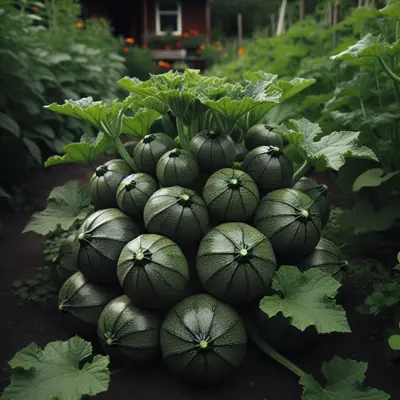
Green Zucchini (Black Beauty type)
A compact, round zucchini variety that's perfect for stuffing and produces adorable baseball-sized fruits. Eight Ball zucchini offers all the tender flavor of traditional zucchini in a space-saving bush plant that's ideal for small gardens. The uniform, dark green spheres are incredibly versatile and harvest easily without the oversized surprises of regular zucchini.
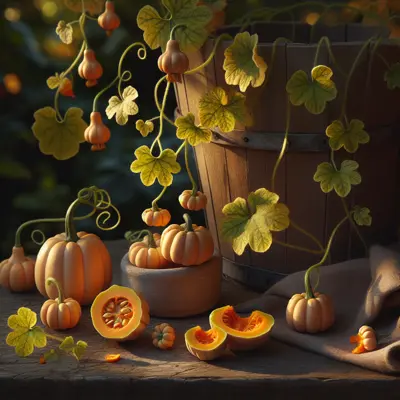
Honeynut Squash
This distinctive dark tan butternut has a loyal following among customers, who often ask for it by name. Honeynut is later-maturing, so plant early to achieve best tan coloration. If stored green, fruits will eventually ripen to tan in storage. Developed by the Vegetable Breeding Institute at Cornell University. Avg. weight: 1-2 lb.
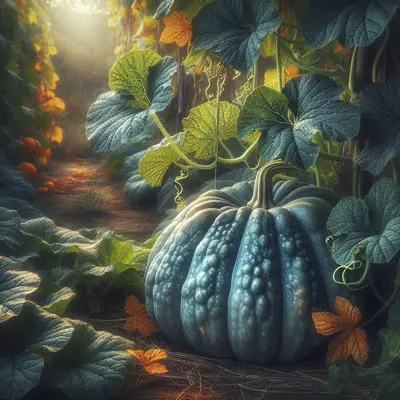
Hubbard Blue Squash
A massive heirloom winter squash that can reach 40+ pounds, prized for its incredible storage life and sweet, fine-textured orange flesh. This impressive variety with its distinctive blue-gray bumpy skin has been a homestead favorite since the 1890s, providing months of nutritious meals from a single harvest. The ultimate storage squash that gets sweeter with time and can last 6-8 months when properly cured.

Jack Be Little Pumpkin
These adorable miniature pumpkins are perfect for fall decorating and Halloween displays. The compact vines produce dozens of palm-sized, bright orange pumpkins that are both ornamental and edible. Their prolific nature and charming appearance make them a favorite for gardeners wanting impressive autumn harvests from small spaces.
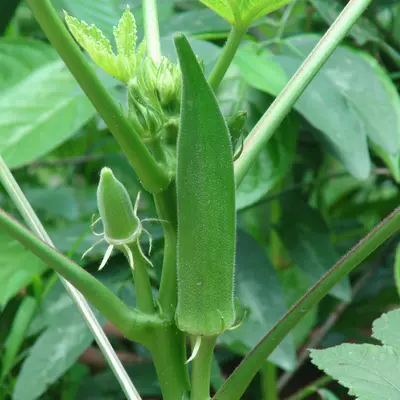
Jambalaya 2.0
Very uniform pods with 5 points. Large, robust flowers are also edible. Makes a great ornamental in containers.Edible Flowers: Deep fry flowers or eat them stuffed, or use fresh as a striking, exotic-looking garnish. Sweet and mild flavor.
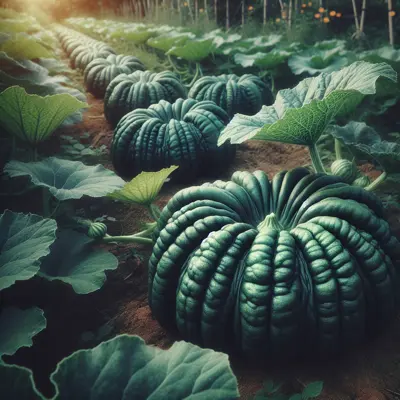
Kabocha Winter Squash
Often called Japanese pumpkin, this incredibly sweet winter squash has a texture like sweet potato and chestnut combined. The dense, bright orange flesh is naturally creamy and requires no butter or seasoning to be absolutely delicious. A favorite among chefs and health-conscious gardeners.
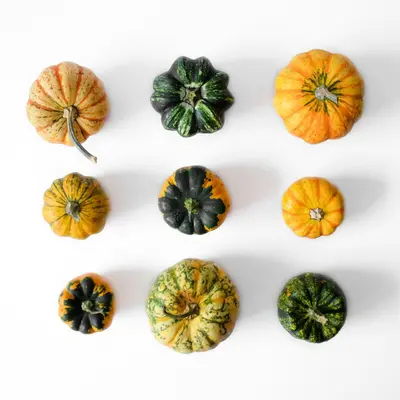
Lakota Winter Squash
A stunning heirloom winter squash with distinctive orange and green teardrop-shaped fruits that were traditionally grown by the Lakota Sioux tribe. The beautiful pear-shaped squash features sweet, fine-textured orange flesh that rivals butternut in flavor and cooking quality. These eye-catching squash store exceptionally well and make gorgeous autumn decorations before being transformed into delicious meals.
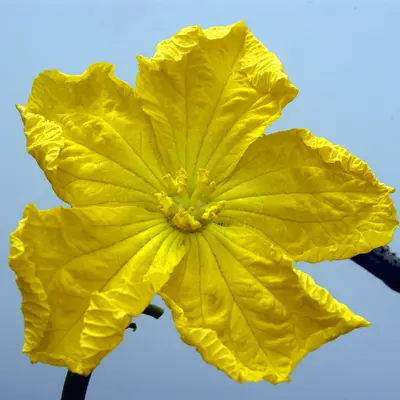
Luffa Gourd
Long vigorous vines with strong natural tolerance to many common cucurbit diseases and pests. Immature fruit can be eaten or allowed to mature on the vine to be cured and used as a sponge. Northern growers: for best success with this long-season crop, start as transplants and plant in a warm location. Space 36-48" apart. May require trellising or support. Avg. weight: 1-1 1/2 lb.
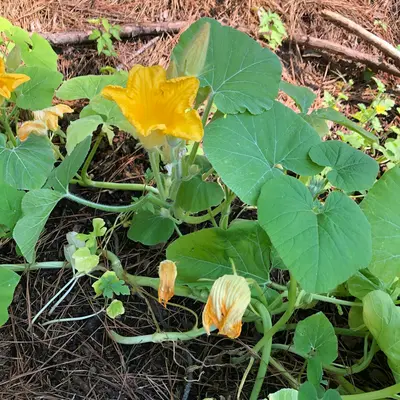
Marina di Chioggia Pumpkin
Avg. 6-12 lb. bumpy squashes make a wild, yet subdued ornamental statement for fall. Amy Goldman in her new book, The Compleat Squash, describes this Italian seaside specialty as deliziosa, especially for gnocchi and ravioli, and a culinary revelation.
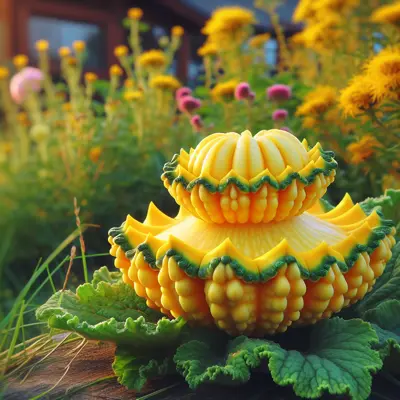
Pattypan Squash (Sunburst)
A cheerful hybrid summer squash that looks like little flying saucers in bright yellow with distinctive scalloped edges that make every harvest feel festive. This compact, productive variety is perfect for small gardens and containers, producing tender, buttery-flavored fruits that are as beautiful as they are delicious. The unique UFO shape and vibrant color make it a favorite for farmers markets and gourmet cooking.
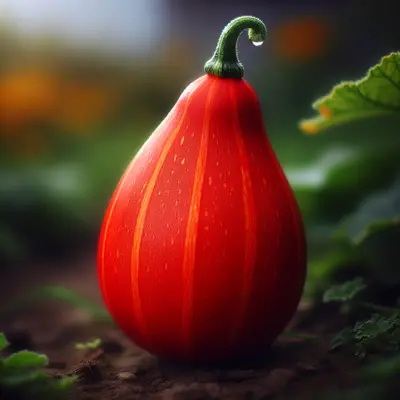
Red Kuri Squash
Baby red hubbard with appealing color and shape. Flesh is smooth in texture and great for pies and purées because specks of skin (being red) will not show. Also known as Orange Hokkaido. Avg. weight: 3-5 lb.

Romanesco Zucchini
Romanesco zucchini is a striking heirloom variety distinguished by its pale green, ribbed exterior and compact, tapered shape. Maturing in approximately 95 days, it delivers superior flavor compared to conventional zucchini—nutty and sweet with a distinctly firm texture that holds up well in cooking. The plant thrives in full sun with rich, well-draining loam enriched with organic matter. Moderately easy to grow, this variety excels both as a fresh market crop and culinary ingredient, offering gardeners an heirloom option with genuinely enhanced taste and texture.
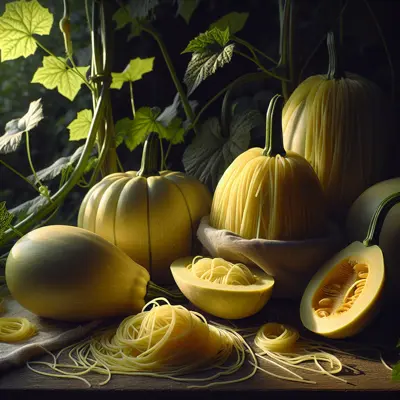
Spaghetti Squash
This excellent open-pollinated strain's flesh has the best noodle-like consistency in our trials. Slightly sweet, nutty flavor. Oblong in shape with ivory skin that changes to pale yellow at maturity. An excellent pasta alternative - bake or boil, fork out the flesh, and top the "spaghetti" with your favorite sauce. Short vines. Avg. weight: 3-5 lb.
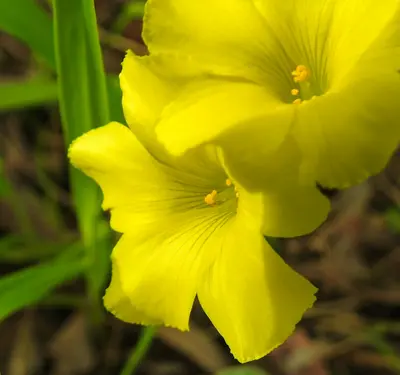
Straightneck Yellow Summer Squash
A classic summer squash variety that produces straight, bright yellow fruits with tender skin and creamy white flesh perfect for countless summer dishes. This prolific bush-type plant delivers abundant harvests throughout the growing season, making it a staple in home gardens for generations. The mild flavor and versatile size make it perfect for everything from simple sautéing to elaborate summer casseroles.

Sugar Pie Pumpkin
The gold standard for homemade pumpkin pie and fall baking. These compact, sweet pumpkins produce thick, smooth flesh that's naturally creamy without being watery. Perfect size for small families and much more flavorful than store-bought canned pumpkin.
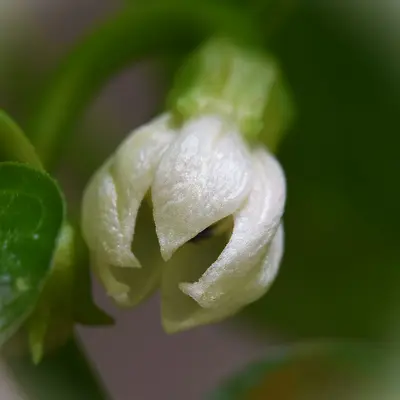
Sweet Dumpling Winter Squash
An adorable miniature winter squash that looks like a tiny pumpkin with cream-colored skin decorated with dark green stripes and ribs. Each compact vine produces 6-10 individual-serving sized fruits with sweet, tender flesh that's perfect for stuffing or roasting whole. The attractive appearance and convenient single-serving size make it ideal for fall decorations that transition beautifully to the dinner table.
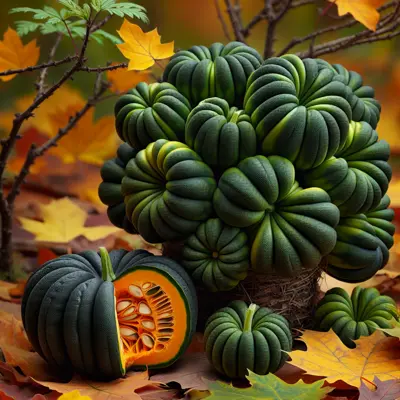
Table King Bush Acorn Squash
A space-saving bush variety that delivers all the classic acorn squash flavor without the sprawling vines. This compact plant produces perfectly proportioned, single-serving acorn squashes with deep ridges and sweet, orange flesh that becomes incredibly tender when roasted. Its bush habit makes it perfect for smaller gardens while still providing excellent yields.
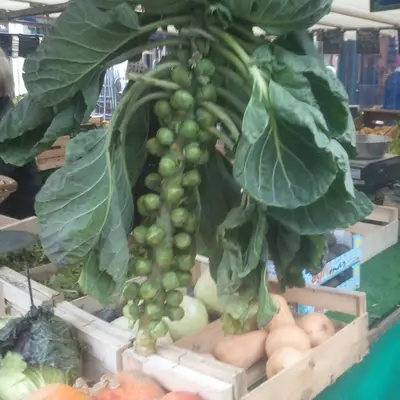
Tetsukabuto
An innovative kabocha/butternut cross that produces high yields even under stress. Unique parentage bestows resistance to vine borers and powdery mildew. Cooks will appreciate its sweet, nutty flavor and versatility in the kitchen. Exceptionally long storage potential. NOTES: 1) Cure 6 weeks before eating. 2) Must be grown near butternut, kabocha, hubbard, or buttercup squash to produce fruit. Avg. weight: 3-5 lb.
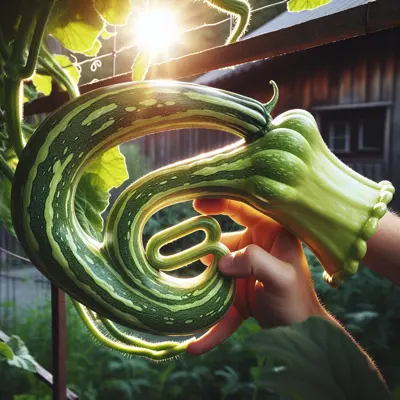
Tromboncino Squash
An Italian heirloom that's part sculpture, part vegetable with its incredible curved neck resembling a trombone. This vigorous climbing vine can be eaten young like zucchini or left to mature into a sweet winter squash. Its unique growth habit and dual-purpose nature make it a fascinating conversation starter in any garden.
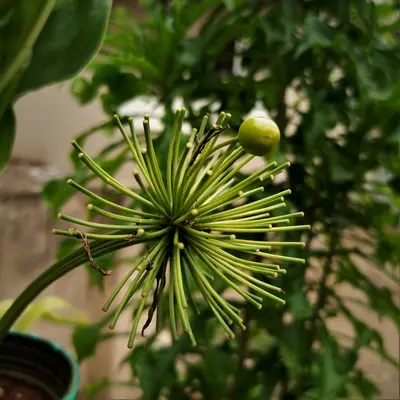
Turban Squash
Turban Squash is a distinctive heirloom winter squash characterized by its unique turban-like cap on the blossom end. Maturing in approximately 115 days, it produces medium-sized, deeply ribbed fruits with a dark green to orange skin. The flesh is sweet, fine-textured, and nutty—reminiscent of buttercup squash—making it excellent for roasting, puréeing, and baking. This variety thrives in full sun with rich, well-drained soil and moderate growing difficulty. Its exceptional flavor and striking appearance make it a favorite among heirloom gardeners.
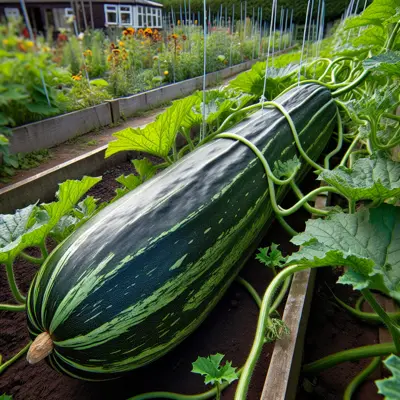
Vegetable Marrow (Long Green Trailing)
A traditional British heirloom that produces enormous, prize-winning fruits that can reach 2-3 feet long and provide abundant harvests for large families or competitive gardening. This vigorous trailing variety is perfect for gardeners who want to grow something truly impressive, with its ability to produce marrows weighing 10+ pounds from compact plants. The mild, versatile flesh is excellent stuffed, in soups, or as a potato substitute in traditional British cooking.
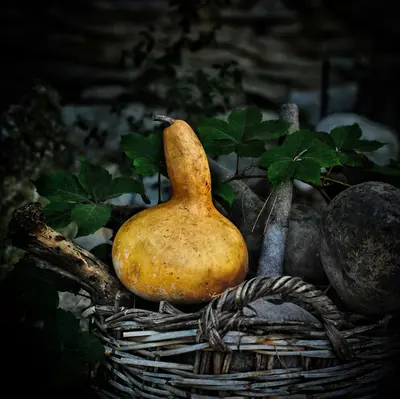
Waltham Butternut Squash
Waltham Butternut Squash is a classic heirloom winter squash prized for its distinctive bell-shaped form with a long, slender neck and tan-colored skin. Reaching maturity in approximately 105 days, this variety produces medium-sized fruits (2-3 lbs) ideal for cooking. Known for its exceptionally smooth, dense flesh, Waltham Butternut delivers a rich, complex flavor profile combining sweet, nutty notes with butterscotch undertones. The flesh is fine-grained and creamy when cooked, making it excellent for soups, roasting, and purees. A reliable, vigorous grower that stores well through winter.
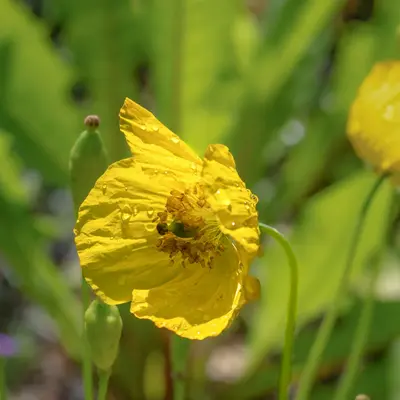
Yellow Crookneck Squash Early Summer
An improved selection of the classic yellow crookneck that produces earlier harvests and more uniform fruits than traditional varieties. This prolific summer squash delivers the beloved buttery flavor and tender texture of heirloom crooknecks while offering better disease resistance and more consistent production. The distinctive curved neck and bumpy skin make it instantly recognizable and highly sought after by gardeners who appreciate traditional American vegetables.
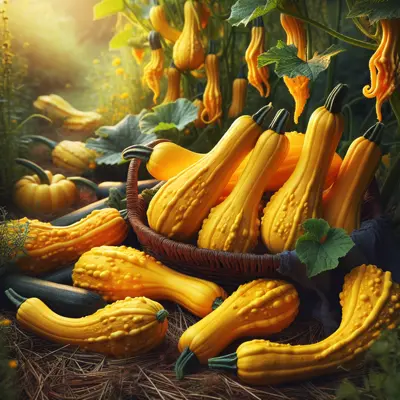
Yellow Crookneck Summer Squash
A prolific summer favorite that embodies the abundance of warm-weather gardening with its curved neck and bumpy, golden skin. This fast-growing bush variety produces tender, mild-flavored squash continuously throughout the season when harvested young. Its distinctive shape and reliable production have made it a garden staple for generations.
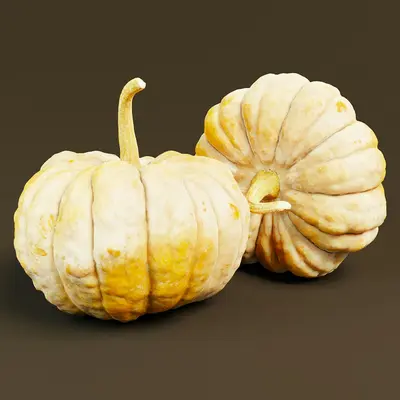
Yellow Pattypan Squash (Sunburst)
A cheerful and productive summer squash that produces bright yellow, scalloped fruits with a distinctive flying saucer shape that adds whimsy to any garden. This compact bush variety is perfect for small gardens and delivers tender, mild-flavored squash that's ideal for stuffing, grilling, or eating fresh when harvested young. The attractive plants produce continuously throughout the season, providing both ornamental value and delicious harvests.
Yellow Scallop Pattypan
These charming sunshine-yellow summer squashes look like little flying saucers with their distinctive scalloped edges and flattened shape. Incredibly productive plants begin bearing early in the season and continue producing tender, mild-flavored fruits perfect for stuffing, grilling, or eating raw. Their unique appearance and sweet, delicate taste make them a favorite at farmers markets and dinner tables alike.
Yellow Straightneck Zucchini
A prolific summer squash that produces straight, bright yellow fruits perfect for beginners and experienced gardeners alike. Unlike crookneck varieties, these stay straight making them easier to slice and store. The tender skin and mild flesh make them incredibly versatile in the kitchen.
Yellow Summer Squash (Early Prolific Straightneck)
A classic summer squash that's been a garden staple for generations, prized for its reliability and continuous production. This variety produces smooth, bright yellow fruits with tender skin and mild, buttery flesh that's perfect for everything from grilling to baking. Its compact bush habit and early maturity make it ideal for gardeners who want fresh squash all season long.
Zucchini Ambassador
A premium hybrid zucchini that sets the standard for disease resistance and productivity in home gardens. This variety produces glossy, dark green fruits with exceptional flavor and tender texture, while its compact bush habit makes it perfect for smaller spaces. Ambassador consistently outperforms open-pollinated varieties with its vigorous growth and extended harvest period.
Zucchini Costata Romanesco
This stunning Italian heirloom zucchini features distinctive ribbed fruits with alternating dark and light green stripes that make it as beautiful as it is delicious. The tender, flavorful flesh has a nutty sweetness that's prized by chefs and home cooks alike. Both the fruits and large golden blossoms are edible, making this variety a true dual-purpose garden treasure.
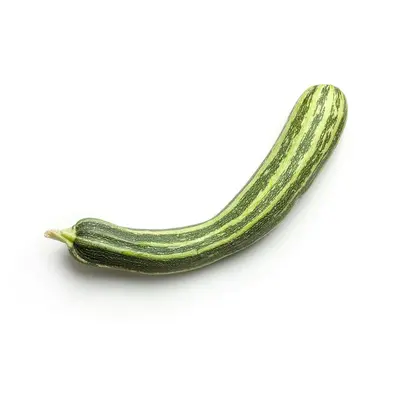
Zucchini Dark Green
The quintessential summer squash that every home gardener should grow, producing abundant harvests of tender, dark green fruits perfect for everything from bread to stir-fries. This reliable variety is incredibly prolific, often yielding more zucchini than one family can handle. Its compact bush habit and early production make it ideal for beginners and experienced gardeners alike.
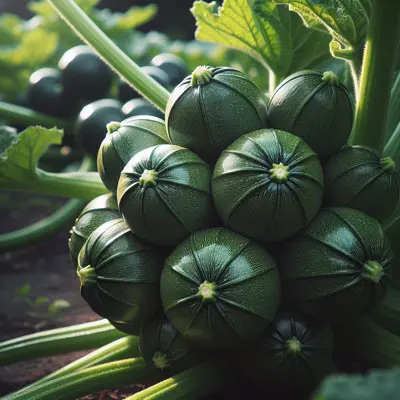
Zucchini Eight Ball
This unique round zucchini variety produces perfectly spherical, dark green fruits that are ideal for stuffing and create stunning presentation dishes. The compact, productive plants are perfect for container growing and small spaces while still delivering abundant harvests of tennis ball-sized fruits. Their dense, flavorful flesh and hollow centers make them the ultimate stuffing squash for elegant summer meals.
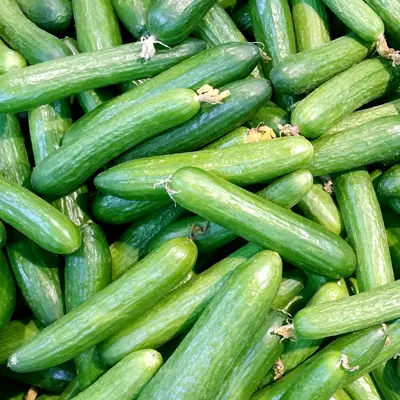
Zucchini Green Machine
A powerhouse hybrid zucchini that delivers exceptional yields of uniform, dark green fruits with tender skin and creamy white flesh. This vigorous plant produces consistently from summer through fall, making it perfect for gardeners who want reliable harvests for fresh eating, baking, and preserving. Known for its excellent disease resistance and ability to maintain quality even in challenging growing conditions.
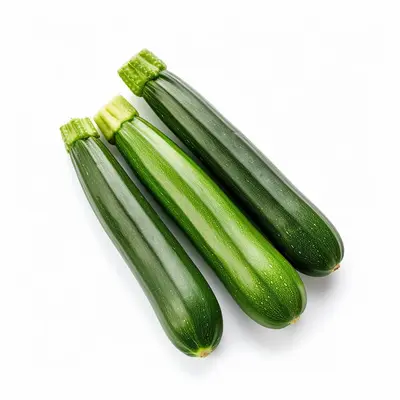
Zucchini Grey
A distinctive heirloom zucchini with beautiful mottled grey-green skin that stands out in any garden. This productive variety produces tender, flavorful fruits with creamy white flesh that's excellent for both fresh eating and cooking. The unique coloring and reliable production make it a favorite among gardeners who want something different from the typical green zucchini.
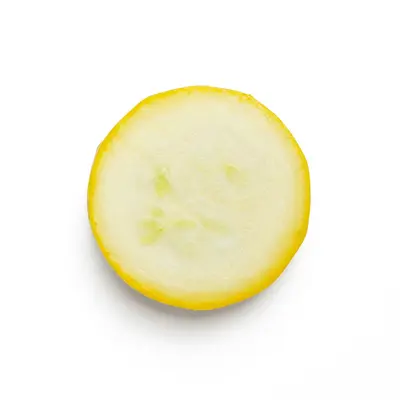
Zucchini Partenon
An award-winning All-America Selections hybrid zucchini that produces without pollination, making it perfect for container growing or areas with poor pollinator activity. This compact, high-yielding variety produces dark green fruits with exceptional flavor and tender texture. The parthenocarpic trait means consistent production even in challenging growing conditions.
Zucchini Rampicante
An Italian heirloom climbing zucchini that produces long, curved fruits with distinctive ridged skin and exceptional flavor. This vigorous vining variety can be trellised to save space and produces continuously throughout the season when harvested regularly. The unique serpentine shape and ribbed texture make it as ornamental as it is delicious.
Zone 10 Growing Tips
In Zone 10, you can start squash seeds directly in the garden as early as mid-February, well after the January 31st average last frost. For the best results, plant your main crop in late February through March, then follow with successive plantings every 3-4 weeks through early May. Avoid planting during the peak heat of June through August – instead, resume planting in early September for a robust fall harvest that can continue until your first frost around December 15th.
The biggest challenges you'll face are managing moisture levels and pest pressure in the humid conditions. Ensure excellent drainage and space plants generously for air circulation to prevent fungal diseases. Mulch heavily to retain soil moisture during dry spells but keep mulch away from plant stems. Row covers during the cooler months can extend your season even further, and afternoon shade cloth during extreme heat waves will prevent plant stress. Watch carefully for squash vine borers and cucumber beetles, which are particularly active in Zone 10's warm, humid environment.
Season Overview
Your extended growing season from February through December opens up possibilities that northern gardeners can only dream of – you can grow long-season winter squash varieties like Hubbard Blue and Burgess Buttercup that need 110+ days to maturity, while still having time for multiple successions of quick summer varieties. Plant winter squash in March for July harvest, summer squash in February-March and again in September-October, and save the heat-lovers like Tromboncino and Yellow Crookneck for your spring plantings when they can establish before summer's peak intensity.