Sugar Pie Pumpkin
Cucurbita pepo 'Sugar Pie'
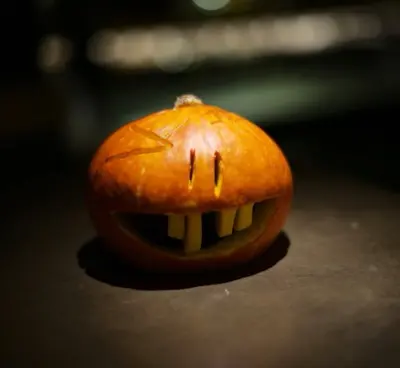
The gold standard for homemade pumpkin pie and fall baking. These compact, sweet pumpkins produce thick, smooth flesh that's naturally creamy without being watery. Perfect size for small families and much more flavorful than store-bought canned pumpkin.
Harvest
100-110d
Days to harvest
Sun
Full sun
Zones
3–11
USDA hardiness
Height
1-3 feet
Planting Timeline
Showing dates for Sugar Pie Pumpkin in USDA Zone 7
All Zone 7 squash →Zone Map
Click a state to update dates
Sugar Pie Pumpkin · Zones 3–11
Growing Details
Succession Planting
Sugar Pie is a single-harvest crop — the vine sets fruit, the fruit cures, and that's it for the season. One planting per bed per year is the whole plan; you don't stagger it the way you would radishes or lettuce.
That said, timing the one planting matters considerably. Direct sow between April and early June, targeting germination (7–10 days) so the plant has the full warm season to hit its 100–110 day maturity window and reach harvest in September–October. NC State Extension is clear that getting cucurbits in the ground early reduces exposure to squash vine borers, which peak egg-laying in July. Push too late into June and you're asking the plant to size fruit during the hottest stretch of summer, which stresses pollination and opens the door to downy mildew pressure as nights cool down in August.
Complete Growing Guide
Sugar Pie Pumpkins require a slightly shorter growing window than larger varieties, making them ideal for regions with 100–110 frost-free days, so plant seeds after your last frost when soil reaches 70°F. These compact vines need full sun and well-draining, fertile soil rich in organic matter to develop their signature thick flesh and creamy texture. Unlike sprawling pumpkin types, Sugar Pies are naturally compact and won't overtake garden space, but they're still susceptible to powdery mildew in humid conditions—ensure adequate air circulation and avoid overhead watering. They rarely bolt or stretch, staying predictable and manageable. Watch for cucumber beetles early in the season, as they can transmit viral diseases. A practical tip: thin seedlings to one plant per hill spaced 3–4 feet apart, then pinch off all but 2–3 fruits per vine once flowers set; this concentrates sugars and ensures superior pie-quality flesh rather than numerous mediocre fruits.
Light: Full sun (6 or more hours of direct sunlight a day). Soil: High Organic Matter, Loam (Silt). Soil pH: Neutral (6.0-8.0). Drainage: Good Drainage, Moist. Height: 1 ft. 0 in. - 3 ft. 0 in.. Spread: 2 ft. 0 in. - 25 ft. 0 in.. Spacing: 12 inches-3 feet. Growth rate: Rapid. Maintenance: High. Propagation: Seed. Regions: Coastal, Mountains, Piedmont.
Harvesting
Sugar Pie Pumpkins reach peak harvest readiness when their skin deepens to a rich, uniform golden-orange color with a matte finish rather than glossy sheen, typically weighing four to eight pounds at full maturity. Press your fingernail against the skin—if it resists puncturing easily, the rind has hardened sufficiently for storage and cooking. These pumpkins mature as a single flush rather than continuous production, so monitor your vines closely once flowering begins and aim to harvest before the first frost, as cold temperatures damage the flesh and accelerate deterioration. Cut pumpkins from the vine with several inches of stem attached, which significantly extends shelf life and prevents rot from developing at the harvest point.
A type of berry called a pepo that has a hard rind. Fruits may be long or round, large or small, smooth or warty– some have edible flesh and some are too hard or insipid to eat, though the seeds of all are edible. Has a harder, thicker stem compared to other species.
Color: Black, Cream/Tan, Gold/Yellow, Green, Orange, Pink, Red/Burgundy, Variegated, White. Type: Berry. Length: > 3 inches. Width: > 3 inches.
Garden value: Edible, Showy
Harvest time: Fall
Storage & Preservation
Fresh Sugar Pie pumpkins store exceptionally well when cured properly. After harvest, leave them in the sun for 10-14 days to harden the skin, or cure indoors in a warm, well-ventilated area if weather doesn't cooperate. Store in a cool, dry place (50-55°F) with good air circulation—they'll keep 2-4 months under ideal conditions.
For preservation, roast halved pumpkins cut-side down at 400°F until tender, then scoop out flesh and puree. Freeze puree in measured portions for easy baking use—it maintains quality for up to 8 months frozen. You can also can the puree following tested recipes, though the texture may be slightly different than fresh. Sugar Pie pumpkins also dehydrate well when sliced thin, creating chips that store for months in airtight containers.
History & Origin
The origins of Sugar Pie Pumpkin are somewhat obscure, though it represents a long tradition of selecting smaller, sweeter pumpkin varieties for culinary use rather than ornamental display. The variety likely emerged from the broader Cucurbita pepo species through informal farmer selection and seed saving practices throughout North America during the nineteenth and early twentieth centuries. While major seed companies including Burpee and Ferry Seeds offered similar "pie pumpkin" lines by the mid-1900s, definitive documentation of Sugar Pie's specific breeder, introduction date, or geographic origin remains limited. The cultivar exemplifies the commercial consolidation of heritage pumpkin breeding into standardized varieties suited for home gardeners and small-scale food production.
Origin: North America
Advantages
- +Perfect size for small families and homemade pumpkin pie baking
- +Naturally sweet and creamy flesh requires no additional processing
- +Thick, smooth texture superior to store-bought canned pumpkin products
- +100-110 day maturity fits most growing seasons well
- +Classic rich pumpkin flavor ideal for fall desserts and recipes
Considerations
- -Highly susceptible to squash bugs, cucumber beetles, and vine borers
- -Vulnerable to powdery mildew, bacterial wilt, and downy mildew diseases
- -Requires consistent moisture and well-draining soil for best results
- -Relatively small yields compared to large storage pumpkin varieties
Companion Plants
The Three Sisters combination — corn, beans, and squash — holds up as well for Sugar Pie as for any pumpkin. Corn provides partial afternoon shade once temperatures push past 90°F, and the sprawling pumpkin leaves cover the soil underneath, cutting down on weed germination between rows. Bush beans fix nitrogen at the root zone, which means you can skip at least one side-dressing of compost mid-season without watching the leaves go pale. The combination is functional, not just folklore.
Marigolds (Tagetes spp.) produce a root exudate that suppresses certain soil nematodes, and their scent disrupts cucumber beetles — which NC State Extension notes overwinter as eggs in discarded plant material, making any disruption to their cycle worth the effort. Nasturtiums work differently: they draw aphids away from the main vines, acting as a trap crop you can pull and dispose of if they get badly infested. Put nasturtiums at the outer edge of the bed, not tucked underneath the canopy where you'll never see the pest load building.
Potatoes are the companion to skip. Both are heavy feeders drawing from the same mid-depth root zone, and potato plantings can harbor Colorado potato beetles that wander into adjacent beds. Brassicas nearby are also a bad idea — they compete for calcium and can carry clubroot (Plasmodiophora brassicae), a soil-borne pathogen that persists for years and has no cure once it's established. Give each of them their own bed, well separated.
Plant Together
Corn
Provides vertical structure for pumpkin vines to climb and creates beneficial microclimate
Bush Beans
Fix nitrogen in soil to feed heavy-feeding pumpkins and don't compete for ground space
Marigolds
Repel cucumber beetles, squash bugs, and nematodes that commonly attack pumpkins
Nasturtiums
Act as trap crop for squash bugs and cucumber beetles, also repel aphids
Radishes
Deter squash vine borers and cucumber beetles while being harvested before pumpkins spread
Catnip
Strongly repels squash bugs, cucumber beetles, and other common pumpkin pests
Oregano
Repels aphids and provides general pest deterrent without competing for space
Sunflowers
Attract beneficial insects and provide windbreak protection for sprawling pumpkin vines
Keep Apart
Potatoes
Compete for similar soil nutrients and space, both are heavy feeders that deplete soil
Fennel
Inhibits growth of most garden plants including pumpkins through allelopathic compounds
Brassicas
Heavy nitrogen feeders that compete directly with pumpkins and may stunt growth
Nutrition Facts
Per 100g serving. % Daily Value based on 2,000 calorie diet. Source: USDA FoodData Central (FDC #168448)
Pests & Disease Resistance
Resistance
Good general disease tolerance
Common Pests
Squash bugs, cucumber beetles, vine borers
Diseases
Powdery mildew, bacterial wilt, downy mildew
Troubleshooting Sugar Pie Pumpkin
What you'll see, why it happens, and what to do about it.
Wilting vines that don't recover overnight, even with adequate water — sometimes a sawdust-like frass visible at the base of the stem
Likely Causes
- Squash vine borer (Melittia cucurbitae) — larvae tunnel into the main stem and eat it from the inside
- Late planting that puts young plants directly in the July egg-laying window
What to Do
- 1.Slit the stem lengthwise where you see frass, extract the larva, and bury that section of stem under 2–3 inches of moist soil — it may re-root
- 2.Next season, direct sow as early as your last frost allows so the plant reaches some size before borers peak in July; NC State Extension specifically recommends timing plantings to get ahead of borer activity
- 3.Wrap the bottom 6 inches of each stem in row cover fabric or aluminum foil during June to block egg-laying
White powdery coating on upper leaf surfaces, usually starting on older leaves in late summer
Likely Causes
- Powdery mildew — caused by Podosphaera xanthii or Erysiphe cichoracearum, both common on cucurbits; spreads during warm dry days with cool nights
- Dense canopy with poor airflow
What to Do
- 1.Remove and bag the worst-affected leaves — don't compost them
- 2.Spray remaining foliage with a diluted baking soda solution (1 tablespoon per gallon) or a potassium bicarbonate product; repeat every 7 days
- 3.At 100–110 days to maturity, if fruit is already sizing up and turning color, the plant has done most of its work — prioritize harvest over heroic treatment
Frequently Asked Questions
How many Sugar Pie pumpkins does one plant produce?▼
Can you grow Sugar Pie pumpkins in containers?▼
When should I plant Sugar Pie pumpkin seeds?▼
What's the difference between Sugar Pie and regular carving pumpkins?▼
How do you know when Sugar Pie pumpkins are ripe?▼
Are Sugar Pie pumpkins good for beginners?▼
Zone-by-Zone Planting Calendar
| Zone | Indoor Start | Transplant | Direct Sow | Harvest |
|---|---|---|---|---|
| Zone 1 | — | — | July – August | November – August |
| Zone 2 | — | — | June – August | November – September |
| Zone 11 | — | — | January – March | June – July |
| Zone 12 | — | — | January – March | June – July |
| Zone 13 | — | — | January – March | June – July |
| Zone 3 | — | — | June – July | October – October |
| Zone 4 | — | — | June – July | October – October |
| Zone 5 | — | — | May – June | September – October |
| Zone 6 | — | — | May – June | September – November |
| Zone 7 | — | — | April – June | September – October |
| Zone 8 | — | — | April – May | August – October |
| Zone 9 | — | — | March – April | July – September |
| Zone 10 | — | — | February – April | July – August |
Growing Guides from Wind River Greens
Sources & References
External authority sources used in compiling this guide.
See the Methodology page for how this data is sourced, what's AI-assisted, and known limitations.