Zucchini Partenon
Cucurbita pepo 'Partenon'
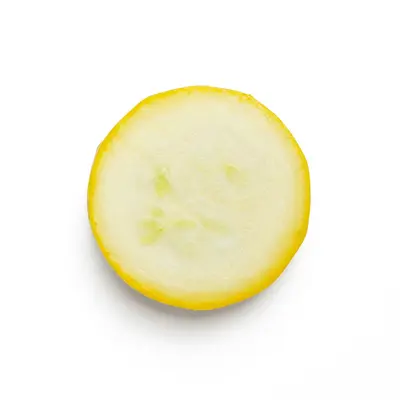
An award-winning All-America Selections hybrid zucchini that produces without pollination, making it perfect for container growing or areas with poor pollinator activity. This compact, high-yielding variety produces dark green fruits with exceptional flavor and tender texture. The parthenocarpic trait means consistent production even in challenging growing conditions.
Harvest
48-52d
Days to harvest
Sun
Full sun
Zones
3–11
USDA hardiness
Height
1-3 feet
Planting Timeline
Showing dates for Zucchini Partenon in USDA Zone 7
All Zone 7 squash →Zone Map
Click a state to update dates
Zucchini Partenon · Zones 3–11
Growing Details
Succession Planting
Direct sow every 2–3 weeks from April through mid-June in zone 7, stopping before daytime highs are consistently above 90°F — above that threshold, pollination gets unreliable even for Partenon, which is parthenocarpic and more forgiving than most open-pollinated varieties. Heat still hammers overall plant vigor past that point, so a later sowing mostly gives you a stressed plant that underperforms.
The UGA Vegetable Garden Calendar flags cucumber beetles and squash bugs as priority pests to catch early, and NC State Extension's planting guidance makes the same point a different way: seeds in the ground as soon as soil hits 60°F means your first flush of fruit comes in before vine borer pressure peaks in July. A second sowing in late May gives you a backup planting if the first gets hit hard by pests or disease. Don't bother sowing after June 15 in zone 7; there isn't enough warm-weather runway left before fall shuts things down.
Complete Growing Guide
This parthenocarpic hybrid sets itself apart by producing fruits without requiring pollinator visits, making it exceptionally reliable in cool springs or low-pollinator environments where standard zucchini may fail to set fruit. Plant seeds directly after the last frost when soil reaches 70°F, as this variety germinates quickly and reaches harvest in just 48–52 days. The compact 1–3 foot plants thrive in containers or small spaces, but ensure consistent moisture and rich soil to support heavy yields without stress-induced bolting. While generally pest-resistant, monitor for powdery mildew in humid conditions by ensuring good air circulation around the dense foliage. A practical tip: harvest fruits at 6–8 inches regularly to encourage continuous production; this variety tends to concentrate energy into new fruit development rather than oversized specimens, maintaining that prized tender texture throughout the season.
Light: Full sun (6 or more hours of direct sunlight a day). Soil: High Organic Matter, Loam (Silt). Soil pH: Neutral (6.0-8.0). Drainage: Good Drainage, Moist. Height: 1 ft. 0 in. - 3 ft. 0 in.. Spread: 2 ft. 0 in. - 25 ft. 0 in.. Spacing: 12 inches-3 feet. Growth rate: Rapid. Maintenance: High. Propagation: Seed. Regions: Coastal, Mountains, Piedmont.
Harvesting
Harvest Zucchini Partenon when fruits reach 6-8 inches long with a deep, glossy dark green color and firm skin that resists gentle pressure, ensuring peak tenderness and flavor. This variety produces continuously throughout the season, so plan for regular harvesting every 2-3 days rather than single large pickings, which actually encourages more prolific fruit set. Pick fruits in the early morning when they're cool and crisp for best texture, and use a sharp knife to cut the stem cleanly rather than pulling, which can damage the compact plant and reduce future yields.
A type of berry called a pepo that has a hard rind. Fruits may be long or round, large or small, smooth or warty– some have edible flesh and some are too hard or insipid to eat, though the seeds of all are edible. Has a harder, thicker stem compared to other species.
Color: Black, Cream/Tan, Gold/Yellow, Green, Orange, Pink, Red/Burgundy, Variegated, White. Type: Berry. Length: > 3 inches. Width: > 3 inches.
Garden value: Edible, Showy
Harvest time: Fall
Storage & Preservation
Store freshly harvested Partenon zucchini at room temperature for 2-3 days or refrigerate in the crisper drawer for up to one week. Avoid washing until ready to use, and store in perforated plastic bags to maintain humidity while allowing air circulation.
For freezing, slice or grate zucchini, blanch for 2-3 minutes, then cool in ice water before freezing in portions. Grated, unblanched zucchini works well for baking applications. This variety's tender texture makes it excellent for pickling—try bread-and-butter style or dill spears.
Dehydrate thin slices at 125°F for 8-12 hours to make chips, or shred and dehydrate for adding to soups and stews later. The mild, sweet flavor of Partenon also works well in fermented applications like lacto-fermented zucchini relish, which preserves the nutritional benefits while adding probiotics.
History & Origin
Zucchini Partenon is a modern hybrid developed through conventional breeding to exploit the parthenocarpic trait, which allows fruit set without pollination. This variety emerged from intensive work within commercial seed breeding programs focused on addressing pollinator scarcity and expanding zucchini cultivation into container gardening and greenhouse environments. While specific breeder attribution and introduction year remain undocumented in readily available sources, Partenon represents the culmination of decades of research into apomixis and seedless fruit development in Cucurbita pepo. Its All-America Selections award acknowledges its successful performance across diverse North American growing conditions, confirming its value as a parthenocarpic breakthrough in home and commercial production.
Origin: North America
Advantages
- +Produces fruit without pollination, ideal for container gardening environments.
- +Award-winning hybrid with exceptional flavor and tender texture quality.
- +Fast maturity at 48-52 days ensures quick harvests from planting.
- +High-yielding variety provides consistent production in poor pollinator areas.
- +Compact plant size makes it perfect for small space gardeners.
Considerations
- -Susceptible to powdery mildew in humid or poorly ventilated conditions.
- -Vulnerable to cucumber beetles and squash bugs requiring regular monitoring.
- -Parthenocarpic trait may reduce vigor compared to pollinator-dependent varieties.
- -Requires consistent moisture and fertile soil for optimal fruit production.
Companion Plants
Nasturtiums and marigolds do the most work here. Nasturtiums act as a trap crop for aphids, drawing them off the squash and concentrating them somewhere you can actually deal with them. French marigolds (Tagetes patula) repel cucumber beetles through scent — worth taking seriously with Partenon because cucumber beetles vector bacterial wilt, and once a plant has wilt, it's gone. Radishes planted around the bed's perimeter add another layer of beetle deterrence and can be pulled and eaten before the squash canopy closes over them around week 4 or 5. Dill and oregano attract parasitic wasps that work through aphid populations over time — slower payoff, but it adds up across a season.
Keep potatoes and fennel out of the same bed. Potatoes compete heavily for the same nutrients and share several soilborne pathogens with cucurbits, so planting them together is asking for trouble at the root zone. Fennel releases allelopathic compounds that suppress growth in most nearby vegetables — squash included — so give it its own container or a spot at least 3 feet from the cucurbit rows. Sage can stunt cucurbit development if planted too close; 18 inches of separation is the practical minimum if you're growing both.
Plant Together
Nasturtiums
Acts as trap crop for squash bugs and cucumber beetles, repels aphids
Marigolds
Repels cucumber beetles, squash bugs, and nematodes with strong scent
Radishes
Deters squash vine borers and cucumber beetles, breaks up soil
Beans
Fixes nitrogen in soil, benefits heavy-feeding zucchini
Corn
Provides vertical structure and shade, part of three sisters planting
Catnip
Repels squash bugs, cucumber beetles, and ants effectively
Dill
Attracts beneficial insects like ladybugs and parasitic wasps
Oregano
Repels cucumber beetles and provides ground cover to retain moisture
Keep Apart
Potatoes
Compete for space and nutrients, both are heavy feeders with similar root zones
Fennel
Inhibits growth through allelopathic compounds, stunts development
Aromatic herbs (Sage)
Strong oils can inhibit germination and growth of squash plants
Nutrition Facts
Per 100g serving. % Daily Value based on 2,000 calorie diet. Source: USDA FoodData Central (FDC #168565)
Pests & Disease Resistance
Resistance
Good resistance to zucchini yellow mosaic virus and watermelon mosaic virus
Common Pests
Aphids, cucumber beetles, squash bugs
Diseases
Powdery mildew, bacterial wilt
Troubleshooting Zucchini Partenon
What you'll see, why it happens, and what to do about it.
Plant wilts suddenly during the day, even when soil is moist, around 3-5 weeks after transplant
Likely Causes
- Bacterial wilt (Erwinia tracheiphila) — transmitted by cucumber beetles feeding on leaves
- Squash vine borer (Melittia cucurbitae) — larvae tunneling inside the main stem
What to Do
- 1.Cut a wilted stem near the base and touch the cut ends together — if you pull them apart and see stringy, thread-like ooze, it's bacterial wilt; the plant won't recover, pull it and dispose of it
- 2.Check the stem base for sawdust-like frass and entry holes; if you find a borer, slit the stem lengthwise, remove the larva, and mound soil over the wound to encourage re-rooting
- 3.NC State Extension recommends getting squash seeds or transplants in the ground as early as possible — planting before July keeps you ahead of peak borer egg-laying in midsummer
White powdery coating on upper leaf surfaces, usually appearing after the first harvest flush
Likely Causes
- Powdery mildew (Podosphaera xanthii or Erysiphe cichoracearum) — favored by warm days, cool nights, and low airflow
- Plants crowded closer than 24 inches, trapping humidity around the canopy
What to Do
- 1.Strip the worst-affected leaves and throw them in the trash, not the compost pile
- 2.Spray remaining foliage with a potassium bicarbonate solution or neem oil at 1 oz per gallon, applied early morning so leaves dry before nightfall
- 3.At planting time, space Partenon at the full 24–36 inches — its bush habit is compact but it still needs air moving through
Flowers dropping or tiny fruits shriveling and going yellow before reaching 4 inches long
Likely Causes
- Poor pollination — male and female flowers not visited by bees within their single one-day receptive window
- Heat above 95°F causing pollen sterility, especially during dry spells
What to Do
- 1.Hand-pollinate before 10 a.m.: find a freshly opened female flower (it has a small swollen fruit at its base), strip the petals off a male flower, and dab the stamen directly onto the female stigma — NC State Extension notes these flowers are only viable for one day, so morning timing is not optional
- 2.Stop spraying insecticides during bloom hours to keep native bees and honey bees on the flowers
- 3.Check your watering — plants need 1 to 1.5 inches per week, and drought stress on top of heat shuts down fruit set faster than either problem alone
Frequently Asked Questions
How long does Zucchini Partenon take to grow?▼
Can you grow Zucchini Partenon in containers?▼
Is Zucchini Partenon good for beginners?▼
What does Zucchini Partenon taste like?▼
Do I need to hand-pollinate Zucchini Partenon?▼
When should I plant Zucchini Partenon seeds?▼
Zone-by-Zone Planting Calendar
| Zone | Indoor Start | Transplant | Direct Sow | Harvest |
|---|---|---|---|---|
| Zone 1 | — | — | July – August | September – August |
| Zone 2 | — | — | June – August | September – September |
| Zone 11 | — | — | January – March | April – May |
| Zone 12 | — | — | January – March | April – May |
| Zone 13 | — | — | January – March | April – May |
| Zone 3 | — | — | June – July | August – October |
| Zone 4 | — | — | June – July | August – September |
| Zone 5 | — | — | May – June | August – September |
| Zone 6 | — | — | May – June | July – September |
| Zone 7 | — | — | April – June | July – August |
| Zone 8 | — | — | April – May | June – August |
| Zone 9 | — | — | March – April | May – July |
| Zone 10 | — | — | February – April | May – June |
Growing Guides from Wind River Greens
Sources & References
External authority sources used in compiling this guide.
See the Methodology page for how this data is sourced, what's AI-assisted, and known limitations.