Zucchini Grey
Cucurbita pepo 'Grey'
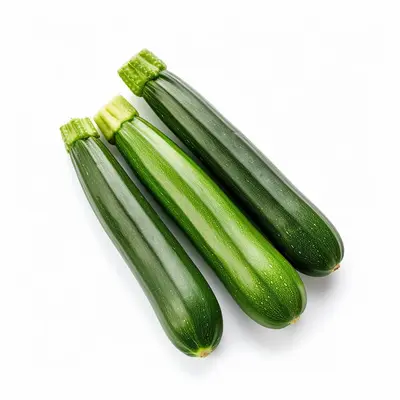
A distinctive heirloom zucchini with beautiful mottled grey-green skin that stands out in any garden. This productive variety produces tender, flavorful fruits with creamy white flesh that's excellent for both fresh eating and cooking. The unique coloring and reliable production make it a favorite among gardeners who want something different from the typical green zucchini.
Harvest
50-55d
Days to harvest
Sun
Full sun
Zones
3–11
USDA hardiness
Height
1-3 feet
Planting Timeline
Showing dates for Zucchini Grey in USDA Zone 7
All Zone 7 squash →Zone Map
Click a state to update dates
Zucchini Grey · Zones 3–11
Growing Details
Succession Planting
Direct sow every 2–3 weeks from April through early June in zone 7, stopping once daytime highs are consistently above 90°F — fruit set drops off at that point and powdery mildew pressure climbs fast. NC State Extension's IPM calendar backs this up: early squash plantings reach maturity before the worst pest pressure arrives in July, so staggering your sowings means a younger planting is coming in just as the first one starts to decline.
A practical cadence for Georgia: sow the first hill around April 1, a second around April 20, and a third in mid-May. That third sowing is your insurance — by the time vine borers hit the first planting hard in July, it's just hitting its stride at 50–55 days. Don't push a fourth round after mid-June; summer heat and pest load make it more work than it's worth.
Complete Growing Guide
This heirloom variety reaches maturity slightly faster than standard zucchini at 50-55 days, so plan succession plantings every two weeks for continuous harvest rather than overwhelming gluts. Grey zucchini thrives in warm soil above 70°F and benefits from consistent moisture—inconsistent watering can stress plants and trigger premature flowering or tough-skinned fruits. While generally hardy, this cultivar shows moderate susceptibility to powdery mildew in humid conditions, so ensure adequate air circulation around the compact 1-3 foot plants. Watch for spider mites during hot, dry spells, which can weaken foliage. A practical tip: harvest fruits when they reach 6-8 inches long; the mottled grey skin darkens as they mature, making sizing tricky, so pick regularly to maintain tenderness and encourage continued production from the prolific vines.
Light: Full sun (6 or more hours of direct sunlight a day). Soil: High Organic Matter, Loam (Silt). Soil pH: Neutral (6.0-8.0). Drainage: Good Drainage, Moist. Height: 1 ft. 0 in. - 3 ft. 0 in.. Spread: 2 ft. 0 in. - 25 ft. 0 in.. Spacing: 12 inches-3 feet. Growth rate: Rapid. Maintenance: High. Propagation: Seed. Regions: Coastal, Mountains, Piedmont.
Harvesting
Zucchini Grey reaches peak harvest readiness when the mottled grey-green skin develops a soft, waxy appearance and the fruit measures 6 to 8 inches long, feeling tender rather than hard when gently squeezed. At this stage, the flesh remains creamy and fine-textured, delivering optimal flavor. Unlike single-harvest varieties, Zucchini Grey responds well to frequent picking every two to three days, which actually stimulates continued production throughout the season. For best results, harvest in early morning when plants are fully hydrated and fruits are cool, making them less likely to bruise. Leaving fruits on the vine too long causes the skin to toughen and seeds to enlarge, diminishing the tender quality this variety is prized for.
A type of berry called a pepo that has a hard rind. Fruits may be long or round, large or small, smooth or warty– some have edible flesh and some are too hard or insipid to eat, though the seeds of all are edible. Has a harder, thicker stem compared to other species.
Color: Black, Cream/Tan, Gold/Yellow, Green, Orange, Pink, Red/Burgundy, Variegated, White. Type: Berry. Length: > 3 inches. Width: > 3 inches.
Garden value: Edible, Showy
Harvest time: Fall
Storage & Preservation
Fresh Grey zucchini keeps best stored unwashed in a perforated plastic bag in your refrigerator's crisper drawer for 4-7 days. For counter storage, keep them in a cool, dry place for 2-3 days maximum. The tender skin of this variety makes it more perishable than thick-skinned winter squashes.
For preserving, shredding and freezing works exceptionally well for this variety — blanch shredded zucchini for 1 minute, drain thoroughly, then freeze in measured portions perfect for baking. You can also slice and dehydrate Grey zucchini into chips, though the high water content requires thorough drying. This variety pickles beautifully due to its tender texture and mild flavor — try quick refrigerator pickles or traditional canned pickles for winter storage.
History & Origin
The precise origin of Zucchini Grey remains poorly documented in horticultural records, though it clearly belongs to the broader lineage of European heirloom squashes that emerged during the late nineteenth and twentieth centuries. Like many grey-skinned zucchini varieties, it likely arose from natural variation within Cucurbita pepo populations cultivated in Mediterranean regions, particularly Italy where zucchini breeding intensified following the vegetable's rise to culinary prominence. The mottled grey-green coloring suggests either deliberate selection from open-pollinated populations or spontaneous mutation within established cultivars. Without definitive breeder attribution or introduction date, Zucchini Grey should be understood as part of the collective European heirloom zucchini tradition rather than a formally developed modern variety.
Origin: North America
Advantages
- +Distinctive mottled grey-green skin makes Zucchini Grey visually striking in gardens
- +Produces tender, flavorful fruits with creamy white flesh in just 50-55 days
- +Highly productive variety that reliably yields abundant harvests throughout growing season
- +Easy to grow, making Zucchini Grey suitable for beginner and experienced gardeners
- +Versatile for both fresh eating and cooking applications
Considerations
- -Vulnerable to powdery mildew, bacterial wilt, and downy mildew in humid conditions
- -Squash bugs, cucumber beetles, and vine borers actively target this variety
- -Susceptible to multiple pest and disease pressures requiring consistent monitoring and management
Companion Plants
Nasturtiums and marigolds are the two I'd put closest to the zucchini hills. Nasturtiums act as a trap crop for aphids and there's decent evidence their scent throws off cucumber beetles — which matters a lot here, since the UGA Vegetable Garden Calendar lists cucumber beetle as one of the top 10 pests to scout from May onward. Marigolds (Tagetes species) produce thiophenes in their roots that suppress root-knot nematodes over time, and they pull in predatory wasps. Radishes tucked nearby repel squash bugs when left to bolt and flower; beans fix nitrogen that a heavy-feeding zucchini will burn through by midsummer.
Keep potatoes out of this bed entirely — they compete for the same nutrients and share several fungal diseases, so grouping them just concentrates the problem. Fennel is allelopathic and will stunt almost everything within a foot or two of it. In our zone 7 Georgia garden, fennel volunteers show up every season, and I yank every one out of the squash rows the moment I spot the feathery foliage.
Plant Together
Nasturtiums
Acts as trap crop for squash bugs and cucumber beetles, repels aphids
Marigolds
Deters cucumber beetles, squash bugs, and nematodes with natural compounds
Radishes
Repels squash vine borers and cucumber beetles, breaks up soil
Beans
Fixes nitrogen in soil for heavy-feeding squash, provides ground cover
Corn
Provides vertical structure and shade, part of Three Sisters planting
Catnip
Strongly repels squash bugs, cucumber beetles, and other pests
Dill
Attracts beneficial insects that prey on squash pests
Oregano
Repels cucumber beetles and provides general pest deterrent
Keep Apart
Potatoes
Competes for similar nutrients and space, may harbor similar pests
Fennel
Inhibits growth of most vegetables including squash through allelopathy
Melons
Attracts same pests and diseases, creates overcrowding competition
Nutrition Facts
Per 100g serving. % Daily Value based on 2,000 calorie diet. Source: USDA FoodData Central (FDC #168565)
Pests & Disease Resistance
Resistance
Moderate resistance to common squash diseases
Common Pests
Squash bugs, cucumber beetles, vine borers
Diseases
Powdery mildew, bacterial wilt, downy mildew
Troubleshooting Zucchini Grey
What you'll see, why it happens, and what to do about it.
Wilting vine with sawdust-like frass piled near the base of the stem, usually showing up mid-summer
Likely Causes
- Squash vine borer (Melittia cucurbitae) — the larva tunnels inside the main stem and cuts off water flow
- Late planting that puts vulnerable young plants in the ground right when adult moths are laying eggs in July
What to Do
- 1.NC State Extension's IPM guidance is clear: plant squash seeds as early as possible to get ahead of borer egg-laying, which peaks in July — in zone 7, that means direct sowing by late April at the latest
- 2.If you catch it early, slit the stem lengthwise with a razor blade, extract the larva, and bury that section of stem under moist soil so it can re-root
- 3.Row cover from germination until first flowers open will physically block the adult moth — pull it at bloom time so pollinators can reach the flowers
White powdery coating on the upper surface of leaves, starting on older foliage sometime in mid to late summer
Likely Causes
- Powdery mildew (Podosphaera xanthii or Erysiphe cichoracearum) — spreads fast in warm days with cool nights, especially in crowded plantings
- Planting closer than the recommended 36–48 inch spacing, which chokes airflow through the canopy
What to Do
- 1.NC State Extension notes that black plastic mulch keeps squash leaves off the ground and cuts disease spread — pair that with watering at the base rather than overhead so foliage stays dry
- 2.Pull and trash the worst-affected leaves; don't compost them
- 3.Rotate this bed out of all cucurbits for at least two seasons — Podosphaera xanthii carries over in plant debris and will come back if you follow squash with cucumber or melon in the same spot
Frequently Asked Questions
How long does Grey zucchini take to grow from seed to harvest?▼
Is Grey zucchini good for beginner gardeners?▼
Can you grow Grey zucchini in containers?▼
What does Grey zucchini taste like compared to green zucchini?▼
When should I plant Grey zucchini seeds?▼
Grey zucchini vs green zucchini — what's the difference?▼
Zone-by-Zone Planting Calendar
| Zone | Indoor Start | Transplant | Direct Sow | Harvest |
|---|---|---|---|---|
| Zone 1 | — | — | July – August | September – August |
| Zone 2 | — | — | June – August | September – September |
| Zone 11 | — | — | January – March | April – May |
| Zone 12 | — | — | January – March | April – May |
| Zone 13 | — | — | January – March | April – May |
| Zone 3 | — | — | June – July | August – October |
| Zone 4 | — | — | June – July | August – October |
| Zone 5 | — | — | May – June | August – September |
| Zone 6 | — | — | May – June | July – September |
| Zone 7 | — | — | April – June | July – August |
| Zone 8 | — | — | April – May | June – August |
| Zone 9 | — | — | March – April | May – July |
| Zone 10 | — | — | February – April | May – June |
Growing Guides from Wind River Greens
Sources & References
External authority sources used in compiling this guide.
See the Methodology page for how this data is sourced, what's AI-assisted, and known limitations.
More Squash & Cucumbers
Yellow Pattypan Squash (Sunburst)
Yellow Scallop Pattypan
Lakota Winter Squash
Marina di Chioggia Pumpkin
Yellow Crookneck Squash Early Summer
Zucchini Ambassador
Benning's Green Tint Pattypan
Zucchini Costata Romanesco