Zucchini Ambassador
Cucurbita pepo 'Ambassador'
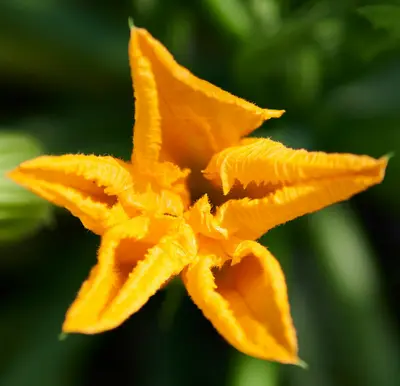
A premium hybrid zucchini that sets the standard for disease resistance and productivity in home gardens. This variety produces glossy, dark green fruits with exceptional flavor and tender texture, while its compact bush habit makes it perfect for smaller spaces. Ambassador consistently outperforms open-pollinated varieties with its vigorous growth and extended harvest period.
Harvest
48-55d
Days to harvest
Sun
Full sun
Zones
3–11
USDA hardiness
Height
1-3 feet
Planting Timeline
Showing dates for Zucchini Ambassador in USDA Zone 7
All Zone 7 squash →Zone Map
Click a state to update dates
Zucchini Ambassador · Zones 3–11
Growing Details
Succession Planting
Direct sow every 3 weeks from April 1 through mid-June in zone 7, stopping when daytime highs are reliably above 90°F — heat doesn't kill the plant, but fruit set gets erratic and squash vine borers are actively laying eggs by July. Two or three successions is typically plenty; Ambassador hits harvest at 48–55 days, so a late-May sowing carries you well into August before the plant exhausts itself. A late-summer sowing around August 1 can also work if you have at least 60 frost-free days remaining — and it sidesteps the worst borer pressure entirely.
Complete Growing Guide
This hybrid's 48-55 day maturity means direct-seeding after frost danger passes will have you harvesting by midsummer, so time plantings three weeks apart for continuous production rather than one large crop. Ambassador thrives in full sun with consistently moist, well-draining soil rich in organic matter—the hybrid vigor relies on steady nutrition, so side-dress with compost every three weeks during fruiting. Unlike open-pollinated varieties, this cultivar's disease resistance significantly reduces powdery mildew and zucchini yellow mosaic virus, though its compact 1-3 foot bush can still suffer from powdery mildew in humid conditions with poor air circulation. The plant's vigorous nature means regular fruit harvesting at 6-8 inches keeps productivity high and prevents the oversized, seedy fruits common in neglected plants. Practical tip: remove lower leaves as the plant grows to improve airflow and reduce fungal pressure while making harvest easier among the dense foliage.
Light: Full sun (6 or more hours of direct sunlight a day). Soil: High Organic Matter, Loam (Silt). Soil pH: Neutral (6.0-8.0). Drainage: Good Drainage, Moist. Height: 1 ft. 0 in. - 3 ft. 0 in.. Spread: 2 ft. 0 in. - 25 ft. 0 in.. Spacing: 12 inches-3 feet. Growth rate: Rapid. Maintenance: High. Propagation: Seed. Regions: Coastal, Mountains, Piedmont.
Harvesting
Harvest Zucchini Ambassador when fruits reach 6–8 inches long with a deep, glossy dark green color and firm skin that resists thumb pressure, as this cultivar develops optimal sweetness and tenderness at this stage rather than when oversized. Pick fruits every two to three days during peak season to encourage continuous production throughout the extended harvest window, since regular removal stimulates the compact bush to set additional flowers. For best results, harvest in early morning when plants are fully hydrated, as fruits picked before heat stress sets in will have superior texture and store longer in cool conditions.
A type of berry called a pepo that has a hard rind. Fruits may be long or round, large or small, smooth or warty– some have edible flesh and some are too hard or insipid to eat, though the seeds of all are edible. Has a harder, thicker stem compared to other species.
Color: Black, Cream/Tan, Gold/Yellow, Green, Orange, Pink, Red/Burgundy, Variegated, White. Type: Berry. Length: > 3 inches. Width: > 3 inches.
Garden value: Edible, Showy
Harvest time: Fall
Storage & Preservation
Fresh Ambassador zucchini stores best in the refrigerator crisper drawer for 7-10 days, wrapped in perforated plastic bags to maintain humidity while preventing moisture buildup. Avoid storing at room temperature beyond 2-3 days, as the tender skin makes this variety prone to rapid deterioration.
For long-term preservation, blanch sliced zucchini in boiling water for 2 minutes, then freeze in portion-sized bags for up to 8 months. Grate larger fruits and freeze in measured portions perfect for zucchini bread recipes. Ambassador's fine texture makes it excellent for dehydrating—slice ¼ inch thick and dry at 125°F for crispy chips that store for months. The variety's mild flavor also makes it suitable for quick pickling with a basic vinegar brine, extending shelf life to several weeks refrigerated.
History & Origin
Zucchini Ambassador is a hybrid cultivar developed within modern squash breeding programs focused on disease resistance and compact plant architecture for home gardeners. While specific breeder attribution and introduction year are not extensively documented in readily available sources, the variety represents the contemporary breeding philosophy that crosses improved open-pollinated zucchini germplasm with selections for vigor and productivity. Like many commercially released hybrid zucchini varieties, Ambassador likely draws from decades of Cucurbita pepo development by major seed companies addressing common home garden challenges such as powdery mildew susceptibility and sprawling vine habits. The variety exemplifies how modern vegetable breeding translates agronomic improvements into accessible home garden cultivars.
Origin: North America
Advantages
- +Hybrid vigor ensures consistently high yields throughout the growing season
- +Compact bush habit maximizes productivity in small garden spaces
- +Disease-resistant genetics reduce fungicide applications compared to open-pollinated varieties
- +Fast maturity at 48-55 days provides harvests within 7-8 weeks
- +Mild, sweet flavor with tender texture superior to many competitors
Considerations
- -Susceptible to squash bugs and cucumber beetles requiring active pest management
- -Bacterial wilt and downy mildew can devastate plants in humid climates
- -Requires replanting annually since hybrid seeds won't produce true offspring
Companion Plants
Nasturtiums and marigolds pull double duty at the bed edge: they draw aphids and squash bugs away from the main plant and attract predatory wasps that work through the same pest population. Borage and dill bring in the pollinators Ambassador actually depends on — cucurbit pollen is too heavy and sticky to move by wind, so without bee traffic, fruit set stalls no matter how healthy the plant looks. Radishes tucked in at 18–24 inches out don't compete hard for root space at that distance and can confuse cucumber beetles during their egg-laying phase. Potatoes and brassicas are the ones to keep 10 or more feet away — potatoes share soil-borne pathogens with cucurbits, and brassicas feed heavily at the same root depth, which turns into a slow resource fight Ambassador usually loses.
Plant Together
Nasturtiums
Acts as trap crop for squash bugs and cucumber beetles, repels aphids
Marigolds
Repels cucumber beetles, squash bugs, and nematodes with strong scent
Radishes
Deters squash vine borers and cucumber beetles, quick harvest before squash spreads
Bush Beans
Fix nitrogen in soil and don't compete for space with sprawling zucchini vines
Catnip
Strongly repels squash bugs, cucumber beetles, and other squash pests
Dill
Attracts beneficial insects like parasitic wasps that prey on squash pests
Corn
Provides vertical structure while zucchini shades soil, part of three sisters planting
Borage
Attracts pollinators essential for squash fruit production, may improve growth
Aromatic Herbs
Oregano, thyme, and mint repel various squash pests through strong scents
Keep Apart
Potatoes
Compete for nutrients and may increase risk of blight diseases in moist conditions
Brassicas
Cabbage, broccoli, and kale compete heavily for nutrients and space
Melons
Share same pests and diseases, compete for space and nutrients, cross-pollination issues
Nutrition Facts
Per 100g serving. % Daily Value based on 2,000 calorie diet. Source: USDA FoodData Central (FDC #168565)
Pests & Disease Resistance
Resistance
Excellent resistance to powdery mildew, zucchini yellow mosaic virus, and watermelon mosaic virus
Common Pests
Squash bugs, cucumber beetles, squash vine borers
Diseases
Bacterial wilt, downy mildew, black rot
Troubleshooting Zucchini Ambassador
What you'll see, why it happens, and what to do about it.
Plant wilts suddenly and collapses — even well-watered stems go limp within a day or two
Likely Causes
- Bacterial wilt (Erwinia tracheiphila), transmitted by cucumber beetles feeding on leaves
- Squash vine borer (Melittia cucurbitae) larvae tunneling inside the main stem
What to Do
- 1.Cut a wilted stem near the base and touch the two cut ends together — if you pull them apart and see stringy bacterial threads, it's bacterial wilt; there's no cure, pull the plant now so beetles don't spread it to neighbors
- 2.For vine borer, slit the stem lengthwise near the base, dig out the pale grub, and bury the wounded stem under moist soil — it may re-root; cover transplants with row cover until flowering to block borer egg-laying, which NC State Extension notes peaks in July
- 3.Plant seeds as early as soil temps allow (60°F minimum) so plants are past their most vulnerable stage before borer season starts
Yellow, angular blotches on upper leaf surface with gray-purple fuzzy growth on the underside, spreading fast in humid weather
Likely Causes
- Downy mildew (Pseudoperonospora cubensis) — NC State Extension notes it shows up at different times and locations each year, so timing is unpredictable
- Overhead watering or dense planting that keeps foliage wet overnight
What to Do
- 1.Remove and bag the worst-affected leaves immediately — don't compost them
- 2.Switch to drip or base watering so the canopy stays dry
- 3.Give plants the full 36–48 inches of spacing; Ambassador's compact bush habit makes crowding tempting, but airflow still matters
Fruits set but never enlarge — small, yellowing fruitlets that rot at the blossom end within a week of appearing
Likely Causes
- Poor pollination — insufficient bee activity transferring pollen from male to female flowers
- Insecticide applications that killed pollinators during the bloom window
What to Do
- 1.Hand-pollinate early in the morning using a small brush or a freshly pulled male flower — NC State Extension confirms cucurbit flowers are receptive for a single day only, so don't wait until afternoon
- 2.Stop all insecticide sprays while plants are flowering; borage or nasturtiums planted nearby help pull native bees into the bed
- 3.Check that both flower types are present — male flowers open first, females follow 1–2 weeks later with a tiny fruit swelling visible at the base
Frequently Asked Questions
How long does Zucchini Ambassador take to grow?▼
Can you grow Zucchini Ambassador in containers?▼
Is Zucchini Ambassador good for beginners?▼
What does Zucchini Ambassador taste like compared to regular zucchini?▼
When should I plant Zucchini Ambassador seeds?▼
Why is Zucchini Ambassador more expensive than other zucchini seeds?▼
Zone-by-Zone Planting Calendar
| Zone | Indoor Start | Transplant | Direct Sow | Harvest |
|---|---|---|---|---|
| Zone 1 | — | — | July – August | September – August |
| Zone 2 | — | — | June – August | September – September |
| Zone 11 | — | — | January – March | April – May |
| Zone 12 | — | — | January – March | April – May |
| Zone 13 | — | — | January – March | April – May |
| Zone 3 | — | — | June – July | August – October |
| Zone 4 | — | — | June – July | August – October |
| Zone 5 | — | — | May – June | August – September |
| Zone 6 | — | — | May – June | July – September |
| Zone 7 | — | — | April – June | July – August |
| Zone 8 | — | — | April – May | June – August |
| Zone 9 | — | — | March – April | May – July |
| Zone 10 | — | — | February – April | May – June |
Growing Guides from Wind River Greens
Sources & References
External authority sources used in compiling this guide.
See the Methodology page for how this data is sourced, what's AI-assisted, and known limitations.
More Squash & Cucumbers
Yellow Pattypan Squash (Sunburst)
Yellow Scallop Pattypan
Zucchini Grey
Lakota Winter Squash
Marina di Chioggia Pumpkin
Yellow Crookneck Squash Early Summer
Benning's Green Tint Pattypan
Zucchini Costata Romanesco