Zucchini Dark Green
Cucurbita pepo 'Dark Green Zucchini'
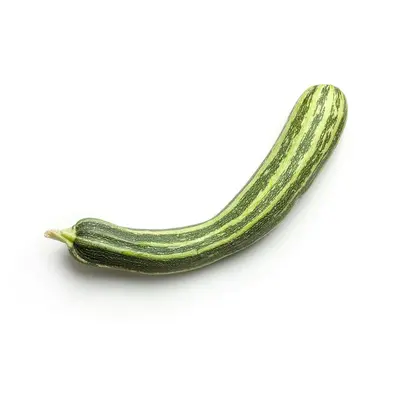
The quintessential summer squash that every home gardener should grow, producing abundant harvests of tender, dark green fruits perfect for everything from bread to stir-fries. This reliable variety is incredibly prolific, often yielding more zucchini than one family can handle. Its compact bush habit and early production make it ideal for beginners and experienced gardeners alike.
Harvest
50-55d
Days to harvest
Sun
Full sun
Zones
3–11
USDA hardiness
Height
1-3 feet
Planting Timeline
Showing dates for Zucchini Dark Green in USDA Zone 7
All Zone 7 squash →Zone Map
Click a state to update dates
Zucchini Dark Green · Zones 3–11
Growing Details
Succession Planting
Direct sow every 3 weeks starting around April 1 in zone 7, and stop by late June — anything started after that puts fruit production into the August heat alongside peak squash vine borer activity, and yields drop noticeably. Two or three staggered sowings is usually enough; a single zucchini plant in good health produces more fruit than most households can use, and a second wave gives you a clean planting when the first one goes down to powdery mildew or borers mid-season. NC State Extension IPM advises timing sowings so the crop matures before July borer pressure spikes — which is a good argument for pushing that first sowing as early as soil temperature allows, with 60°F at the soil surface being the practical floor for reliable germination.
Complete Growing Guide
Plant Zucchini Dark Green in full sun after all frost danger passes, as this cultivar germinates quickly and grows vigorously in warm soil above 70°F, typically producing harvestable fruits within 50-55 days. This variety's compact bush form requires less space than sprawling types, making it excellent for containers or tight garden beds, though its prolific nature demands consistent harvesting to prevent oversized fruits and maintain productivity. Watch for powdery mildew in humid conditions by ensuring adequate air circulation around the plant, and monitor regularly for squash vine borers, which can devastate plants mid-season. Unlike some zucchini varieties prone to early bolting, Dark Green remains relatively stable in production if kept well-watered during heat stress, but inconsistent moisture may trigger bitterness in the fruit. Harvest fruits at 6-8 inches long every 2-3 days to encourage continuous flowering and prevent the plant from exhausting itself producing larger specimens.
Light: Full sun (6 or more hours of direct sunlight a day). Soil: High Organic Matter, Loam (Silt). Soil pH: Neutral (6.0-8.0). Drainage: Good Drainage, Moist. Height: 1 ft. 0 in. - 3 ft. 0 in.. Spread: 2 ft. 0 in. - 25 ft. 0 in.. Spacing: 12 inches-3 feet. Growth rate: Rapid. Maintenance: High. Propagation: Seed. Regions: Coastal, Mountains, Piedmont.
Harvesting
Harvest Dark Green zucchini when fruits reach 6–8 inches long with a deep, glossy dark green color and firm, unblemished skin—this size ensures peak tenderness and flavor before the flesh becomes watery and seedy. Check plants every 2–3 days during peak season, as this prolific variety produces rapidly and fruits quickly transition from ideal to overgrown. Rather than waiting for a single large harvest, adopt continuous picking by removing mature fruits regularly, which stimulates the plant to produce more blooms and extends your harvest window by several weeks. A crucial timing tip: pick early in the morning when skin firmness is greatest and temperatures are coolest, making handling easier and preserving quality longer.
A type of berry called a pepo that has a hard rind. Fruits may be long or round, large or small, smooth or warty– some have edible flesh and some are too hard or insipid to eat, though the seeds of all are edible. Has a harder, thicker stem compared to other species.
Color: Black, Cream/Tan, Gold/Yellow, Green, Orange, Pink, Red/Burgundy, Variegated, White. Type: Berry. Length: > 3 inches. Width: > 3 inches.
Garden value: Edible, Showy
Harvest time: Fall
Storage & Preservation
Fresh Dark Green zucchini keeps best stored unwashed in perforated plastic bags in the refrigerator crisper drawer, where it maintains quality for 4-7 days. Don't store at room temperature for more than 2-3 days, as it will quickly lose moisture and become rubbery.
For freezing, slice or shred zucchini, then blanch for 1-2 minutes before packaging—this preserves color and texture. Frozen zucchini works excellently in baked goods but becomes too soft for fresh applications. Dehydrated zucchini chips make excellent snacks when sliced thin and dried at 135°F for 6-8 hours.
Grated zucchini freezes well for winter baking projects—measure into recipe-sized portions and freeze flat in freezer bags. For pickle enthusiasts, young, tender Dark Green zucchini makes excellent bread-and-butter pickles that maintain their crunch better than cucumbers.
History & Origin
Zucchini Dark Green represents the modern standardization of Italian zucchini germplasm that entered North American cultivation in the mid-twentieth century. While specific breeder attribution and exact introduction year remain undocumented in widely accessible horticultural records, this variety emerged from the broader post-WWII seed industry expansion when Italian heirloom squash varieties were commercially refined for American home gardeners. The dark green phenotype became dominant in commercial breeding programs during the 1960s–1970s as seed companies selected for uniform color, compact plant habit, and prolific fruit production. Dark Green Zucchini likely represents multiple independent selections rather than a single cultivar origin, reflecting industry-wide convergence on market-preferred traits across major American and European seed producers.
Origin: North America
Advantages
- +Produces abundant harvests with minimal effort required from gardeners
- +Ready to harvest in just 50-55 days from planting
- +Compact bush form fits easily into small garden spaces
- +Mild, slightly sweet flavor works well in diverse recipes
- +Early production ensures continuous yield throughout summer season
Considerations
- -Highly susceptible to squash bugs and cucumber beetle infestations
- -Prone to powdery mildew in humid or wet growing conditions
- -Requires consistent moisture to prevent blossom end rot development
- -Often produces excessive fruit, leading to waste management challenges
Companion Plants
Nasturtiums and marigolds belong at the bed edges where they pull aphids away from your zucchini and push back on squash bugs through scent — burying them inside the canopy wastes the effect and cuts your airflow. Radishes scattered between hills add early confusion for cucumber beetles before the plants size up. Corn and beans fit the Three Sisters logic: corn stays vertical while zucchini sprawls, and beans fix nitrogen that these heavy-feeding plants will strip from the soil by midsummer. Potatoes share several soilborne pathogens with squash and fight for the same root zone depth, so keep them separated. Fennel is allelopathic to most vegetables — give it a bed of its own, well away from cucurbits.
Plant Together
Nasturtiums
Trap crop for squash bugs and cucumber beetles, repels aphids
Marigolds
Repel cucumber beetles, squash bugs, and nematodes
Radishes
Deter squash vine borers and cucumber beetles
Corn
Provides vertical structure and shade, part of Three Sisters planting
Beans
Fix nitrogen in soil, complete the Three Sisters companion group
Catnip
Strong repellent for squash bugs and cucumber beetles
Dill
Attracts beneficial insects that prey on squash pests
Sunflowers
Attract pollinators and beneficial predatory insects
Keep Apart
Potatoes
Compete for space and nutrients, both are heavy feeders
Aromatic herbs (Sage, Rosemary)
Strong scents may inhibit squash growth and reduce pollinator activity
Fennel
Allelopathic properties inhibit growth of most vegetables including squash
Nutrition Facts
Per 100g serving. % Daily Value based on 2,000 calorie diet. Source: USDA FoodData Central (FDC #168565)
Pests & Disease Resistance
Resistance
Good resistance to powdery mildew and mosaic virus
Common Pests
Squash bugs, cucumber beetles, squash vine borers, aphids
Diseases
Powdery mildew, bacterial wilt, downy mildew, blossom end rot
Troubleshooting Zucchini Dark Green
What you'll see, why it happens, and what to do about it.
Wilting plant that doesn't recover overnight, stem cross-section shows brown or hollow interior near the soil line
Likely Causes
- Squash vine borer (Melittia cucurbitae) — larvae tunnel into the base of the stem and eat from the inside out
- Late planting that puts tender stems in the ground when adult borers are actively laying eggs in July
What to Do
- 1.Check the stem base for a small entry hole with sawdust-like frass; slit the stem lengthwise, extract the larva, and bury that stem section under moist soil so it can re-root
- 2.Next season, get seeds in the ground as early as your last frost allows — NC State Extension IPM notes that squash planted early enough can reach maturity before borer pressure peaks in July
- 3.Wrap the bottom 6 inches of stems in row cover fabric or foil once plants are established to block egg-laying
White powdery coating on upper leaf surfaces, spreading from older leaves inward, typically mid to late summer
Likely Causes
- Powdery mildew (Erysiphe cichoracearum or Podosphaera xanthii) — spores spread by wind, thrives in dry air with high humidity at the leaf surface
- Crowded canopy with poor airflow
What to Do
- 1.Remove the worst-affected leaves and dispose of them in the trash, not the compost pile
- 2.Spray remaining foliage with a diluted neem oil solution (2 tablespoons per gallon) or a potassium bicarbonate fungicide on a 7-day interval
- 3.Keep the canopy open — don't let vines pile on each other, and black plastic mulch under the plant keeps leaves off the soil, which NC State Extension identifies as a practical step for reducing disease spread
Sudden wilt of one or two vines on an otherwise healthy plant, no borer damage visible at the stem base
Likely Causes
- Bacterial wilt (Erwinia tracheiphila), transmitted by cucumber beetles (Acalymma vittatum or Diabrotica undecimpunctata) feeding on the leaves
- High cucumber beetle pressure, especially in beds that haven't been rotated out of cucurbits
What to Do
- 1.Cut a wilted stem, press the two cut ends together, then slowly pull apart — thin, thread-like strands stretching between them confirm bacterial wilt; there's no cure, so pull and bag the plant
- 2.Cover transplants with row cover until flowering to suppress cucumber beetles, then remove for pollination; NC State Extension recommends clearing all plant debris at season's end and turning the bed to disrupt overwintering eggs
- 3.Rotate this bed out of the cucurbit family — squash, cucumber, melon — for at least 3 years
Frequently Asked Questions
How long does zucchini dark green take to grow from seed?▼
Can you grow dark green zucchini in containers?▼
Is zucchini dark green good for beginners?▼
What does dark green zucchini taste like compared to other varieties?▼
When should I plant dark green zucchini seeds?▼
How many zucchini plants do I need for a family of four?▼
Zone-by-Zone Planting Calendar
| Zone | Indoor Start | Transplant | Direct Sow | Harvest |
|---|---|---|---|---|
| Zone 1 | — | — | July – August | September – August |
| Zone 2 | — | — | June – August | September – September |
| Zone 11 | — | — | January – March | April – May |
| Zone 12 | — | — | January – March | April – May |
| Zone 13 | — | — | January – March | April – May |
| Zone 3 | — | — | June – July | August – October |
| Zone 4 | — | — | June – July | August – October |
| Zone 5 | — | — | May – June | August – September |
| Zone 6 | — | — | May – June | July – September |
| Zone 7 | — | — | April – June | July – August |
| Zone 8 | — | — | April – May | June – August |
| Zone 9 | — | — | March – April | May – July |
| Zone 10 | — | — | February – April | May – June |
Growing Guides from Wind River Greens
Sources & References
External authority sources used in compiling this guide.
See the Methodology page for how this data is sourced, what's AI-assisted, and known limitations.