Carmine Splendor
Abelmoschus esculentus
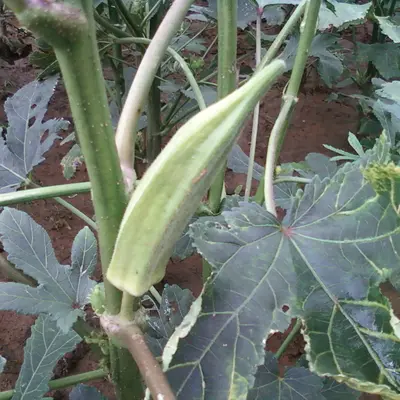
Stout 5-pointed pods are deep red when small, fading to a lighter red/pink when larger. Mid- to late-summer harvest season. Fast-maturing, stalky, upright plants. Attractive pink-tinted edible flower.Edible Flowers: Deep fry flowers or eat them stuffed, or use fresh as a striking, exotic-looking garnish. Sweet and mild flavor.
Harvest
51d
Days to harvest
Sun
Full sun
Zones
3–11
USDA hardiness
Height
3-5 feet
Planting Timeline
Showing dates for Carmine Splendor in USDA Zone 7
All Zone 7 squash →Zone Map
Click a state to update dates
Carmine Splendor · Zones 3–11
Growing Details
Succession Planting
Okra keeps producing as long as you keep harvesting, so you don't need to stagger plantings the way you would with lettuce or radishes. That said, splitting your planting into two blocks — one direct-sown in late April and a second 3–4 weeks later in mid-May — spreads the peak-production window and keeps you from drowning in pods all at once. Soil temperature needs to hit at least 65°F before you sow; anything cooler and the seed just sits there and rots rather than germinating in the expected 7–10 days.
Stop sowing by late June. Carmine Splendor takes 51 days from seed to first harvest, which means anything sown after mid-June in zones 6–8 is racing the first fall frost. A June 15 sowing should still give you a reasonable run into September, but pushing past that is a gamble not worth taking.
Complete Growing Guide
Light: Full sun (6 or more hours of direct sunlight a day). Soil: Clay, High Organic Matter, Loam (Silt). Soil pH: Neutral (6.0-8.0). Drainage: Good Drainage, Moist. Height: 3 ft. 0 in. - 5 ft. 0 in.. Spread: 3 ft. 0 in. - 5 ft. 0 in.. Spacing: 12 inches-3 feet. Growth rate: Medium. Maintenance: Medium. Propagation: Seed. Regions: Coastal, Mountains, Piedmont.
Harvesting
The five-sided fruit is chambered and contains many seeds. They have a musky aroma.
Color: Green, Red/Burgundy. Type: Capsule. Length: > 3 inches.
Garden value: Edible
Harvest time: Summer
Edibility: Pods may be cooked, pickled or eaten raw. Leaves may be cooked or eaten raw. Flowers are edible with a mild, slightly sweet flavor but add more color than flavor. Roasted seeds are a coffee substitute
Storage & Preservation
Harvest Carmine Splendor okra pods at 51 days when they reach 3–4 inches long and are still tender. Store fresh pods in a perforated plastic bag in the refrigerator at 45–50°F with 85–90% humidity; they'll keep for 3–5 days before becoming tough and woody. For longer preservation, blanch whole pods for 3 minutes, then freeze in airtight containers for up to 8 months. Alternatively, slice and dry pods in a dehydrator at 140°F until brittle, then store in an airtight jar for winter use in soups and stews. Pickling is also excellent—pack hot pods into jars with vinegar, mustard seed, and spices, then process for shelf stability. The deep carmine color of this variety fades somewhat during cooking, but freezing preserves it better than other methods if visual appeal matters for your harvest.
History & Origin
Carmine Splendor is an F1 hybrid developed through controlled cross-pollination. Listed in the Johnny's Selected Seeds catalog.
Origin: Tropical Africa and Asia
Advantages
- +Attracts: Bees
- +Edible: Pods may be cooked, pickled or eaten raw. Leaves may be cooked or eaten raw. Flowers are edible with a mild, slightly sweet flavor but add more color than flavor. Roasted seeds are a coffee substitute
Companion Plants
Nasturtiums and marigolds are the two companions worth planting within a foot or two of Carmine Splendor. Nasturtiums act as a trap crop — aphids pile onto them and largely ignore the okra nearby. French marigolds (Tagetes patula) release thiophene compounds from their roots that suppress soil nematode populations, but only if they've been growing in place for a full season. Neither one competes seriously for water or nutrients; they stay shallow while okra roots push well below 12 inches.
Sunflowers and corn belong at the north or west edge of the planting rather than mixed in close. They give a partial windbreak without blocking the 6+ hours of full sun okra needs, and corn's height keeps it from casting shade during peak afternoon hours. Beans are a practical interplant — they fix nitrogen in the upper soil layer, and they're doing that work for weeks before Carmine Splendor even approaches its 51-day harvest window.
Potatoes share several soil-borne pathogens with okra and can sustain the same nematode populations that marigolds are supposed to suppress — planting them nearby cancels out the benefit. Brassicas are calcium-hungry and will pull hard on the same root zone at exactly the time okra needs steady calcium availability to avoid blossom-end rot. Fennel is allelopathic to most vegetables; it produces anethole and other root exudates that stunt neighboring plants, and it has no business being near any productive bed.
Plant Together
Nasturtiums
Act as trap crops for squash bugs and cucumber beetles while repelling aphids
Marigolds
Repel cucumber beetles, squash bugs, and nematodes with their strong scent
Radishes
Deter squash vine borers and cucumber beetles, mature quickly without competing for space
Corn
Provides natural trellis support and shade, part of traditional Three Sisters planting
Beans
Fix nitrogen in soil to benefit heavy-feeding squash, complete Three Sisters companion group
Catnip
Strongly repels cucumber beetles, squash bugs, and other common squash pests
Dill
Attracts beneficial insects like parasitic wasps that prey on squash pests
Sunflowers
Attract pollinators essential for squash fruit production and provide afternoon shade
Keep Apart
Potatoes
Compete for similar nutrients and space, both are heavy feeders that deplete soil
Brassicas
Cabbage family plants inhibit squash growth through allelopathic compounds
Fennel
Produces allelopathic compounds that inhibit growth and germination of squash plants
Nutrition Facts
Per 100g serving. % Daily Value based on 2,000 calorie diet. Source: USDA FoodData Central (FDC #168040)
Troubleshooting Carmine Splendor
What you'll see, why it happens, and what to do about it.
Dark, sunken spot on the blossom end of developing pods, sometimes with mold growing on the rotted area
Likely Causes
- Blossom-end rot — calcium deficiency in the developing fruit, usually triggered by uneven soil moisture
- Overfertilization with high-nitrogen fertilizers, which competes with calcium uptake
- Fluctuating wet-dry cycles, common when okra is grown in sandy or fast-draining soil
What to Do
- 1.Water consistently — okra wants even moisture, not feast-or-famine cycles
- 2.Mulch the bed with 2–3 inches of straw to buffer soil moisture swings
- 3.Pull back on nitrogen-heavy fertilizers mid-season; side-dress with compost instead
- 4.Test your soil pH and lime to 6.5–6.8 if needed — NC State Extension's vegetable FAQ notes that proper pH keeps calcium available to the plant
Powdery white coating on leaf surfaces, starting mid-to-late season, upper sides first
Likely Causes
- Powdery mildew — a fungal disease that spreads in warm days and cool nights, even without leaf wetness
- Crowded spacing that traps humid air between plants
What to Do
- 1.Space plants at least 18–24 inches apart so air can move through the canopy
- 2.Remove and bag heavily infected leaves — don't compost them
- 3.Apply a potassium bicarbonate product or a dilute baking soda solution (1 tablespoon per gallon) at first sign
Sudden wilt and slimy stem collapse at the soil line, with white thread-like mycelium or small tan pellets visible on the stem base
Likely Causes
- Southern blight (Sclerotium rolfsii) — a soil-borne fungus that moves fast in hot, wet summers
- Planting in poorly drained soil or overwatering around the crown
What to Do
- 1.Pull and trash affected plants immediately — S. rolfsii produces sclerotia that persist in soil for years
- 2.Don't replant okra or other susceptible crops in that spot for at least 2–3 seasons
- 3.Before next season, work in organic matter to improve drainage; standing moisture at the crown is what triggers this
Ragged holes chewed in leaves or pods, with small yellow-striped or spotted beetles visible, especially in the morning
Likely Causes
- Striped cucumber beetle (Acalymma vittatum) or spotted cucumber beetle (Diabrotica undecimpunctata) — both feed beyond cucurbits and will find okra
- Aphid colonies on new growth, which cause distorted, curled tissue rather than the clean holes beetles leave
What to Do
- 1.Hand-pick beetles early morning when they're slow; drop them into a jar of soapy water
- 2.Clear all plant debris at season's end — NC State Extension's IPM guidance notes that cucumber beetle eggs overwinter in discarded plant material
- 3.Rotate okra out of beds with a history of heavy beetle pressure; give it at least 2 seasons before returning
Frequently Asked Questions
How long does it take Carmine Splendor squash to mature?▼
Is Carmine Splendor squash good for beginners?▼
Can you grow Carmine Splendor squash in containers?▼
What are the edible flowers of Carmine Splendor squash like?▼
When should I plant Carmine Splendor squash?▼
What color are Carmine Splendor squash pods when harvested?▼
Zone-by-Zone Planting Calendar
| Zone | Indoor Start | Transplant | Direct Sow | Harvest |
|---|---|---|---|---|
| Zone 3 | — | — | June – July | August – October |
| Zone 4 | — | — | June – July | August – October |
| Zone 5 | — | — | May – June | August – September |
| Zone 6 | — | — | May – June | July – September |
| Zone 7 | — | — | April – June | July – August |
| Zone 8 | — | — | April – May | June – August |
| Zone 9 | — | — | March – April | May – July |
| Zone 10 | — | — | February – April | May – June |
| Zone 1 | — | — | July – August | September – August |
| Zone 2 | — | — | June – August | September – September |
| Zone 11 | — | — | January – March | April – May |
| Zone 12 | — | — | January – March | April – May |
| Zone 13 | — | — | January – March | April – May |
Growing Guides from Wind River Greens
Sources & References
External authority sources used in compiling this guide.
- BreederJohnny's Selected Seeds
- USDAUSDA FoodData Central
See the Methodology page for how this data is sourced, what's AI-assisted, and known limitations.