Red Kuri Squash
Cucurbita maxima
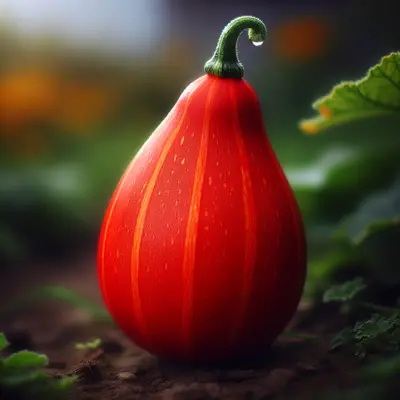
Baby red hubbard with appealing color and shape. Flesh is smooth in texture and great for pies and purées because specks of skin (being red) will not show. Also known as Orange Hokkaido. Avg. weight: 3-5 lb.
Harvest
92d
Days to harvest
Sun
Full sun
Zones
3–11
USDA hardiness
Difficulty
Moderate
Planting Timeline
Showing dates for Red Kuri Squash in USDA Zone 7
All Zone 7 squash →Zone Map
Click a state to update dates
Red Kuri Squash · Zones 3–11
Growing Details
Succession Planting
Red Kuri is a single-harvest winter squash — each vine sets its fruit and that's it. Succession sowing the way you'd do with lettuce or radishes doesn't apply here. What matters is getting your one planting timed correctly. Direct sow from April through early June in zone 7, as soon as soil temps are consistently above 60°F, so vines are well-established before squash vine borers (Melittia cucurbitae) begin laying eggs in July. NC State Extension IPM guidance is explicit on this point: early plantings that reach maturity before peak borer pressure perform measurably better than late ones. A 92-day crop started June 1 won't finish until early September at the earliest, which cuts it close on both ends.
Complete Growing Guide
With a 92-day maturity, Red Kuri requires starting seeds indoors 3-4 weeks before your last frost or direct seeding after soil reaches 70°F for reliable germination. This cultivar thrives in full sun with rich, well-draining soil amended with compost, preferring consistent moisture during fruit development but tolerating slightly drier conditions than other winter squashes. Red Kuri's compact vine growth—typically 6-8 feet—makes it ideal for smaller gardens, though it still needs adequate spacing to prevent powdery mildew in humid climates; ensure good air circulation and consider preventive sulfur applications if conditions favor fungal issues. The thin skin is more susceptible to sunscald than larger hubbards, so provide afternoon shade in extremely hot regions. One practical advantage: these squashes cure quickly (7-10 days) and store exceptionally well when kept at 50-55°F, making them reliable for season-long harvests.
Light: Full sun (6 or more hours of direct sunlight a day). Soil: High Organic Matter, Loam (Silt). Soil pH: Neutral (6.0-8.0). Drainage: Good Drainage, Moist. Spacing: 12 inches-3 feet. Growth rate: Rapid. Maintenance: Medium. Propagation: Seed. Regions: Coastal, Mountains, Piedmont.
Harvesting
Red Kuri squash reaches peak harvest maturity when the skin develops a deep, uniform orange-red color and the fruit feels rock-hard to moderate pressure. Fruits typically weigh 3–5 pounds at optimal ripeness. The skin should have a matte finish rather than glossy appearance, indicating full sugar development. Unlike some squash varieties that produce continuously, Red Kuri follows a concentrated fruiting pattern, so plan for a single main harvest window rather than staggered picking. Timing matters critically: harvest in early fall before the first hard frost, as the 92-day maturity window means planting should occur by mid-June in most regions to ensure fruits fully cure before cold weather arrives.
Soft or hard-shelled berries called pepos come in a variety of colors, shapes, and sizes and are harvested in the fall. The stems of the fruits generally have a soft corky texture compared to other species.
Color: Blue, Cream/Tan, Gold/Yellow, Gray/Silver, Orange, Pink, Red/Burgundy, Variegated, White. Type: Berry. Length: > 3 inches. Width: > 3 inches.
Garden value: Edible, Long-lasting, Showy
Harvest time: Fall
Storage & Preservation
Red Kuri squash stores exceptionally well in cool, dry conditions between 50–60°F with moderate humidity. Keep fruit in a single layer, avoiding direct contact between squashes to prevent rot. Properly cured specimens will last 2–3 months in a root cellar or unheated basement, making this variety ideal for season-long storage.
For longer preservation, roast and puree the flesh, then freeze in portions for up to eight months—perfect for off-season soups and pies. Alternatively, dice raw squash and blanch before freezing. The dense texture also responds well to dehydration; thin slices dried completely store in airtight containers for several months and rehydrate nicely in soups. Canning as puree requires pressure-canning for safety.
Because Red Kuri's thin, tender skin becomes completely edible when cooked, you can freeze cubed pieces with skin intact, streamlining prep work later. This saves time compared to thicker-skinned winter squash varieties.
History & Origin
Red Kuri squash emerged from Japanese breeding traditions, where it developed as a refined selection within the Hokkaido squash lineage. Known locally as Orange Hokkaido, this variety represents deliberate work to create a smaller, more manageable hubbard-type squash suited to Asian markets and home gardens. While specific breeder names and introduction dates remain undocumented in widely accessible horticultural records, the variety's development reflects Japan's sophisticated squash breeding heritage during the mid-to-late twentieth century. The cultivar subsequently gained international recognition through seed companies specializing in heirloom and specialty varieties, becoming prized in Western markets for its combination of ornamental appeal and culinary merit.
Origin: Central and South America
Advantages
- +Red skin specks won't show in pies and purees
- +Sweet, nutty, chestnut-like flavor makes it ideal for desserts
- +Compact 3-5 lb size fits small gardens and kitchens
- +Creamy, dense texture works perfectly for soups and purees
- +92-day maturity allows reliable harvests in shorter seasons
Considerations
- -Highly susceptible to powdery mildew in humid growing conditions
- -Vulnerable to multiple pests including squash bugs and vine borers
- -Requires consistent moisture and rich soil for best production
- -Dense vines need significant space despite smaller individual fruit
Companion Plants
The Three Sisters combination — corn, beans, and squash — holds up for Red Kuri for reasons that are actually structural. Corn provides vertical height that keeps the bed organized; squash sprawls at ground level, shading out weeds and slowing soil moisture loss under a canopy that can stretch 4–5 feet out from the crown. The beans fix nitrogen in the top few inches of soil, which a heavy feeder running a 92-day season can genuinely use. It's a legitimate system, not garden mythology.
Marigolds (Tagetes spp.) and nasturtiums work best planted densely at the bed edges, where their scent adds enough olfactory interference to slow the arrival of squash bugs and cucumber beetles — the two pests most likely to cause real damage before Red Kuri sets fruit. Neither plant eliminates the problem, but they buy time. Radishes sown at the same time as your squash seeds can draw flea beetles away from the emerging seedlings in those first two or three weeks when the plants are most vulnerable.
Potatoes are the companion to avoid most firmly. They carry their own load of pest and disease pressure, and sitting them next to squash means a Colorado potato beetle population or a late blight outbreak can spread laterally across the bed before you've noticed it in either crop. Brassicas compete with squash for nitrogen and calcium in the top 12–18 inches of soil — the same zone Red Kuri's feeder roots are working — and they'll slow each other down through the whole season.
Plant Together
Corn
Provides natural trellis structure and wind protection for sprawling squash vines
Beans
Fix nitrogen in soil which benefits heavy-feeding squash plants
Marigolds
Repel cucumber beetles, squash bugs, and other common squash pests
Nasturtiums
Act as trap crop for squash bugs and cucumber beetles while repelling aphids
Radishes
Deter squash vine borers and cucumber beetles when planted around squash
Catnip
Strong pest deterrent against squash bugs, cucumber beetles, and aphids
Oregano
Repels various garden pests and may improve squash flavor and growth
Sunflowers
Provide beneficial habitat for predatory insects that control squash pests
Keep Apart
Potatoes
Compete for similar nutrients and space, both are heavy feeders
Brassicas
Heavy nitrogen feeders that compete with squash and may stunt growth
Melons
Share similar diseases and pests, increasing risk of crop failure
Nutrition Facts
Per 100g serving. % Daily Value based on 2,000 calorie diet. Source: USDA FoodData Central (FDC #168040)
Pests & Disease Resistance
Resistance
Good disease resistance and excellent storage life
Common Pests
Squash bugs, cucumber beetles, vine borers
Diseases
Powdery mildew, downy mildew, bacterial wilt
Troubleshooting Red Kuri Squash
What you'll see, why it happens, and what to do about it.
Wilting plant that doesn't recover overnight, with stems that show a sticky, thread-like ooze when cut and pulled apart
Likely Causes
- Bacterial wilt (Erwinia tracheiphila), spread by cucumber beetles feeding on leaves
- Spotted cucumber beetle (Diabrotica undecimpunctata) or striped cucumber beetle (Acalymma vittatum) present on or near the plant
What to Do
- 1.Pull and dispose of infected plants immediately — bacterial wilt has no cure once it's systemic
- 2.Control cucumber beetles early with row cover until vines start flowering, then remove for pollination
- 3.NC State Extension recommends rotating out of cucurbits entirely for at least 3 years and removing all plant debris at season end to break the beetle's overwintering cycle
Vine collapses suddenly mid-season; sawdust-like frass visible at the base of the stem near soil level
Likely Causes
- Squash vine borer (Melittia cucurbitae) — larva tunnels into the main stem, cutting off water and nutrient flow
- Late planting that put seedlings in the ground when adult borers were already laying eggs in July
What to Do
- 1.Direct sow as early as soil temps allow — getting vines established before July reduces exposure, per NC State Extension IPM guidance on timing plantings around borer egg-laying
- 2.Check stem bases weekly starting in late June; if you catch it early, slit the stem lengthwise with a razor, extract the larva, and mound soil over the wound to encourage re-rooting
- 3.Use yellow sticky traps to monitor adult moth activity and apply row cover before adults appear, removing it once flowering begins
White powdery coating on upper leaf surfaces, starting on older leaves, spreading outward — usually shows up after the vine has been in the ground 50–60 days
Likely Causes
- Powdery mildew (Podosphaera xanthii or Erysiphe cichoracearum) — a fungal disease that thrives in warm days and cool nights and doesn't need wet foliage to spread
- Dense canopy with poor airflow, or plants stressed from inconsistent watering
What to Do
- 1.Give vines 48–60 inches of spacing so air moves through — crowded plantings nearly guarantee mildew pressure late in the season
- 2.Remove the worst-affected leaves and trash them; don't compost
- 3.Apply potassium bicarbonate or a dilute neem oil solution at first sign — waiting until it's widespread won't reverse it, only slow the spread
Frequently Asked Questions
How long does Red Kuri squash take to grow?▼
Can you grow Red Kuri squash in containers?▼
What does Red Kuri squash taste like?▼
Is Red Kuri squash good for beginners?▼
When should I plant Red Kuri squash seeds?▼
Red Kuri vs butternut squash - what's the difference?▼
Zone-by-Zone Planting Calendar
| Zone | Indoor Start | Transplant | Direct Sow | Harvest |
|---|---|---|---|---|
| Zone 3 | — | — | June – July | October – October |
| Zone 4 | — | — | June – July | October – October |
| Zone 5 | — | — | May – June | September – October |
| Zone 6 | — | — | May – June | September – October |
| Zone 7 | — | — | April – June | August – October |
| Zone 8 | — | — | April – May | August – September |
| Zone 9 | — | — | March – April | July – August |
| Zone 10 | — | — | February – April | June – August |
| Zone 1 | — | — | July – August | November – August |
| Zone 2 | — | — | June – August | October – September |
| Zone 11 | — | — | January – March | May – July |
| Zone 12 | — | — | January – March | May – July |
| Zone 13 | — | — | January – March | May – July |
Growing Guides from Wind River Greens
Sources & References
External authority sources used in compiling this guide.
See the Methodology page for how this data is sourced, what's AI-assisted, and known limitations.