Golden Acorn Squash
Cucurbita pepo 'Golden Acorn'
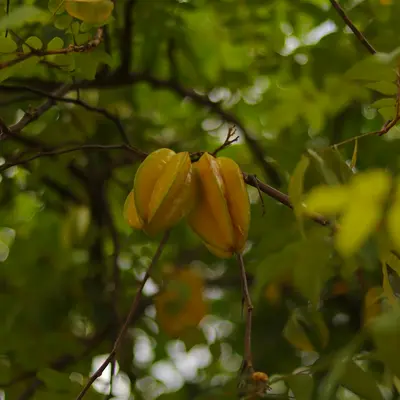
A beautiful golden-yellow variant of the classic acorn squash that's perfect for individual servings and stunning fall displays. Golden Acorn offers the same sweet, nutty flavor as traditional acorn squash but with a gorgeous bright yellow color that adds visual appeal to any meal. The compact size makes it ideal for stuffing and the productive vines yield numerous fruits perfect for autumn harvests.
Harvest
85-100d
Days to harvest
Sun
Full sun
Zones
3–11
USDA hardiness
Height
1-3 feet
Planting Timeline
Showing dates for Golden Acorn Squash in USDA Zone 7
All Zone 7 squash →Zone Map
Click a state to update dates
Golden Acorn Squash · Zones 3–11
Growing Details
Succession Planting
Golden Acorn takes 85-100 days to harvest, so succession options are limited — but two sowings fit comfortably in zone 7. Direct sow the first round once soil reaches 60°F, typically late April, and a second round no later than June 15. That second sowing should hit maturity in mid-September, well ahead of first frost.
Don't push a third sowing past that June 15 cutoff. Anything germinating in early July will have tender young stems right in the squash vine borer's peak egg-laying window, and you'll lose more plants than you harvest. Two rounds is the practical ceiling; use any remaining bed space for a fall brassica or root crop instead.
Complete Growing Guide
Golden Acorn squash thrives with consistent warmth and should be planted only after soil reaches 70°F, typically 1-2 weeks after your last frost date, as seeds are prone to rot in cold, wet soil. This cultivar's compact vine growth—reaching just 1-3 feet—makes it more suitable for smaller gardens than sprawling winter squash varieties, though it still needs full sun and well-draining soil rich in organic matter. Golden Acorn is generally resistant to powdery mildew but remains susceptible to squash vine borers and cucumber beetles, so monitor stems carefully and consider row covers during early growth. The golden skin color makes ripeness assessment trickier than traditional dark acorn squash; harvest when the skin resists thumbnail puncture and the fruit develops a deep golden tone rather than pale yellow. One essential tip: plant multiple seeds per hill and thin to the strongest seedling, as this cultivar's compact habit means adequate spacing won't compromise productivity across your planting.
Light: Full sun (6 or more hours of direct sunlight a day). Soil: High Organic Matter, Loam (Silt). Soil pH: Neutral (6.0-8.0). Drainage: Good Drainage, Moist. Height: 1 ft. 0 in. - 3 ft. 0 in.. Spread: 2 ft. 0 in. - 25 ft. 0 in.. Spacing: 12 inches-3 feet. Growth rate: Rapid. Maintenance: High. Propagation: Seed. Regions: Coastal, Mountains, Piedmont.
Harvesting
Harvest Golden Acorn Squash when the skin reaches a deep, uniform golden-yellow color and loses its greenish undertones, as this cultivar's bright hue is a reliable indicator of maturity. The fruit should feel firm and heavy for its size, and the stem will become woody and cork-like when ready. Individual fruits mature sequentially on the vine rather than all at once, allowing for continuous harvesting throughout the season by selecting only the fully colored squashes and leaving smaller, lighter ones to develop. For optimal sweetness, wait to harvest until after the first light frost, which triggers the plant to convert starches to sugars and concentrates the nutty flavor that defines this variety.
A type of berry called a pepo that has a hard rind. Fruits may be long or round, large or small, smooth or warty– some have edible flesh and some are too hard or insipid to eat, though the seeds of all are edible. Has a harder, thicker stem compared to other species.
Color: Black, Cream/Tan, Gold/Yellow, Green, Orange, Pink, Red/Burgundy, Variegated, White. Type: Berry. Length: > 3 inches. Width: > 3 inches.
Garden value: Edible, Showy
Harvest time: Fall
Storage & Preservation
Cure Golden Acorn squash in warm, dry conditions (80-85°F) for 10 days to harden the skin, then store in cool (50-55°F), dry locations with good air circulation. Properly cured squash keeps 3-4 months. Check stored fruits monthly, removing any showing soft spots.
Avoid refrigerating whole squash — cold temperatures cause deterioration. Once cut, wrap pieces in plastic and refrigerate for up to one week.
For preservation, roasting and freezing works excellently. Cut squash in half, remove seeds, roast until tender, then scoop flesh into freezer bags. Frozen roasted Golden Acorn maintains quality for 8-10 months. Dehydrating thin slices creates excellent chips, while pressure canning cubed squash provides convenient soup ingredients. The sweet flesh also makes beautiful golden purees for baking applications.
History & Origin
Golden Acorn squash emerged as a color mutation within the classic acorn squash lineage, which itself traces back to pre-Columbian domestication in Mesoamerica. While specific breeder attribution and introduction year remain poorly documented in readily available sources, golden variants of winter squashes began appearing in seed catalogs during the latter twentieth century as breeders selected for novel colors that maintained the parent variety's desirable traits. The golden phenotype likely arose through natural mutation and deliberate selection within commercial breeding programs, though the precise origin story of this particular cultivar remains obscure in horticultural literature. Its development reflects the broader seed industry practice of creating ornamental color variations of established vegetable varieties.
Origin: North America
Advantages
- +Golden Acorn's bright yellow color makes it visually stunning for autumn table displays.
- +Individual-sized fruits are perfect for single servings and elegant stuffed squash presentations.
- +Sweet, nutty flavor combines excellent taste with beautiful appearance unlike other acorn varieties.
- +Productive vines yield numerous fruits during typical 85-100 day growing season reliably.
- +Easy to moderate difficulty makes Golden Acorn suitable for both beginner and experienced gardeners.
Considerations
- -Vulnerable to squash bugs, vine borers, and cucumber beetles requiring vigilant pest management.
- -Susceptible to powdery mildew and mosaic virus, particularly in humid or overcrowded growing conditions.
- -Requires full sun, warm soil, and consistent moisture for optimal fruit development and yield.
Companion Plants
Nasturtiums and marigolds pull their weight near acorn squash by drawing aphids away from the main vines and creating some confusion for squash bugs and cucumber beetles — you're offering pests a more appealing stop a few feet away. Radishes planted at the bed edges have a similar effect on cucumber beetles, and at 28-30 days to maturity you can pull them before the squash canopy closes everything off. The Three Sisters combination of corn, beans, and squash is worth trying here: corn gives vertical structure, beans fix nitrogen at the root zone, and the broad squash leaves shade out weeds between the hills. In our zone 7 Georgia gardens, that whole combination goes in around late April once soil hits 60°F.
Potatoes belong on the other side of the garden — they share several soil-borne pathogens with squash and the root competition is real. Fennel is allelopathic to most vegetable crops and has no business in a squash bed regardless of spacing. Sage won't kill your squash outright, but strongly aromatic herbs planted within 12-18 inches can suppress germination and early growth, so keep them in their own section.
Plant Together
Nasturtiums
Repels squash bugs, cucumber beetles, and aphids while attracting beneficial predatory insects
Marigolds
Deters cucumber beetles, squash bugs, and nematodes with their strong scent
Radishes
Repels squash vine borers and cucumber beetles, can be harvested before squash needs space
Corn
Provides natural support structure and partial shade, part of traditional Three Sisters planting
Beans
Fixes nitrogen in soil to benefit heavy-feeding squash, completes Three Sisters companion trio
Catnip
Strongly repels squash bugs and cucumber beetles with potent natural compounds
Oregano
Repels cucumber beetles and provides general pest deterrent with aromatic oils
Sunflowers
Attracts beneficial insects and pollinators while providing wind protection
Keep Apart
Potatoes
Compete for similar soil nutrients and space, both are heavy feeders that deplete soil
Fennel
Releases allelopathic compounds that inhibit growth and development of squash plants
Aromatic Herbs (Sage)
Strong essential oils can inhibit squash growth and development when planted too close
Nutrition Facts
Per 100g serving. % Daily Value based on 2,000 calorie diet. Source: USDA FoodData Central (FDC #168472)
Pests & Disease Resistance
Resistance
Moderate resistance to common squash diseases
Common Pests
Squash bugs, cucumber beetles, vine borers
Diseases
Powdery mildew, bacterial wilt, mosaic virus
Troubleshooting Golden Acorn Squash
What you'll see, why it happens, and what to do about it.
Stem at soil level has sawdust-like frass and the vine suddenly wilts despite adequate water, typically in July or August
Likely Causes
- Squash vine borer (Melittia cucurbitae) — the larva tunnels into the base of the stem after the adult moth lays eggs in late June through July
- Late planting that puts vulnerable young plants right in the middle of the borer's egg-laying window
What to Do
- 1.Plant seeds as early as soil temps allow (60°F minimum) so the vine is mature and partly hardened off before July; NC State Extension's IPM guidance specifically recommends timing squash to avoid the July borer flight
- 2.If you catch it early, slit the stem lengthwise with a razor blade, remove the larva, and mound damp soil over the wound — the vine will sometimes re-root
- 3.Next season, note that NC State Extension flags butternut squash as carrying vine borer resistance that acorn types lack; it may be worth growing a row of each
White powdery coating on upper leaf surfaces, starting on older leaves, usually appearing after fruit set
Likely Causes
- Powdery mildew (Podosphaera xanthii or Erysiphe cichoracearum) — dry days with humid nights and poor airflow are the classic setup
- Crowded planting at less than the recommended 4-6 foot spacing
What to Do
- 1.Strip and bag the worst-affected leaves — don't compost them
- 2.Spray remaining foliage with a potassium bicarbonate solution or diluted neem oil at 7-day intervals; do it in the evening to avoid leaf scorch
- 3.If the fruit is already sizing up and within the 85-100 day harvest window, you can often just let the plant decline — powdery mildew at the tail end of the season rarely ruins fruit that's already set
Leaves yellowing and wilting rapidly across the whole plant, even on well-watered vines; cutting the stem reveals brown, sticky vascular tissue
Likely Causes
- Bacterial wilt (Erwinia tracheiphila) — transmitted by striped or spotted cucumber beetles feeding on leaves
- High cucumber beetle pressure, especially in seasons when beetles migrate early from southern states
What to Do
- 1.Pull and bag the plant immediately — bacterial wilt has no cure and beetles will carry it to healthy vines within days
- 2.At season's end, remove all cucurbit plant debris and turn the bed; NC State Extension's IPM section notes that cucumber beetle eggs overwinter in discarded plant material, so clearing it disrupts that cycle
- 3.Rotate the bed out of the cucurbit family (Cucurbitaceae) for at least 3 years — NC State Extension's cucumber beetle IPM recommendations put that as the minimum effective gap
Frequently Asked Questions
How long does Golden Acorn squash take to grow from seed to harvest?▼
Can you grow Golden Acorn squash in containers or pots?▼
What does Golden Acorn squash taste like compared to regular acorn squash?▼
When should I plant Golden Acorn squash seeds in my garden?▼
Is Golden Acorn squash good for beginner gardeners?▼
How do you know when Golden Acorn squash is ready to pick?▼
Zone-by-Zone Planting Calendar
| Zone | Indoor Start | Transplant | Direct Sow | Harvest |
|---|---|---|---|---|
| Zone 1 | — | — | July – August | November – August |
| Zone 2 | — | — | June – August | October – September |
| Zone 11 | — | — | January – March | May – July |
| Zone 12 | — | — | January – March | May – July |
| Zone 13 | — | — | January – March | May – July |
| Zone 3 | — | — | June – July | October – October |
| Zone 4 | — | — | June – July | September – October |
| Zone 5 | — | — | May – June | September – October |
| Zone 6 | — | — | May – June | September – October |
| Zone 7 | — | — | April – June | August – October |
| Zone 8 | — | — | April – May | August – September |
| Zone 9 | — | — | March – April | July – August |
| Zone 10 | — | — | February – April | June – August |
Growing Guides from Wind River Greens
Sources & References
External authority sources used in compiling this guide.
See the Methodology page for how this data is sourced, what's AI-assisted, and known limitations.