Butterscotch Winter Squash
Cucurbita maxima 'Butterscotch'
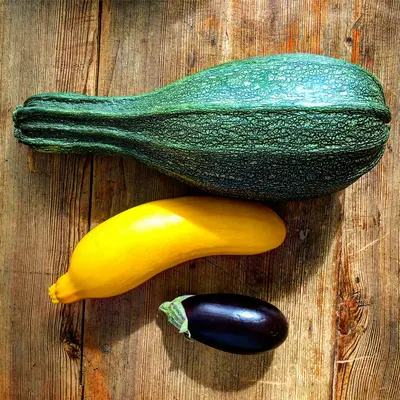
A stunning winter squash that combines the best qualities of butternut and buttercup varieties, featuring smooth, tan-colored skin and incredibly sweet, orange flesh that tastes like candy. This vigorous vine produces large, bell-shaped fruits that store exceptionally well through winter. The rich, creamy texture and complex sweetness make it a gourmet favorite for roasting and soups.
Harvest
100-110d
Days to harvest
Sun
Full sun
Zones
3–11
USDA hardiness
Difficulty
Moderate
Planting Timeline
Showing dates for Butterscotch Winter Squash in USDA Zone 7
All Zone 7 squash →Zone Map
Click a state to update dates
Butterscotch Winter Squash · Zones 3–11
Growing Details
Complete Growing Guide
With a 100–110 day maturity window, Butterscotch Winter Squash demands an earlier planting date than standard winter squash—sow seeds in late spring to ensure fruits mature before first frost, particularly in northern zones. This vigorous cultivar thrives in warm, well-draining soil enriched with compost and needs consistent moisture and full sun to develop its signature sweetness. Unlike buttercup varieties, Butterscotch shows less susceptibility to powdery mildew if given adequate air circulation, though cucumber beetles remain a concern—use row covers on young plants as a preventive measure. The bell-shaped fruits are prone to sprawling and shading lower foliage, so strategic pruning of excessive vine growth mid-season prevents fungal issues while maintaining productivity. One practical tip: harvest fruits only after the skin hardens completely and the stem becomes woody; premature picking compromises storage longevity and flavor development, whereas properly cured squash stores 3–4 months in cool conditions.
Light: Full sun (6 or more hours of direct sunlight a day). Soil: High Organic Matter, Loam (Silt). Soil pH: Neutral (6.0-8.0). Drainage: Good Drainage, Moist. Spacing: 12 inches-3 feet. Growth rate: Rapid. Maintenance: Medium. Propagation: Seed. Regions: Coastal, Mountains, Piedmont.
Harvesting
Butterscotch Winter Squash reaches peak harvest maturity when the tan skin deepens to a rich, uniform bronze-tan color and the bell-shaped fruit feels heavy and hard to the thumbnail test. Fruits typically weigh 4–6 pounds at optimal size, though larger specimens up to 8 pounds store equally well. Harvest the entire crop at once when vines begin to decline and the stem connecting fruit to vine turns woody and cork-like, rather than spreading harvests across multiple weeks. A critical timing tip: cut squash with 2–3 inches of stem attached using a sharp knife rather than twisting, as this dramatically extends storage life and prevents rot from stem-end infections. Cure harvested fruits in a warm, dry location for 10–14 days before storage.
Soft or hard-shelled berries called pepos come in a variety of colors, shapes, and sizes and are harvested in the fall. The stems of the fruits generally have a soft corky texture compared to other species.
Color: Blue, Cream/Tan, Gold/Yellow, Gray/Silver, Orange, Pink, Red/Burgundy, Variegated, White. Type: Berry. Length: > 3 inches. Width: > 3 inches.
Garden value: Edible, Long-lasting, Showy
Harvest time: Fall
Storage & Preservation
Butterscotch Winter Squash keeps exceptionally well when stored in a cool, dry place between 50-60°F with moderate humidity around 60-70%, ideally in a well-ventilated crate or cardboard box. Under these conditions, mature squashes maintain quality for three to four months. For longer-term preservation, roast and puree the flesh, then freeze in ice cube trays or quart containers for up to eight months—this method captures the variety's concentrated sweetness perfectly for winter baking and soups. Alternatively, the cooked puree freezes beautifully for pies and desserts. Canning is possible using tested squash puree recipes, though freezing better preserves the butterscotch character. This variety's exceptionally dense, fine-grained flesh means it yields more usable puree per fruit than typical winter squash, making it particularly economical for large-batch preservation. Always cure freshly harvested squashes at 75-80°F for one to two weeks before storage to harden the skin and extend keeping time.
History & Origin
The Butterscotch Winter Squash represents a deliberate cross within the Cucurbita maxima species, combining the smooth skin and storage capabilities of butternut-type squashes with the dense, sweet flesh characteristic of buttercup varieties. While comprehensive documentation on the specific breeder and introduction date remains limited, this variety emerged from the late twentieth-century trend of improving winter squash flavor and texture through hybridization. The variety exemplifies the work of seed companies and plant breeders focused on enhancing the culinary appeal of storage crops, building upon decades of selection within established butternut and buttercup breeding lines to achieve its distinctive butterscotch flavor profile and creamy texture.
Origin: Central and South America
Advantages
- +Exceptionally sweet butterscotch flavor makes it a gourmet cooking favorite.
- +Smooth tan skin and bell shape are visually stunning for display.
- +Stores exceptionally well through winter months with minimal spoilage.
- +Creamy orange flesh works perfectly for roasting and soup applications.
- +Vigorous vines produce large fruits reliably in moderate difficulty gardens.
Considerations
- -Susceptible to squash bugs, cucumber beetles, and destructive vine borers.
- -Requires 100-110 days maturity, limiting options in short-season climates.
- -Vulnerable to powdery mildew, bacterial wilt, and black rot diseases.
Companion Plants
Nasturtiums and marigolds pull their weight as trap crops — aphids and whiteflies pile onto them first, buying the squash vines some breathing room. Radishes left to bolt do something similar for flea beetles and cucumber beetles near cucurbits. Corn and beans planted within 3–4 feet add structural and nutritional logic: the corn canopy draws squash bugs' natural predators, and beans fix atmospheric nitrogen close to the root zone, which Butterscotch's heavy-fruiting vines will use by midsummer. Potatoes and brassicas are the ones to keep on the other side of the garden — both compete hard for calcium and moisture, and potatoes in particular host fungal pathogens that don't need any help finding their way onto squash foliage.
Plant Together
Nasturtiums
Acts as trap crop for squash bugs and cucumber beetles, repels aphids
Marigolds
Repels cucumber beetles, squash bugs, and nematodes with strong scent
Radishes
Deters squash vine borers and cucumber beetles, breaks up soil
Corn
Provides natural trellis support and shade, part of Three Sisters planting
Beans
Fixes nitrogen in soil for heavy-feeding squash, completes Three Sisters guild
Catnip
Strongly repels squash bugs, cucumber beetles, and other squash pests
Dill
Attracts beneficial insects like parasitic wasps that control squash pests
Sunflowers
Attracts pollinators essential for squash fruit set, provides beneficial habitat
Keep Apart
Potatoes
Competes for space and nutrients, both are heavy feeders requiring similar soil resources
Aromatic Herbs
Strong herbs like sage and rosemary can inhibit squash growth and development
Brassicas
Heavy nitrogen feeders that compete with squash, can stunt growth when planted nearby
Nutrition Facts
Per 100g serving. % Daily Value based on 2,000 calorie diet. Source: USDA FoodData Central (FDC #168040)
Pests & Disease Resistance
Resistance
Good resistance to powdery mildew and vine borers
Common Pests
Squash bugs, cucumber beetles, squash vine borers
Diseases
Powdery mildew, bacterial wilt, black rot
Troubleshooting Butterscotch Winter Squash
What you'll see, why it happens, and what to do about it.
Stems wilting suddenly on one or more vines, even when soil moisture is fine — often plants collapse within a few days
Likely Causes
- Squash vine borer (Melittia cucurbitae) — larvae tunnel into the base of the stem and feed internally
- Bacterial wilt (Erwinia tracheiphila) — transmitted by cucumber beetles, blocks vascular tissue
What to Do
- 1.Check the stem base for frass (looks like wet sawdust); if you find a borer entry hole, slit the stem lengthwise, remove the larva, and mound soil over the wound to encourage re-rooting
- 2.Plant seeds as early as the soil allows — NC State Extension notes that squash planted early can mature before borers peak their egg-laying in July
- 3.To distinguish borer from bacterial wilt, cut a wilted stem and touch the cut ends together; if you pull them apart and see sticky threads, it's bacterial wilt — pull and discard that plant, there's no cure
White powdery coating on the upper surface of leaves, usually showing up mid-to-late season after the canopy fills in
Likely Causes
- Powdery mildew (Erysiphe cichoracearum or Sphaerotheca fuliginea) — spreads via airborne spores in warm conditions with poor airflow
- Crowded vines trapping humidity around the foliage
What to Do
- 1.Strip the worst-affected leaves and bin them — don't compost
- 2.Apply a potassium bicarbonate spray as soon as you see the first white patches; waiting even 10–14 days lets it spread to healthy tissue fast
- 3.Give vines the full 48–72 inches of spacing the variety needs — crowding is the single biggest reason powdery mildew gets out of hand on winter squash
Yellowing, stippled leaves with small tan or olive-colored beetles visible on stems and leaf undersides, especially on seedlings under 3 weeks old
Likely Causes
- Striped cucumber beetle (Acalymma vittatum) or spotted cucumber beetle (Diabrotica undecimpunctata) feeding on foliage and transmitting bacterial wilt
- Cucumber beetle eggs overwintering in old vine debris left in the bed
What to Do
- 1.Cover transplants or newly germinated seeds with row cover immediately and leave it on until the first female flowers open — this is the most effective window for protection
- 2.After harvest, pull all vine debris out of the bed and turn the soil; NC State Extension notes that removing plant material and tilling disrupts the beetle's overwintering cycle
- 3.Rotate cucurbits out of the same bed for at least 3 years — NC State Extension recommends this as a core cultural strategy against cucumber beetles
Frequently Asked Questions
How long does butterscotch winter squash take to grow?▼
Can you grow butterscotch squash in containers?▼
What does butterscotch winter squash taste like?▼
Is butterscotch squash good for beginners?▼
When should I plant butterscotch winter squash?▼
Butterscotch vs butternut squash - what's the difference?▼
Zone-by-Zone Planting Calendar
| Zone | Indoor Start | Transplant | Direct Sow | Harvest |
|---|---|---|---|---|
| Zone 1 | — | — | July – August | November – August |
| Zone 2 | — | — | June – August | November – September |
| Zone 11 | — | — | January – March | June – July |
| Zone 12 | — | — | January – March | June – July |
| Zone 13 | — | — | January – March | June – July |
| Zone 3 | — | — | June – July | October – October |
| Zone 4 | — | — | June – July | October – October |
| Zone 5 | — | — | May – June | September – October |
| Zone 6 | — | — | May – June | September – November |
| Zone 7 | — | — | April – June | September – October |
| Zone 8 | — | — | April – May | August – October |
| Zone 9 | — | — | March – April | July – September |
| Zone 10 | — | — | February – April | July – August |
Growing Guides from Wind River Greens
Sources & References
External authority sources used in compiling this guide.
See the Methodology page for how this data is sourced, what's AI-assisted, and known limitations.