Straightneck Yellow Summer Squash
Cucurbita pepo 'Early Yellow Summer Crookneck' (straightneck variety)
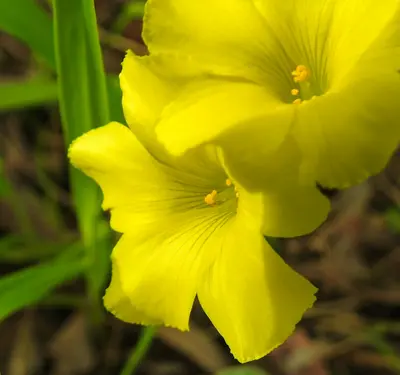
A classic summer squash variety that produces straight, bright yellow fruits with tender skin and creamy white flesh perfect for countless summer dishes. This prolific bush-type plant delivers abundant harvests throughout the growing season, making it a staple in home gardens for generations. The mild flavor and versatile size make it perfect for everything from simple sautéing to elaborate summer casseroles.
Harvest
50-55d
Days to harvest
Sun
Full sun
Zones
3–11
USDA hardiness
Height
1-3 feet
Planting Timeline
Showing dates for Straightneck Yellow Summer Squash in USDA Zone 7
All Zone 7 squash →Zone Map
Click a state to update dates
Straightneck Yellow Summer Squash · Zones 3–11
Growing Details
Succession Planting
Direct sow every 14–18 days from your last frost date through early June (zone 7: roughly April 1 through June 10). Each planting takes 50–55 days to first harvest, so a June 10 sowing starts producing by early August — about as far out as you want to push it before heat, powdery mildew, and vine borer pressure stack up and make the plants more trouble than they're worth.
Stop new sowings once daytime highs are consistently above 90°F; fruit set drops sharply above that threshold, and what does set tends to come out misshapen. Two or three staggered plantings is usually enough — more than that and you'll be leaving yellow squash on neighbors' porches in August, which sounds fine until it actually happens.
Complete Growing Guide
This straightneck variety matures remarkably fast at 50–55 days, so succession plant every two weeks for continuous harvests rather than planting all at once. Unlike crookneck cousins that develop curved necks, straightnecks produce uniformly straight fruits ideal for neat storage and uniform cooking. Plant in full sun with rich, well-draining soil amended with compost, as this cultivar's prolific nature demands consistent nutrients and moisture to prevent premature flowering and fruit abortion during heat stress. Watch closely for powdery mildew and squash bugs, which target this variety aggressively in humid conditions—improve air circulation by pruning lower leaves and apply neem oil at first sign of pests. The bush growth habit stays compact, but plants spread laterally, so space them 3–4 feet apart. Harvest fruits at 6–8 inches when skin is still tender; waiting too long creates tough, seedy squash that discourages further production.
Light: Full sun (6 or more hours of direct sunlight a day). Soil: High Organic Matter, Loam (Silt). Soil pH: Neutral (6.0-8.0). Drainage: Good Drainage, Moist. Height: 1 ft. 0 in. - 3 ft. 0 in.. Spread: 2 ft. 0 in. - 25 ft. 0 in.. Spacing: 12 inches-3 feet. Growth rate: Rapid. Maintenance: High. Propagation: Seed. Regions: Coastal, Mountains, Piedmont.
Harvesting
Harvest straightneck yellow summer squash when fruits reach 6-8 inches long with a uniformly bright yellow color and skin that yields slightly to gentle pressure but remains firm. The skin should be tender enough to pierce easily with a fingernail, indicating peak tenderness before it becomes tough and seedy. Rather than waiting for a single massive harvest, pick fruits every 2-3 days once production begins to encourage continuous blooming and prevent the plant from investing energy in mature seeds. This frequent harvesting strategy keeps plants prolific throughout the season and ensures you gather squash at their most tender and flavorful stage, avoiding the tough, oversized specimens that develop when fruits are left on the vine too long.
A type of berry called a pepo that has a hard rind. Fruits may be long or round, large or small, smooth or warty– some have edible flesh and some are too hard or insipid to eat, though the seeds of all are edible. Has a harder, thicker stem compared to other species.
Color: Black, Cream/Tan, Gold/Yellow, Green, Orange, Pink, Red/Burgundy, Variegated, White. Type: Berry. Length: > 3 inches. Width: > 3 inches.
Garden value: Edible, Showy
Harvest time: Fall
Storage & Preservation
Fresh straightneck yellow squash keeps best at room temperature for 2-3 days or refrigerated in the crisper drawer for up to one week. Store unwashed with stems intact, and avoid plastic bags which trap moisture and accelerate decay.
For longer storage, slice squash into 1/2-inch rounds, blanch for 3 minutes, then freeze in single layers on baking sheets before transferring to freezer bags. Frozen squash works well in soups, casseroles, and baked goods for up to 8 months.
Grate raw squash and freeze in measured portions for adding to quick breads, muffins, and fritters. Straightneck varieties also pickle beautifully – slice thin and use in refrigerator pickles or traditional canned pickles using tested recipes. Dehydrate thin slices at 125°F for 8-12 hours to create crispy chips for snacking.
History & Origin
The straightneck yellow summer squash emerged as a deliberate breeding improvement of the crookneck squash, addressing gardeners' practical desire for straighter fruits that pack and store more efficiently. While the exact breeder and introduction year remain undocumented in readily available sources, this variety represents mid-twentieth-century American horticultural refinement rather than ancient heritage. The straightneck form likely developed through selective breeding within major American seed companies, particularly those focused on home garden varieties during the post-war era when vegetables became increasingly standardized for consumer convenience. The variety maintains the mild flavor and prolific production characteristics of its crookneck ancestors while offering the functional advantage of the distinctive straight shape that became commercially desirable.
Origin: North America
Advantages
- +Produces straight yellow fruits ideal for uniform slicing and presentation
- +Ready to harvest in just 50-55 days from planting
- +Prolific bush plant yields abundant squash throughout the entire season
- +Mild, slightly sweet flavor works perfectly in any summer recipe
- +Easy to grow making it excellent for beginner gardeners
Considerations
- -Highly susceptible to squash bugs and cucumber beetles requiring vigilant monitoring
- -Vulnerable to powdery mildew and downy mildew in humid conditions
- -Squash vine borers frequently damage plants causing sudden vine collapse
Companion Plants
Marigolds — French marigolds (Tagetes patula) specifically — are the most practical companion here. They deter aphids and squash bugs through volatile scent compounds, and at 8–12 inches tall they don't shade out a plant that needs full sun to set fruit. Nasturtiums work differently: they function as a trap crop, drawing aphids onto themselves and away from squash. Plant a few at the bed edge rather than mixed in, so when the nasturtiums get colonized you can pull them without disturbing your squash roots. Beans are worth the bed space too — they fix atmospheric nitrogen through their Rhizobium root symbiosis, which directly feeds a crop as hungry as summer squash without requiring you to side-dress with fertilizer mid-season.
Keep potatoes out of the same bed. They share several soil-borne pathogens with squash and compete for moisture at the same root depth — two problems at once. Brassicas are similarly problematic: they're heavy feeders that go head-to-head with squash for phosphorus and potassium, and the glucosinolate compounds they release as residue can suppress germination in adjacent sowings.
Plant Together
Marigolds
Repel squash bugs, cucumber beetles, and other harmful insects while attracting beneficial predators
Nasturtiums
Act as trap crops for squash bugs and cucumber beetles, drawing pests away from squash plants
Radishes
Deter squash vine borers and cucumber beetles, while breaking up soil for squash roots
Beans
Fix nitrogen in soil for heavy-feeding squash plants and don't compete for space
Corn
Provides natural shade and wind protection, part of traditional Three Sisters planting
Catnip
Repels squash bugs, cucumber beetles, and other common squash pests
Dill
Attracts beneficial insects like parasitic wasps that control squash pests
Sunflowers
Attract beneficial insects and provide natural trellising support for vining varieties
Keep Apart
Potatoes
Compete for space and nutrients, may harbor similar soil-borne diseases
Brassicas
Heavy feeders that compete for nutrients and may stunt squash growth
Aromatic herbs
Strong-scented herbs like sage can inhibit squash germination and growth
Nutrition Facts
Per 100g serving. % Daily Value based on 2,000 calorie diet. Source: USDA FoodData Central (FDC #168040)
Pests & Disease Resistance
Resistance
Moderate resistance to common squash diseases
Common Pests
Squash bugs, cucumber beetles, aphids, squash vine borers
Diseases
Powdery mildew, downy mildew, bacterial wilt
Troubleshooting Straightneck Yellow Summer Squash
What you'll see, why it happens, and what to do about it.
Wilting plant that doesn't recover overnight, with stem base that looks clean on the outside but shows orange-brown sawdust-like frass when you cut into it
Likely Causes
- Squash vine borer (Melittia cucurbitae) — the moth lays eggs at the stem base in July, and the larvae tunnel inside before you notice anything is wrong
- Late planting that puts the plant's vulnerable juvenile stage right at peak moth activity
What to Do
- 1.Plant seeds as early as your last frost allows — NC State Extension notes that getting squash in the ground early is the main cultural defense, since borers lay eggs in July and an early planting is already producing by then
- 2.If you catch it before the plant collapses, slit the stem lengthwise with a razor, remove the larva, and bury that section of stem under a few inches of moist soil so it can re-root
- 3.Next season, wrap the bottom 3–4 inches of stem in row cover fabric or nylon stocking material — NC State Extension's organic gardening resources specifically mention this as a physical barrier against egg-laying
White powdery coating on upper leaf surfaces, starting on older leaves around mid-summer and spreading toward new growth
Likely Causes
- Powdery mildew — a fungal disease favored by warm days, cool nights, and dry air; spores spread by wind, not rain splash
- Dense canopy with poor airflow, which is easy to end up with once plants fill in their 36–48 inch allotment and leaves start overlapping
What to Do
- 1.Remove and trash (don't compost) the most heavily coated leaves to slow spread
- 2.Apply a baking-soda-and-oil spray (1 tablespoon baking soda + 1 tablespoon horticultural oil per gallon of water) every 7 days; it won't cure infected tissue but slows new colonization
- 3.Most summer squash will show powdery mildew by late July regardless — the real goal is keeping it in check long enough to finish your 50–55 day harvest window before the plant gives up
Sudden, permanent wilting of the whole plant — no overnight recovery, no borer frass, leaves still green at first
Likely Causes
- Bacterial wilt (Erwinia tracheiphila), transmitted by cucumber beetles (Acalymma vittatum or Diabrotica undecimpunctata) — the bacteria block vascular tissue and there is no cure once a plant is infected
- High cucumber beetle pressure early in the season, when plants are small and most attractive to feeding
What to Do
- 1.Pull and discard the plant immediately — it won't recover, and leaving it keeps beetles feeding and moving the pathogen to neighboring plants
- 2.Confirm bacterial wilt before pulling: cut a stem near the base, press the two cut ends together briefly, then slowly separate them — a thin thread stretching between the surfaces is a positive indicator
- 3.NC State Extension recommends waiting at least 3 years before returning cucurbits to the same bed, and clearing all plant debris after harvest to reduce overwintering beetle populations
Frequently Asked Questions
How long does straightneck yellow summer squash take to grow?▼
Can you grow straightneck yellow squash in containers?▼
What does straightneck yellow summer squash taste like?▼
When should I plant straightneck yellow summer squash?▼
Is straightneck yellow summer squash good for beginners?▼
Straightneck vs crookneck yellow squash - what's the difference?▼
Zone-by-Zone Planting Calendar
| Zone | Indoor Start | Transplant | Direct Sow | Harvest |
|---|---|---|---|---|
| Zone 1 | — | — | July – August | September – August |
| Zone 2 | — | — | June – August | September – September |
| Zone 11 | — | — | January – March | April – May |
| Zone 12 | — | — | January – March | April – May |
| Zone 13 | — | — | January – March | April – May |
| Zone 3 | — | — | June – July | August – October |
| Zone 4 | — | — | June – July | August – October |
| Zone 5 | — | — | May – June | August – September |
| Zone 6 | — | — | May – June | July – September |
| Zone 7 | — | — | April – June | July – August |
| Zone 8 | — | — | April – May | June – August |
| Zone 9 | — | — | March – April | May – July |
| Zone 10 | — | — | February – April | May – June |
Growing Guides from Wind River Greens
Sources & References
External authority sources used in compiling this guide.
See the Methodology page for how this data is sourced, what's AI-assisted, and known limitations.