Zucchini Green Machine
Cucurbita pepo 'Green Machine'
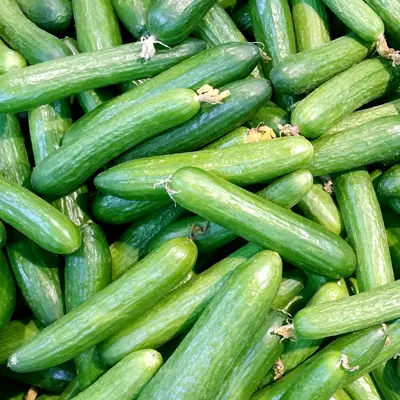
A powerhouse hybrid zucchini that delivers exceptional yields of uniform, dark green fruits with tender skin and creamy white flesh. This vigorous plant produces consistently from summer through fall, making it perfect for gardeners who want reliable harvests for fresh eating, baking, and preserving. Known for its excellent disease resistance and ability to maintain quality even in challenging growing conditions.
Harvest
50-55d
Days to harvest
Sun
Full sun
Zones
3–11
USDA hardiness
Height
1-3 feet
Planting Timeline
Showing dates for Zucchini Green Machine in USDA Zone 7
All Zone 7 squash →Zone Map
Click a state to update dates
Zucchini Green Machine · Zones 3–11
Growing Details
Succession Planting
In zone 7, direct sow Green Machine every 3 weeks starting around April 1, and make your last sowing by late June — that keeps a fresh planting coming in while staying ahead of squash vine borer adults, which NC State Extension notes begin laying eggs in July. Three rounds is usually enough; at 50-55 days to harvest, zucchini produces fast and heavily, and staggering prevents the two-week glut where you're leaving squash on neighbors' doorsteps at midnight.
Stop sowing once daytime highs are consistently above 90°F — germination stalls and young plants stress quickly. If you missed the main summer window, one final sowing in late July can still produce a fall harvest before first frost, which arrives in zone 7 around mid-November. The UGA Vegetable Garden Calendar puts squash on the same succession schedule as snap beans and corn through May, so if you're already tracking those crops, Green Machine fits right into that rhythm.
Complete Growing Guide
This hybrid's 50-55 day maturity makes it ideal for succession planting every two weeks from late spring through midsummer to ensure continuous harvests into fall, distinguishing it from slower varieties. Plant in full sun with consistently moist, well-draining soil rich in organic matter, as Green Machine's vigorous growth demands steady nutrient availability. While the cultivar boasts excellent disease resistance, maintain good air circulation to prevent powdery mildew in humid climates. Unlike some zucchini prone to early bolting when stressed, Green Machine maintains productivity under heat, though it thrives best with afternoon shade in regions exceeding 90°F. Watch for spider mites during dry spells, as this tendency appears more pronounced in stressed plants. Harvest fruits at 6-8 inches when skin is still tender—checking plants every two days prevents overgrown, seedy specimens and encourages continued flowering throughout the season.
Light: Full sun (6 or more hours of direct sunlight a day). Soil: High Organic Matter, Loam (Silt). Soil pH: Neutral (6.0-8.0). Drainage: Good Drainage, Moist. Height: 1 ft. 0 in. - 3 ft. 0 in.. Spread: 2 ft. 0 in. - 25 ft. 0 in.. Spacing: 12 inches-3 feet. Growth rate: Rapid. Maintenance: High. Propagation: Seed. Regions: Coastal, Mountains, Piedmont.
Harvesting
Peak readiness for Green Machine zucchini arrives when fruits reach 6-8 inches long with a deep, glossy dark green skin and slight give when gently squeezed—this indicates tender flesh at its creamiest. Harvest consistently every 2-3 days by cutting fruits at the stem rather than twisting, which encourages the vigorous plant to produce continuously through fall. Check plants early morning when temperatures are coolest, as zucchini picked in heat tends to develop thicker skin and less delicate texture; fruits left on the vine beyond the ideal window quickly become oversized and lose the mild, slightly sweet flavor that defines this cultivar's quality.
A type of berry called a pepo that has a hard rind. Fruits may be long or round, large or small, smooth or warty– some have edible flesh and some are too hard or insipid to eat, though the seeds of all are edible. Has a harder, thicker stem compared to other species.
Color: Black, Cream/Tan, Gold/Yellow, Green, Orange, Pink, Red/Burgundy, Variegated, White. Type: Berry. Length: > 3 inches. Width: > 3 inches.
Garden value: Edible, Showy
Harvest time: Fall
Storage & Preservation
Fresh Green Machine zucchini stores best unwashed in perforated plastic bags in your refrigerator's crisper drawer, maintaining quality for 1-2 weeks. Avoid storing with ethylene-producing fruits like tomatoes, which can cause rapid deterioration.
For longer storage, slice into rounds or shred, then blanch for 2-3 minutes before freezing in labeled containers—perfect for winter baking projects. Green Machine's tender flesh makes excellent pickled spears using a standard cucumber pickle recipe, while its mild flavor works beautifully in fermented vegetable medleys. The variety's consistent texture also dehydrates well when sliced thin and dried at 135°F, creating chips that store for months in airtight containers.
History & Origin
While specific documentation on the 'Green Machine' cultivar's origin is limited, this hybrid zucchini represents the modern commercial breeding focus on disease-resistant, high-yielding summer squash. Likely developed by a major seed company within the past two decades, 'Green Machine' belongs to the lineage of improved Cucurbita pepo varieties that descend from traditional zucchini germplasm. Its parentage presumably incorporates breeding lines selected for vigor, uniform fruit production, and resistance to powdery mildew and other common squash diseases. The cultivar exemplifies contemporary seed company priorities: delivering reliable performance and consistent harvests for both home gardeners and market growers rather than preserving heirloom characteristics.
Origin: North America
Advantages
- +Produces uniform, dark green fruits consistently from summer through fall
- +Excellent disease resistance to powdery mildew and bacterial wilt reduces treatment needs
- +Fast-maturing hybrid ready to harvest in just 50-55 days
- +Tender skin and creamy flesh ideal for fresh eating, baking, and preserving
- +Vigorous plants deliver exceptional yields even in challenging growing conditions
Considerations
- -Susceptible to squash bugs, cucumber beetles, and squash vine borers requiring pest management
- -Still vulnerable to downy mildew despite strong disease resistance profile
Companion Plants
Nasturtiums, marigolds, and catnip do real work near zucchini by disrupting the scent trails that squash bugs and cucumber beetles use to find their host plant. Nasturtiums pull double duty as a trap crop for aphids, keeping them off the squash canopy. Radishes tucked at the bed edges deter cucumber beetles while they're still young and vulnerable. The beans-and-corn pairing isn't just tradition: beans fix nitrogen at their roots, and Green Machine is a heavy feeder that will take every bit of it. A short row of dill or oregano within 10 feet of the bed draws parasitic wasps — the kind that lay eggs in caterpillar pests and cucumber beetle larvae. That's a meaningful reduction in hand-picking time by late July in a zone 7 Georgia garden.
Potatoes belong on the other side of the property. They share squash bug and Colorado potato beetle pressure, and putting them side by side just builds a bigger target. Fennel is allelopathic — it suppresses root development in most vegetables planted within a few feet, and squash is sensitive to it. Pumpkins are Cucurbita pepo, the same species as zucchini, so planting them adjacent creates a solid cucurbit block that squash vine borers and squash bugs will colonize and hold through the whole season.
Plant Together
Nasturtiums
Repel squash bugs, cucumber beetles, and aphids while attracting beneficial predatory insects
Radishes
Deter squash vine borers and cucumber beetles, mature quickly without competing for space
Marigolds
Repel nematodes, squash bugs, and other harmful insects through natural compounds
Beans
Fix nitrogen in soil benefiting heavy-feeding zucchini, provide natural mulch with sprawling habit
Corn
Provides natural trellis support and shade, while zucchini leaves suppress weeds around corn base
Catnip
Strongly repels squash bugs, cucumber beetles, and ants through potent essential oils
Oregano
Repels aphids and provides ground cover, may enhance zucchini flavor when planted nearby
Dill
Attracts beneficial insects like parasitic wasps that control squash pests
Keep Apart
Potatoes
Compete for similar nutrients and space, both are heavy feeders that can stunt each other's growth
Fennel
Produces allelopathic compounds that inhibit growth of zucchini and most other garden plants
Pumpkins
Cross-pollination concerns and competition for space, nutrients, and water as both are large cucurbits
Nutrition Facts
Per 100g serving. % Daily Value based on 2,000 calorie diet. Source: USDA FoodData Central (FDC #168565)
Pests & Disease Resistance
Resistance
Excellent resistance to powdery mildew, bacterial wilt, and mosaic virus
Common Pests
Squash bug, cucumber beetle, squash vine borer
Diseases
Downy mildew, bacterial wilt (resistant), powdery mildew (resistant)
Troubleshooting Zucchini Green Machine
What you'll see, why it happens, and what to do about it.
Wilting plants with no obvious soil dryness — vines collapse even after watering
Likely Causes
- Squash vine borer (Melittia cucurbitae) — larvae tunnel into the base of the stem and eat the interior, cutting off water uptake
- Look for a pile of greenish-yellow frass at the base of the stem, often resembling wet sawdust
What to Do
- 1.Slit the stem lengthwise near the entry hole with a sharp knife, extract the larva, and bury that section of stem under moist soil — it may re-root
- 2.Next season, direct sow as early as your last frost allows (zone 7: mid-March to early April) so vines are established before adults lay eggs in July, per NC State Extension IPM guidance
- 3.Use row cover from germination through flowering, removing only to allow pollination
Clusters of bronze-brown, flat eggs on leaf undersides, plus grey-brown shield-shaped bugs massed on stems
Likely Causes
- Squash bug (Anasa tristis) — eggs hatch into nymphs that feed in groups and cause rapid wilt
- Thick mulch or leaf litter piled against the base giving adults a place to shelter
What to Do
- 1.Scrape egg masses off leaves with a butter knife and drop them into soapy water — do this every 2-3 days once you spot the first batch
- 2.Lay a board near the base of plants overnight; squash bugs will shelter under it and you can collect and kill them in the morning
- 3.Clear all plant debris at season's end and turn the bed to break the overwintering cycle, as NC State Extension recommends for cucurbit pests
White powdery coating on leaf surfaces, starting on older leaves, typically mid-to-late summer
Likely Causes
- Powdery mildew — Green Machine carries resistance, so if you're seeing it, the plant is likely under stress from drought or poor airflow, or the season is running very late
- Spacing tighter than the recommended 36-48 inches, which cuts air movement between plants
What to Do
- 1.Strip badly affected leaves and bin them — don't compost
- 2.Switch to drip or soaker hose if you've been watering overhead; keeping foliage dry makes a real difference
- 3.At this point in the season, a baking soda spray (1 tablespoon per gallon of water) can slow spread, but a heavily infected plant in August is usually better pulled and replaced with a late succession sowing
Stippled, yellowed leaves with tiny insects on the undersides; scarring on young fruit
Likely Causes
- Cucumber beetle — both striped (Acalymma vittatum) and spotted (Diabrotica undecimpunctata) species feed on cucurbits and can transmit bacterial wilt, though Green Machine carries wilt resistance
- Eggs overwintered in plant debris left in the bed after last season's cucurbit crop
What to Do
- 1.Rotate this bed out of the cucurbit family for at least 3 years per NC State Extension guidance — no squash, cucumber, or melon in this spot until then
- 2.Pull and bin all plant material at season's end, then turn the bed to expose overwintering eggs to cold and predators
- 3.Deploy yellow sticky traps early in the season to catch the first adult flush; follow with kaolin clay applications or row cover before populations build
Frequently Asked Questions
How long does Green Machine zucchini take to grow?▼
Is Green Machine zucchini good for beginners?▼
Can you grow Green Machine zucchini in containers?▼
What does Green Machine zucchini taste like?▼
When should I plant Green Machine zucchini?▼
Green Machine vs regular zucchini - what's the difference?▼
Zone-by-Zone Planting Calendar
| Zone | Indoor Start | Transplant | Direct Sow | Harvest |
|---|---|---|---|---|
| Zone 1 | — | — | July – August | September – August |
| Zone 2 | — | — | June – August | September – September |
| Zone 11 | — | — | January – March | April – May |
| Zone 12 | — | — | January – March | April – May |
| Zone 13 | — | — | January – March | April – May |
| Zone 3 | — | — | June – July | August – October |
| Zone 4 | — | — | June – July | August – October |
| Zone 5 | — | — | May – June | August – September |
| Zone 6 | — | — | May – June | July – September |
| Zone 7 | — | — | April – June | July – August |
| Zone 8 | — | — | April – May | June – August |
| Zone 9 | — | — | March – April | May – July |
| Zone 10 | — | — | February – April | May – June |
Growing Guides from Wind River Greens
Sources & References
External authority sources used in compiling this guide.
See the Methodology page for how this data is sourced, what's AI-assisted, and known limitations.