Luffa Gourd
Luffa aegyptiaca
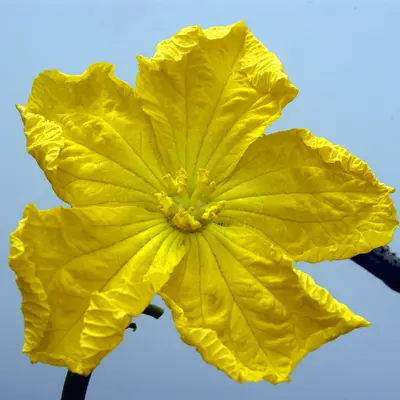
Long vigorous vines with strong natural tolerance to many common cucurbit diseases and pests. Immature fruit can be eaten or allowed to mature on the vine to be cured and used as a sponge. Northern growers: for best success with this long-season crop, start as transplants and plant in a warm location. Space 36-48" apart. May require trellising or support. Avg. weight: 1-1 1/2 lb.
Harvest
125d
Days to harvest
Sun
Full sun
Zones
8–11
USDA hardiness
Height
30-50 feet
Planting Timeline
Showing dates for Luffa Gourd in USDA Zone 7
All Zone 7 squash →Zone Map
Click a state to update dates
Luffa Gourd · Zones 8–11
Growing Details
Succession Planting
Luffa needs 125 days to harvest and a single vine sets multiple gourds over the season — but each gourd is a one-time deal, not a cut-and-come-again situation. Staggering plantings two weeks apart won't spread your harvest meaningfully the way it does with lettuce or beans. Put your energy into one well-timed planting and manage it well.
The real timing pressure is up front. NC State Extension's IPM guidance notes that squash planted early can reach maturity before pickleworm pressure peaks. In zone 7, a luffa seeded in late June or later risks running out of warm days before the gourds dry down fully for harvest — you need that September-to-November window intact. Aim for a late-April direct sow, get a tall, solid trellis in the ground at the same time, and don't wait on either.
Complete Growing Guide
Light: Full sun (6 or more hours of direct sunlight a day). Soil: High Organic Matter, Loam (Silt). Soil pH: Acid (<6.0). Drainage: Good Drainage, Moist. Height: 30 ft. 0 in. - 50 ft. 0 in.. Spread: 1 ft. 0 in. - 3 ft. 0 in.. Spacing: 12 inches-3 feet. Growth rate: Rapid. Maintenance: Medium. Propagation: Seed. Regions: Coastal, Piedmont.
Harvesting
Oblong fruits can be 7 to 12 inches long. The fruits are smooth, green and cylindrical and contain numerous round, flat, black seeds.
Color: Gold/Yellow, Green. Length: > 3 inches. Width: 1-3 inches.
Garden value: Edible, Good Dried
Harvest time: Fall, Summer
Edibility: Young fruits that are less than 7 inches long can be eaten as squash or fresh cucumber substitute. Seeds can be roasted and eaten.
Storage & Preservation
Harvest luffa gourds at full maturity (around 125 days) when the skin turns brown and papery. Store whole, unpeeled fruits in a cool, dry location—ideally 50–60°F with low humidity—where they'll keep for several months. Fresh luffas begin deteriorating within 2–3 weeks at room temperature.
For long-term preservation, allow mature fruits to dry completely on the vine or indoors, which concentrates their fiber and makes them ideal as natural sponges. Dried luffas remain usable for years when stored in a moisture-free environment. You can also peel, slice, and dehydrate the immature flesh for later use in soups and stews, though this is less common than sponge preparation. Seeds may be extracted from fully mature fruits, dried thoroughly, and stored in airtight containers for next season's planting.
History & Origin
Origin: Southeast Asia, Indian Subcontinent
Advantages
- +Attracts: Bees
- +Edible: Young fruits that are less than 7 inches long can be eaten as squash or fresh cucumber substitute. Seeds can be roasted and eaten.
- +Fast-growing
Companion Plants
Nasturtiums and marigolds pull the most weight here. Nasturtiums act as trap crops for aphids — the bugs pile onto them and leave your luffa alone — and French marigolds (Tagetes patula) deter cucumber beetles through root and foliar compounds that cucurbit pests find off-putting. Beans fix nitrogen in the soil, which matters for a vine pushing 30–50 feet all season. In our zone 7 Georgia gardens, tucking a few dill plants nearby pays off too — dill draws parasitic wasps that knock back cucumber beetle numbers before they get out of hand.
Potatoes don't belong anywhere near luffa. They share soil-borne disease pressure and compete hard for nutrients without offering anything back. Melons create the same problem from a different angle: identical pest pressures, similar root depth, and planting them close essentially doubles your cucumber beetle target in one spot. Sage and other strong aromatics can suppress germination of seeds started nearby, so keep them on the far end of the bed.
Plant Together
Nasturtiums
Repels cucumber beetles, squash bugs, and aphids while attracting beneficial predatory insects
Marigolds
Deters nematodes, aphids, and cucumber beetles with their strong scent
Radishes
Repels cucumber beetles and squash vine borers, breaks up soil for gourd roots
Beans
Fix nitrogen in soil to benefit heavy-feeding gourds, provide ground cover
Corn
Provides natural trellis support for climbing luffa vines
Catnip
Repels ants, aphids, and flea beetles that commonly attack squash family plants
Dill
Attracts beneficial insects like parasitic wasps that control squash pests
Sunflowers
Provide vertical support structure and attract pollinators essential for gourd fruit development
Keep Apart
Potatoes
Compete for similar nutrients and space, may harbor diseases that affect squash family
Aromatic herbs (Sage)
Strong essential oils can inhibit germination and growth of cucurbit seeds and seedlings
Melons
Share same pests and diseases, creating concentrated targets for cucumber beetles and powdery mildew
Nutrition Facts
Per 100g serving. % Daily Value based on 2,000 calorie diet. Source: USDA FoodData Central (FDC #168040)
Pests & Disease Resistance
Common Pests
Generally resistant; occasional squash bugs, cucumber beetles, and spider mites in stressed plants
Diseases
Strong resistance to powdery mildew and fusarium wilt; susceptible to rot in poor air circulation or excessively wet conditions
Troubleshooting Luffa Gourd
What you'll see, why it happens, and what to do about it.
Fruit rotting on the vine before it matures, often starting at the blossom end or where the gourd rests against a surface
Likely Causes
- Poor air circulation around dense foliage — luffa vines can hit 30–50 feet and tangle badly without regular training
- Excessively wet conditions from overhead watering or prolonged rain keeping the fruit surface damp
What to Do
- 1.Train vines aggressively onto a sturdy trellis so fruit hangs free — luffa grown vertically rarely rots the way ground-sprawled fruit does
- 2.Switch to drip irrigation or water at the base only; keep the 1–2 inches per week going to the roots, not the foliage
- 3.Remove any fruit showing soft spots immediately so the rot doesn't spread to neighboring gourds
Chewed leaves and stems on young plants, sometimes with sticky frass or visible yellow-green beetles in late spring
Likely Causes
- Spotted or striped cucumber beetles (Diabrotica undecimpunctata / Acalymma vittatum) — the UGA Vegetable Garden Calendar lists these among the top cucurbit pests to scout for starting in May
- Cucumber beetle eggs overwintered in old plant debris left in the bed from last season
What to Do
- 1.Clear all spent vine material from the bed at season's end and turn the soil — NC State Extension notes this disrupts the overwintering egg cycle
- 2.Rotate luffa out of the same bed for at least 3 years; NC State recommends waiting that long before returning any cucurbit family crop to the same spot
- 3.Direct sow as early as the soil allows in spring — getting vines established before peak beetle pressure in July reduces the damage window considerably
Clusters of gray, shield-shaped insects on stems and leaf undersides mid-to-late summer; plants wilt despite adequate watering
Likely Causes
- Squash bugs (Anasa tristis) — populations tend to build fast once July heat sets in
- Heat- or drought-stressed plants draw heavier infestations than well-watered ones
What to Do
- 1.Check leaf undersides weekly from June onward and crush the bronze egg masses by hand before they hatch
- 2.Lay a scrap of cardboard or a board near the vine base overnight — squash bugs shelter under it and you can collect and kill them in the morning
- 3.Keep plants off the ground on a trellis and maintain consistent moisture (1–2 inches per week) to cut down on the stress that makes vines more attractive targets
Frequently Asked Questions
How long does it take to grow luffa gourds from seed to harvest?▼
Can I grow luffas in a container or small space?▼
What does immature luffa taste like, and how do I cook it?▼
How do I turn mature luffas into usable sponges?▼
Do luffas really have natural disease and pest resistance?▼
When should I plant luffas in my climate zone?▼
Zone-by-Zone Planting Calendar
| Zone | Indoor Start | Transplant | Direct Sow | Harvest |
|---|---|---|---|---|
| Zone 3 | — | — | June – July | November – October |
| Zone 4 | — | — | June – July | October – October |
| Zone 5 | — | — | May – June | October – October |
| Zone 6 | — | — | May – June | October – November |
| Zone 7 | — | — | April – June | September – November |
| Zone 8 | — | — | April – May | September – October |
| Zone 9 | — | — | March – April | August – September |
| Zone 10 | — | — | February – April | July – September |
| Zone 1 | — | — | July – August | December – August |
| Zone 2 | — | — | June – August | November – September |
| Zone 11 | — | — | January – March | June – August |
| Zone 12 | — | — | January – March | June – August |
| Zone 13 | — | — | January – March | June – August |
Growing Guides from Wind River Greens
Sources & References
External authority sources used in compiling this guide.
- ExtensionNC State Extension
- BreederJohnny's Selected Seeds
- USDAUSDA FoodData Central
See the Methodology page for how this data is sourced, what's AI-assisted, and known limitations.