Acorn Squash (Table Queen)
Cucurbita pepo var. turbinata
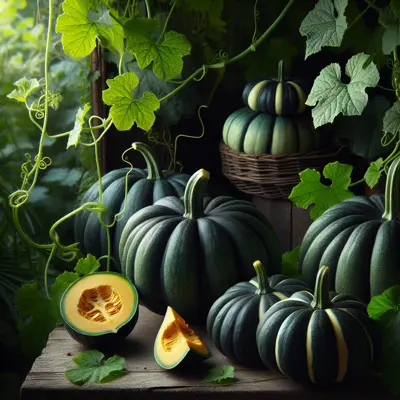
A compact winter squash perfect for small gardens and new gardeners, producing reliable harvests of ribbed, acorn-shaped fruits. Its mild, slightly sweet flesh and convenient single-serving size make it ideal for stuffing and roasting. This dependable variety has been a American garden staple since the early 1900s.
Harvest
85-100d
Days to harvest
Sun
Full sun
Zones
3–11
USDA hardiness
Height
1-3 feet
Planting Timeline
Showing dates for Acorn Squash (Table Queen) in USDA Zone 7
All Zone 7 squash →Zone Map
Click a state to update dates
Acorn Squash (Table Queen) · Zones 3–11
Growing Details
Succession Planting
Table Queen isn't a succession crop — each plant produces a flush of fruits that cure and store for months, so one direct sowing per season is the standard play. Direct sow from late April through early June; earlier sowings sidestep the squash vine borer egg-laying window in July and still finish their 85–100 days before the first hard frost in October. A June sowing is possible but puts the most vulnerable stem stage right in the middle of borer season, and a late-September frost can catch fruits before the skins harden fully.
Complete Growing Guide
Light: Full sun (6 or more hours of direct sunlight a day). Soil: High Organic Matter, Loam (Silt). Soil pH: Neutral (6.0-8.0). Drainage: Good Drainage, Moist. Height: 1 ft. 0 in. - 3 ft. 0 in.. Spread: 2 ft. 0 in. - 25 ft. 0 in.. Spacing: 12 inches-3 feet. Growth rate: Rapid. Maintenance: High. Propagation: Seed. Regions: Coastal, Mountains, Piedmont.
Harvesting
A type of berry called a pepo that has a hard rind. Fruits may be long or round, large or small, smooth or warty– some have edible flesh and some are too hard or insipid to eat, though the seeds of all are edible. Has a harder, thicker stem compared to other species.
Color: Black, Cream/Tan, Gold/Yellow, Green, Orange, Pink, Red/Burgundy, Variegated, White. Type: Berry. Length: > 3 inches. Width: > 3 inches.
Garden value: Edible, Showy
Harvest time: Fall
Storage & Preservation
Cure freshly harvested acorn squash in a sunny, well-ventilated area for 7-10 days to harden the skin and concentrate sugars. Store in a cool, dry location (50-55°F) with good air circulation – basements, garages, or unheated rooms work well. Properly cured fruits keep 3-4 months when stored on shelves rather than in bins, allowing air circulation around each squash.
For freezing, cut squash in half, remove seeds, and roast until tender. Scoop out flesh and freeze in portions for up to 12 months. The convenient single-serving size makes Table Queen perfect for individual meal prep.
Dehydrate thin slices for healthy snacks, or pressure-can cubed squash following USDA guidelines. The mild flavor also works well in pickled preparations when combined with stronger vegetables.
History & Origin
Origin: North America
Advantages
- +Perfect single-serving size eliminates waste and portion planning concerns
- +Mild, slightly sweet flavor appeals to wide range of palates
- +Compact plant habit suits small gardens and container growing
- +Reliable 85-100 day maturity fits most growing seasons well
- +Classic American heirloom with proven performance since early 1900s
Considerations
- -Susceptible to squash vine borers requiring preventative pest management
- -Powdery mildew and mosaic virus pose significant disease threats
- -Requires consistent moisture and warm soil for optimal fruit development
- -Lower yield per plant compared to larger winter squash varieties
Companion Plants
Corn, beans, and squash together isn't just tradition — corn provides partial afternoon shade that can slow powdery mildew pressure on squash leaves, while bush beans fix nitrogen at 36–48 inches away without crowding the vines. Nasturtiums on the border act as a trap crop, drawing aphids off the squash, and marigolds show some evidence of deterring cucumber beetles — not enough to skip rotation, but worth the two square feet. Keep potatoes off the same bed entirely; both are heavy feeders pulling from the same 12-inch soil depth, and potatoes can carry mosaic virus strains that jump to cucurbits. Fennel is allelopathic and stunts most vegetable neighbors it grows near, so give it its own isolated corner of the garden.
Plant Together
Corn
Provides natural trellis support and attracts beneficial insects
Bush Beans
Fix nitrogen in soil and don't compete for space
Nasturtiums
Trap crop for squash bugs and cucumber beetles
Marigolds
Repel squash bugs, aphids, and nematodes
Radishes
Deter squash vine borers and cucumber beetles
Catnip
Strong deterrent for squash bugs and cucumber beetles
Tansy
Repels cucumber beetles and squash bugs
Dill
Attracts beneficial insects like parasitic wasps
Keep Apart
Potato
Competes for nutrients and may increase disease pressure
Aromatic Herbs (Sage/Rosemary)
Strong oils can inhibit squash growth and development
Fennel
Allelopathic properties inhibit growth of most garden plants
Nutrition Facts
Per 100g serving. % Daily Value based on 2,000 calorie diet. Source: USDA FoodData Central (FDC #168472)
Pests & Disease Resistance
Resistance
Moderate resistance to common squash diseases
Common Pests
Squash bugs, cucumber beetles, squash vine borers
Diseases
Powdery mildew, bacterial wilt, mosaic virus
Troubleshooting Acorn Squash (Table Queen)
What you'll see, why it happens, and what to do about it.
Wilting vines despite adequate water, with sawdust-like frass at the base of stems
Likely Causes
- Squash vine borer (Melittia cucurbitae) — larvae tunnel into the stem and eat it from the inside
- Late planting that puts vulnerable seedlings in the ground when adult moths are actively laying eggs in July
What to Do
- 1.NC State Extension's IPM guidance recommends planting squash seeds or seedlings as early as possible to avoid borers, which lay eggs in July — aim to get Table Queen in the ground by late April in zone 7
- 2.If you catch it early, slit the stem lengthwise at the frass entry point, extract the larva, mound damp soil over the wound, and water well — the vine may still root and recover
- 3.Row cover from transplant until flowering blocks egg-laying adults; remove it once flowers open so bees can get in
White powdery coating spreading across leaves, usually showing up mid-to-late summer
Likely Causes
- Powdery mildew — a fungal complex (commonly Podosphaera xanthii or Erysiphe cichoracearum on cucurbits) that thrives in warm days and cool nights
- Dense canopy or tight spacing that cuts airflow to the lower leaves
What to Do
- 1.Strip heavily coated leaves and put them in the trash — not the compost pile
- 2.Spray remaining foliage with a diluted baking soda solution (1 tablespoon per gallon of water) or a potassium bicarbonate product; repeat every 7–10 days
- 3.Pull all plant debris at season's end rather than tilling it in, to reduce the overwintering spore load going into next year
Rapid, irreversible collapse of one or more vines — leaves crisp within 24–48 hours — with no visible stem damage or frass
Likely Causes
- Bacterial wilt (Erwinia tracheiphila), spread by cucumber beetles (spotted, Diabrotica undecimpunctata, or striped, Acalymma vittatum) as they feed
- High beetle pressure in a bed that hasn't been rotated out of cucurbits
What to Do
- 1.Pull and bag the affected plant immediately — once bacterial wilt colonizes the vascular tissue, the vine is finished
- 2.Shift control to the vector: apply kaolin clay or a spinosad-based spray to reduce cucumber beetle feeding on the plants still standing
- 3.NC State Extension recommends waiting at least three years before returning cucurbit family crops to an infested bed — put something from a completely different family there next season
Frequently Asked Questions
How long does Table Queen acorn squash take to grow?▼
Can you grow acorn squash in containers?▼
Is Table Queen acorn squash good for beginners?▼
What does Table Queen acorn squash taste like?▼
When should I plant Table Queen acorn squash?▼
How do you know when Table Queen acorn squash is ripe?▼
Zone-by-Zone Planting Calendar
| Zone | Indoor Start | Transplant | Direct Sow | Harvest |
|---|---|---|---|---|
| Zone 1 | — | — | July – August | November – August |
| Zone 2 | — | — | June – August | October – September |
| Zone 11 | — | — | January – March | May – July |
| Zone 12 | — | — | January – March | May – July |
| Zone 13 | — | — | January – March | May – July |
| Zone 3 | — | — | June – July | October – October |
| Zone 4 | — | — | June – July | September – October |
| Zone 5 | — | — | May – June | September – October |
| Zone 6 | — | — | May – June | September – October |
| Zone 7 | — | — | April – June | August – October |
| Zone 8 | — | — | April – May | August – September |
| Zone 9 | — | — | March – April | July – August |
| Zone 10 | — | — | February – April | June – August |
Growing Guides from Wind River Greens
Sources & References
External authority sources used in compiling this guide.
See the Methodology page for how this data is sourced, what's AI-assisted, and known limitations.