Buttercup Squash (Burgess Strain)
Cucurbita maxima 'Buttercup'
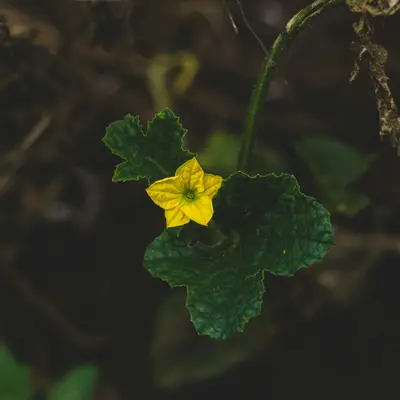
A beloved winter squash variety that produces dark green, turban-shaped fruits with a distinctive button on the blossom end and sweet orange flesh that's incredibly versatile in the kitchen. This reliable producer stores exceptionally well through winter and offers one of the best flavor profiles of any winter squash - sweet, nutty, and creamy when cooked. Perfect for gardeners wanting a premium winter squash that excels in both storage and culinary applications.
Harvest
100-120d
Days to harvest
Sun
Full sun
Zones
3–11
USDA hardiness
Difficulty
Moderate
Planting Timeline
Showing dates for Buttercup Squash (Burgess Strain) in USDA Zone 7
All Zone 7 squash →Zone Map
Click a state to update dates
Buttercup Squash (Burgess Strain) · Zones 3–11
Growing Details
Succession Planting
Buttercup squash at 100–120 days to harvest is essentially a one-sow crop — you put it in once, it runs all season, and you pull fruit in September or October. There's no practical window to stagger plantings the way you would with a cut-and-come-again crop. If you want insurance against a failed first sowing, direct sow a backup round no later than mid-June in zone 7; anything started after that won't finish before frost. NC State Extension IPM also recommends planting as early as the soil is workable to stay ahead of squash vine borer egg-laying, which peaks in July — so earlier is the right direction, not later.
Complete Growing Guide
This strain demands consistent warmth and won't germinate reliably below 70°F soil temperature, so delay sowing until soil has genuinely warmed in late spring rather than rushing an early start. Buttercup's dense vine growth requires generous spacing—at least 4 feet between plants—and benefits from afternoon shade in hot climates, as the thick foliage can scald exposed fruits. Watch carefully for powdery mildew on the leaves in humid conditions; improve air circulation and avoid overhead watering. The Burgess strain shows strong resistance to many squash diseases but remains vulnerable to squash vine borers, so use row covers early and inspect plant bases regularly for sawdust-like frass. A practical edge: harvest only when the skin has hardened completely and resists fingernail puncture, as premature picking reduces storage longevity from three months to just weeks.
Light: Full sun (6 or more hours of direct sunlight a day). Soil: High Organic Matter, Loam (Silt). Soil pH: Neutral (6.0-8.0). Drainage: Good Drainage, Moist. Spacing: 12 inches-3 feet. Growth rate: Rapid. Maintenance: Medium. Propagation: Seed. Regions: Coastal, Mountains, Piedmont.
Harvesting
Buttercup squash reaches peak harvest readiness when the skin develops a deep, dark green color with minimal remaining lighter striping, the distinctive button on the blossom end becomes hard and woody to the touch, and the overall fruit feels heavy and dense for its size. Harvest when the vine begins to decline in late summer or early fall, typically around 100-120 days after planting. Unlike some squash varieties that produce continuously, Buttercup tends toward a concentrated harvest period, so monitor vines closely during this window. Cut fruits from the vine with several inches of stem attached rather than pulling, which helps prevent rot during storage. A critical timing tip: harvest before the first hard frost, as any freeze damage severely compromises the squash's legendary storage capability and flesh quality.
Soft or hard-shelled berries called pepos come in a variety of colors, shapes, and sizes and are harvested in the fall. The stems of the fruits generally have a soft corky texture compared to other species.
Color: Blue, Cream/Tan, Gold/Yellow, Gray/Silver, Orange, Pink, Red/Burgundy, Variegated, White. Type: Berry. Length: > 3 inches. Width: > 3 inches.
Garden value: Edible, Long-lasting, Showy
Harvest time: Fall
Storage & Preservation
Buttercup squash stores exceptionally well in cool, dry conditions between 50–60°F with moderate humidity. Keep fruit on shelves or in shallow boxes with good air circulation, avoiding contact between squashes. Under these conditions, expect 2–3 months of storage, though properly cured specimens may last into early winter. For longer preservation, freeze puree in portions after roasting and cooling, or pressure-can finished soups and sauces. The dense flesh also freezes well as cooked cubes for winter cooking. Dehydrating thin slices produces crispy chips, though this variety's moisture content makes oven-drying slower than for drier squash types. The rich, creamy texture actually improves in storage as starches convert to sugars, so avoid harvesting too early—waiting the full 100–120 days ensures maximum sweetness and better keeping quality.
History & Origin
The Buttercup squash emerged from the larger Cucurbita maxima species, which encompasses several winter squash types developed through centuries of cultivation in the Americas. The "Burgess Strain" designation indicates this particular line was maintained and distributed by Burgess Seed and Plant Company, a prominent American seed house active throughout the twentieth century. However, specific documentation regarding the exact year of strain development or the individual breeder responsible remains limited in readily available horticultural records. What is established is that Buttercup squashes gained popularity in American home gardens during the mid-twentieth century, valued for their reliable production and superior storage qualities, with the Burgess Strain representing one of the most consistent and widely recognized selections of this beloved variety.
Origin: Central and South America
Advantages
- +Exceptional sweet, nutty flavor surpasses most other winter squash varieties
- +Stores remarkably well through winter without significant quality loss
- +Dark green turban shape with button end is visually distinctive
- +Moderate growing difficulty makes it accessible to most gardeners
- +Creamy, dense flesh works beautifully in diverse culinary applications
Considerations
- -Requires 100-120 days, limiting options in short-season growing regions
- -Vulnerable to multiple pests including squash bugs and vine borers
- -Susceptible to both powdery and downy mildew in humid conditions
- -Needs consistent moisture and well-draining soil for optimal production
Companion Plants
Nasturtiums pull aphid pressure away from squash vines by acting as a preferred host — aphids will colonize the nasturtiums first, giving you an easy target to remove. Marigolds (French types specifically) suppress root-knot nematodes in the soil around the root zone. The Three Sisters combination — corn, beans, and squash — earns its place here because beans fix nitrogen that feeds the heavy-feeding squash, and Buttercup's wide-spreading vines shade the ground at 6–8 feet, suppressing weeds and holding soil moisture under the corn. Keep potatoes out of the picture entirely: they compete for the same soil nutrients, share susceptibility to some overlapping fungal pathogens, and there's no upside to mixing them. Fennel is genuinely allelopathic to most vegetables and doesn't belong anywhere near a squash bed.
Plant Together
Nasturtiums
Acts as trap crop for squash bugs and cucumber beetles, repels aphids
Marigolds
Repels cucumber beetles, squash bugs, and nematodes with their strong scent
Radishes
Deters squash vine borers and cucumber beetles, breaks up soil for squash roots
Corn
Provides natural shade and wind protection, part of traditional Three Sisters planting
Beans
Fixes nitrogen in soil for heavy-feeding squash, completes Three Sisters companion trio
Dill
Attracts beneficial insects like predatory wasps that control squash pests
Catnip
Repels squash bugs, cucumber beetles, and other common cucurbit pests
Sunflowers
Attracts pollinators essential for squash fruit production, provides beneficial shade
Keep Apart
Potatoes
Compete for space and nutrients, both are heavy feeders that deplete soil
Fennel
Releases allelopathic compounds that inhibit growth of squash and most vegetables
Aromatic herbs (strong)
Plants like sage and rosemary can stunt squash growth through chemical interference
Nutrition Facts
Per 100g serving. % Daily Value based on 2,000 calorie diet. Source: USDA FoodData Central (FDC #168040)
Pests & Disease Resistance
Resistance
Good resistance to common squash diseases, excellent storage capability
Common Pests
Squash bug, cucumber beetle, squash vine borer
Diseases
Powdery mildew, downy mildew, bacterial wilt
Troubleshooting Buttercup Squash (Burgess Strain)
What you'll see, why it happens, and what to do about it.
Wilting vines that don't recover overnight, even with adequate water — sometimes the whole plant collapses by midsummer
Likely Causes
- Bacterial wilt (Erwinia tracheiphila), transmitted by striped or spotted cucumber beetles feeding on leaves
- Squash vine borer (Melittia cucurbitae) — larva tunnels into the main stem base, cutting off water flow
What to Do
- 1.Cut a wilting stem and press the cut ends together — if you pull them apart slowly and see stringy threads, that's bacterial wilt; no cure exists, pull and trash the plant
- 2.For vine borer, slit the stem lengthwise near the entry hole (look for sawdust-like frass at the base), extract the larva, and mound soil over the wound to encourage re-rooting
- 3.NC State Extension IPM recommends planting squash as early as possible to get ahead of vine borers, which lay eggs in July — Burgess Buttercup at 100–120 days needs to go in by early June at the latest to beat that window
White powdery coating on upper leaf surfaces, usually starting on older leaves in late summer
Likely Causes
- Powdery mildew (Podosphaera xanthii or Erysiphe cichoracearum) — dry days and cool nights in August and September are ideal conditions
- Dense canopy with poor airflow between vines
What to Do
- 1.Remove and trash the worst-affected leaves; don't compost them
- 2.Spray with a potassium bicarbonate solution (1 tablespoon per gallon of water) every 7–10 days — it works far better as a preventive than a cure once the coating is heavy
- 3.Give vines the full 6–8 feet of spacing at planting; crowded plants get mildew earlier and harder
Yellow, angular leaf spots that turn brown and papery, with a grayish-purple fuzz visible on the underside during humid mornings
Likely Causes
- Downy mildew (Pseudoperonospora cubensis) — NC State Extension notes this pathogen migrates in each season and appears at different times and locations year to year, so timing is unpredictable
- Prolonged wet foliage from overhead irrigation or heavy dew
What to Do
- 1.Switch to drip irrigation if you're using overhead — keeping leaves dry cuts infection dramatically
- 2.Apply a copper-based fungicide at first sign of symptoms; reapply every 7 days during wet stretches
- 3.Pull this bed out of cucurbits (Cucurbitaceae family) for at least 3 years after a bad outbreak — NC State Extension recommends that rotation interval for managing both disease and pest pressure in the family
Ragged holes in leaves and flowers on young plants; stippled, bronzed foliage on seedlings; plants stunted and slow to establish
Likely Causes
- Cucumber beetles — either striped (Acalymma vittatum) or spotted (Diabrotica undecimpunctata) — NC State Extension notes eggs often overwinter in old cucurbit debris, so beds where vines were left in place carry higher populations the following spring
- Heavy early-season feeding before plants are large enough to outgrow the damage
What to Do
- 1.Cover seedlings with row cover until the first female flowers open — NC State Extension IPM suggests wire or cloth cone protectors for home plantings to keep beetles off until plants are established
- 2.Clear all cucurbit debris at season's end and turn the bed to expose and disrupt overwintering eggs
- 3.If beetles are historically bad in a spot, plant Blue Hubbard squash on the bed perimeter as a trap crop — NC State Extension identifies it as having seedling-stage resistance to cucumber beetles, which draws pressure away from your main planting
Frequently Asked Questions
How long does buttercup squash Burgess strain take to grow?▼
Can you grow buttercup squash in containers?▼
What does buttercup squash Burgess strain taste like?▼
Is buttercup squash good for beginners?▼
When should I plant buttercup squash Burgess strain?▼
How do you know when buttercup squash is ripe?▼
Zone-by-Zone Planting Calendar
| Zone | Indoor Start | Transplant | Direct Sow | Harvest |
|---|---|---|---|---|
| Zone 3 | — | — | June – July | October – October |
| Zone 4 | — | — | June – July | October – October |
| Zone 5 | — | — | May – June | October – October |
| Zone 6 | — | — | May – June | September – November |
| Zone 7 | — | — | April – June | September – October |
| Zone 8 | — | — | April – May | August – October |
| Zone 9 | — | — | March – April | July – September |
| Zone 10 | — | — | February – April | July – August |
| Zone 1 | — | — | July – August | November – August |
| Zone 2 | — | — | June – August | November – September |
| Zone 11 | — | — | January – March | June – July |
| Zone 12 | — | — | January – March | June – July |
| Zone 13 | — | — | January – March | June – July |
Growing Guides from Wind River Greens
Sources & References
External authority sources used in compiling this guide.
See the Methodology page for how this data is sourced, what's AI-assisted, and known limitations.