Autumn Colors Cushaw
Cucurbita mixta
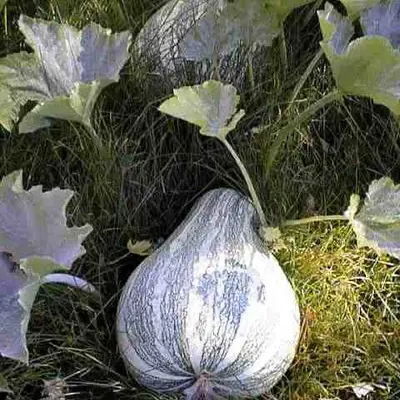
Unusual, tri-colored fruits have green bottoms, light orange tops, and white stripes from top to bottom. Avg. 4-10 lb. Great for decorating.
Harvest
105d
Days to harvest
Sun
Full sun
Zones
5–10
USDA hardiness
Height
1-5 feet
Planting Timeline
Showing dates for Autumn Colors Cushaw in USDA Zone 7
All Zone 7 squash →Zone Map
Click a state to update dates
Autumn Colors Cushaw · Zones 5–10
Growing Details
Succession Planting
Cushaw squash takes 105 days to harvest and keeps producing on the same vine through the season, so there's no real case for staggered sowings — one planting is all most gardens need. Direct sow in zone 7 between April and June; a June sowing will push harvest to October, right at the edge of first frost. Put your effort into getting that single planting in the ground early rather than spreading it across multiple rounds.
Complete Growing Guide
Light: Full sun (6 or more hours of direct sunlight a day). Soil: High Organic Matter, Loam (Silt). Drainage: Good Drainage, Moist. Height: 1 ft. 0 in. - 5 ft. 0 in.. Spread: 2 ft. 0 in. - 25 ft. 0 in.. Spacing: 12 inches-3 feet, 3 feet-6 feet, 6-feet-12 feet, 12-24 feet. Growth rate: Rapid. Maintenance: High. Propagation: Seed. Regions: Coastal, Mountains, Piedmont.
Harvesting
A type of berry called a pepo that has a hard rind. Fruits may be long or round, large or small, smooth or warty. Some species and cultivars are edible and some are not; among the edible ones, both fruit and seeds are edible.
Color: Black, Blue, Cream/Tan, Gold/Yellow, Gray/Silver, Green, Orange, Pink, Red/Burgundy, Variegated, White. Type: Berry. Length: > 3 inches. Width: > 3 inches.
Garden value: Edible, Long-lasting, Showy
Harvest time: Fall
Storage & Preservation
Harvest Autumn Colors Cushaw squash at full maturity (around 105 days) when the skin has hardened completely and the stem has dried. Store whole fruit in a cool, dry location between 50–60°F with moderate humidity, ideally on shelves or in crates with good air circulation; properly cured squash keeps 2–3 months under these conditions. For longer storage, cure the fruit in a warm spot (75–80°F) for 7–10 days before moving to cool storage to harden the skin further.
Fresh shelf life typically extends 8–12 weeks when stored optimally. For preservation, roast and freeze the flesh in portions for winter cooking, or can puree following tested USDA guidelines using a pressure canner. Drying thin slices in a dehydrator yields excellent chips. The dense, fine-grained flesh of this variety freezes exceptionally well compared to other Cucurbita mixta types, retaining quality for up to a year with minimal textural breakdown.
History & Origin
Autumn Colors Cushaw is an F1 hybrid developed through controlled cross-pollination. Listed in the Johnny's Selected Seeds catalog.
Origin: North and South America
Advantages
- +Striking tri-colored appearance makes these fruits ideal for fall decoration.
- +Long 105-day season allows adequate maturity for vibrant color development.
- +Cushaw genetics provide good storage capability and decent culinary versatility.
- +Unusual white striping and color combination creates unique visual appeal.
Considerations
- -Moderate difficulty rating suggests special care requirements for home gardeners.
- -Cushaw squashes susceptible to powdery mildew in humid growing conditions.
- -Weight range of 4-10 lbs creates inconsistent yields and sizing.
- -Extended 105-day season demands long frost-free growing period and patience.
Companion Plants
Corn and beans pair well with any large cushaw for reasons that are mostly mechanical: corn stalks give wandering vines something to brush against, and beans fix nitrogen in the top 6 inches of soil where cushaw roots do most of their foraging. The cushaw's wide leaves do real work too — they shade out weeds and slow moisture loss from the soil surface. Nasturtiums and marigolds are worth tucking in 12–18 inches off the main vines. Nasturtiums pull aphids away from the cucurbit foliage, and marigolds are thought to disrupt the host-finding behavior of cucumber beetles, which matter here because cucumber beetles are the primary vector for bacterial wilt (Erwinia tracheiphila).
Potatoes are the companion to keep out of the same bed entirely — they compete for the same nutrients and share overlapping fungal disease pressure, so putting them together just stacks your risk. Aromatic herbs like rosemary and sage can suppress germination and slow early root development in cucurbits when planted inside 3 feet, so give those some distance.
Plant Together
Corn
Provides vertical support for vining squash and creates beneficial microclimate
Beans
Fix nitrogen in soil that feeds heavy-feeding squash plants
Radishes
Repel squash bugs and cucumber beetles while breaking up soil
Nasturtiums
Trap crop for squash bugs and cucumber beetles, repels aphids
Marigolds
Repel nematodes and squash bugs with their strong scent
Catnip
Deters squash bugs, cucumber beetles, and other cucurbit pests
Sunflowers
Attract beneficial insects and provide windbreak protection
Oregano
Repels cucumber beetles and provides ground cover to retain moisture
Keep Apart
Potatoes
Compete for space and nutrients, both are heavy feeders with similar root zones
Brassicas
Inhibit squash growth and attract pests that may spread to squash
Aromatic herbs
Strong herbs like sage can inhibit squash seed germination and growth
Nutrition Facts
Per 100g serving. % Daily Value based on 2,000 calorie diet. Source: USDA FoodData Central (FDC #168040)
Pests & Disease Resistance
Common Pests
Squash vine borers, cucumber beetles, squash bugs
Diseases
Powdery mildew, downy mildew, bacterial wilt
Troubleshooting Autumn Colors Cushaw
What you'll see, why it happens, and what to do about it.
Wilted vines with a sawdust-like frass at the base of the stem, usually noticed mid-summer
Likely Causes
- Squash vine borer (Melittia cucurbitae) — larvae tunnel into the stem base after eggs hatch in July
- Planting too late in the season, per NC State Extension IPM guidance on timing
What to Do
- 1.Slit the stem lengthwise where you see the entry hole, extract the larva, and mound soil over the wound to encourage re-rooting
- 2.Direct sow as early as your last frost allows so vines are well-established before July egg-laying peaks
- 3.Next season, cover young plants with row cover until female flowers open, then remove for pollination
White powdery coating on the upper surface of leaves, spreading from older leaves inward, typically after day 60
Likely Causes
- Powdery mildew — a fungal disease common across cucurbits in warm, dry weather with cool nights
- Dense canopy that limits airflow between vines
What to Do
- 1.Remove and trash the most heavily coated leaves — don't compost them
- 2.Spray remaining foliage with a diluted potassium bicarbonate solution or neem oil; repeat every 7–10 days
- 3.Space vines at least 18–24 inches apart at planting so air can move through the canopy
Sudden, total vine collapse — plant looks fine one day, completely dead the next — with no obvious stem damage
Likely Causes
- Bacterial wilt (Erwinia tracheiphila), spread by cucumber beetles (Acalymma vittatum and Diabrotica undecimpunctata)
- High cucumber beetle pressure early in the season before plants are established
What to Do
- 1.Pull and discard the plant immediately — there is no recovery from bacterial wilt once it's systemic
- 2.Control cucumber beetles with row cover on young transplants or seedlings, removing it only at flowering
- 3.Confirm bacterial wilt by cutting a stem near the base and slowly pulling the two ends apart — a sticky thread between them is a positive ID
Frequently Asked Questions
How long does Autumn Colors Cushaw squash take to mature?▼
Is Autumn Colors Cushaw good for beginners?▼
Can you grow Autumn Colors Cushaw in containers?▼
When should I plant Autumn Colors Cushaw seeds?▼
What makes Autumn Colors Cushaw unique as a decorative squash?▼
How much water does Autumn Colors Cushaw need?▼
Zone-by-Zone Planting Calendar
| Zone | Indoor Start | Transplant | Direct Sow | Harvest |
|---|---|---|---|---|
| Zone 3 | — | — | June – July | October – October |
| Zone 4 | — | — | June – July | October – October |
| Zone 5 | — | — | May – June | September – October |
| Zone 6 | — | — | May – June | September – November |
| Zone 7 | — | — | April – June | September – October |
| Zone 8 | — | — | April – May | August – October |
| Zone 9 | — | — | March – April | July – September |
| Zone 10 | — | — | February – April | July – August |
| Zone 1 | — | — | July – August | November – August |
| Zone 2 | — | — | June – August | November – September |
| Zone 11 | — | — | January – March | June – July |
| Zone 12 | — | — | January – March | June – July |
| Zone 13 | — | — | January – March | June – July |
Growing Guides from Wind River Greens
Sources & References
External authority sources used in compiling this guide.
- ExtensionNC State Extension
- BreederJohnny's Selected Seeds
- USDAUSDA FoodData Central
See the Methodology page for how this data is sourced, what's AI-assisted, and known limitations.