Waltham Butternut Squash
Cucurbita moschata
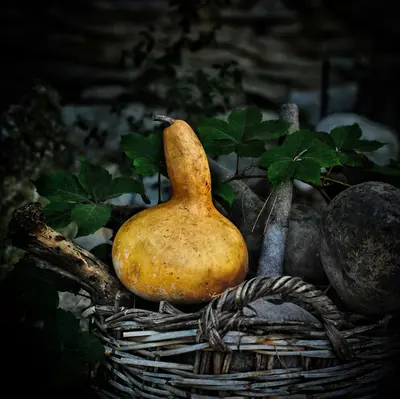
Waltham Butternut Squash is a classic heirloom winter squash prized for its distinctive bell-shaped form with a long, slender neck and tan-colored skin. Reaching maturity in approximately 105 days, this variety produces medium-sized fruits (2-3 lbs) ideal for cooking. Known for its exceptionally smooth, dense flesh, Waltham Butternut delivers a rich, complex flavor profile combining sweet, nutty notes with butterscotch undertones. The flesh is fine-grained and creamy when cooked, making it excellent for soups, roasting, and purees. A reliable, vigorous grower that stores well through winter.
Harvest
105d
Days to harvest
Sun
Full sun
Zones
3–11
USDA hardiness
Height
4-10 feet
Planting Timeline
Showing dates for Waltham Butternut Squash in USDA Zone 7
All Zone 7 squash →Zone Map
Click a state to update dates
Waltham Butternut Squash · Zones 3–11
Growing Details
Succession Planting
Waltham Butternut takes 105 days to harvest and holds in storage for months after curing, so there's no reason to stagger plantings the way you would with lettuce or radishes. One well-timed planting per season is all you need.
In zone 7, direct sow between April and early June. The earlier end of that window — late April into May — is the smarter call: it puts your most vulnerable seedlings before peak squash vine borer egg-laying in July, and it lands your harvest in September–October well ahead of hard frost. Push past early June and you're racing both the calendar and the borer at the same time.
Complete Growing Guide
Waltham Butternut requires a full 105 days of warm weather, so start seeds indoors 3–4 weeks before your last frost date in regions with shorter seasons. This cultivar thrives in rich, well-draining soil with consistent moisture during fruit development, though it tolerates slightly drier conditions than summer squashes. Watch for powdery mildew on foliage, particularly in humid climates, and maintain good air circulation between vines. Unlike many modern hybrids, Waltham has a tendency toward vigorous, sprawling growth—plan for 4–10 feet of space per plant or trellis vertically to save garden real estate. The thick neck and small seed cavity make harvesting easier, but allow fruits to fully mature and cure for at least 2 months in a cool, dry location before eating; this storage period dramatically improves the sweet, butterscotch flavor that defines this All-America Selection winner. Harvest when the skin turns uniformly tan and resists thumbnail puncture.
Light: Full sun (6 or more hours of direct sunlight a day). Soil: High Organic Matter, Loam (Silt). Soil pH: Neutral (6.0-8.0). Drainage: Good Drainage, Moist. Height: 4 ft. 0 in. - 10 ft. 0 in.. Spread: 3 ft. 0 in. - 25 ft. 0 in.. Spacing: 12 inches-3 feet, 3 feet-6 feet, 6-feet-12 feet. Growth rate: Rapid. Maintenance: High. Propagation: Seed. Regions: Coastal, Mountains, Piedmont.
Harvesting
Harvest Waltham Butternut when fruits reach their characteristic tan-beige color with minimal green striping and measure approximately nine inches long, weighing four to five pounds. The skin should feel hard and resist thumbnail puncture. This cultivar produces continuously throughout the season, so pick mature fruits as they ripen rather than waiting for a single harvest window. A critical timing tip: harvest all remaining squash before the first frost, cutting stems with two inches attached, then cure fruits in a warm, dry location for two weeks before storage to develop their signature sweet, butterscotch flavor.
A type of berry called a pepo that has a hard rind. Fruits may be long or round, large or small, smooth or warty. Comes in a variety of colors, shapes, and sizes. Fruits and seeds are both edible.
Color: Blue, Cream/Tan, Gold/Yellow, Gray/Silver, Green, Orange, Variegated. Type: Berry. Length: > 3 inches. Width: > 3 inches.
Garden value: Edible, Long-lasting, Showy
Harvest time: Fall
Storage & Preservation
Store freshly harvested Waltham Butternut squash in a cool, dry place between 50–60°F with moderate humidity, ideally in a single layer on shelves or in crates to allow air circulation. Avoid stacking to prevent soft spots. Under these conditions, the squash will keep for three to four months, making it one of the better winter keepers in the squash family.
For longer preservation, freeze the cooked flesh: roast halves cut-side down, scoop out the flesh, cool completely, then pack into freezer containers or bags for up to eight months. Alternatively, puree the cooked squash and freeze in ice cube trays for convenient soup and sauce portions. Canning is possible using tested USDA recipes for squash puree, though the dense flesh requires careful processing times. Drying thin slices in a dehydrator also works well for later reconstitution in soups.
Waltham Butternut's smooth texture and subtle sweetness make it particularly suited to freezing as puree—you'll retain more of its characteristic butterscotch notes than with other preservation methods.
History & Origin
Developed at the University of Massachusetts Agricultural Experiment Station and introduced in 1970, Waltham Butternut represents a significant milestone in squash breeding when it won the All-America Selections award that same year. The variety emerged from deliberate breeding efforts focused on creating a superior butternut with improved storage qualities, thicker flesh, and reduced seed cavity—traits that distinguish it from earlier butternut introductions. While the specific breeder's name remains less documented in accessible horticultural records, the cultivar's origin within a university breeding program reflects the mid-century emphasis on systematic varietal improvement. Its Massachusetts origin and rapid adoption as the commercial standard for full-size butternut squash demonstrate the breeding program's success in addressing practical grower and consumer demands.
Origin: Central and South America
Advantages
- +Award-winning 1970 AAS winner with proven performance and widespread cultivation success
- +Sweet, nutty flavor improves significantly after two months of storage
- +Small seed cavities and thick necks maximize usable flesh per fruit
- +Moderate difficulty makes it accessible for home gardeners with some experience
- +Reliable 4-5 lb fruits at 105 days suit most kitchen needs
Considerations
- -Susceptible to squash bugs, cucumber beetles, and destructive vine borers
- -Vulnerable to powdery mildew, bacterial wilt, and mosaic virus infections
- -Requires two-month curing period before optimal sweetness develops
- -Long 105-day season demands warm climates and extended growing window
Companion Plants
Nasturtiums act as a trap crop that pulls aphids off your squash vines, and marigolds (Tagetes spp.) deter cucumber beetles — worth taking seriously since those beetles are the primary vector for bacterial wilt. The Three Sisters logic holds up here too: corn gives the sprawling vines a rough neighbor without competing at root depth, and beans fix nitrogen at around 6–8 inches down while butternut roots go deeper. Skip potatoes entirely — they share several soil-borne pathogens and hit the same moisture window hard. Fennel is allelopathic to most vegetables and has no business in a squash bed; in our zone 7 Georgia garden it also bolts fast and reseeds aggressively, so it causes trouble twice over.
Plant Together
Nasturtiums
Trap crop for squash bugs and cucumber beetles, repels aphids
Marigolds
Repel cucumber beetles, squash bugs, and nematodes with strong scent
Corn
Provides natural trellis support and shade, part of Three Sisters planting
Beans
Fix nitrogen in soil for heavy-feeding squash, complete Three Sisters guild
Radishes
Deter squash vine borers and cucumber beetles, quick harvest before squash spreads
Catnip
Repels squash bugs, cucumber beetles, and ants more effectively than DEET
Dill
Attracts beneficial predatory wasps that control squash pests
Sunflowers
Attract pollinators essential for squash fruit development and provide windbreak
Keep Apart
Potatoes
Compete for space and nutrients, both are heavy feeders with similar root zones
Fennel
Allelopathic properties inhibit growth and development of squash plants
Aromatic herbs (Sage, Rosemary)
Strong essential oils may inhibit squash growth and reduce pollinator activity
Nutrition Facts
Per 100g serving. % Daily Value based on 2,000 calorie diet. Source: USDA FoodData Central (FDC #169295)
Pests & Disease Resistance
Resistance
Improved resistance to downy mildew and bacterial wilt
Common Pests
Squash bugs, cucumber beetles, vine borers
Diseases
Powdery mildew, bacterial wilt, mosaic virus
Troubleshooting Waltham Butternut Squash
What you'll see, why it happens, and what to do about it.
Vine wilts suddenly mid-season; stem base shows sawdust-like frass and a mushy, hollowed-out entry point
Likely Causes
- Squash vine borer (Melittia cucurbitae) — moth lays eggs at the stem base in July; larvae tunnel in and eat the interior
- Late planting that puts the vine's most vulnerable stage right at peak borer activity
What to Do
- 1.Get seeds in the ground as early as possible — NC State Extension's IPM guidance specifically says to plant squash as early as you can to avoid borers, which lay eggs in July
- 2.If you catch it early, slit the stem lengthwise with a razor blade, extract the larva, bury that section of stem under moist soil, and water it in — the vine will sometimes re-root
- 3.Waltham Butternut has meaningful resistance to squash vine borer compared to summer squash — NC State Extension's plant selection notes call it out by name — so your odds here are already better than with acorn or zucchini
White powdery coating on the upper surface of leaves, usually appearing in late summer as fruit is sizing up
Likely Causes
- Powdery mildew — a fungal complex (Podosphaera xanthii and Erysiphe cichoracearum are the common cucurbit culprits) that thrives in warm days and cool nights with low humidity at the leaf surface
- Dense canopy with poor airflow, or overhead irrigation that leaves moisture sitting on foliage
What to Do
- 1.If fruit is already set and you're within a few weeks of 105 days, a moderate mildew hit rarely affects yield — pull the fruit and clean up the debris
- 2.For active infection earlier in the season, apply a potassium bicarbonate spray (per label) or dilute neem oil every 7 days; both work better as preventives than cures
- 3.Space vines at least 6 feet apart and keep them in full sun — crowded plantings are where mildew gets bad fast
Whole vine wilts on a hot afternoon and never recovers overnight; pressing a knife blade to a fresh stem cut pulls away a sticky, thread-like bacterial ooze
Likely Causes
- Bacterial wilt (Erwinia tracheiphila) — spread almost exclusively by cucumber beetles (Acalymma vittatum and Diabrotica undecimpunctata) feeding on the leaves
- High cucumber beetle pressure in the first 3–4 weeks after germination, before the plant has enough size to tolerate feeding
What to Do
- 1.There is no cure once a plant is wilting from bacterial wilt — pull it and dispose of it away from the garden
- 2.Control starts with the beetles: NC State Extension's IPM notes recommend removing plant debris at season's end and turning the bed to disrupt overwintering eggs; rotate cucurbits to a new bed and wait at least 3 years before returning
- 3.Drape row cover over young plants until they reach the 4-leaf stage, then remove it for pollination — that window covers the highest-risk feeding period
Leaves show mosaic patterning — mottled yellow-green patches, sometimes with puckering or distortion — on vines that otherwise look healthy
Likely Causes
- Cucumber mosaic virus (CMV) or watermelon mosaic virus (WMV) — both spread by aphids moving from infected plants nearby
- Aphid populations spiking in May–June before predator populations catch up
What to Do
- 1.No chemical cure exists for mosaic viruses — pull infected plants to reduce the reservoir, especially if you have multiple squash vines in the same bed
- 2.Knock aphids off with a strong water spray, or apply insecticidal soap (per label) to the undersides of leaves every 5–7 days
- 3.Lay reflective silver mulch under young plants — university trials have shown it reduces aphid landings and virus incidence, and it also helps retain the 1–2 inches of weekly moisture Waltham needs through fruit set
Frequently Asked Questions
How long does Waltham Butternut squash take to grow?▼
Can you grow Waltham Butternut squash in containers?▼
What does Waltham Butternut squash taste like?▼
When should I plant Waltham Butternut squash?▼
Is Waltham Butternut squash good for beginners?▼
How do you know when Waltham Butternut squash is ready to harvest?▼
Zone-by-Zone Planting Calendar
| Zone | Indoor Start | Transplant | Direct Sow | Harvest |
|---|---|---|---|---|
| Zone 1 | — | — | July – August | November – August |
| Zone 2 | — | — | June – August | November – September |
| Zone 11 | — | — | January – March | June – July |
| Zone 12 | — | — | January – March | June – July |
| Zone 13 | — | — | January – March | June – July |
| Zone 3 | — | — | June – July | October – October |
| Zone 4 | — | — | June – July | October – October |
| Zone 5 | — | — | May – June | September – October |
| Zone 6 | — | — | May – June | September – November |
| Zone 7 | — | — | April – June | September – October |
| Zone 8 | — | — | April – May | August – October |
| Zone 9 | — | — | March – April | July – September |
| Zone 10 | — | — | February – April | July – August |
Growing Guides from Wind River Greens
Sources & References
External authority sources used in compiling this guide.
See the Methodology page for how this data is sourced, what's AI-assisted, and known limitations.