Yellow Pattypan Squash (Sunburst)
Cucurbita pepo 'Sunburst'
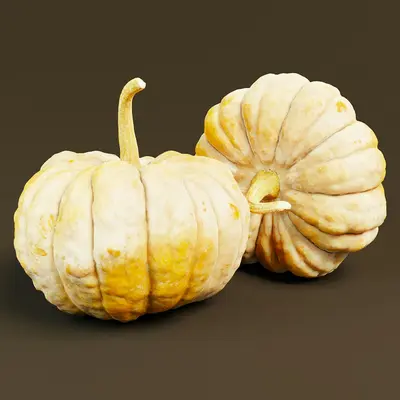
A cheerful and productive summer squash that produces bright yellow, scalloped fruits with a distinctive flying saucer shape that adds whimsy to any garden. This compact bush variety is perfect for small gardens and delivers tender, mild-flavored squash that's ideal for stuffing, grilling, or eating fresh when harvested young. The attractive plants produce continuously throughout the season, providing both ornamental value and delicious harvests.
Harvest
50-55d
Days to harvest
Sun
Full sun
Zones
3–11
USDA hardiness
Height
1-3 feet
Planting Timeline
Showing dates for Yellow Pattypan Squash (Sunburst) in USDA Zone 7
All Zone 7 squash →Zone Map
Click a state to update dates
Yellow Pattypan Squash (Sunburst) · Zones 3–11
Growing Details
Succession Planting
Direct sow every 14–18 days from late April through June in zone 7, stopping by early July. Sunburst is a bush type that keeps producing as long as you harvest young — fruit left to mature past 2–3 inches shuts down new flower set quickly. So the bigger discipline isn't staggered sowings; it's checking the plants every 2–3 days once they hit 50 days and not letting anything balloon.
NC State Extension advises planting squash as early as possible to get ahead of squash vine borers, which lay eggs in July. That's a real reason to front-load your sowings rather than space them out evenly — get your first planting established and harvesting before borer pressure peaks, then make one follow-up sowing in late May or early June for a second wave.
Complete Growing Guide
This compact bush variety reaches maturity in just 50-55 days, making it ideal for successive plantings every two weeks to ensure continuous harvests throughout summer—plant after the last frost when soil temperature reaches 70°F. Sunburst thrives in full sun (6-8 hours minimum) and well-draining, fertile soil enriched with compost, though its compact growth habit means it tolerates smaller spaces better than sprawling squash types. Unlike larger winter squash varieties, these pattypans are particularly prone to powdery mildew in humid conditions, so ensure adequate air circulation and avoid overhead watering; also watch for spider mites during hot, dry spells. The key to maximizing this cultivar's productivity and tender texture is harvesting fruits when they're 3-4 inches in diameter—allowing them to mature beyond this point quickly toughens the skin and diminishes the delicate flavor that makes Sunburst special.
Light: Full sun (6 or more hours of direct sunlight a day). Soil: High Organic Matter, Loam (Silt). Soil pH: Neutral (6.0-8.0). Drainage: Good Drainage, Moist. Height: 1 ft. 0 in. - 3 ft. 0 in.. Spread: 2 ft. 0 in. - 25 ft. 0 in.. Spacing: 12 inches-3 feet. Growth rate: Rapid. Maintenance: High. Propagation: Seed. Regions: Coastal, Mountains, Piedmont.
Harvesting
Harvest Sunburst pattypan squash when fruits reach 3-4 inches across and display a bright, uniform yellow color with a slightly firm yet tender skin that yields gently to thumbnail pressure. Pick squash regularly while young and tender, as continuous harvesting every 2-3 days encourages the plants to produce prolifically throughout the season rather than focusing energy on fewer, larger fruits. Unlike single-harvest crops, these productive plants reward frequent picking with sustained yields until frost. For optimal flavor and texture, harvest in early morning when fruits are cool and turgid, using a sharp knife to cut the stem cleanly rather than twisting, which may damage the delicate plant structure.
A type of berry called a pepo that has a hard rind. Fruits may be long or round, large or small, smooth or warty– some have edible flesh and some are too hard or insipid to eat, though the seeds of all are edible. Has a harder, thicker stem compared to other species.
Color: Black, Cream/Tan, Gold/Yellow, Green, Orange, Pink, Red/Burgundy, Variegated, White. Type: Berry. Length: > 3 inches. Width: > 3 inches.
Garden value: Edible, Showy
Harvest time: Fall
Storage & Preservation
Fresh Yellow Pattypan Sunburst squash stores best at room temperature for 3-5 days or refrigerated in the crisper drawer for up to one week. Don't wash until ready to use, and store in perforated plastic bags to maintain proper humidity while preventing condensation buildup.
For longer preservation, blanch sliced pattypan in boiling water for 2-3 minutes, then freeze in airtight containers for up to 8 months. Their compact shape makes them excellent for pickling whole when harvested at 1-2 inches diameter - the mild flavor pairs beautifully with dill and garlic in quick pickle brines.
Dehydrating works well for mature fruits - slice into 1/4-inch rounds and dry until leathery for use in soups and stews. Larger specimens can be stuffed with rice, meat, or vegetable mixtures and frozen whole after par-cooking for convenient future meals.
History & Origin
Pattypan squash belongs to the ancient Cucurbita pepo species, which originated in Mesoamerica thousands of years ago. The distinctive flattened, scalloped shape characteristic of pattypans emerged as a natural variant within squash populations, eventually selected and stabilized by gardeners over generations. 'Sunburst' specifically represents a modern cultivar selection emphasizing the bright yellow coloration and compact bush habit desirable for home gardeners, though detailed documentation of its original breeder and introduction date remains limited in readily available horticultural records. The variety appears to have entered widespread seed commerce through major seed companies during the late twentieth century as part of growing interest in heirloom and specialty vegetable varieties, building upon the pattypan's long heritage as a beloved garden squash.
Origin: North America
Advantages
- +Bright yellow scalloped fruits add distinctive ornamental appeal to garden beds.
- +Compact bush variety thrives in small spaces and containers efficiently.
- +Early maturity at 50-55 days provides quick harvests throughout summer season.
- +Continuous production yields abundant tender squash for extended harvesting periods.
- +Mild, delicate flavor and texture work perfectly for stuffing or grilling.
Considerations
- -Highly susceptible to powdery mildew and downy mildew in humid conditions.
- -Vulnerable to multiple pests including squash bugs, beetles, and aphids simultaneously.
- -Tender young fruits require frequent harvesting to maintain quality and productivity.
- -Susceptible to mosaic virus spread by aphids, causing plant damage and reduced yields.
Companion Plants
Nasturtiums and marigolds are the two worth planting close. Nasturtiums act as a trap crop, pulling aphids off the squash and onto themselves where you can deal with them more easily. French marigolds (Tagetes patula) emit a root exudate that suppresses root-knot nematodes over time — not a quick fix, but useful if you plant them season after season in the same beds. Radishes at the edge can deter squash bugs somewhat, and beans fix nitrogen at a shallow level that doesn't compete with squash's deeper moisture draw. Dill and catnip nearby may confuse cucumber beetles, though neither one is a reliable standalone defense.
Fennel is the problem neighbor — its root compounds stunt most vegetables, and squash shows it. Potatoes and brassicas create headaches less from allelopathy and more from shared pest pressure: stack those crops next to your squash and you're managing aphids, cucumber beetles, and caterpillars across the whole block at once instead of in contained patches.
Plant Together
Nasturtiums
Repels squash bugs, cucumber beetles, and aphids while attracting beneficial predatory insects
Marigolds
Deters squash vine borers, aphids, and whiteflies with their strong scent
Radishes
Repels squash vine borers and cucumber beetles, quick harvest before squash spreads
Beans
Fix nitrogen in soil for heavy-feeding squash and provide natural pest deterrent
Corn
Provides natural trellis structure and shade, traditional Three Sisters companion
Catnip
Strongly repels squash bugs, cucumber beetles, and ants
Dill
Attracts beneficial insects like parasitic wasps that prey on squash pests
Oregano
Repels cucumber beetles and provides general pest protection with aromatic oils
Keep Apart
Potatoes
Compete for similar nutrients and space, both are heavy feeders that deplete soil
Fennel
Inhibits growth of most garden plants including squash through allelopathic compounds
Brassicas
Heavy nitrogen feeders that compete with squash and may stunt growth
Nutrition Facts
Per 100g serving. % Daily Value based on 2,000 calorie diet. Source: USDA FoodData Central (FDC #168040)
Pests & Disease Resistance
Resistance
Good resistance to common summer squash diseases
Common Pests
Squash bug, cucumber beetle, aphids
Diseases
Powdery mildew, downy mildew, mosaic virus
Troubleshooting Yellow Pattypan Squash (Sunburst)
What you'll see, why it happens, and what to do about it.
Leaves covered in white powdery coating, usually starting on upper leaf surface mid-season
Likely Causes
- Powdery mildew — a fungal infection that thrives in warm days and cool nights with low surface moisture
- Poor airflow from crowded spacing or overgrown vines
What to Do
- 1.Remove the worst-affected leaves and dispose of them in the trash, not the compost pile
- 2.Spray with a diluted baking soda solution (1 tablespoon per gallon of water) or a potassium bicarbonate product on a dry morning
- 3.Next season, hold to the 36–42 inch spacing — airflow is your first line of defense against this one
Wilting plant with firm, gray-brown egg masses or bronze, shield-shaped insects clustered at the base of stems
Likely Causes
- Squash bug (Anasa tristis) — adults and nymphs feed by piercing stem tissue and injecting a toxic compound that causes vine collapse
- Eggs laid in clusters on leaf undersides and overlooked until the population is already large
What to Do
- 1.Check the undersides of leaves every 3–4 days starting at transplant; scrape off egg clusters with a butter knife and drop them in soapy water
- 2.Hand-pick adults and nymphs in the early morning when they're sluggish
- 3.Clear all dead plant material at season's end — squash bug adults overwinter in debris and return the following year
Mottled yellow-green mosaic pattern on leaves, sometimes with puckering or distorted new growth
Likely Causes
- Cucumber mosaic virus (CMV) or squash mosaic virus — both spread by aphid feeding
- Infected transplants brought in from elsewhere
What to Do
- 1.Pull and bag infected plants immediately — there's no cure and the virus spreads fast through an aphid population
- 2.Knock back aphid pressure with a strong water spray or insecticidal soap to slow spread to neighboring plants
- 3.Start with clean seed and inspect any transplants before putting them in the ground
Scattered pale yellow or tan leaf scars, with striped or spotted yellowish beetles visible on the plant
Likely Causes
- Striped cucumber beetle (Acalymma vittatum) or spotted cucumber beetle (Diabrotica undecimpunctata) — adults chew foliage and can vector bacterial wilt
- NC State Extension notes that cucumber beetle eggs overwinter in old plant debris, so beds with a cucurbit history carry higher pressure the following season
What to Do
- 1.Remove all plant debris at season's end and turn the bed to disrupt overwintering eggs — NC State Extension specifically recommends this step as part of cucumber beetle IPM
- 2.Rotate out of the cucurbit family for at least 3 years in any bed with a beetle history
- 3.Direct sow or transplant as early as the soil will allow — NC State Extension advises timing plantings so the crop avoids peak pickleworm and borer pressure later in summer
Frequently Asked Questions
How long does Yellow Pattypan Sunburst squash take to grow?▼
Can you grow Yellow Pattypan squash in containers?▼
What does Yellow Pattypan Sunburst taste like?▼
When should I plant Yellow Pattypan squash?▼
Is Yellow Pattypan Sunburst good for beginners?▼
Yellow Pattypan vs zucchini - what's the difference?▼
Zone-by-Zone Planting Calendar
| Zone | Indoor Start | Transplant | Direct Sow | Harvest |
|---|---|---|---|---|
| Zone 1 | — | — | July – August | September – August |
| Zone 2 | — | — | June – August | September – September |
| Zone 11 | — | — | January – March | April – May |
| Zone 12 | — | — | January – March | April – May |
| Zone 13 | — | — | January – March | April – May |
| Zone 3 | — | — | June – July | August – October |
| Zone 4 | — | — | June – July | August – October |
| Zone 5 | — | — | May – June | August – September |
| Zone 6 | — | — | May – June | July – September |
| Zone 7 | — | — | April – June | July – August |
| Zone 8 | — | — | April – May | June – August |
| Zone 9 | — | — | March – April | May – July |
| Zone 10 | — | — | February – April | May – June |
Growing Guides from Wind River Greens
Sources & References
External authority sources used in compiling this guide.
See the Methodology page for how this data is sourced, what's AI-assisted, and known limitations.