Zone 8 Coverage
Planting Timeline — All Varieties
Growing Root Vegetables in Zone 8
Zone 8's extended growing season and mild winters create exceptional opportunities for root vegetable cultivation, though the long, hot summers present unique challenges. With an average of 240 frost-free days, you can successfully grow both quick-maturing varieties for summer harvests and storage types that develop their best flavor during the cooler months. The key is selecting varieties that can handle temperature swings and choosing the right planting windows to avoid the intense summer heat that can make roots woody and bitter.
The varieties listed here have been specifically chosen for their performance in Zone 8's climate. Look for heat-tolerant options like Bolero carrots and Tokyo Cross turnips for spring plantings, while storage varieties like Storage #4 rutabaga and Danvers Half Long carrots excel when planted for fall harvest. Many of these roots actually improve in flavor after experiencing light frosts, making Zone 8's November frost date perfect for developing that characteristic sweet, crisp texture that makes homegrown root vegetables so superior to store-bought options.
Variety Comparison
| Variety ↑ | Days | Difficulty |
|---|---|---|
| Ailsa Craig Onion | 110 | Moderate |
| Albion | 120 | Easy |
| All Seasons White Daikon | 60-70 | Easy to moderate |
| Alpine | 55 | Easy |
| Atomic Red Carrot | 70-75 | Easy |
| Black Spanish Round Radish | 55-65 | Easy |
| Bolero Carrot | 75 | Easy to Moderate |
| Chantenay Red Core Carrot | 65-75 | Moderate |
| Cherry Belle Radish | 22-30 | Very Easy |
| Chiko | 120 | Easy |
| Chioggia Beet | 55 | Easy to Moderate |
| Cosmic Purple Carrot | 70-80 | Easy |
| Danvers Half Long Carrot | 65-75 | Easy |
| Early Wonder Tall Top Beet | 48-55 | Easy |
| Easter Egg Radish | 30 | Very easy |
| French Breakfast Radish | 21 | Very Easy |
| German Butterball Potato | 100-110 | Moderate |
| German Giant Radish | 45-60 | Easy |
| Golden Beet | 75-90 | Easy |
| Hakurei Turnip | 38 | Easy |
| Helenor | 90 | Easy |
| Imperator 58 Carrot | 70-75 | Easy |
| Javelin | 110 | Easy |
| Kennebec Potato | 80-100 | Easy |
| King Richard Leek | 75-85 | Moderate |
Variety Details
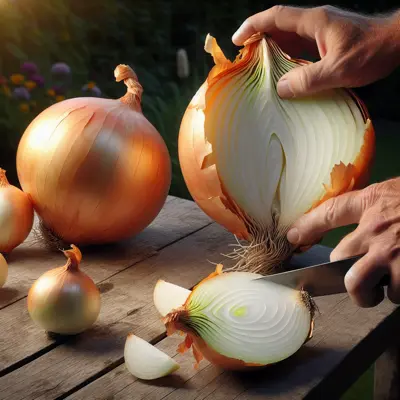
Ailsa Craig Onion
A distinct strain of the classic sweet and mild Ailsa Craig, this line has been specifically selected to perform in organic management systems. Mild onion with excellent size potential. Jumbo to colossal, round to teardrop-shaped bulbs with light yellow skins. Use fresh or for short-term storage. Adaptation: 38-60° latitude. Also available with NOP-compliant pelleting.
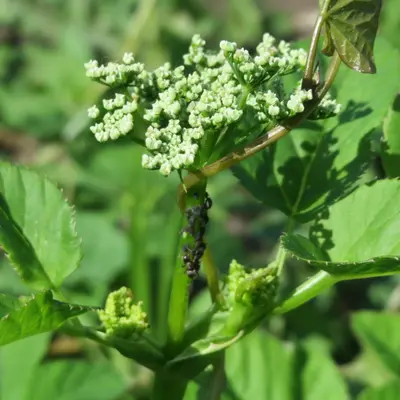
Albion
Long, tapered roots are noticeably whiter and slower to discolor than Javelin. Large roots are suitable for fresh market or processing. Also available with NOP-compliant pelleting.
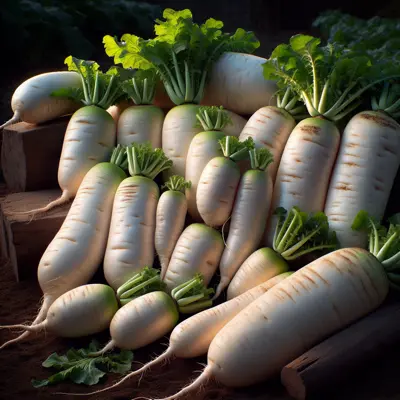
All Seasons White Daikon
A versatile Japanese daikon radish that can be grown in both spring and fall, producing impressive 14-18 inch long white roots weighing up to 2 pounds each. This reliable variety offers the classic mild, crisp texture that makes daikon so popular in Asian cuisine, while being much easier to grow than many specialty varieties. Perfect for gardeners wanting to explore Asian vegetables or those seeking a substantial, storage-friendly root crop.
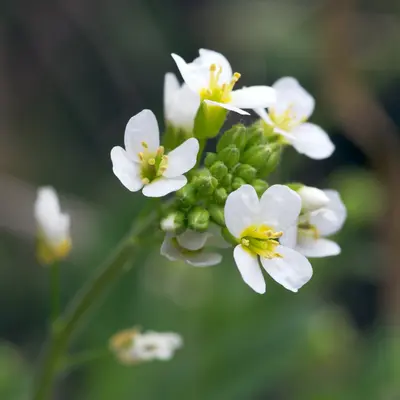
Alpine
Alpine, with its 5-8" x 2-2 1/2" roots, is the most common type grown for kimchi in Korea. The smooth, attractive roots are white with green shoulders, and are sweeter than the long white Japanese types. A better choice than the long types for rocky soils and better flavor, especially in warm weather. Bolt tolerance makes it suitable for spring and summer sowings. For fresh use, pickling/fermenting, and storage.
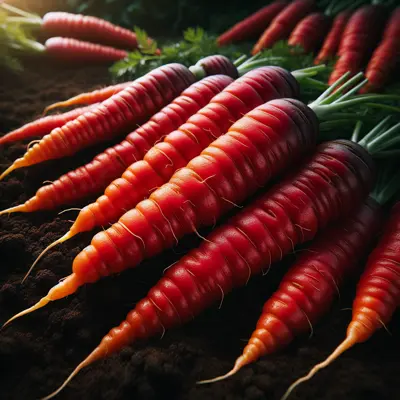
Atomic Red Carrot
A stunning hybrid carrot that delivers both visual impact and exceptional flavor with its brilliant red-orange exterior and bright orange interior. These smooth, cylindrical roots grow uniformly and maintain their vibrant color when cooked, making them perfect for both fresh eating and culinary presentations. Gardeners love this variety for its reliable performance and the wow factor it brings to harvest baskets.
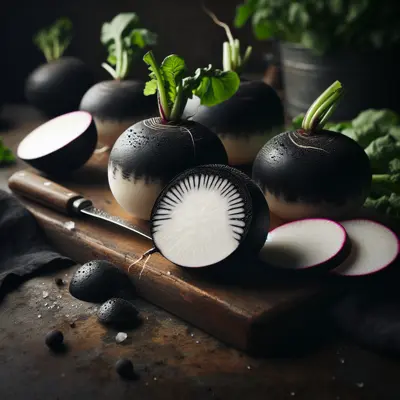
Black Spanish Round Radish
An ancient heirloom winter radish prized for its striking black skin and crisp white flesh that delivers a bold, peppery punch perfect for adding excitement to winter meals. This hardy storage radish can be kept for months in proper conditions, making it invaluable for extending the harvest season. With its unique appearance and intense flavor, it's a conversation starter that brings old-world character to modern gardens.
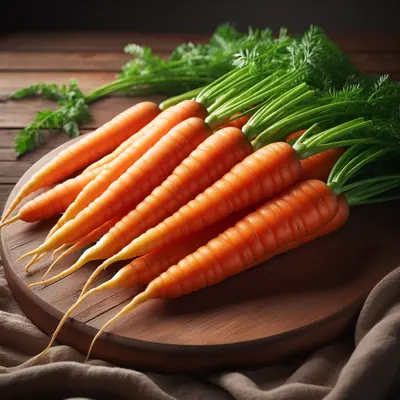
Bolero Carrot
Medium-long 7-8" roots are uniform, thick, slightly tapered, and blunt. Excellent eating quality both fresh and after long-term storage, with juicy texture and sweet, complex flavor. A great choice for fall and winter harvest. Tops are vigorous, fast, and healthy which makes for better field-holding ability and easier mechanical harvesting. Heavy Nantes type. Also available with NOP-compliant pelleting.
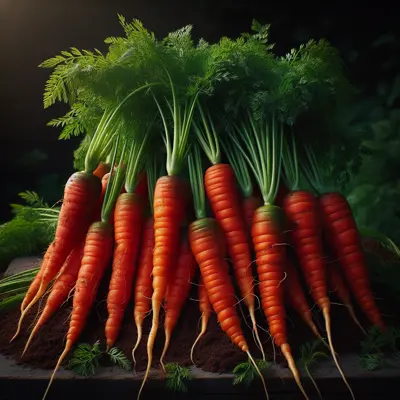
Chantenay Red Core Carrot
A robust French heirloom carrot perfect for heavy or shallow soils where longer varieties struggle. These broad-shouldered, conical carrots develop exceptional sweetness and a distinctive deep orange color throughout, making them ideal for fresh eating and storage. Their sturdy 5-6 inch length and excellent keeping quality have made them a favorite since the 1920s.
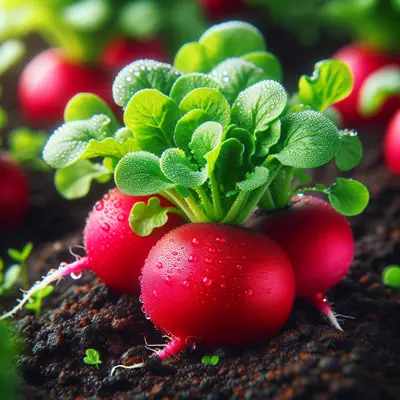
Cherry Belle Radish
America's most popular radish variety and an All-America Selections winner, Cherry Belle delivers reliable results for gardeners of all skill levels. These perfectly round, cherry-red radishes mature in just 22-30 days, making them ideal for quick satisfaction and succession planting throughout the growing season. Their mild, crisp bite and uniform shape make them a favorite for fresh eating and beautiful garnishes.
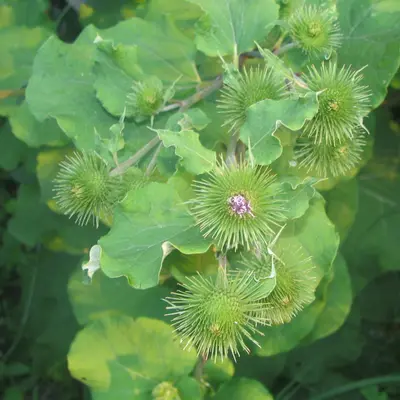
Chiko
A great season-extension offering. For fall, winter, and spring harvest and storage. Can be overwintered in soil, much the same as parsnips. Cook like carrots. Easier to grow than both carrots and parsnips, with faster germination and good weed competition. Delicious in hearty soups and bean stews. Uniform variety. Roots are long, slender, and light brown. Avg. 1-2' long x 1" thick.
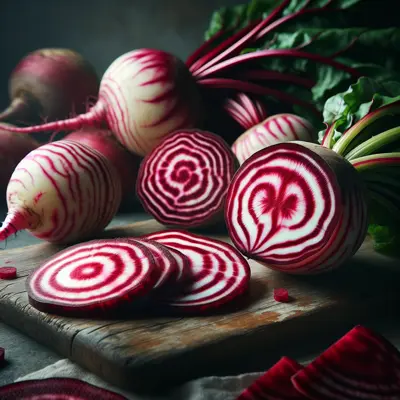
Chioggia Beet
Chioggia Beet is an Italian heirloom variety prized for its striking candy-striped interior of alternating red and white rings, revealed only when sliced. Maturing in approximately 55 days, these medium-sized round roots offer a distinctly sweeter, milder flavor profile with considerably less earthiness than standard beet varieties, making them excellent for both raw preparations and cooking. The vibrant, visually dramatic presentation makes Chioggia particularly popular in upscale culinary applications and farmers' markets. Plants thrive in full sun to partial shade with well-drained, organic-rich soil.
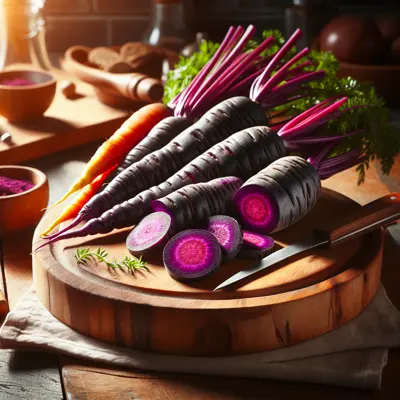
Cosmic Purple Carrot
A stunning hybrid carrot that produces 7-inch roots with deep purple skin and bright orange cores that create beautiful rings when sliced. This All-America Selections winner combines exceptional sweetness with eye-catching color, making it perfect for both fresh eating and adding visual drama to dishes. The unique bicolor appearance and crisp texture make it a favorite among gardeners looking to grow something truly special.
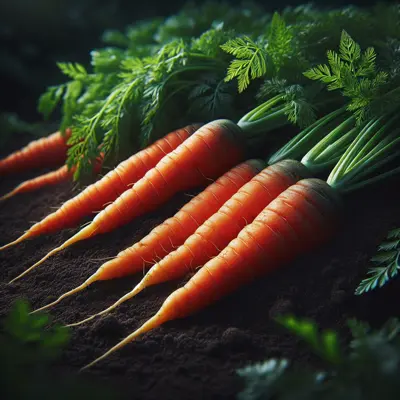
Danvers Half Long Carrot
A classic American heirloom carrot that has been a garden favorite since the 1870s. This reliable variety produces deep orange, broad-shouldered roots that taper to a blunt point, making them perfect for heavy or clay soils where longer carrots struggle. Known for exceptional sweetness and crisp texture that improves with cool weather.
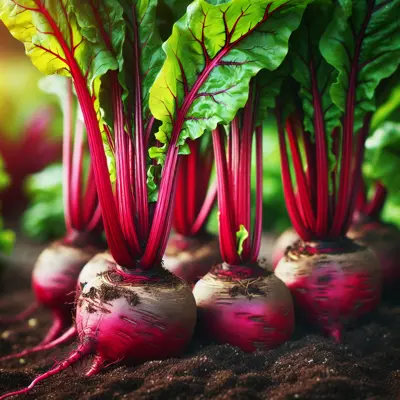
Early Wonder Tall Top Beet
Early Wonder is harvested in bunches with large, vigorous tops attached to the young beets. Tall, bright, glossy green, red-veined tops and slightly flattened red roots. Excellent foliar disease resistance for reliably clean bunches.
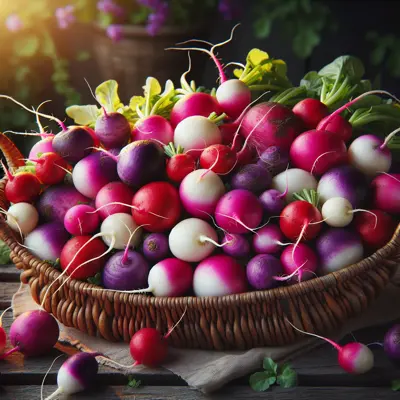
Easter Egg Radish
Easter Egg Radish is a vibrant heirloom variety producing multicolored roots with a stunning mix of white, pink, purple, and red striping. These small, round radishes mature in approximately 30 days, making them ideal for quick succession planting. Their defining characteristic is their mild, crisp, and exceptionally sweet flavor with significantly less peppery bite than traditional radishes, making them particularly appealing to those who prefer gentler radish varieties. The colorful appearance and pleasant taste make them both visually striking in gardens and excellent for fresh eating, salads, and garnishes.
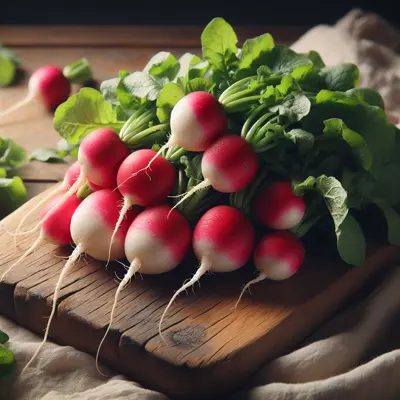
French Breakfast Radish
A well-maintained strain of this market staple. Longer than Nelson, with more white on the tip. Large healthy tops. After trying many strains we found this to be the best. NOTE: For longer, straighter roots, sow 15-20% more seeds per row 1/2 to 1 cm deeper, and do not irrigate unless absolutely necessary.
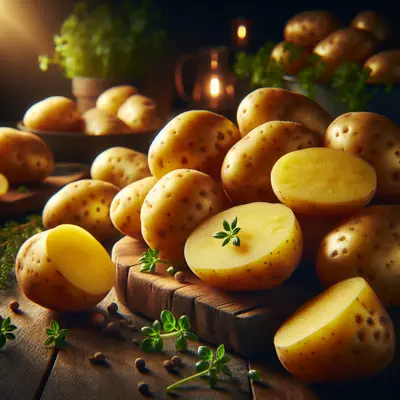
German Butterball Potato
An outstanding heirloom potato variety that delivers incredibly rich, buttery flavor in smooth-textured yellow flesh. This late-season variety produces excellent yields of medium-sized tubers with buff-colored skin and stores exceptionally well through winter. German Butterball is considered one of the best-tasting potatoes available to home gardeners.
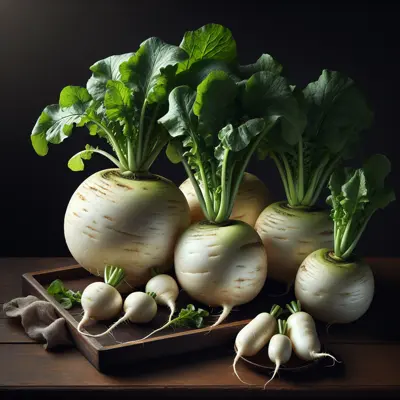
German Giant Radish
A massive white radish that can grow to impressive sizes while maintaining surprisingly mild flavor and crisp texture. Unlike typical small radishes, German Giant becomes milder and sweeter as it grows larger, making it perfect for cooking applications. This unique variety bridges the gap between European radishes and Asian daikon types.
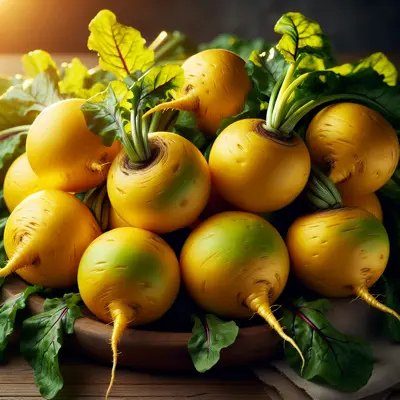
Golden Beet
Golden Beet is a vibrant heirloom root vegetable with brilliant yellow-gold skin and pale yellow flesh. Maturing in 75-90 days, it's prized for its distinctly sweet and mild flavor—far less earthy than red beets—with a tender, delicate texture. The golden hue alone sets it apart visually in the garden and kitchen. Golden Beets excel in fresh applications where their subtle sweetness shines: roasted as a side, thinly shaved into salads, or pickled. They're an excellent choice for gardeners seeking an easier-to-grow beet with broader culinary appeal and elegant presentation.
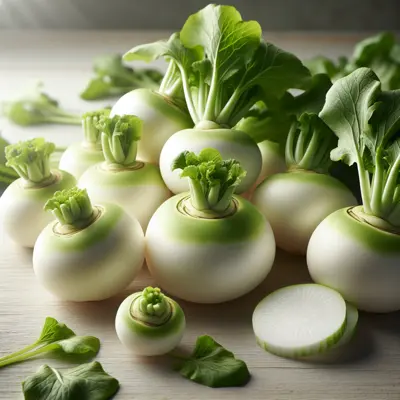
Hakurei Turnip
The smooth, flat-round, white roots mature early (just after radishes) and are best harvested young, up to 2" diameter. Eaten raw, the flavor is sweet and fruity and the texture is juicy and tender. The tops may be eaten raw or lightly cooked. Hakurei stays smooth as it sizes.
Helenor
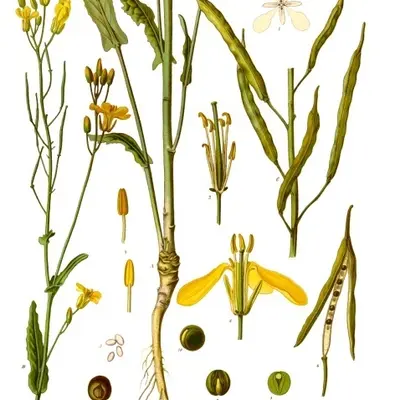
Helenor is a heirloom root vegetable that matures in 90 days, featuring light orange flesh with a distinctive sweet flavor and mild taste profile. This variety thrives in full sun to partial shade conditions and prefers well-drained loam soil with neutral pH, making it ideal for gardeners of all skill levels. The defining characteristic of Helenor is its exceptional versatility—equally suited for fresh eating straight from the garden or for cooking applications. With an easy difficulty rating and reliable performance, Helenor represents a dependable choice for both novice and experienced growers seeking a flavorful, heirloom root vegetable.
Imperator 58 Carrot
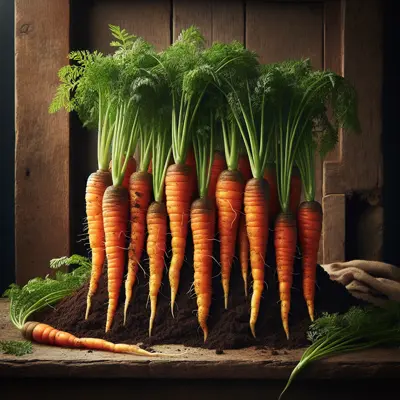
The classic grocery store carrot that defined what most people expect from this beloved vegetable. These long, tapered carrots offer exceptional sweetness and crisp texture, making them perfect for both fresh eating and cooking. A reliable performer that produces uniform, beautiful roots even in challenging conditions.

Javelin
Slim, smooth, tapered roots with shallow crown. Consistent performer with high dry matter and strong field resistance to canker, making it ideal for overwintering. Compared to Albion, Javelin has a narrower root and holds its size longer in the field. Also available with NOP-compliant pelleting.
Kennebec Potato
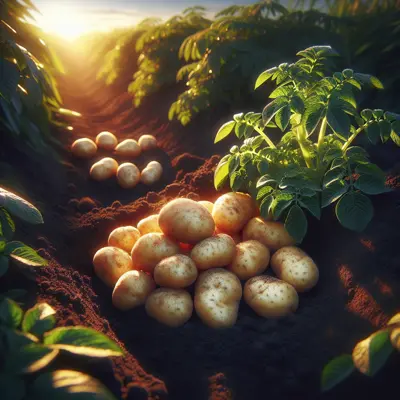
The ultimate all-purpose potato that excels at everything from fluffy baked potatoes to crispy French fries, making it a favorite among home gardeners and commercial growers alike. This reliable variety produces excellent yields of smooth, white-skinned potatoes with outstanding storage qualities. Known for its disease resistance and adaptability, Kennebec is perfect for gardeners seeking a dependable, versatile potato variety.
King Richard Leek
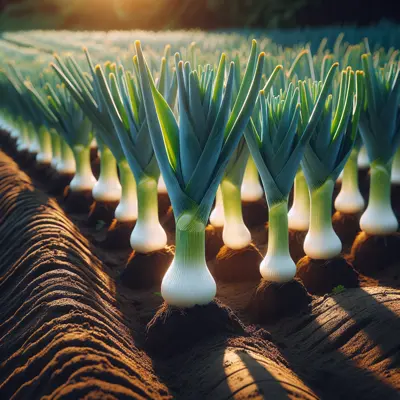
An exceptional early leek variety that produces long, slender white shanks in just 75 days from transplant. Known for its tender texture and mild onion flavor, King Richard is perfect for gardeners wanting quick results without sacrificing quality. This variety excels in both spring and fall plantings.
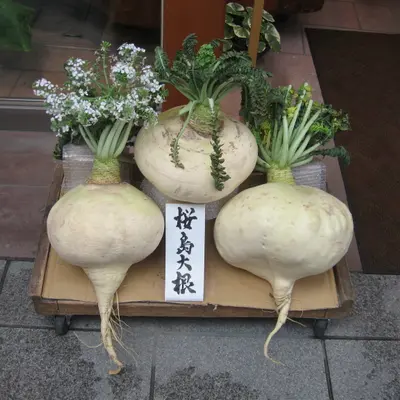
KN-Bravo
KN-Bravo's internal color ranges from pale purple to white with purple streaks. Lends beautiful color to kimchi or fresh salads. Roots average 4-6" x 2 1/2-3" with good, sweet eating quality. Suitable for spring and summer sowings. NOTE: This variety contains 5-10% white-rooted off types.
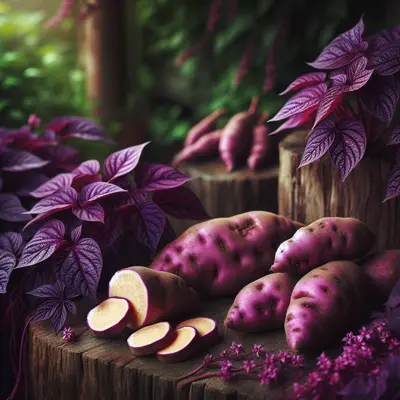
Kolibri Purple Sweet Potato
A stunning ornamental sweet potato that doubles as an edible variety, featuring deep purple foliage that creates dramatic contrast in gardens. The compact tubers have purple skin and cream flesh with a mildly sweet flavor. This dual-purpose variety is perfect for gardeners who want both beautiful landscaping and a unique harvest.

Laurentian
Round, uniform roots with excellent taste and texture. Purple tops with pale yellow flesh.
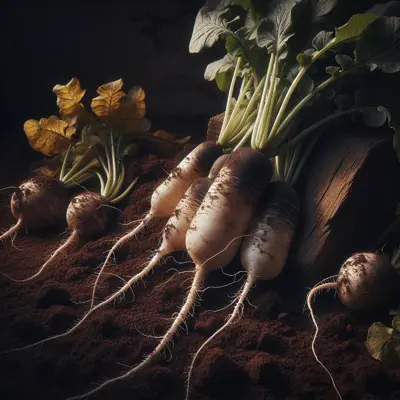
Long Black Spanish Radish
This impressive heirloom winter radish dates back to the 1600s and offers a completely different experience from common spring radishes. Growing 8-10 inches long with distinctive black skin and pure white interior flesh, these storage radishes develop complex, pungent flavors that mellow beautifully when cooked. Perfect for gardeners seeking unusual varieties that provide fresh eating well into winter months.
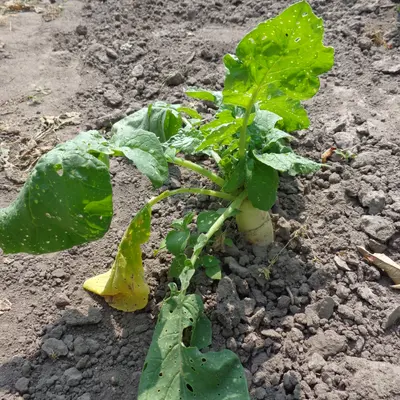
Mini Mak
At 4-5" long x 1 1/2" wide, it is well-suited for bunching. Authentic sweet and mildly spicy flavor. Highly uniform with good bolt tolerance for spring and summer sowings. 3" in-row spacing is optimal.
Miyashige
Crisp Japanese-type fall radish of highest quality. "Stump-rooted" cylindrical white roots are pale green near the crown and avg. 16-18" long x 2 1/2-3" wide. A crisp, tender variety for pickling and storage. For July and early August sowing.
Mokum Carrot
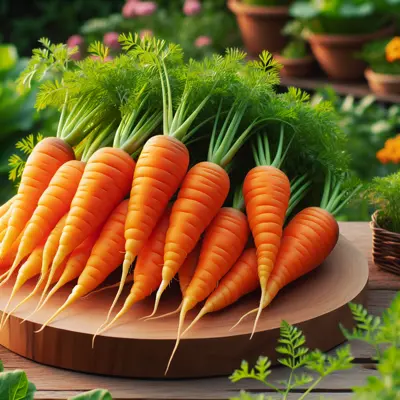
Top-rated for flavor among our early varieties. Attractive slender roots are great for early bunches. A bit earlier than Yaya, more slender, the same length (5 1/2-6 1/2") and color, and with similar high sugar and brittle tenderness. Holds sweet taste even in warm weather. Short tops. Widely adapted. Amsterdam type. Also available with NOP-compliant pelleting.
Nelson Carrot
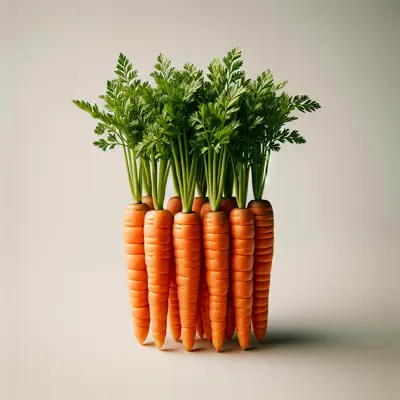
Straight candy-red roots resist pithiness better than other long French types. Compared to French Breakfast, roots are shorter, wider, and show less white on the tips. Responds better to tight spacing. Improved top strength. NOTE: For longer, straighter roots, sow 15-20% more seeds per row 1/2 to 1 cm deeper, and do not irrigate unless absolutely necessary.
Nero Tondo Black Spanish Round Radish
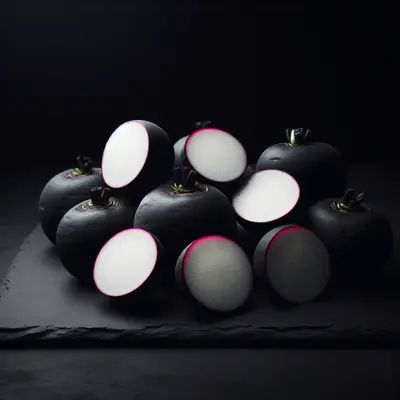
An eye-catching heirloom winter radish from Spain that produces striking black-skinned roots with pure white flesh and a surprisingly mild flavor. This unique variety stores exceptionally well and actually improves in flavor after a few frosts, making it perfect for extending the harvest season into winter. The dramatic color contrast when sliced creates stunning visual appeal in dishes while delivering the crisp, clean taste that makes winter radishes so prized.
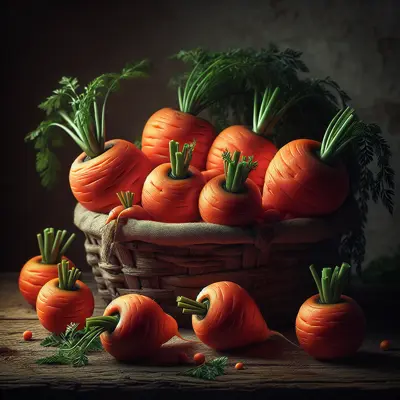
Paris Market Carrot
A charming French heirloom perfect for containers and heavy soils where longer carrots struggle. These golf ball-sized roots are incredibly sweet and tender, making them ideal for gourmet cooking and an excellent choice for children's gardens due to their unique round shape.
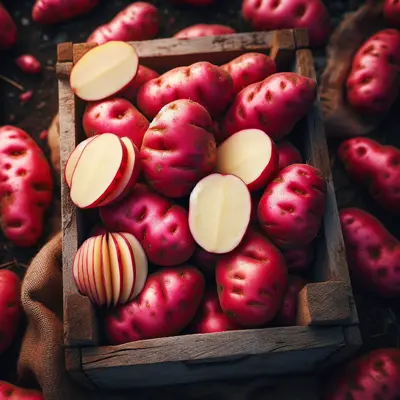
Pontiac Red Potato
A reliable mid-season potato variety beloved for its attractive red skin and pure white flesh that holds its shape beautifully when cooked. Pontiac produces excellent yields of medium to large tubers and shows good resistance to common potato diseases. This versatile variety is perfect for boiling, baking, and making colorful potato salads.
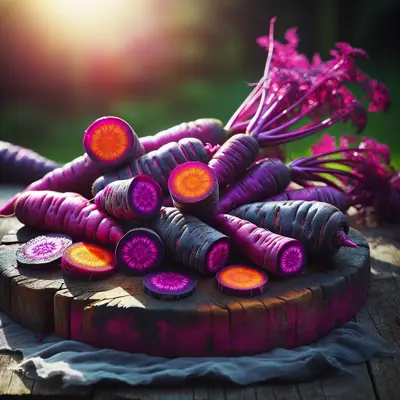
Purple Carrot Cosmic Purple
A stunning heirloom carrot that brings vibrant color to your garden and plate with its deep purple exterior and bright orange core. This eye-catching variety delivers excellent sweet flavor while providing powerful antioxidants from its rich purple pigmentation. Perfect for gardeners who want to grow something truly unique that will amaze friends and family.
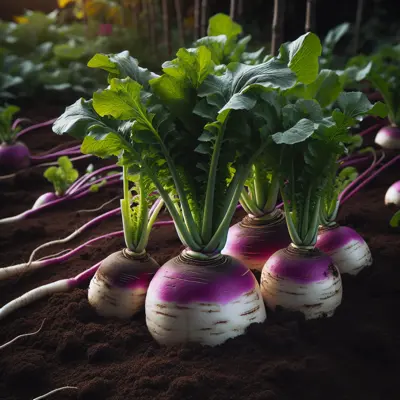
Purple Daikon Radish
A stunning Asian variety that combines the mild, sweet flavor of traditional daikon with eye-catching purple and white coloring. These large radishes are perfect for both raw applications and cooking, offering gardeners something truly unique for their fall harvest.
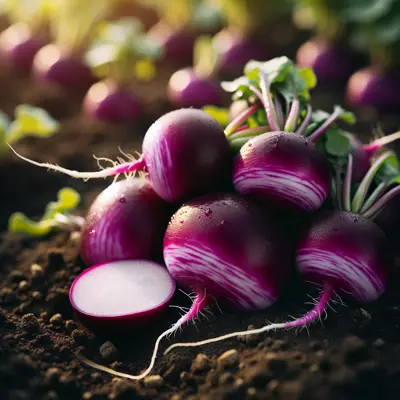
Purple Plum Radish
An eye-catching round radish with stunning deep purple skin and crisp white flesh that adds vibrant color to any garden or plate. This fast-growing variety maintains its mild, sweet flavor even as it reaches full size, making it perfect for gardeners who want beauty and taste. The golf ball-sized roots are as decorative as they are delicious.
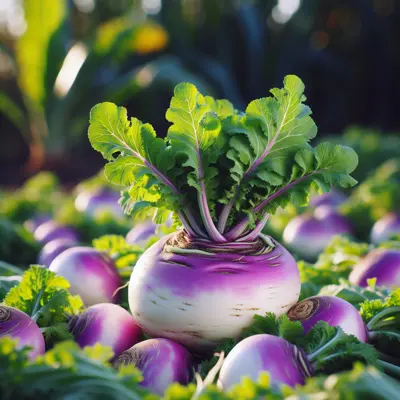
Purple Top White Globe Turnip
Selected strain of this popular Southern US variety. Smooth, round roots average 3-4" in diameter and are white below the soil line and bright purple above. Large lobed greens are suitable for cooking.
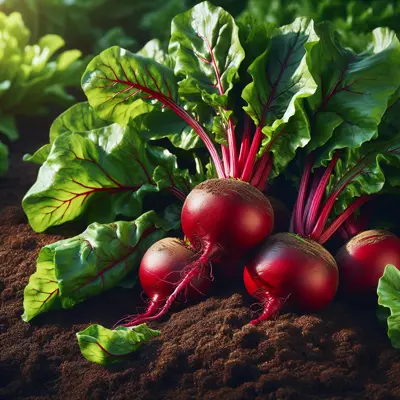
Red Ace Beet
A reliable and adaptable standard red beet. Medium-tall, red-veined greens for bunching. Less uniform and not as attractive as our other red hybrids. Also available with NOP-compliant pelleting.
Red King 2
Mild, crisp, and juicy into late maturity (like KN-Bravo, but sweeter). Remarkably uniform. Tall, upright tops with red and green petioles. A beauty on display, especially when paired with purple and white daikons. Root size adaptable to plant spacing. Can produce radishes over 1 lb., 5-8" long x 2-2 1/2" wide. Slow bolting and good field-holding ability. For both spring and summer sowings.
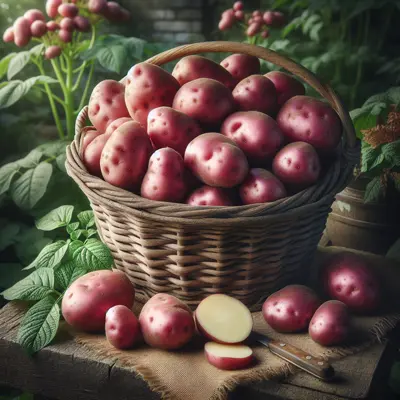
Red Norland Potato
The gold standard for early-season red potatoes, beloved by home gardeners for its reliability and excellent flavor. These smooth-skinned beauties are ready to harvest as delicious new potatoes in just 60 days, or left to mature for storage. Their waxy texture and thin, edible skins make them perfect for boiling, steaming, and potato salads.
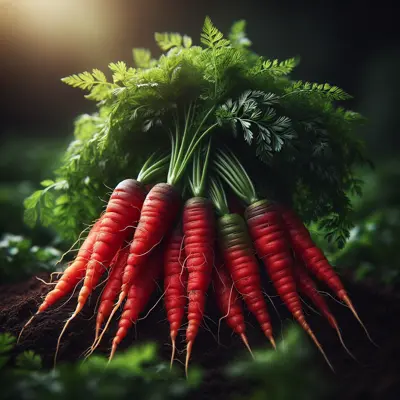
Scarlet Nantes Carrot
A classic French heirloom carrot prized for its sweet flavor and crisp texture. These cylindrical orange roots grow 6-7 inches long with smooth skin and virtually no core, making them perfect for fresh eating and cooking. Their exceptional sweetness and tender flesh have made them the gold standard for home garden carrots worldwide.
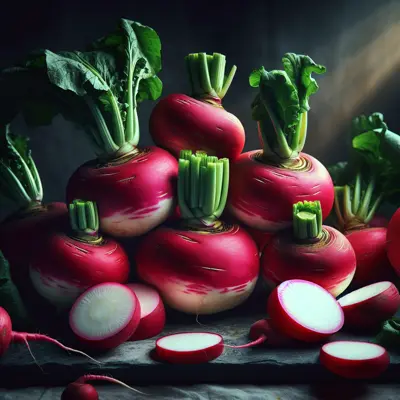
Scarlet Queen Turnip
Scarlet Queen is a heirloom turnip variety prized for its stunning deep red to crimson skin that stands out in the garden and kitchen. Maturing in just 37 days, this quick-growing root vegetable produces tender, globe-shaped roots with crisp white flesh. Unlike many turnips, Scarlet Queen delivers a distinctly sweet, mild flavor without bitter notes, making it excellent for both raw consumption in salads and cooked preparations. The vibrant skin color provides visual appeal while the tender texture remains consistent even when harvested at larger sizes. An easy-to-grow heirloom suitable for gardeners of all skill levels.
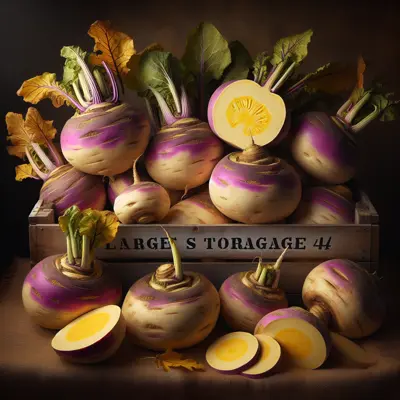
Storage #4 Rutabaga
The ultimate winter keeper rutabaga that actually improves in flavor during months of cold storage, developing incredible sweetness and creamy texture. This reliable variety produces large, uniform roots with classic purple shoulders and yellow flesh that becomes butter-smooth when cooked. A staple crop that can feed families through winter while providing exceptional nutrition and comfort-food satisfaction.
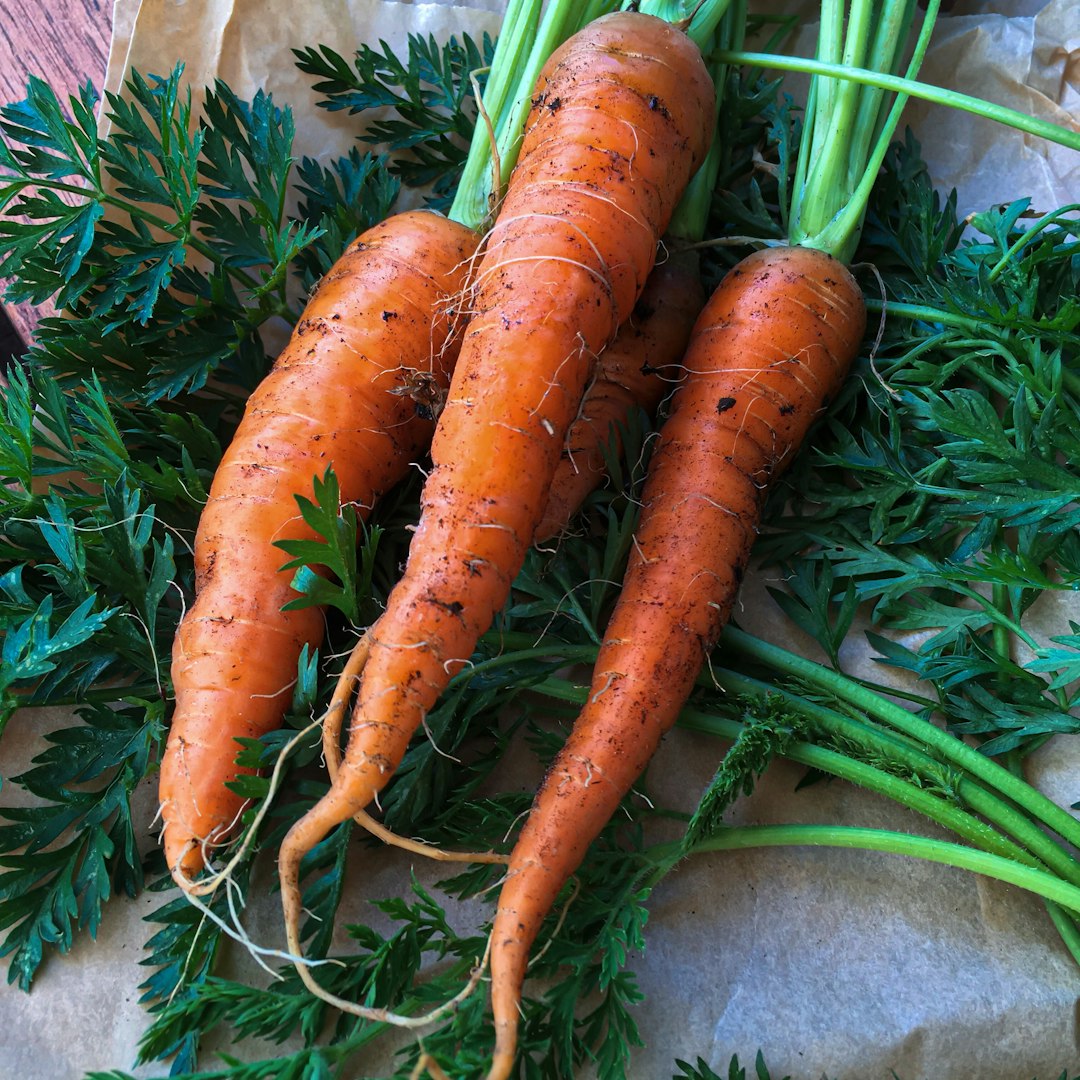
Summer Cross No. 3
Endorsed by critical growers and markets as the choice Japanese-style variety for mid- and late-summer harvest. Uniform, long, tapered white roots average 16" x 2 1/2". Late spring and summer sowing.
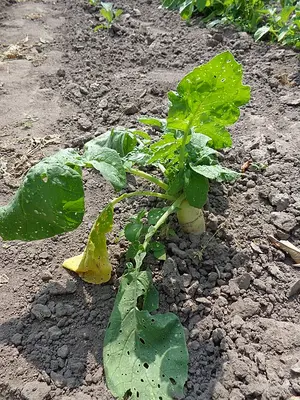
Summit
Crisp and juicy with mildly spicy flavor. Bolt resistant for spring plantings. Very similar to Alpine in size, maturity, and appearance. A great choice for kimchi.
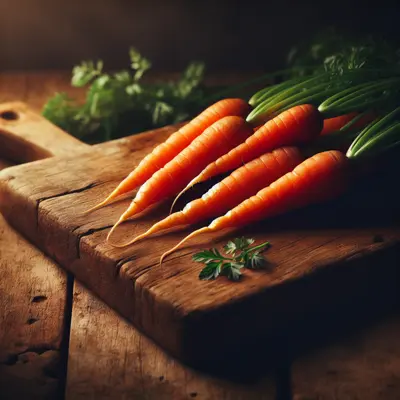
Tendersweet Orange Carrot
This Burpee-developed variety has earned its place as one of the most dependable and flavorful carrots for home gardens, winning recognition for both its exceptional sweetness and reliable growing characteristics. The 7-8 inch roots develop beautiful orange color throughout and maintain their tender texture even when fully mature. Garden families especially appreciate this variety's consistent performance and kid-friendly sweet flavor that makes fresh vegetables irresistible.
Thumbelina Carrot
An adorable golf ball-sized carrot that's perfect for container gardens and shallow soils where longer varieties struggle. Despite their tiny size, these round carrots pack full-sized flavor and sweetness. Winner of the All-America Selections award for its exceptional performance and unique appeal to gardeners with space constraints.
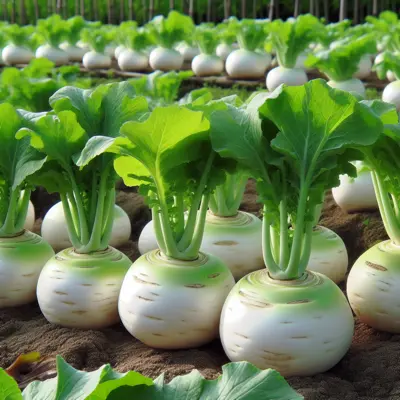
Tokyo Cross Turnip
An award-winning Japanese hybrid turnip that revolutionized home turnip growing with its incredible speed and sweet, mild flavor. This All-America Selections winner produces perfectly white, smooth roots in just over a month, with crisp texture that never gets woody or strong-tasting. The compact size and quick maturity make it perfect for succession planting and small gardens.
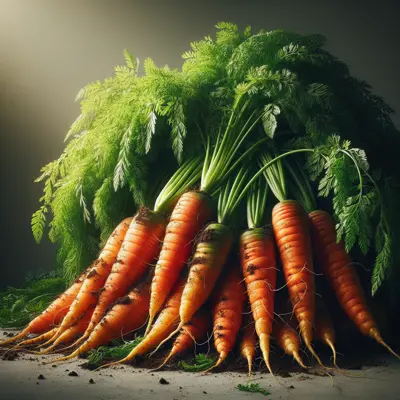
Touchon Carrot
A beloved French heirloom carrot renowned for its exceptional sweetness and crisp texture, often considered one of the best-tasting carrots available to home gardeners. This variety produces perfectly straight, smooth roots with little to no core, making every bite tender and flavorful. Touchon's reliable performance and gourmet quality have made it a favorite among gardeners who prioritize flavor over size.
Warrior
Large cylindrical roots with slow taper provide more bulk. Warrior is a very vigorous variety that sizes up quickly. Suitable for early to mid-fall harvests, before heavy frosts. Not recommended for overwintering as it can become oversized. Good field resistance to canker. Also available with NOP-compliant pelleting.
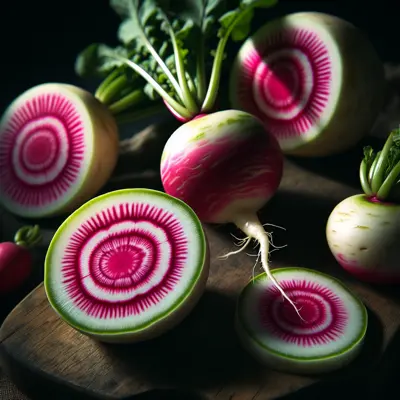
Watermelon Radish
Watermelon Radish is a visually striking heirloom root vegetable with a pale green exterior and distinctive pink-red flesh with white striations, resembling watermelon. Maturing in 90 days, this Japanese variety produces crisp, tender roots ideal for both fresh eating and cooking. The flesh offers a mild, sweet flavor with a subtle peppery finish and pleasant crispness that adds visual appeal and refreshing crunch to salads, slaws, and garnishes. This easy-to-grow variety thrives in deep, well-drained loam with full sun exposure.
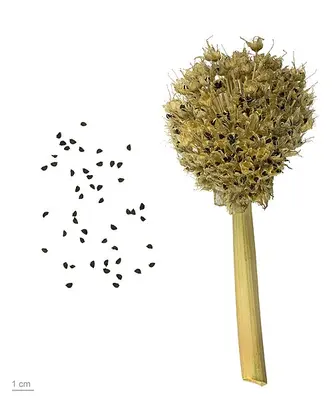
White Spear
White Spear is an heirloom leek variety prized for its tender, elongated white shanks and mild, slightly sweet flavor. Maturing in approximately 65 days, this easy-to-grow cultivar thrives in full sun to partial shade with well-drained, fertile loam. The defining characteristic is its pure white, slender stem that remains exceptionally tender and delicate, making it ideal for cooking whole or in refined culinary applications. Unlike coarser leek varieties, White Spear delivers a gentle onion-like sweetness without harshness, earning its place in both home and market gardens.
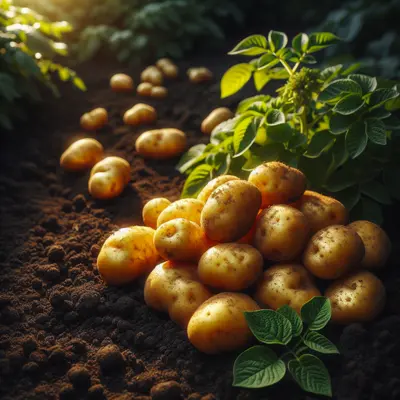
Yukon Gold Potato
Developed in Canada, Yukon Gold has become the gold standard for home gardeners seeking a versatile, all-purpose potato with exceptional flavor. The smooth, golden skin and creamy yellow flesh make these potatoes as beautiful as they are delicious, while their waxy-starchy texture works perfectly for everything from mashing to roasting. This reliable variety produces good yields and stores well, making it a cornerstone of the home garden.
Zone 8 Growing Tips
In Zone 8, timing is everything for root vegetable success. Start your first sowings 2-3 weeks before your March 15 last frost date for cool-season varieties like radishes, turnips, and carrots. These crops can handle light frosts and will mature before summer heat sets in. For continuous harvests, make successive plantings every 2-3 weeks through April, then pause during the hottest months of July and August when root quality suffers.
Resume planting in late August through September for your main fall crop, which often produces the best-quality roots of the year. The cooling temperatures from October through November allow roots to develop proper sweetness and texture. Beets are particularly forgiving and can be planted throughout the growing season, though spring and fall plantings consistently outperform summer ones. Always direct seed root vegetables rather than transplanting, as disturbed roots often become forked or stunted.
Season Overview
Your March 15 last frost date allows for early season plantings that take advantage of cool, moist spring conditions, while the November 15 first frost gives fall crops plenty of time to mature. This 8-month growing window is ideal for succession planting quick crops like French Breakfast radishes (25 days) multiple times, while also allowing enough time for slower-maturing storage varieties like rutabagas (90+ days) when planted in late summer. The extended season also means you can experiment with both early varieties for fresh eating and storage types for winter keeping, often growing them side by side for a continuous harvest from spring through winter.