German Butterball Potato
Solanum tuberosum 'German Butterball'
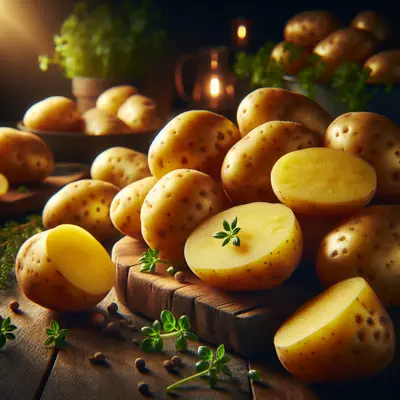
An outstanding heirloom potato variety that delivers incredibly rich, buttery flavor in smooth-textured yellow flesh. This late-season variety produces excellent yields of medium-sized tubers with buff-colored skin and stores exceptionally well through winter. German Butterball is considered one of the best-tasting potatoes available to home gardeners.
Harvest
100-110d
Days to harvest
Sun
Full sun
Zones
2–11
USDA hardiness
Height
12-24 inches
Planting Timeline
Showing dates for German Butterball Potato in USDA Zone 7
All Zone 7 root-vegetable →Zone Map
Click a state to update dates
German Butterball Potato · Zones 2–11
Growing Details
Succession Planting
German Butterball runs 100–110 days, so succession planting within a single season isn't really practical — one bed, one planting. In zone 7, get seed pieces in the ground from March through early May once soil temps reach at least 45°F; earlier plantings generally finish bulking before July heat peaks and tend to yield better. If you want a second harvest from a separate bed, plant again in late July and aim to pull tubers before the first hard frost in October or November.
Complete Growing Guide
German Butterball potatoes require a full 100-110 days to reach harvest maturity, so plant them 4-5 weeks earlier than standard varieties to ensure adequate cool-season growth before summer heat arrives. This late-season cultivar thrives in well-draining, slightly acidic soil enriched with compost and prefers consistent moisture without waterlogging, which can cause rot in their dense tubers. While generally robust, German Butterball shows moderate susceptibility to late blight and powdery mildew in humid conditions, making good air circulation essential—space plants generously and avoid overhead watering. The plants typically reach 12-24 inches tall and don't bolt, but their exceptional storage quality depends on proper curing: after digging, store harvested tubers in a cool (50°F), dark location for two weeks before moving to long-term storage at 38-40°F. One practical tip: hill soil around developing plants multiple times during the season to prevent greening and increase yield of those prized, medium-sized, golden tubers.
Light: Full sun (6 or more hours of direct sunlight a day). Soil: High Organic Matter, Sand. Soil pH: Acid (<6.0). Drainage: Good Drainage, Moist. Height: 1 ft. 0 in. - 2 ft. 0 in.. Spread: 1 ft. 0 in. - 1 ft. 6 in.. Spacing: Less than 12 inches. Maintenance: Medium. Propagation: Root Cutting, Seed. Regions: Coastal, Mountains, Piedmont.
Harvesting
Harvest German Butterball potatoes when the buff-colored skin has fully set and feels thick and firm to the touch, typically 100-110 days after planting when plant foliage begins to yellow and die back. Medium-sized tubers are ideal for flavor and storage potential, so aim to dig when tubers reach 2-3 inches in diameter rather than waiting for maximum size. While a single harvest at full maturity produces the best results for long-term winter storage, you can practice continuous harvesting by carefully lifting plants earlier to access larger tubers while leaving smaller ones in the ground to develop further. For optimal storage quality, wait until nighttime temperatures consistently drop below 50°F before final harvest, as cooler conditions help cure the skin and extend shelf life dramatically.
Potato plants will sometimes produce a round, smooth, yellowish-green to a green berry that is 0.5 inches in diameter and is filled with many seeds. EXTREMELY TOXIC, DO NOT EAT.
Color: Gold/Yellow, Green. Type: Berry. Length: < 1 inch. Width: < 1 inch.
Harvest time: Fall, Summer
Edibility: The tubers are edible but discard sprouts and never eat tubers if they look spoiled or green below the skin. All the green parts of the plant contain a toxin known as solanine and should not be ingested. Potatoes can be stored in a cool, dry, dark place for three to four months. Potato tubers can be boiled, baked, fried, or roasted as a vegetable. They may also be processed to produce potato flour. potato chips, vodka, and schnapps.
Storage & Preservation
Store German Butterball potatoes in a cool, dark place between 45–50°F with humidity around 85–90 percent. A ventilated wooden crate or cardboard box works well, though burlap sacks lined with newspaper also prevent moisture loss while allowing air circulation. Avoid plastic bags, which trap humidity and promote rot. Under these conditions, they'll keep for three to four months, making them ideal for winter use. For longer preservation, consider freezing cooked potatoes—boil, cool, and pack in airtight containers for up to three months. Root cellar storage is the preferred method for this variety given its exceptional keeping quality. Due to their dense, waxy texture and high starch content, they're less suitable for canning but freeze beautifully after cooking. A practical tip: cure freshly dug tubers at 55–60°F in darkness for two weeks before storage; this toughens the skin and significantly extends shelf life.
History & Origin
The German Butterball is an heirloom potato variety with roots in European potato-growing traditions, though its precise origin and documented breeder remain unclear in readily available historical records. It likely emerged from German agricultural heritage, where potato cultivation and selection have been central to regional food culture for centuries. The variety represents the type of late-season, storage-focused potato that German farmers traditionally prioritized for sustaining households through winter months. While specific breeding details are not well documented in modern horticultural literature, its heirloom status and distinctive characteristics suggest it was selected and maintained within German farming communities before becoming available to contemporary home gardeners through specialty seed companies.
Origin: South America
Advantages
- +Exceptional buttery flavor makes German Butterball superior to most commercial potato varieties.
- +Yellow flesh with creamy texture delivers outstanding taste for mashed or roasted preparations.
- +Late-season variety produces medium-sized tubers with excellent long-term winter storage capability.
- +Heirloom status and home gardener popularity ensure seed availability and community growing knowledge.
- +Moderate difficulty level makes German Butterball accessible to experienced vegetable gardeners.
Considerations
- -Susceptible to late blight and early blight, requiring vigilant disease management and monitoring.
- -100-110 day maturation demands long growing season unsuitable for short-season climates.
- -Multiple pest threats including Colorado potato beetles necessitate consistent pest control measures.
- -Buff-colored skin and potato scab vulnerability may reduce marketability or cosmetic appeal.
Companion Plants
Marigolds (especially French types like 'Petite Yellow') deter root-knot nematodes and their scent confuses Colorado potato beetle adults — plant them as a border at 12-inch intervals around the patch. Bush beans fix nitrogen at the root level and don't compete hard for space during German Butterball's long 100–110 day run. Chives and nasturtiums both give aphids something to think about; nasturtiums pull aphid pressure onto themselves as a trap crop. Tomatoes are the companion to avoid — they share both Phytophthora infestans and Alternaria solani with potatoes, so planting them adjacent concentrates disease pressure in one spot and makes rotation nearly impossible. Sunflowers and cucumbers draw hard on soil moisture during the 60–80 day tuber-bulking window, when German Butterball needs a steady 1–2 inches per week without competition.
Plant Together
Marigolds
Repel Colorado potato beetles and nematodes, natural pest deterrent
Bush Beans
Fix nitrogen in soil and don't compete for space with potato tubers
Chives
Repel aphids and may improve potato flavor and growth
Nasturtiums
Act as trap crop for Colorado potato beetles and aphids
Parsley
Attracts beneficial insects and doesn't compete for root space
Radishes
Break up soil for potato growth and mature before potatoes need space
Lettuce
Shallow roots don't interfere with tubers, harvest before potatoes expand
Cilantro
Attracts beneficial insects and repels harmful pests
Keep Apart
Tomatoes
Both are nightshades sharing diseases like blight and attracting same pests
Sunflowers
Allelopathic effects inhibit potato growth and compete heavily for nutrients
Cucumbers
Compete for water and nutrients, may increase disease susceptibility
Nutrition Facts
Per 100g serving. % Daily Value based on 2,000 calorie diet. Source: USDA FoodData Central (FDC #170393)
Pests & Disease Resistance
Resistance
Moderate disease resistance, typical of heirloom varieties
Common Pests
Colorado potato beetle, aphids, potato tuberworm
Diseases
Late blight, early blight, potato scab
Troubleshooting German Butterball Potato
What you'll see, why it happens, and what to do about it.
Large sections of foliage turning gray-green and collapsing fast — sometimes overnight — with dark, water-soaked lesions on stems
Likely Causes
- Late blight (Phytophthora infestans) — an oomycete pathogen that spreads explosively in cool, wet weather (temps 60–70°F with prolonged leaf wetness)
- Infected seed potatoes brought into the garden
What to Do
- 1.Pull and bag affected plants immediately — do not compost them; late blight spreads by wind-borne spores and will take out neighboring plants fast
- 2.Apply a copper-based fungicide (copper octanoate or copper hydroxide) as a preventive on remaining plants if blight is confirmed nearby
- 3.Source certified disease-free seed potatoes next season — this is the single most effective prevention step
Lower leaves showing dry, dark brown spots with concentric rings (bullseye pattern), yellowing around the spots, starting mid-season
Likely Causes
- Early blight (Alternaria solani) — a soil-borne fungus that overwinters in the soil and splashes up onto lower foliage during rain or irrigation, as noted by NC State Extension
- Stressed or nitrogen-deficient plants, which show symptoms sooner and more severely
What to Do
- 1.Strip affected lower leaves and dispose of them in the trash, not the compost pile
- 2.Lay 3–4 inches of straw mulch around the base of each plant to stop soil splash during rain
- 3.Rotate potatoes out of the same bed for at least 2 seasons; Alternaria solani persists in soil and on crop debris
Chunky orange-and-black beetles or brick-red larvae skeletonizing leaves, sometimes down to bare stems
Likely Causes
- Colorado potato beetle (Leptinotarsa decemlineata) — adults overwinter in soil and emerge right as foliage gets going in spring
- Egg masses (yellow-orange, laid in tight clusters on leaf undersides) hatching into larvae that feed even harder than adults
What to Do
- 1.Hand-pick adults, larvae, and egg masses daily into a bucket of soapy water — tedious but effective at small scale
- 2.Apply spinosad (an OMRI-listed organic option) if populations are too high to hand-pick; target young larvae for best results
- 3.Move potato beds each year so overwintering adults don't emerge directly into new plantings
Frequently Asked Questions
How long does German Butterball potato take to grow?▼
Can you grow German Butterball potatoes in containers?▼
What does German Butterball potato taste like?▼
Is German Butterball potato good for beginners?▼
When should I plant German Butterball potatoes?▼
German Butterball vs Yukon Gold potato—what's the difference?▼
Zone-by-Zone Planting Calendar
| Zone | Indoor Start | Transplant | Direct Sow | Harvest |
|---|---|---|---|---|
| Zone 1 | — | — | June – July | September – September |
| Zone 2 | — | — | May – July | September – September |
| Zone 11 | — | — | January – February | April – December |
| Zone 12 | — | — | January – February | April – December |
| Zone 13 | — | — | January – February | April – December |
| Zone 3 | — | — | May – June | August – October |
| Zone 4 | — | — | April – June | August – October |
| Zone 5 | — | — | April – May | July – November |
| Zone 6 | — | — | April – May | July – November |
| Zone 7 | — | — | March – May | July – November |
| Zone 8 | — | — | March – April | June – December |
| Zone 9 | — | — | February – March | May – December |
| Zone 10 | — | — | January – March | May – December |
Growing Guides from Wind River Greens
Sources & References
External authority sources used in compiling this guide.
See the Methodology page for how this data is sourced, what's AI-assisted, and known limitations.