Warrior
Pastinaca sativa
Large cylindrical roots with slow taper provide more bulk. Warrior is a very vigorous variety that sizes up quickly. Suitable for early to mid-fall harvests, before heavy frosts. Not recommended for overwintering as it can become oversized. Good field resistance to canker. Also available with NOP-compliant pelleting.
Harvest
105d
Days to harvest
Sun
Full sun
Zones
1–11
USDA hardiness
Difficulty
Easy
Planting Timeline
Showing dates for Warrior in USDA Zone 7
All Zone 7 root-vegetable →Zone Map
Click a state to update dates
Warrior · Zones 1–11
Growing Details
Succession Planting
Parsnip doesn't lend itself to tight succession planting the way salad greens do — it's a 105-day crop and most households don't need 40 parsnips coming in all at once. One well-timed sowing is the standard approach. Direct sow from March through May in zone 7, aiming to get seed in the ground by late April so roots have the full season before the July–November harvest window opens.
A second sowing in early May can stagger your pulling dates into November if you want that flexibility, but don't push much past that. Parsnips need cool fall temperatures to convert starches to sugar — late-sown roots won't have sized up enough to benefit from the first frosts, and you'll end up pulling undersized roots anyway.
Complete Growing Guide
Large cylindrical roots with slow taper provide more bulk. Warrior is a very vigorous variety that sizes up quickly. Suitable for early to mid-fall harvests, before heavy frosts. Not recommended for overwintering as it can become oversized. Good field resistance to canker. Also available with NOP-compliant pelleting. According to Johnny's Selected Seeds, Warrior is 105 days to maturity, annual, hybrid (f1).
Light: Full sun (6 or more hours of direct sunlight a day). Soil: Clay, Loam (Silt), Sand. Drainage: Good Drainage, Moist, Occasionally Dry, Occasionally Wet. Growth rate: Medium. Maintenance: High.
Harvesting
Warrior reaches harvest at 105 days from sowing per Johnny's Selected Seeds. As an annual, harvest continues until frost ends the season.
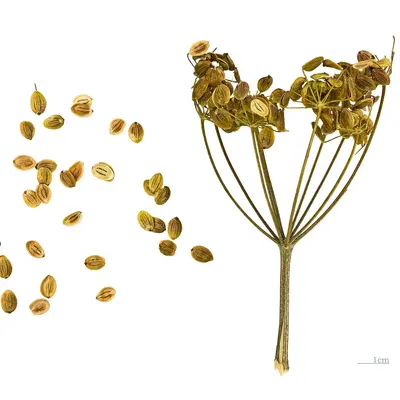
The fruit is elongated and dry with a single winged seed that is dispersed by the wind
Type: Schizocarp. Length: < 1 inch. Width: < 1 inch.
Harvest time: Fall, Summer
Edibility: The fleshy sweet taproot from first-year plants is edible, either raw or baked, boiled, pureed, roasted, fried, grilled, or steamed. It can be used in soups and stews.
Storage & Preservation
Warrior parsnips store best at 32–40°F with 95% humidity in perforated plastic bags within a root cellar or refrigerator crisper drawer, where they'll keep for 3–4 months. Remove excess soil gently before storage to minimize rot. For longer preservation, freezing works well: blanch peeled, cut pieces for 2–3 minutes, cool in ice water, drain thoroughly, and freeze in airtight containers for up to 10 months. Roasting and freezing concentrates their natural sweetness and suits this variety's tender texture. Drying is less common but possible—slice thinly, dry at 140°F until brittle, and store in sealed jars. Warrior's exceptional sugar content makes it excellent for fermenting; pack shredded parsnips with salt and whey in jars for a probiotic-rich condiment. Avoid canning whole, as density creates safety concerns with low-acid vegetables.
History & Origin
Warrior is an F1 hybrid developed through controlled cross-pollination. Listed in the Johnny's Selected Seeds catalog.
Origin: Europe
Advantages
- +Large cylindrical roots with minimal taper yield maximum usable bulk
- +Vigorous growth habit means Warrior sizes up quickly for faster harvests
- +Good field resistance to canker reduces disease management concerns significantly
- +Suitable for early to mid-fall harvests with reliable production timing
Considerations
- -Not suitable for overwintering as roots become oversized and unmarketable
- -105-day maturity requires careful planning for fall harvest windows
- -Risk of splitting or cracking if harvested too late in season
Companion Plants
Carrots, radishes, and parsley are natural neighbors for parsnips — they're all Apiaceae, they tolerate similar soil depth, and they don't compete hard for nutrients. That shared family is also the reason you don't want to cluster all of them into one permanent bed year after year; you'd just be concentrating canker pressure (Itersonilia perplexans, Phoma complanata) in one spot. Radishes pull double duty: sow them in the same row about 2 weeks ahead of your parsnips and they'll break up the top few inches of compaction as you pull them, clearing a straighter path for the slower parsnip tap root. Onions and chives along the border are worth the space — their sulfur compounds confuse carrot fly (Psila rosae), which targets parsnips just as readily as carrots.
Fennel is allelopathic to most vegetables and parsnips are no exception — keep it at least 3 feet away, ideally in a separate bed entirely. Black walnut produces juglone across its entire root zone; a mature tree's root spread can run well past the drip line, and most vegetables planted within that zone will stunt or fail outright. Sunflowers compete hard for water in the top 12 inches of soil, which is exactly where parsnip seedlings are trying to establish during their first 30 days.
Plant Together
Carrots
Break up soil with their taproots, improving drainage and soil structure
Lettuce
Shallow roots don't compete, provides living mulch and efficient space usage
Radishes
Quick-growing companion that loosens soil and can be harvested before root vegetables mature
Onions
Repel root maggots, carrot flies, and other soil-dwelling pests
Chives
Natural pest deterrent against aphids and root-damaging insects
Marigolds
Repel nematodes and other soil pests while attracting beneficial insects
Nasturtiums
Act as trap crop for aphids and cucumber beetles, protecting root vegetables
Parsley
Attracts beneficial insects and doesn't compete for root space
Keep Apart
Black Walnut
Produces juglone toxin that inhibits growth and can kill many root vegetables
Fennel
Allelopathic properties inhibit growth of most garden plants including root vegetables
Sunflowers
Heavy feeders that compete for nutrients and can stunt root vegetable development
Nutrition Facts
Per 100g serving. % Daily Value based on 2,000 calorie diet. Source: USDA FoodData Central (FDC #170393)
Pests & Disease Resistance
Diseases
Canker
Troubleshooting Warrior
What you'll see, why it happens, and what to do about it.
Roots show dark brown, sunken lesions or internal browning at harvest (around day 105)
Likely Causes
- Canker — the primary disease concern for parsnips, caused by Itersonilia perplexans and Phoma complanata, both of which overwinter in soil and infected debris
- Wet, poorly drained soil that keeps the crown and shoulder of the root saturated
What to Do
- 1.At harvest, remove and trash (not compost) all infected roots and any surrounding plant debris
- 2.Rotate parsnips — and their Apiaceae relatives, including carrots and parsley — out of the same bed for at least 3 years, per NC State Extension's rotation guidance
- 3.Raise beds or improve drainage so water doesn't pool around the crown; canker pressure drops sharply in well-drained soil
Seedlings collapse at the soil line, stems appear pinched or blackened, within the first 2 weeks after germination
Likely Causes
- Damping off — typically Pythium spp. or Rhizoctonia solani, both favored by cold, wet, compacted seedbed conditions
- Sowing too early into soil below 50°F, which stretches germination past 21 days and extends the window for pathogen attack
What to Do
- 1.Wait until soil temps are consistently at or above 50°F before direct sowing — parsnip seed is slow enough without adding cold-soil stress
- 2.Thin to final spacing promptly; crowded seedlings trap moisture and give damping-off pathogens exactly the conditions they want
- 3.If the bed has a history of damping off, work in compost to improve drainage and stop overhead watering after 3 p.m.
Stunted, forked, or heavily branched roots at harvest with little usable flesh
Likely Causes
- Fresh manure or high-nitrogen amendments added just before planting, which pushes the tap root to fork and branch rather than size up
- Rocky or compacted soil below 12 inches that physically deflects the developing root
- Seed sown too late in spring and hitting summer heat before roots have time to size up — Warrior needs the full 105 days
What to Do
- 1.Amend beds with aged compost only — no fresh manure — and work the soil to at least 12 inches deep before sowing
- 2.Count back 105 days from your first expected frost and use that as your target sow date; a March or early April start gives you the full season
- 3.Don't run root crops back-to-back in the same bed — NC State Extension's rotation guidance applies here, and soil structure degrades faster when you repeat the same crop type
Frequently Asked Questions
How long does Warrior root vegetable take to mature?▼
Is Warrior a good variety for beginners?▼
What does Warrior root vegetable taste like?▼
When should I plant Warrior for fall harvest?▼
Does Warrior require full sun?▼
Can Warrior be stored for long-term use?▼
Zone-by-Zone Planting Calendar
| Zone | Indoor Start | Transplant | Direct Sow | Harvest |
|---|---|---|---|---|
| Zone 3 | — | — | May – June | August – October |
| Zone 4 | — | — | April – June | August – October |
| Zone 5 | — | — | April – May | July – November |
| Zone 6 | — | — | April – May | July – November |
| Zone 7 | — | — | March – May | July – November |
| Zone 8 | — | — | March – April | June – December |
| Zone 9 | — | — | February – March | May – December |
| Zone 10 | — | — | January – March | May – December |
| Zone 1 | — | — | June – July | September – September |
| Zone 2 | — | — | May – July | September – September |
| Zone 11 | — | — | January – February | April – December |
| Zone 12 | — | — | January – February | April – December |
| Zone 13 | — | — | January – February | April – December |
Growing Guides from Wind River Greens
Sources & References
External authority sources used in compiling this guide.
- ExtensionNC State Extension
- BreederJohnny's Selected Seeds
- USDAUSDA FoodData Central
See the Methodology page for how this data is sourced, what's AI-assisted, and known limitations.