Alpine
Raphanus sativus var. longipinnatus
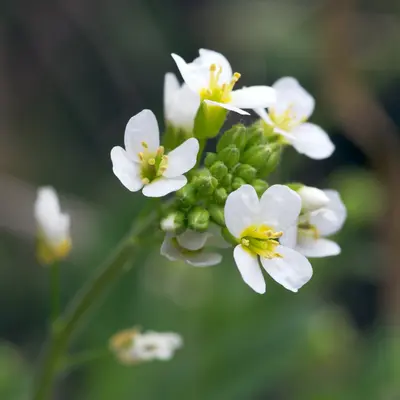
Alpine, with its 5-8" x 2-2 1/2" roots, is the most common type grown for kimchi in Korea. The smooth, attractive roots are white with green shoulders, and are sweeter than the long white Japanese types. A better choice than the long types for rocky soils and better flavor, especially in warm weather. Bolt tolerance makes it suitable for spring and summer sowings. For fresh use, pickling/fermenting, and storage.
Harvest
55d
Days to harvest
Sun
Full sun
Zones
2–11
USDA hardiness
Height
0 ft. 6 in. - 3 ft. 0 in.
Planting Timeline
Showing dates for Alpine in USDA Zone 7
All Zone 7 root-vegetable →Zone Map
Click a state to update dates
Alpine · Zones 2–11
Growing Details
Succession Planting
Direct sow Alpine daikon every 21 days starting March 1 in zone 7, and keep going through early May for a spring run. Then stop — roots get pithy and the plant bolts fast once daytime highs push past 85°F, which in Georgia typically happens by late May or early June. Pick back up with sowings from late August through early October; roots that size up in cooling weather are noticeably denser and hold longer once pulled.
Each sowing takes about 55 days to harvest, so count backward from your first expected frost (mid-November in zone 7) to set your last direct-sow date — a September 15 sowing will finish with a week or two to spare. One 4-foot row per sowing is plenty for a household eating them fresh; daikon is productive enough that even a modest planting will outpace most families.
Complete Growing Guide
Alpine, with its 5-8" x 2-2 1/2" roots, is the most common type grown for kimchi in Korea. The smooth, attractive roots are white with green shoulders, and are sweeter than the long white Japanese types. A better choice than the long types for rocky soils and better flavor, especially in warm weather. Bolt tolerance makes it suitable for spring and summer sowings. For fresh use, pickling/fermenting, and storage. According to Johnny's Selected Seeds, Alpine is 55 days to maturity, annual, hybrid (f1).
Soil: Loam (Silt), Sand. Soil pH: Neutral (6.0-8.0). Drainage: Good Drainage. Height: RAF-an-us raf-an-IS-trum sa-TEE-vus. Spread: RAF-an-us raf-an-IS-trum sa-TEE-vus. Growth rate: Rapid. Maintenance: Medium. Propagation: Seed. Regions: Coastal, Mountains, Piedmont.
Harvesting
Alpine reaches harvest at 55 days from sowing per Johnny's Selected Seeds. Expect 5-8" at peak. As an annual, harvest continues until frost ends the season.
Ready for harvest in 55 days from sowing or transplant. Harvest at peak ripeness for best flavor and storage life. Pick regularly to encourage continued production where applicable.
Storage & Preservation
Alpine radishes store best in a perforated plastic bag or breathable container held at 32–40°F with 95% humidity in your refrigerator's crisper drawer, where they'll keep for 3–4 weeks. Handle them gently after harvest to avoid bruising, which accelerates decay. At room temperature, expect only 5–7 days of acceptable quality.
For longer preservation, slice and freeze Alpine radishes raw on a tray before bagging them—they work well in stir-fries and soups post-thaw, though texture softens. Pickling is excellent for this variety; ferment thin slices in a basic brine of salt and vinegar for tangy condiments lasting months in cool storage. Drying is less practical due to their high moisture content and tendency to become woody.
A particular strength of Alpine is its resistance to hollowing during extended cool storage compared to many long radish types, making it reliable for winter root cellar keeping.
History & Origin
Alpine is an F1 hybrid developed through controlled cross-pollination. Listed in the Johnny's Selected Seeds catalog.
Mediterranean
Advantages
- +Ideal for kimchi making with superior sweetness compared to Japanese varieties
- +Excellent bolt tolerance enables reliable spring and summer sowings
- +Performs better in rocky or poor soil conditions than long types
- +Versatile for fresh eating, pickling, fermenting, and long-term storage
- +Quick 55-day maturity with attractive white roots and green shoulders
Considerations
- -Green shoulders may darken or develop bitterness in intense sunlight
- -Smaller root size limits yield per plant compared to larger daikon varieties
- -Bolt tendency still requires careful timing and temperature management during growth
Companion Plants
Carrots and lettuce are the most practical companions here — daikon pushes 18–24 inches straight down, while carrots and lettuce stay in the top 8–10 inches, so you're not doubling up on the same water or nutrients. Chives have some documented repellent effect on cabbage root maggots (Delia radicum), which is the pest that does real damage you don't notice until you pull a ruined root. Nasturtiums work differently — they're a trap crop that draws aphid colonies away from the daikon foliage, which is easier to manage than spraying. In zone 7 Georgia, I edge daikon beds with Tagetes patula marigolds specifically because our clay soils carry root-knot nematode pressure; the marigold root exudates have solid research behind them for nematode suppression. Keep fennel out entirely — it's broadly allelopathic and will slow germination of most things sown within 18 inches of it.
Plant Together
Carrots
Break up compacted soil with their taproots, helping Alpine radishes develop better root systems
Lettuce
Shallow roots don't compete with radishes, and radishes can break up soil for lettuce
Spinach
Cool-season companion with similar growing requirements and non-competing root systems
Chives
Repel aphids and root maggots that commonly attack radishes
Nasturtiums
Trap crop for flea beetles and aphids that damage radish leaves
Marigolds
Deter nematodes and other soil pests that can damage radish roots
Peas
Fix nitrogen in soil and mature before radishes need full space
Dill
Attracts beneficial insects and may improve radish flavor when planted nearby
Keep Apart
Brassicas
Same family plants compete for nutrients and attract shared pests like clubroot and flea beetles
Hyssop
Allelopathic effects can stunt radish growth and development
Fennel
Strong allelopathic compounds inhibit germination and growth of radishes
Nutrition Facts
Per 100g serving. % Daily Value based on 2,000 calorie diet. Source: USDA FoodData Central (FDC #170393)
Pests & Disease Resistance
Common Pests
Flea beetles, cabbage root maggots, aphids
Diseases
Clubroot, leaf spot, white rust
Troubleshooting Alpine
What you'll see, why it happens, and what to do about it.
Tiny round holes scattered across leaves, most visible on seedlings in the first 2–3 weeks after germination
Likely Causes
- Flea beetles (Phyllotreta spp.) — small, jumping beetles that chew shotgun-pattern holes in leaf tissue
- Seedlings are most vulnerable before they hit 4 inches tall
What to Do
- 1.Cover the bed with row cover immediately at direct sow and keep it on until plants are established — flea beetles can't find what they can't land on
- 2.If you're already seeing damage, dust with kaolin clay (Surround) and reapply after rain
- 3.Delay planting by 2 weeks in late summer to miss peak flea beetle pressure
Plants wilting and yellowing despite adequate water, with roots that look stunted or have warty, misshapen swellings when you pull them
Likely Causes
- Clubroot (Plasmodiophora brassicae) — a soil-borne pathogen that persists for 20+ years in infected ground
- Low soil pH (below 6.5) strongly favors clubroot development
What to Do
- 1.Pull and bag infected plants immediately — don't compost them
- 2.Lime the bed to raise pH to at least 7.2, which suppresses Plasmodiophora brassicae activity
- 3.Rotate daikon and other brassica-family crops out of that bed for at least 4 years; the spores outlast most rotation schedules
White, blister-like pustules on the undersides of leaves, sometimes with pale yellow patches on the upper surface directly above them
Likely Causes
- White rust (Albugo candida) — a water mold, not a true fungus, that thrives when leaves stay wet overnight
- Overhead irrigation that extends leaf wetness periods beyond what the night already adds
What to Do
- 1.Switch to drip irrigation if you can; if overhead is all you have, NC State Extension recommends watering in the morning so foliage dries before temperatures drop at night
- 2.Strip and trash affected leaves — the spore pustules are viable and composting spreads them
- 3.Thin to at least 6-inch spacing; packed plants trap humidity at canopy level and white rust moves fast in those conditions
Frequently Asked Questions
How long does Alpine radish take to grow?▼
Is Alpine radish good for beginners?▼
What does Alpine radish taste like?▼
Can you grow Alpine radish for kimchi?▼
When should I plant Alpine radish?▼
Does Alpine radish grow well in rocky soil?▼
Zone-by-Zone Planting Calendar
| Zone | Indoor Start | Transplant | Direct Sow | Harvest |
|---|---|---|---|---|
| Zone 3 | — | — | May – June | June – October |
| Zone 4 | — | — | April – June | June – October |
| Zone 5 | — | — | April – May | June – November |
| Zone 6 | — | — | April – May | May – November |
| Zone 7 | — | — | March – May | May – November |
| Zone 8 | — | — | March – April | April – December |
| Zone 9 | — | — | February – March | March – December |
| Zone 10 | — | — | January – March | March – December |
| Zone 1 | — | — | June – July | July – September |
| Zone 2 | — | — | May – July | July – September |
| Zone 11 | — | — | January – February | February – December |
| Zone 12 | — | — | January – February | February – December |
| Zone 13 | — | — | January – February | February – December |
Growing Guides from Wind River Greens
Sources & References
External authority sources used in compiling this guide.
- BreederJohnny's Selected Seeds
- USDAUSDA FoodData Central
See the Methodology page for how this data is sourced, what's AI-assisted, and known limitations.