Javelin
Pastinaca sativa
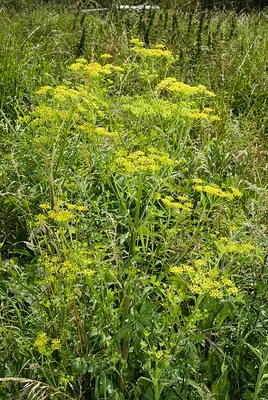
Slim, smooth, tapered roots with shallow crown. Consistent performer with high dry matter and strong field resistance to canker, making it ideal for overwintering. Compared to Albion, Javelin has a narrower root and holds its size longer in the field. Also available with NOP-compliant pelleting.
Harvest
110d
Days to harvest
Sun
Full sun
Zones
1–11
USDA hardiness
Difficulty
Easy
Planting Timeline
Showing dates for Javelin in USDA Zone 7
All Zone 7 root-vegetable →Zone Map
Click a state to update dates
Javelin · Zones 1–11
Growing Details
Succession Planting
Parsnip isn't a succession crop in the traditional sense — you don't sow every 2 weeks for a continuous harvest. At 110 days to maturity, you're working with one main sowing per season. In zone 7, direct sow from late March through early May once soil temps are consistently above 50°F. A May 1 sowing will put you at harvest by late August, but parsnip flavor genuinely improves after a frost converts stored starches to sugars, so most growers aim for a late-March sow and leave roots in the ground into October and November.
If you want any flexibility, do a split sowing: one in late March and a second in mid-April, roughly 3 weeks apart. That staggers harvest by a few weeks and gives you a backup if early germination is spotty — parsnip germination is notoriously uneven, and a second sowing costs almost nothing. Don't push past mid-May in zone 7; roots still sizing up when August heat peaks tend to come in small and pithy.
Complete Growing Guide
Light: Full sun (6 or more hours of direct sunlight a day). Soil: Clay, Loam (Silt), Sand. Drainage: Good Drainage, Moist, Occasionally Dry, Occasionally Wet. Growth rate: Medium. Maintenance: High.
Harvesting
The fruit is elongated and dry with a single winged seed that is dispersed by the wind
Type: Schizocarp. Length: < 1 inch. Width: < 1 inch.
Harvest time: Fall, Summer
Edibility: The fleshy sweet taproot from first-year plants is edible, either raw or baked, boiled, pureed, roasted, fried, grilled, or steamed. It can be used in soups and stews.
Storage & Preservation
Javelin parsnips store best at 32–40°F with 90–95% humidity in perforated plastic bags or sand-lined boxes; maintained this way, they keep for 4–6 months. At room temperature, expect 2–3 weeks before quality declines. For longer preservation, freezing works reliably: blanch cut pieces for 2–3 minutes, cool rapidly, then freeze in airtight containers for up to 12 months. Roasting and freezing concentrates their natural sweetness and works well for meal prep. Lacto-fermentation is also effective—cut into batons, salt at 2–3%, and submerge in brine for 2–4 weeks. Avoid canning without pressure equipment, as parsnips are low-acid. A practical note for this variety: leave roots in the ground through light frosts; cold exposure converts starches to sugars, noticeably improving flavor before final harvest and storage.
History & Origin
Javelin is an F1 hybrid developed through controlled cross-pollination. Listed in the Johnny's Selected Seeds catalog.
Origin: Europe
Advantages
- +Edible: The fleshy sweet taproot from first-year plants is edible, either raw or baked, boiled, pureed, roasted, fried, grilled, or steamed. It can be used in soups and stews.
Considerations
- -Toxic (Flowers, Fruits, Leaves, Sap/Juice, Seeds, Stems): Medium severity
- -Causes contact dermatitis
- -High maintenance
Companion Plants
Carrots are the most logical neighbor for Javelin — both Apiaceae, similar root depth, and their canopies don't shade each other out when thinned to proper spacing. Chives planted at the bed edge may reduce egg-laying by carrot fly (Psila rosae), which targets parsnip as readily as it targets carrots; the sulfur compounds in alliums are credited with disrupting the female's host-finding, though it won't stop a heavy pressure year on its own. Nasturtiums are worth tucking in as a ground-level aphid trap — they draw soft-bodied pests away from parsnip foliage and are easy to pull if the infestation builds. Dill pulls in parasitic wasps that work through the pest population, but give it 18 inches of clearance; if you're saving parsnip seed, the two can cross-pollinate, and dill gets thirsty enough in dry spells to compete for the same moisture the parsnip roots are chasing.
Skip brassicas entirely. They're heavy nitrogen feeders that acidify the surrounding soil over a season, and parsnips want a near-neutral pH of 6.0–7.0 to develop properly. Hyssop is allelopathic to several root vegetables — there's no good reason to test that in a bed you've spent time double-digging. Black walnut is the one worth scouting for before you even prep the soil: the juglone it releases through root exudates is persistent enough to stunt or kill a wide range of crops, and in our zone 7 Georgia gardens, black walnuts show up along fence rows and field edges often enough that it's worth confirming you're planting more than 50 feet from the nearest one.
Plant Together
Carrots
Similar growing requirements and harvest timing, efficient space usage
Lettuce
Quick-growing crop that can be interplanted and harvested before radishes need full space
Spinach
Cool-season companion with similar soil and water needs, maximizes garden space
Chives
Repels aphids and other pests that commonly attack radishes
Nasturtiums
Acts as trap crop for flea beetles and cucumber beetles that damage radish leaves
Marigolds
Deters nematodes and other soil pests that can damage radish roots
Peas
Fixes nitrogen in soil and provides light shade during hot weather
Dill
Attracts beneficial insects and may improve radish flavor
Keep Apart
Brassicas
Same family plants compete for nutrients and attract similar pests like clubroot and flea beetles
Hyssop
Inhibits growth of radishes and other root vegetables through allelopathic compounds
Black Walnut
Produces juglone toxin that stunts growth and can kill radish plants
Nutrition Facts
Per 100g serving. % Daily Value based on 2,000 calorie diet. Source: USDA FoodData Central (FDC #170393)
Pests & Disease Resistance
Diseases
Canker (resistant)
Troubleshooting Javelin
What you'll see, why it happens, and what to do about it.
Seedlings collapse at soil level overnight — stems pinched and dark at the base, roots slimy
Likely Causes
- Damping off — typically Pythium or Rhizoctonia solani, both thrive in cold, wet, poorly-drained seedbeds
- Overwatering combined with heavy clay soil that holds moisture too long
What to Do
- 1.Pull and discard affected seedlings immediately; don't compost them
- 2.Let the soil surface dry out between waterings — parsnips don't need constant moisture at germination
- 3.Next sowing, work in coarse sand or aged compost to improve drainage, and avoid sowing into soil below 50°F
Roots forked, stunted, or growing in tight corkscrews instead of straight down
Likely Causes
- Rocky or compacted subsoil — parsnips need at least 12 inches of loose, stone-free depth to size up properly
- Fresh manure or high-nitrogen fertilizer applied right before planting, which causes root branching
What to Do
- 1.Double-dig or broadfork the bed to 14–16 inches before sowing, removing stones and breaking up hardpan
- 2.Hold off on any manure amendment; work in finished compost only, and do it the fall before planting
- 3.If your native soil is dense clay, consider a raised bed filled to at least 12 inches
Foliage develops irregular brown lesions with yellow halos mid-season, leaves dying back from the edges
Likely Causes
- Septoria leaf spot (Septoria pastinacae) — fungal, spreads in wet weather and overhead irrigation
- Cercospora leaf blight — similar appearance, also favored by high humidity in late summer
What to Do
- 1.Remove and trash affected leaves; do not compost parsnip foliage at end of season
- 2.Switch to drip irrigation or water at the base only, keeping foliage dry
- 3.Per NC State Extension IPM guidance, rotate root crops out of this bed for at least 3 years — both pathogens overwinter in soil debris
Roots show dark brown, water-soaked patches at the crown or shoulders after harvest
Likely Causes
- Parsnip canker — Itersonilia pastinacae or Phoma complanata; Javelin carries partial resistance but not immunity
- Mechanical damage at harvest letting pathogens enter through cracked shoulders
What to Do
- 1.Harvest with a digging fork rather than pulling straight up — lever the root loose to avoid splitting the shoulder
- 2.Store harvested roots at 34–38°F with moderate humidity for a week before long-term storage
- 3.Rotate parsnips to a new bed each year; NC State Extension's vegetable gardening guidelines recommend no more than one planting of the same crop family in a given spot within a 3-year window
Frequently Asked Questions
How many days does Javelin root vegetable take to mature?▼
Is Javelin a good variety for beginners?▼
How should I space Javelin plants when sowing?▼
What makes Javelin different from Albion variety?▼
Can Javelin be stored for winter?▼
What sunlight does Javelin need to grow?▼
Zone-by-Zone Planting Calendar
| Zone | Indoor Start | Transplant | Direct Sow | Harvest |
|---|---|---|---|---|
| Zone 3 | — | — | May – June | August – October |
| Zone 4 | — | — | April – June | August – October |
| Zone 5 | — | — | April – May | August – November |
| Zone 6 | — | — | April – May | July – November |
| Zone 7 | — | — | March – May | July – November |
| Zone 8 | — | — | March – April | June – December |
| Zone 9 | — | — | February – March | May – December |
| Zone 10 | — | — | January – March | May – December |
| Zone 1 | — | — | June – July | September – September |
| Zone 2 | — | — | May – July | September – September |
| Zone 11 | — | — | January – February | April – December |
| Zone 12 | — | — | January – February | April – December |
| Zone 13 | — | — | January – February | April – December |
Growing Guides from Wind River Greens
Sources & References
External authority sources used in compiling this guide.
- BreederJohnny's Selected Seeds
- USDAUSDA FoodData Central
See the Methodology page for how this data is sourced, what's AI-assisted, and known limitations.