Summer Cross No. 3
Raphanus sativus var. longipinnatus
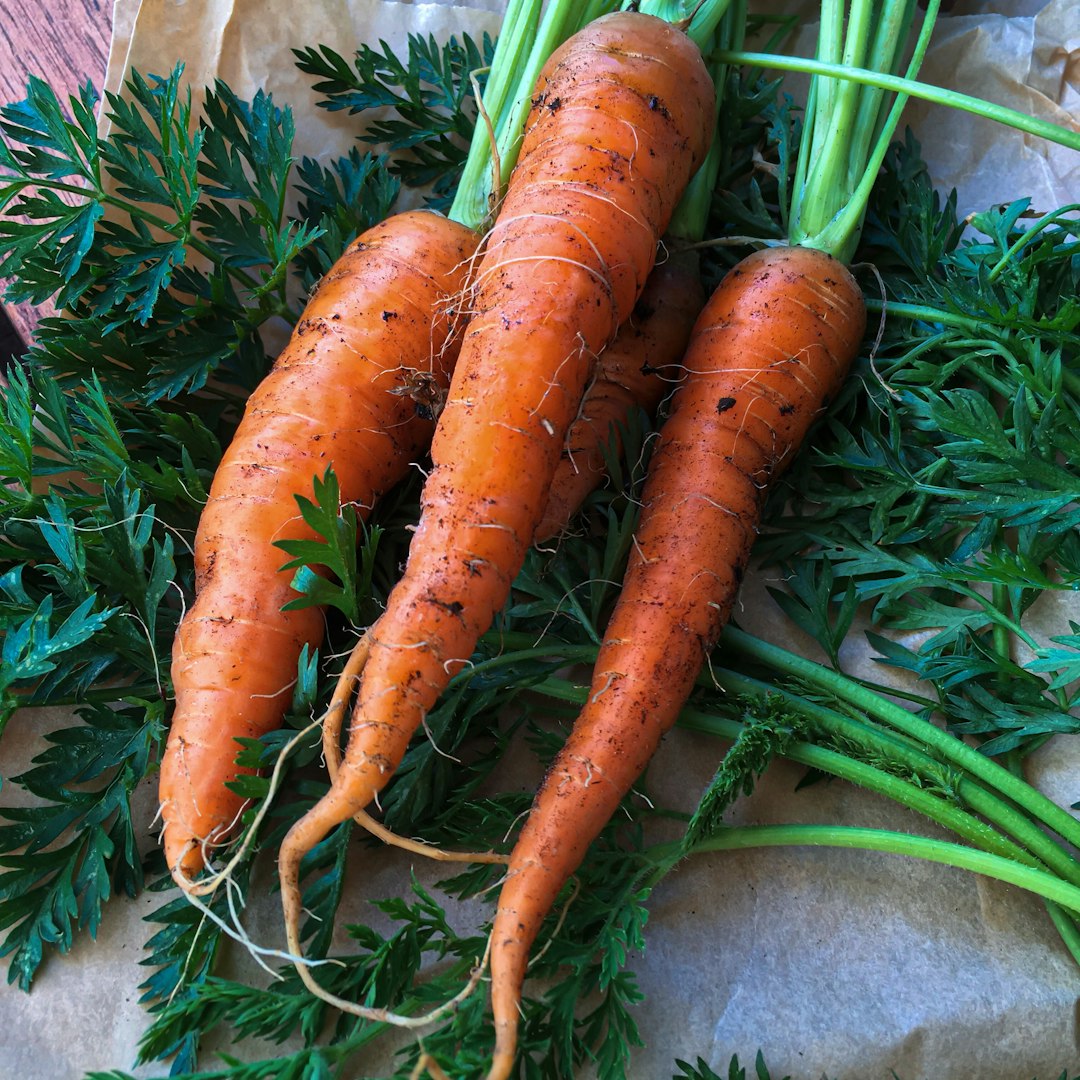
Endorsed by critical growers and markets as the choice Japanese-style variety for mid- and late-summer harvest. Uniform, long, tapered white roots average 16" x 2 1/2". Late spring and summer sowing.
Harvest
55d
Days to harvest
Sun
Full sun
Zones
2–11
USDA hardiness
Height
0 ft. 6 in. - 3 ft. 0 in.
Planting Timeline
Showing dates for Summer Cross No. 3 in USDA Zone 7
All Zone 7 root-vegetable →Zone Map
Click a state to update dates
Summer Cross No. 3 · Zones 2–11
Growing Details
Succession Planting
Direct sow every 14–21 days from March through May in zone 7, then stop when daytime highs are reliably above 85°F — heat pushes Summer Cross to pith and bolt before it sizes up properly. At 55 days to harvest, a May 1 sowing puts roots in your hand by late June, right at the edge of summer heat. Pick back up in late August or early September for a fall run, timing your last sow so the 55-day finish clears your first hard frost date.
Complete Growing Guide
Soil: Loam (Silt), Sand. Soil pH: Neutral (6.0-8.0). Drainage: Good Drainage. Height: RAF-an-us raf-an-IS-trum sa-TEE-vus. Spread: RAF-an-us raf-an-IS-trum sa-TEE-vus. Growth rate: Rapid. Maintenance: Medium. Propagation: Seed. Regions: Coastal, Mountains, Piedmont.
Harvesting
Ready for harvest in 55 days from sowing or transplant. Harvest at peak ripeness for best flavor and storage life. Pick regularly to encourage continued production where applicable.
Storage & Preservation
Summer Cross No. 3 daikon radishes store best at 32–40°F with 90–95% humidity in perforated plastic bags or ventilated containers; remove any attached greens before storage to slow moisture loss. Expect 3–4 weeks of firm, crisp texture under these conditions. For longer preservation, freezing works well—blanch thin slices for 2–3 minutes, cool rapidly, and pack in airtight containers for up to 8 months. Pickling is popular with this variety; slice thinly, salt lightly, and submerge in vinegar brine for a tangy condiment lasting several months. Dried daikon chips, prepared by slicing thin and air-drying or using a dehydrator at 130°F until brittle, rehydrate nicely in soups and braises. This variety's mild, slightly sweet flavor holds up particularly well to fermentation; try quick kimchi-style preparations with salt and spices for added complexity without excessive fermentation time.
History & Origin
Mediterranean
Advantages
- +Easy to grow — beginner-friendly
- +Quick harvest — ready in about 55 days
- +Wide hardiness — grows in USDA zones 2-11
Companion Plants
Carrots and lettuce sit well alongside Summer Cross because neither competes seriously with the deep root this daikon-type develops — they occupy the top 6–8 inches of soil while the radish pushes well below that. Chives are worth the space: their sulfur compounds genuinely disorient aphids and flea beetles at close range, and flea beetles are the pest you'll actually be fighting on this crop. Tagetes patula (French marigold) has documented nematode-suppressive activity in the root zone, which is a real consideration for anything you're pulling out of the ground. Steer clear of other brassicas and turnips as neighbors — they draw the same pest complex, and packing them together turns one flea beetle problem into three.
Plant Together
Carrots
Break up soil for radish roots and don't compete for same nutrients
Lettuce
Quick harvest leaves space for radishes, provides living mulch
Spinach
Cool season companion with similar growing requirements
Chives
Repel root maggots and other soil pests that damage radishes
Nasturtiums
Trap crop for flea beetles and aphids that attack radish leaves
Marigolds
Deter nematodes and other soil pests harmful to root vegetables
Bush Beans
Fix nitrogen in soil and don't compete for root space
Cucumber
Radishes can deter cucumber beetles when interplanted
Keep Apart
Hyssop
Inhibits growth of radishes and other root vegetables
Brassicas
Same family plants compete for nutrients and attract similar pests like clubroot
Turnips
Both root vegetables compete for soil space and nutrients
Nutrition Facts
Per 100g serving. % Daily Value based on 2,000 calorie diet. Source: USDA FoodData Central (FDC #170393)
Troubleshooting Summer Cross No. 3
What you'll see, why it happens, and what to do about it.
Seedlings collapse at soil level within the first week or two after germination — stems look pinched and blackened at the base
Likely Causes
- Damping off — a complex of soil-borne pathogens (Pythium, Rhizoctonia) that thrive in cold, waterlogged conditions
- Overwatering or poorly draining seed bed
What to Do
- 1.Pull and discard affected seedlings immediately; don't let them sit and spread spores
- 2.Let the top inch of soil dry out between waterings — Summer Cross No. 3 germinates in 7–14 days and doesn't need to stay constantly wet
- 3.If direct-seeding into heavy clay, work in compost or coarse sand to improve drainage before the next sowing
Plants wilt during the day even with adequate watering, and roots show lumpy, knotted galls when pulled
Likely Causes
- Root-knot nematodes (Meloidogyne spp.) — common in sandy soils and worse after repeated radish or brassica plantings in the same bed
- Root crops grown in the same spot the prior season, allowing Meloidogyne populations to build up
What to Do
- 1.Rotate root crops out of any given bed for at least 3–4 years — NC State Extension's vegetable gardening guidance recommends cycling by crop type (fruit, root, stem, leaf) on that interval
- 2.Follow Summer Cross with bush beans, which fix nitrogen through root bacteria and are not a primary Meloidogyne host
- 3.For heavily infested beds, leave fallow for a season or sow a sorghum-sudangrass cover crop before replanting
Frequently Asked Questions
How long does Summer Cross No. 3 take to mature?▼
Is Summer Cross No. 3 good for beginners?▼
When should I plant Summer Cross No. 3?▼
What size are the roots at harvest?▼
Can I grow Summer Cross No. 3 in containers?▼
Why is Summer Cross No. 3 popular with commercial growers?▼
Zone-by-Zone Planting Calendar
| Zone | Indoor Start | Transplant | Direct Sow | Harvest |
|---|---|---|---|---|
| Zone 3 | — | — | May – June | June – October |
| Zone 4 | — | — | April – June | June – October |
| Zone 5 | — | — | April – May | June – November |
| Zone 6 | — | — | April – May | May – November |
| Zone 7 | — | — | March – May | May – November |
| Zone 8 | — | — | March – April | April – December |
| Zone 9 | — | — | February – March | March – December |
| Zone 10 | — | — | January – March | March – December |
| Zone 1 | — | — | June – July | July – September |
| Zone 2 | — | — | May – July | July – September |
| Zone 11 | — | — | January – February | February – December |
| Zone 12 | — | — | January – February | February – December |
| Zone 13 | — | — | January – February | February – December |
Growing Guides from Wind River Greens
Sources & References
External authority sources used in compiling this guide.
- BreederJohnny's Selected Seeds
- USDAUSDA FoodData Central
See the Methodology page for how this data is sourced, what's AI-assisted, and known limitations.