Albion
Pastinaca sativa
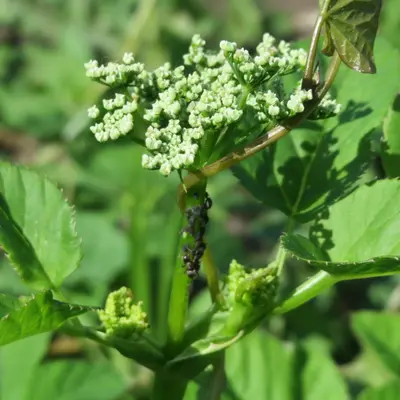
Long, tapered roots are noticeably whiter and slower to discolor than Javelin. Large roots are suitable for fresh market or processing. Also available with NOP-compliant pelleting.
Harvest
120d
Days to harvest
Sun
Full sun
Zones
1–11
USDA hardiness
Difficulty
Easy
Planting Timeline
Showing dates for Albion in USDA Zone 7
All Zone 7 root-vegetable →Zone Map
Click a state to update dates
Albion · Zones 1–11
Growing Details
Succession Planting
Parsnips don't suit succession sowing — each plant runs a full 120 days from direct sow to harvest, and you get one root per plant, one time. Sow your full intended bed in a single pass between March and May (zone 7) and let it carry through to the July–November harvest window. NC State Extension's organic gardening notes recommend keeping root crops out of the same bed for three to four years, so mark where this bed is now and plan next year's parsnips elsewhere.
Complete Growing Guide
Long, tapered roots are noticeably whiter and slower to discolor than Javelin. Large roots are suitable for fresh market or processing. Also available with NOP-compliant pelleting. According to Johnny's Selected Seeds, Albion is 120 days to maturity, annual, hybrid (f1).
Light: Full sun (6 or more hours of direct sunlight a day). Soil: Clay, Loam (Silt), Sand. Drainage: Good Drainage, Moist, Occasionally Dry, Occasionally Wet. Growth rate: Medium. Maintenance: High.
Harvesting
Albion reaches harvest at 120 days from sowing per Johnny's Selected Seeds. As an annual, harvest continues until frost ends the season.
The fruit is elongated and dry with a single winged seed that is dispersed by the wind
Type: Schizocarp. Length: < 1 inch. Width: < 1 inch.
Harvest time: Fall, Summer
Edibility: The fleshy sweet taproot from first-year plants is edible, either raw or baked, boiled, pureed, roasted, fried, grilled, or steamed. It can be used in soups and stews.
Storage & Preservation
Harvest Albion parsnips after 120 days when roots reach 8–10 inches long. Store freshly dug roots in a cool cellar or refrigerator at 32–40°F with high humidity (95%), packed in damp sand or sawdust within perforated plastic bags. They'll keep for 3–4 months under these conditions. For longer preservation, freeze blanched and sliced roots for up to 8 months, or roast and freeze for ready-to-heat portions. Canning is possible using tested pressure-canning recipes, though freezing better preserves the sweet, delicate flavor. Drying is less common but works if sliced thin and stored in airtight containers. Albion's natural sweetness increases after frost exposure in the field, so consider leaving roots in the ground under mulch through early winter and harvesting as needed—they stay fresher this way than stored indoors.
History & Origin
Albion is an F1 hybrid developed through controlled cross-pollination. Listed in the Johnny's Selected Seeds catalog.
Origin: Europe
Advantages
- +Exceptionally white roots resist browning and oxidation during storage
- +Large root size makes it ideal for both retail and commercial processing
- +Slower discoloration extends shelf life and maintains visual appeal longer
- +Extended 120-day maturity allows flexible harvest windows
Considerations
- -Long growing season requires careful frost timing in short-season regions
- -Parsnip canker and root rot diseases can reduce yields significantly
- -Requires well-draining, stone-free soil to prevent forking and misshapen roots
- -Slower germination and establishment compared to faster parsnip varieties
Companion Plants
Onions, garlic, and chives are the most useful neighbors here — their sulfur compounds disrupt the egg-laying behavior of root flies without casting enough shade to bother parsnip tops. Carrots share similar deep-soil prep and won't compete at the surface, but NC State Extension's IPM guidance flags a real risk: planting closely related root crops in the same bed year after year concentrates shared pests and diseases, so rotate carrots and parsnips together rather than treating them as permanent roommates. Fennel is the one to cut entirely from the list — it produces allelopathic compounds that suppress most vegetables, and parsnips are no exception. Brassicas create a different problem: heavy feeders that strip the same soil nutrients parsnips need over a 120-day season, and they carry fungal pressure that can spill over in a wet spring.
Plant Together
Carrots
Break up soil with their taproots, helping daikon develop properly
Lettuce
Shallow roots don't compete, provides ground cover to retain moisture
Spinach
Quick-growing crop that can be harvested before daikon needs full space
Onions
Repel root maggots and other soil pests that damage radish family plants
Garlic
Natural fungicide properties help prevent root rot and soil-borne diseases
Nasturtiums
Trap crop for flea beetles and aphids that commonly attack brassicas
Chives
Repel aphids and improve soil health with their shallow root system
Marigolds
Deter nematodes and soil pests while attracting beneficial insects
Keep Apart
Brassicas
Same family as daikon, compete for nutrients and attract same pests like clubroot
Fennel
Allelopathic compounds inhibit growth of most vegetables including radishes
Pole Beans
Heavy nitrogen fixation can cause excessive leaf growth at expense of root development
Nutrition Facts
Per 100g serving. % Daily Value based on 2,000 calorie diet. Source: USDA FoodData Central (FDC #170393)
Troubleshooting Albion
What you'll see, why it happens, and what to do about it.
Seedlings collapse overnight — stems pinched black at the soil line, roots brown and slimy
Likely Causes
- Damping off — typically Pythium or Rhizoctonia species, both soil-borne fungi that thrive in wet, cool conditions
- Overwatering or poorly draining seed-starting mix
What to Do
- 1.Pull and bin the affected seedlings immediately; don't compost them
- 2.Let the soil surface dry out between waterings — parsnips don't need constant moisture at germination
- 3.Next sowing, use fresh seed-starting mix and make sure containers have drainage holes
Roots fork, split into multiple thin prongs, or are short and stubby at harvest (around day 120)
Likely Causes
- Rocky or compacted soil that the taproot can't penetrate cleanly
- Fresh manure or high-nitrogen fertilizer applied just before sowing, which encourages forking
What to Do
- 1.Double-dig the bed to at least 18 inches before sowing, breaking up any hardpan
- 2.Work in aged compost only — not fresh manure — several weeks before direct sowing in March through May
- 3.If your native soil is heavy clay, consider a raised bed filled with a looser mix
Poor or uneven germination — sparse seedlings or bare patches 3–4 weeks after sowing
Likely Causes
- Old seed — parsnip seed loses viability fast, often dropping below 50% germination after just one year
- Soil crust forming over the seed row before emergence, blocking sprouts
What to Do
- 1.Buy fresh seed each season; don't trust last year's packet
- 2.Cover the seed row with vermiculite or fine compost instead of native soil to prevent crusting
- 3.Sow thickly — three or four seeds per inch — and thin once seedlings are established
Frequently Asked Questions
How long does Albion root vegetable take to harvest?▼
Is Albion a good variety for beginners?▼
What makes Albion different from Javelin?▼
What sun and soil conditions does Albion need?▼
Are there common pests or diseases affecting Albion?▼
Zone-by-Zone Planting Calendar
| Zone | Indoor Start | Transplant | Direct Sow | Harvest |
|---|---|---|---|---|
| Zone 1 | — | — | June – July | October – September |
| Zone 2 | — | — | May – July | September – September |
| Zone 11 | — | — | January – February | April – December |
| Zone 12 | — | — | January – February | April – December |
| Zone 13 | — | — | January – February | April – December |
| Zone 3 | — | — | May – June | September – October |
| Zone 4 | — | — | April – June | August – October |
| Zone 5 | — | — | April – May | August – November |
| Zone 6 | — | — | April – May | August – November |
| Zone 7 | — | — | March – May | July – November |
| Zone 8 | — | — | March – April | July – December |
| Zone 9 | — | — | February – March | June – December |
| Zone 10 | — | — | January – March | May – December |
Growing Guides from Wind River Greens
Sources & References
External authority sources used in compiling this guide.
- BreederJohnny's Selected Seeds
- USDAUSDA FoodData Central
See the Methodology page for how this data is sourced, what's AI-assisted, and known limitations.