Zone 5 Coverage
Planting Timeline — All Varieties
Growing Alliums in Zone 5
Zone 5 offers allium growers a sweet spot of cold hardiness and adequate growing season length, making it possible to grow both long-season storage onions and quick-maturing varieties. The reliable winter chill satisfies the vernalization requirements that hardneck garlics and shallots need to form proper bulbs, while the 155-day growing season provides enough time for large storage onions to reach full size. However, the late spring frost date means you'll need to be strategic about timing, especially with transplants that can bolt if exposed to prolonged cold after getting established.
When selecting allium varieties for Zone 5, prioritize those bred for northern climates or specifically noted as cold-hardy. Long-day onion varieties are your best bet since they're triggered to bulb by the extended daylight hours of northern summers. For garlic, focus on hardneck varieties that can handle your winters and will produce scapes as a bonus harvest. The key is matching variety day-length requirements and cold tolerance to your specific microclimate—these selections have proven themselves reliable performers in Zone 5 conditions, offering everything from sweet fresh eating to excellent storage characteristics.
Variety Comparison
| Variety ↑ | Days | Difficulty |
|---|---|---|
| Ailsa Craig Sweet Onion | 110-120 | Moderate to challenging |
| Bandit | 120 | Easy |
| Biker | 90 | Easy |
| Candy Onion | 100-110 | Easy to moderate |
| Comanche | 105 | Easy |
| Common Chives | 75-85 | Easy |
| Conservor | 110 | Easy |
| Copra Onion | 104-110 | Easy |
| Dash | 50 | Easy |
| Elephant Garlic | 240-270 | Easy |
| Evergreen Hardy White | 65 | Easy |
| Evergreen White Bunching Onion | 60-70 | Easy |
| French Gray Shallot | 90-120 | Easy to moderate |
| Garlic Chives | 80-90 | Easy |
| Georgia Fire Garlic | 240-270 | Easy |
| German Extra Hardy Garlic | 240-270 | Easy |
| Giant Musselburgh | 120-150 | Moderate |
| Giant Red Beard | 90-120 | Easy |
| Inchelium Red Softneck Garlic | 240-270 | Easy to Moderate |
| Innovator | 110 | Easy |
| Italian Red Torpedo Onion | 95-110 | Moderate |
| Japanese Bunching Onions | 65 | Easy |
| Jumper | 95 | Easy |
| King Richard | 75 | Easy |
| Megaton | 90 | Easy |
Variety Details
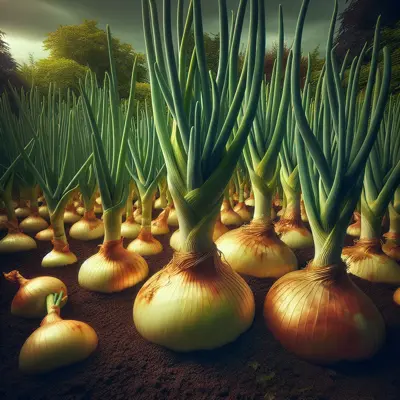
Ailsa Craig Sweet Onion
A legendary exhibition onion variety from Scotland that can grow to enormous sizes while maintaining sweet, mild flavor. This pale yellow globe onion is famous for winning competitions and producing bulbs that can weigh 2-3 pounds when grown with proper care. Despite its impressive size, Ailsa Craig maintains excellent eating quality and stores reasonably well.
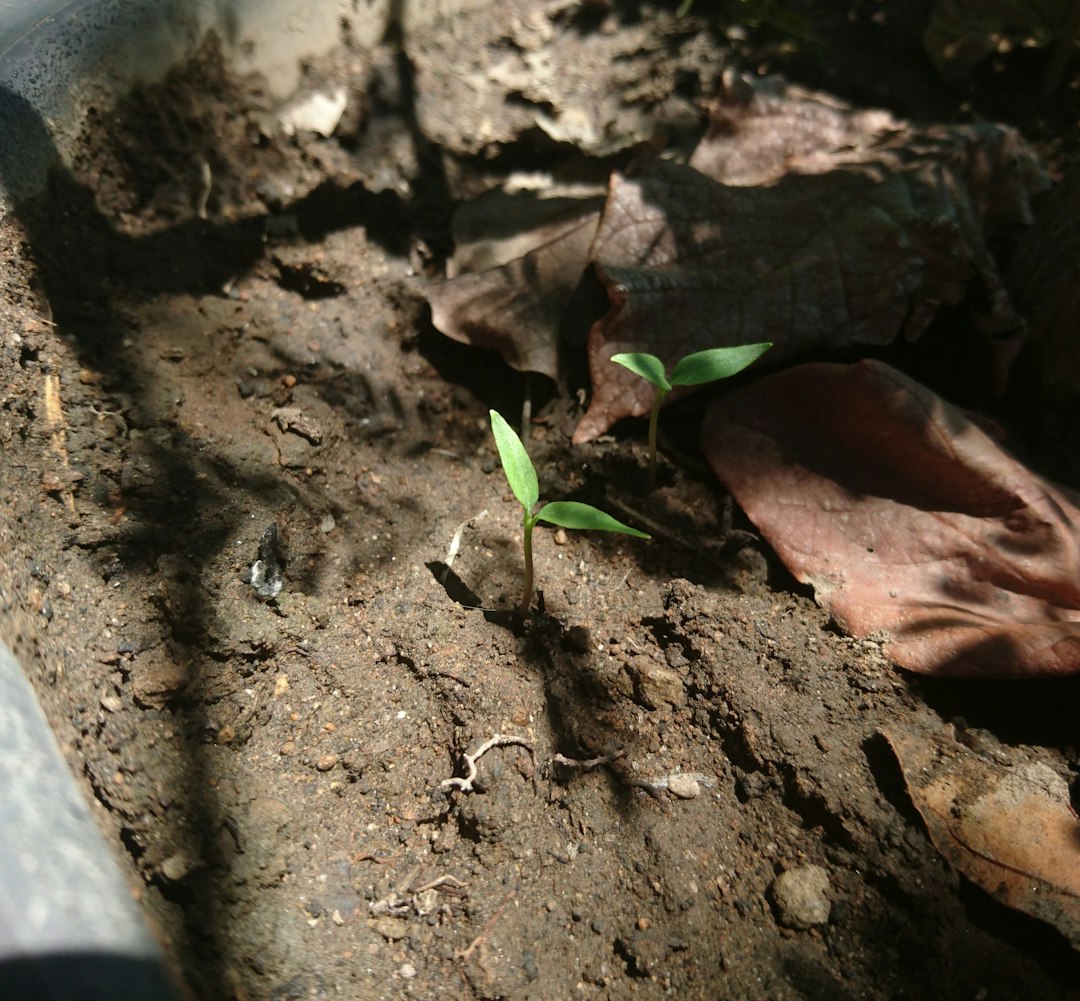
Bandit
Bandit has beautiful very dark blue-green, upright leaves and good uniformity. The shank grows very thick with minimal bulbing. NOTE: For ease of sowing, Bandit's seed is coated with an inert, NOP-compliant film.
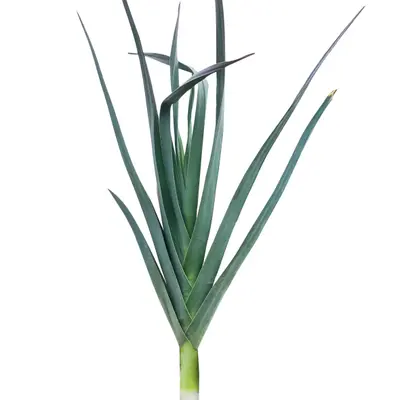
Biker
Shanks bulk up quickly by mid-early season and resist bulbing for easy stripping. Performs well across the US and maintains high quality, even at a large size. An easy replacement for Jumper, which was discontinued by our supplier. Primed seed.
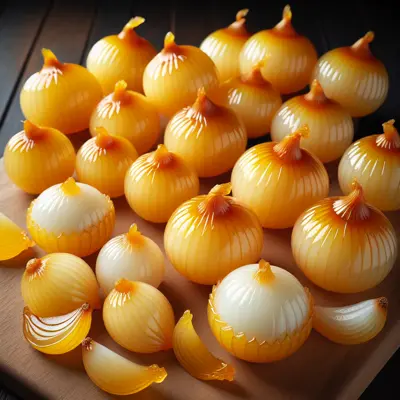
Candy Onion
Slightly flattened yellow onion has potential for large size, especially when sown for overwintering in its optimum 33-40° latitude range. A Walla Walla-type for growing farther south. Also offered as plants.
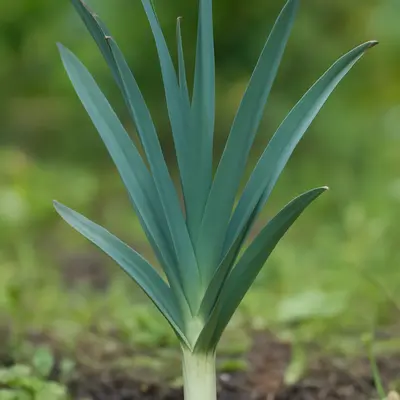
Comanche
Beautiful shanks can achieve impressive length. Comanche is a midseason leek with medium blue-green foliage. Its upright plant habit makes for easier cultivation. Also available in organic seed.
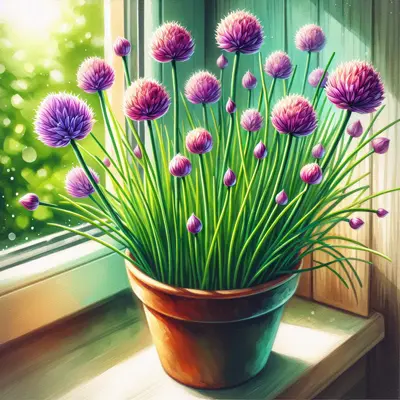
Common Chives
Common Chives (Allium schoenoprasum) are a classic perennial herb featuring slender, tubular green leaves that grow in dense clumps and reach 12-18 inches tall. Delicate purple-pink pompom flowers appear in spring, adding ornamental appeal. Ready to harvest at 75-85 days from seed, though established plants provide year-round cutting. This hardy heirloom offers mild, delicate onion flavor with subtle sharpness, making it ideal for finishing dishes, garnishing soups, and creaming into sauces. Unlike stronger alliums, chives complement rather than overpower. Extremely cold-hardy and low-maintenance.
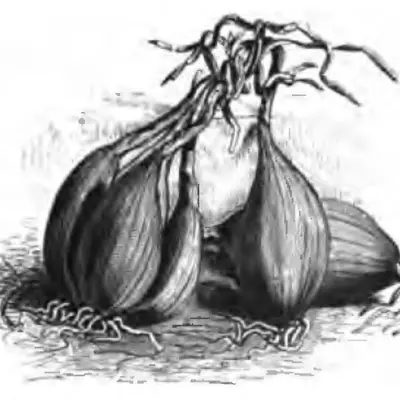
Conservor
These reddish-copper shallots have an elongated shape with fewer splits and are suitable for long storage. Conservor does not typically divide into multiple bulbs like traditional shallots. Adaptation: 37-60° latitude. Also available in organic seed and in organic seed with NOP-compliant pelleting.
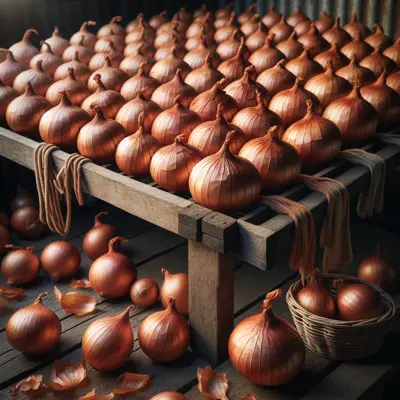
Copra Onion
The gold standard for long-storage onions, Copra delivers outstanding keeping quality with bulbs storing 8-12 months when properly cured. This reliable variety produces uniform, dense bulbs with excellent flavor that intensifies during storage. A must-have for gardeners seeking year-round onion self-sufficiency.
Dash
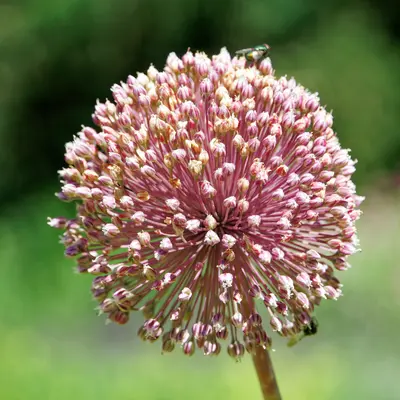
Our recommendation for the early slot. Reduced bulbing results in a more refined end product and upright leaves allow for easier cultivation and cleaner harvests. Compared to Guardsman, Dash is quicker to mature, more upright, and less likely to form bulbs under stress. For overwintering, we recommend 'Marksman'. Dash is prone to bolting when overwintered.
Elephant Garlic
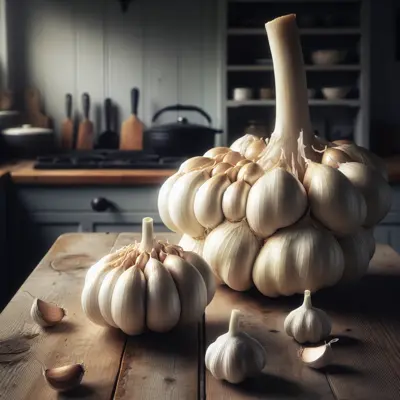
Despite its name, Elephant Garlic is actually more closely related to leeks than true garlic, producing massive bulbs that can weigh up to one pound each. The flavor is much milder and sweeter than regular garlic, making it perfect for roasting whole or for those who want garlic flavor without the bite. Each enormous clove can be as large as a regular garlic bulb.
Evergreen Hardy White
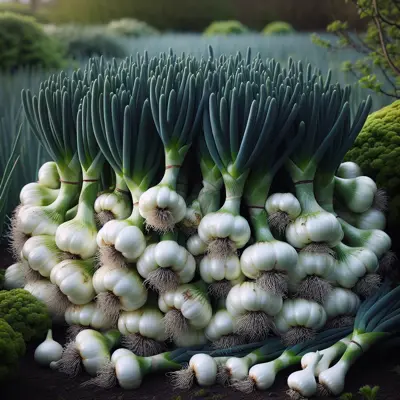
Evergreen Hardy White is an heirloom Allium variety prized for its mild, tender white onions with a delicate flavor less pungent than standard onions. Reaching maturity in approximately 65 days, this cold-hardy cultivar produces elongated white bulbs suitable for fresh eating and cooking. The plant tolerates a wide range of soil conditions and thrives in full sun to partial shade. Its hardiness and ease of cultivation make it an excellent choice for gardeners seeking a versatile, sweet onion option that stores moderately well and brings subtle onion flavor to dishes without overwhelming heat.
Evergreen White Bunching Onion
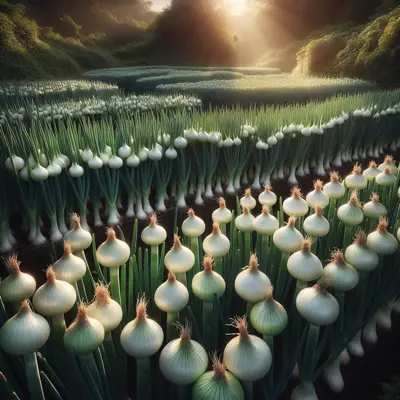
A hardy perennial scallion variety that lives up to its name by providing fresh green onions year-round in most climates. This vigorous variety forms thick white bases and dark green tops that can be harvested continuously by cutting and allowing to regrow. Perfect for gardeners who want a permanent source of fresh scallions without replanting.
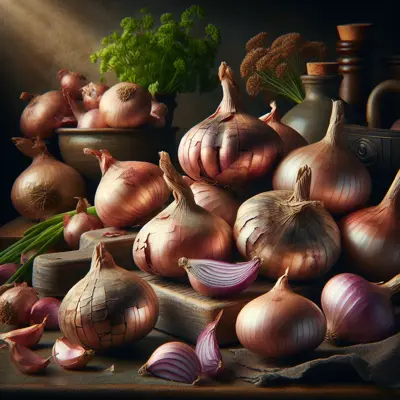
French Gray Shallot
The gourmet cook's dream shallot, prized by French chefs for its complex, wine-like flavor and firm texture that holds up beautifully in cooking. These traditional gray-skinned shallots multiply from single bulbs into clusters of 6-12 bulbs with rose-colored flesh and incredible storage life. Their sophisticated flavor is milder than onions but more complex than garlic.
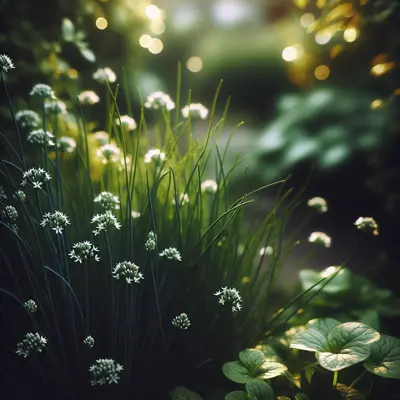
Garlic Chives
Wide, flat leaves are attractive and easy to harvest. Mild garlic flavor.
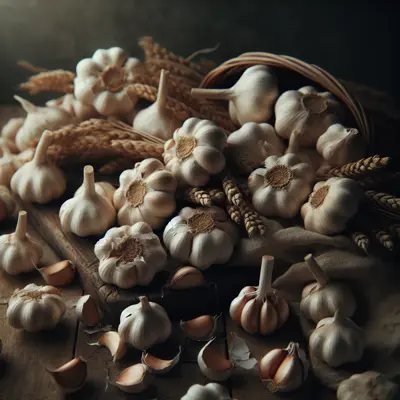
Georgia Fire Garlic
A robust softneck garlic variety that thrives in warmer climates where hardneck varieties struggle. Known for its reliable bulb formation and excellent storage qualities, producing plump bulbs with creamy white skin and a bold, spicy flavor. This variety is perfect for southern gardeners who want to grow their own garlic successfully.
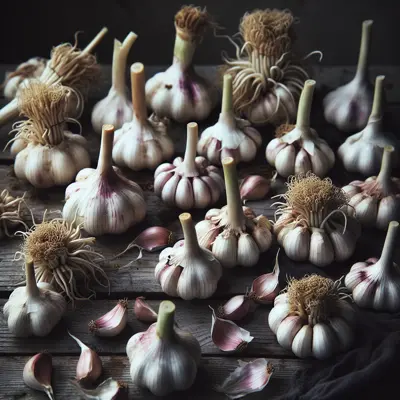
German Extra Hardy Garlic
A robust hardneck garlic variety that lives up to its name by surviving the harshest winters while producing large, flavorful bulbs with 4-6 cloves each. This porcelain-type garlic offers excellent storage life and a rich, complex flavor that becomes sweet and nutty when roasted. It's an ideal choice for northern gardeners who want reliable garlic production and the bonus of edible scapes in early summer.
Giant Musselburgh
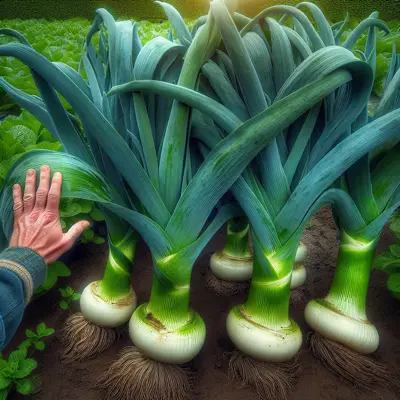
A legendary Scottish heirloom leek that produces enormous, thick white stems up to 3 inches in diameter and excellent cold hardiness. This impressive variety has been grown since the 1830s and remains a favorite for its mild, sweet flavor and ability to overwinter in harsh climates. Giant Musselburgh is the go-to choice for gardeners wanting impressive leeks for soups and braising.

Giant Red Beard
A showstopping ornamental allium that creates dramatic 6-inch purple globes on tall stems, making it a favorite for cutting gardens and perennial borders. This Dutch hybrid blooms in late spring with hundreds of star-shaped flowers that attract beneficial insects and dry beautifully for arrangements. The spherical flower heads are perfectly geometric and long-lasting.
Inchelium Red Softneck Garlic
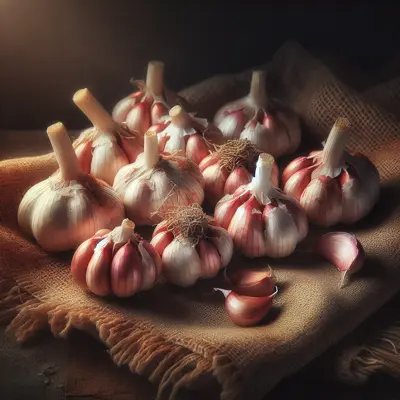
An award-winning heirloom softneck garlic from Washington state that's perfect for beginners and delivers exceptional flavor. These large, plump bulbs store for up to 10 months and offer a rich, full-bodied garlic taste that's not overpowering. The most reliable garlic variety for gardeners in warmer climates where hardnecks struggle.
Innovator
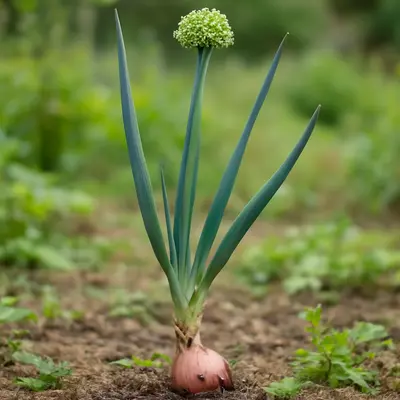
A Conservor type with elongated singular bulbs with reddish-bronze skins. Suitable for long storage. Adaptation: 40-60° latitude.
Italian Red Torpedo Onion
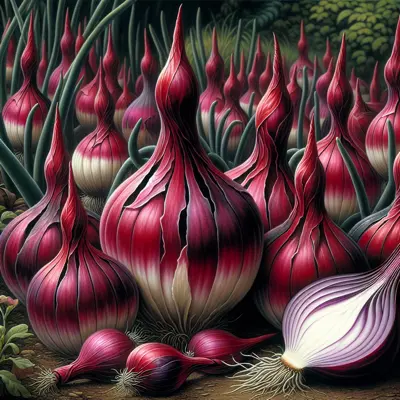
An elegant elongated onion with stunning deep red skin and crisp white flesh streaked with purple rings. This intermediate-day variety offers a perfect balance of sweet and sharp flavors that mellows beautifully when cooked. The distinctive torpedo shape and vibrant color make it a standout in both the garden and on the plate.
Japanese Bunching Onions
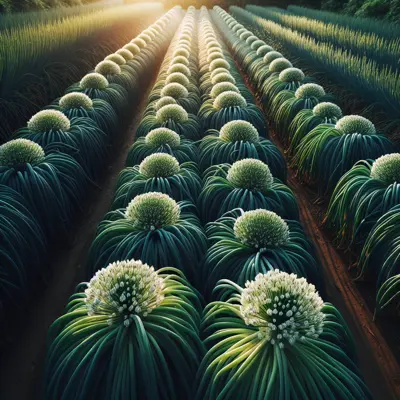
Japanese bunching onions are delicate, slender green onions that mature in approximately 65 days. Unlike bulbing onions, they form elongated white shanks with tender green tops, making them ideal for both raw and cooked applications. These heirloom varieties are prized for their mild, sweet onion flavor and exceptionally crisp texture. They're a staple in Japanese cuisine, perfect for garnishing dishes, stir-fries, and salads. Their easy growing requirements and continuous harvest potential make them a favorite among home gardeners seeking fresh, flavorful alliums.
Jumper
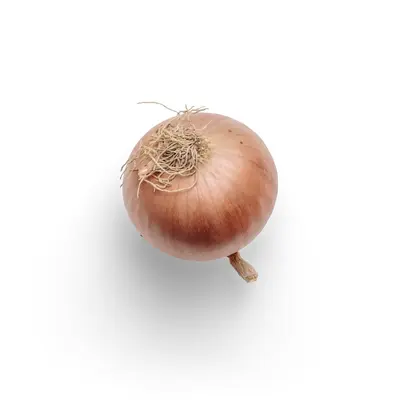
Very upright foliage keeps leaves off the ground, which results in easier cultivation, better plant health, and cleaner leaves at the wash station. Refined shanks with minimal bulbing for easy stripping.
King Richard
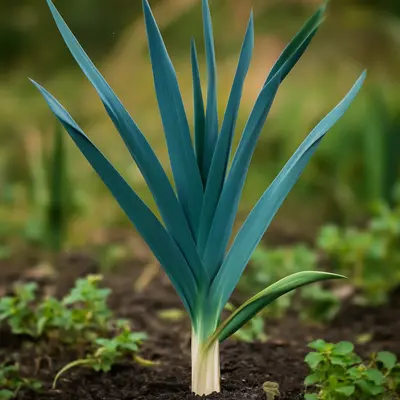
Beautiful full-sized leeks. In favorable soil and culture, the white shanks are over a foot long to the first leaf. Medium-green leaves with full habit. For baby leeks, plant closely (40 seeds/ft.) and harvest at finger size. While not hardy enough for overwintering, they will withstand medium-heavy frost (32° to 20°F/0° to -7°C) without losing their healthy appearance.
Megaton
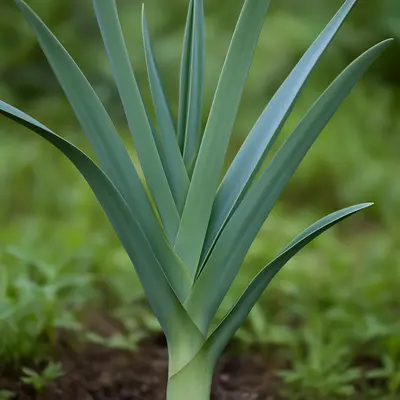
Early maturing and good field holding of long, thick shanks creates a very high yield potential. Less bulbing and splitting, and easier to peel than open-pollinated varieties. Vigorous and uniform.
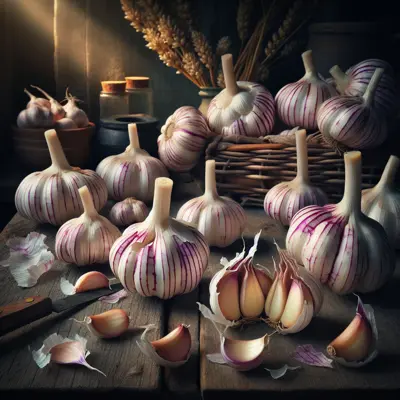
Music Hardneck Garlic
The gold standard of hardneck garlic varieties, prized by both home gardeners and gourmet chefs for its exceptional flavor and reliability. Music produces large, easy-to-peel cloves with a perfect balance of heat and sweetness that intensifies when cooked. This Italian heirloom is incredibly cold-hardy and stores beautifully for 8-10 months.
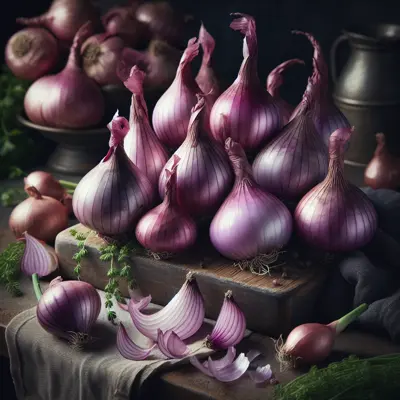
Purple de Lautrec Shallot
A prestigious French heirloom shallot with protected designation of origin status, prized by chefs worldwide for its complex, wine-like flavor. The elongated bulbs have beautiful purple-tinged skin and develop multiple cloves with incomparable taste. This is the shallot that elevates French cuisine to culinary art.

Purple Sensation Allium
A spectacular ornamental allium that produces stunning 4-6 inch spherical flower heads on tall, sturdy stems in late spring. The deep purple globe-shaped blooms create dramatic architectural elements in perennial gardens and are exceptional as cut flowers. This award-winning variety naturalizes well and returns year after year with even more impressive displays.
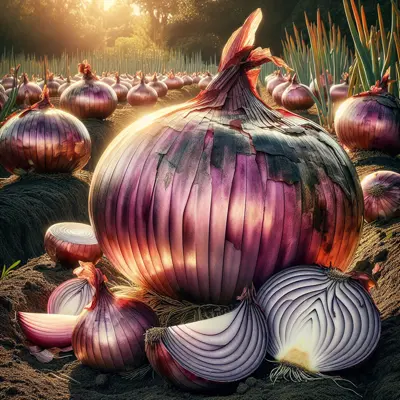
Purple Top Walla Walla
The sweet, mild onion that made Walla Walla, Washington famous. This beloved heirloom variety produces large, flattened bulbs with purple-tinged skin and crisp white flesh so sweet they can be eaten like apples. Perfect for those who want to grow their own version of this premium market onion.
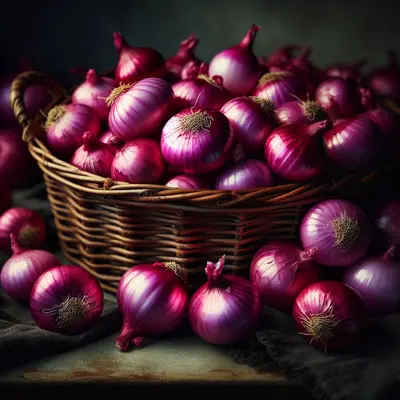
Purplette
These flavorful specialty onions mature early and hold well. Purplette is a glossy rich burgundy, transforming to a nice pastel pink when cooked or pickled. Can be harvested at golf ball size or very young as baby bunching onions with purple pearl ends. Best at 40° latitude and higher.
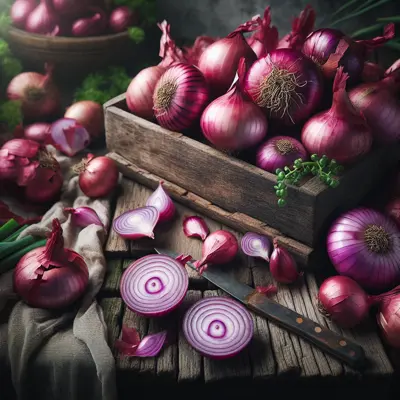
Red Baron Shallots
A premium French-type shallot with beautiful reddish-purple skin and crisp white flesh tinged with purple rings that adds both flavor and visual appeal to any dish. These elongated bulbs multiply underground to produce clusters of 6-8 shallots per plant, offering exceptional value and storage life. Their complex, wine-like flavor is more refined than onions, making them a favorite among gourmet cooks and essential for French cuisine.
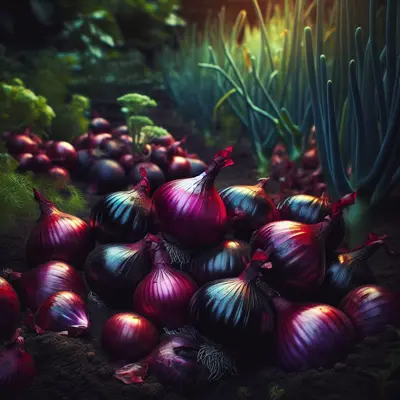
Red Burgundy Onion
A stunning deep red storage onion that combines beautiful color with excellent keeping qualities and robust flavor. The dark burgundy skin and purple-tinged white flesh make this variety as ornamental as it is functional in the kitchen. Red Burgundy stores for 6-8 months when properly cured, making it ideal for gardeners who want year-round homegrown onions.
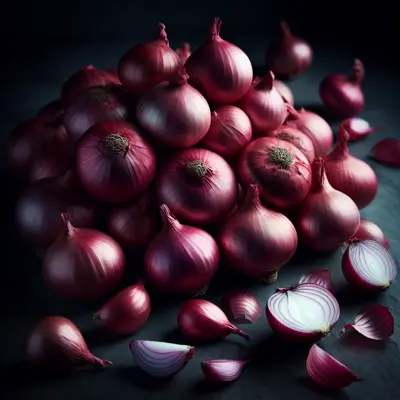
Red Burgundy Shallot
A striking shallot variety with deep burgundy-red skin that adds both flavor and visual appeal to the garden and kitchen. These prolific multipliers produce clusters of medium-sized bulbs with excellent storage qualities and a perfect balance of onion sweetness and garlic complexity. A favorite among home gardeners for its reliability and gourmet appeal.
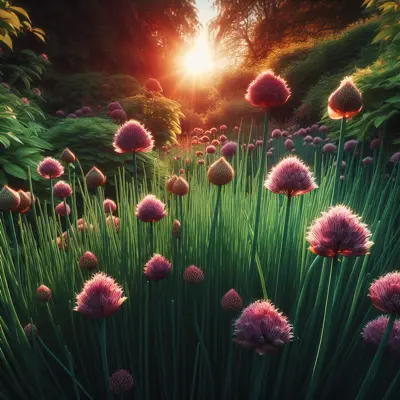
Red Carpet Chives
A stunning ornamental chive variety that produces masses of vibrant rose-red flowers above dense clumps of slender green foliage. Beyond its beauty, this perennial herb offers the same mild onion flavor as regular chives, making it both a gorgeous garden accent and a useful culinary herb. The flowers are edible and make beautiful garnishes.
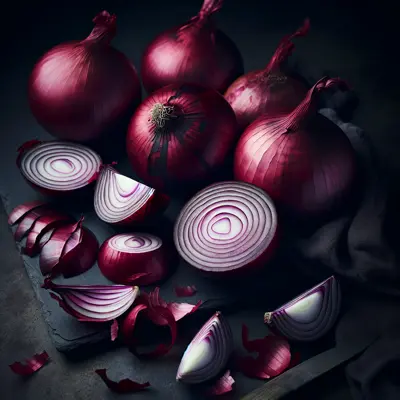
Red Wing Storage Onion
A premium red storage onion that combines excellent keeping quality with bold flavor and stunning deep red color. These perfectly round bulbs store for 8-10 months when properly cured, making them ideal for gardeners who want homegrown onions year-round. The firm texture and sharp flavor make them perfect for cooking.
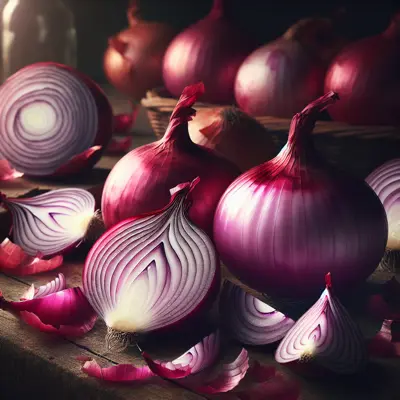
Rossa di Milano
An onion so lovely, it's almost a shame to eat it. Selected by the late Dr. John Navazio under tough organic growing conditions, our 'Rossa di Milano' strain is up to 10 days earlier than others boasting the same name. One of the most thrips-resistant long-day onions in our trials. Bulbs are large to colossal in size and exhibit the true grano shape with distinctly flattened tops. Suited for long storage (6+ months) with thin necks that easily dry down. Strong, bronze-pink skins and great uniformity. An excellent cooking onion, Rossa di Milano contributes an abundance of sweetness and pungency to any cuisine. Your new favorite onion. Can be successfully grown in the northern reaches of the intermediate-day region. Adaptation: 38-50° latitude.
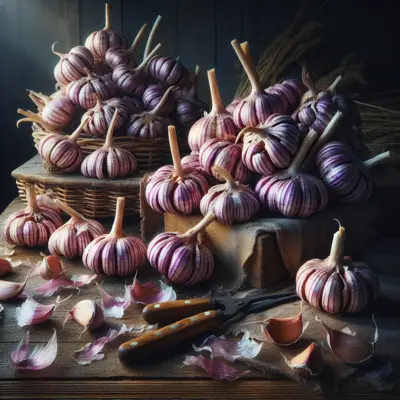
Siberian Garlic
An extremely hardy hardneck garlic variety that survives brutal winters and produces beautiful purple-striped bulbs with complex, robust flavor. This reliable performer sends up dramatic curling scapes in summer and develops 8-12 cloves per bulb with excellent storage life. Siberian is perfect for northern gardeners who want dependable garlic with gourmet flavor and stunning appearance.
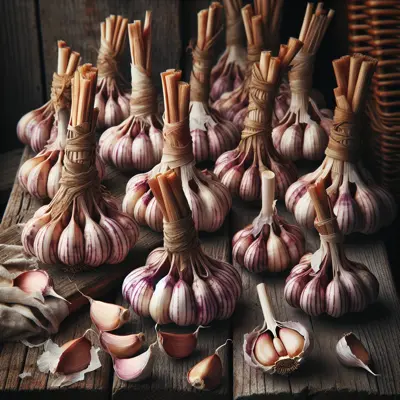
Spanish Roja Garlic
A legendary hardneck garlic variety brought to the Pacific Northwest by Spanish immigrants, Spanish Roja offers full-bodied flavor with a satisfying heat that doesn't overpower. Known for its beautiful purple-striped bulb wrappers and reliable performance in cold climates. This is the garlic that made Spokane famous among garlic enthusiasts.
Stuttgart
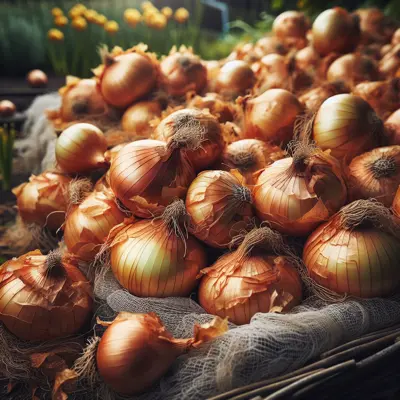
A classic German heirloom onion prized for its exceptional storage life and reliable performance in cool climates. This flat-topped yellow onion develops firm, dense bulbs with crisp white flesh and a pleasantly sharp flavor that mellows beautifully when cooked. Stuttgart's outstanding keeping quality makes it a favorite among gardeners who want to store their harvest through winter.
Vidalia Onion
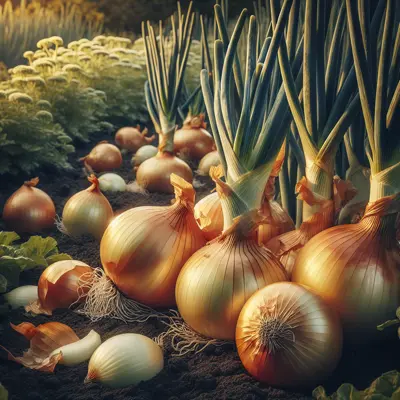
The famous sweet onion from Georgia, prized for its mild flavor and exceptional sweetness that allows it to be eaten raw like an apple. These large, golden onions have become synonymous with Southern cooking and are perfect for caramelizing, grilling, or enjoying fresh in salads. Their low sulfur content and high sugar content make them a favorite among gardeners who want to grow restaurant-quality sweet onions at home.
Walla Walla Sweet Onion
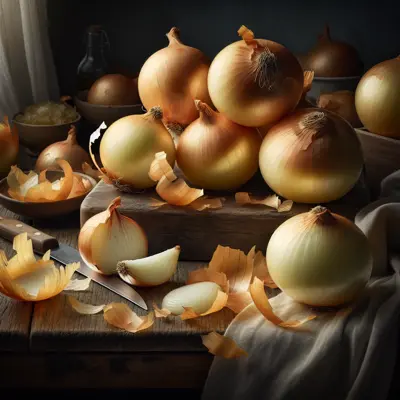
Juicy, sweet, regional favorite. In the Northwest, which has normal low winter temperatures above -10°F (-23°C), seed is sown in late August, and a crop of very large, flattened, ultra-mild onions is harvested early the next summer. SPRING PLANTING: Walla Walla may be spring planted using seeds or plants in colder regions where winter survival is hit or miss. It is not as big or sweet as the wintered-over crop, but still milder and juicier than others from spring planting. Nice as a "green top" onion. Not for storage. Adaptation: 35-55° latitude. Also offered organic, and as plants.
White Lisbon Bunching Onion
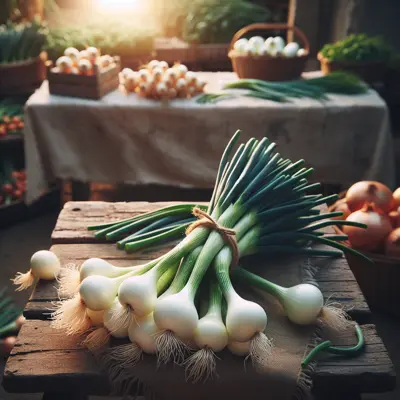
The classic European bunching onion prized for its crisp white stems and mild onion flavor. Perfect for continuous harvesting throughout the growing season, these versatile scallions can be harvested young for tender greens or left to mature for thicker stems. A kitchen garden essential that's incredibly easy to grow.
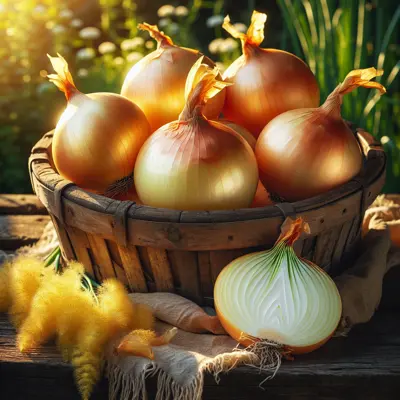
Yellow Granex Onion
The authentic sweet onion that made Georgia's Vidalia region famous, Yellow Granex produces large, globe-shaped bulbs with exceptionally mild, sweet flavor. These golden beauties are so gentle they can be eaten like apples when grown in the right conditions. Perfect for gardeners wanting to grow their own version of premium sweet onions.
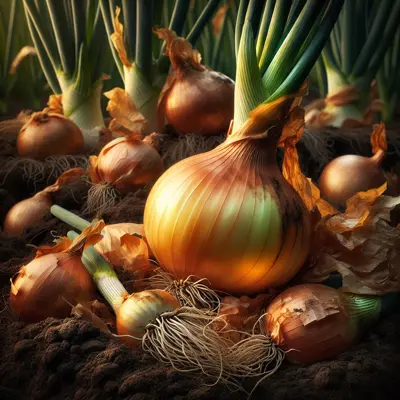
Yellow Sweet Spanish Onion
A classic long-day onion variety beloved for producing enormous, mild-flavored bulbs that can reach softball size or larger. These golden-skinned beauties are incredibly versatile in the kitchen, sweet enough to eat raw yet substantial enough for cooking. Perfect for northern gardeners who want to grow impressive onions that store well through winter.
Zone 5 Growing Tips
Timing is everything with alliums in Zone 5, and each type has its own schedule. Plant garlic cloves in mid to late October, about 4-6 weeks before your first hard frost, giving them time to establish roots but not shoots before winter. Start onion seeds indoors in late February to early March, then transplant seedlings outdoors 2-3 weeks before your last frost date—they can handle light frosts once established. Direct seed onions and leeks in early to mid-April, as soon as your soil is workable.
Shallots and multiplier onions can be planted either in fall (late September to early October) for larger bulbs, or in early spring alongside your onion transplants. The fall-planted sets will overwinter like garlic and give you an earlier, often larger harvest. Japanese bunching onions and chives are your most forgiving crops—plant them anytime from early spring through late summer. For season extension, focus on proper soil drainage during spring thaw and consider raised beds if your garden tends to stay soggy, as waterlogged alliums are prone to rot in Zone 5's freeze-thaw cycles.
Season Overview
Your last frost date around April 30th and first frost around October 5th creates a reliable 155-day growing season that's ideal for most allium varieties, though you'll want to harvest garlic and shallots by mid-July regardless of frost dates. The length of your season means you can successfully grow long-season storage varieties like Stuttgart onions and Giant Musselburgh leeks, which need the full summer to reach maturity. Start planning your allium garden in late winter, as many varieties need to be ordered and planted well before the typical vegetable garden gets started—garlic goes in the ground while you're still harvesting pumpkins, and onion seeds need to be started indoors while snow might still be on the ground.