Georgia Fire Garlic
Allium sativum 'Georgia Fire'
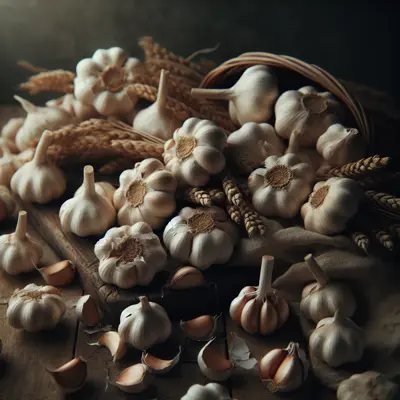
A robust softneck garlic variety that thrives in warmer climates where hardneck varieties struggle. Known for its reliable bulb formation and excellent storage qualities, producing plump bulbs with creamy white skin and a bold, spicy flavor. This variety is perfect for southern gardeners who want to grow their own garlic successfully.
Harvest
240-270d
Days to harvest
Sun
Full sun
Zones
4–9
USDA hardiness
Height
12-18 inches
Planting Timeline
Showing dates for Georgia Fire Garlic in USDA Zone 7
All Zone 7 allium →Zone Map
Click a state to update dates
Georgia Fire Garlic · Zones 4–9
Growing Details
Succession Planting
Garlic doesn't succession-plant the way lettuce does — you get one harvest per clove, and staggering plantings through the season isn't how you extend the yield. Plant all your cloves in a single window: October through early November in zone 7, once soil temps drop below 60°F. If you want a spread of harvest timing across the season, grow two or three varieties with different maturity dates — a softneck alongside Georgia Fire, for instance — rather than trying to stagger within one variety. Pull scapes in late May when they curl, and plan to harvest bulbs around late June when the bottom 3–4 leaves have died back.
Complete Growing Guide
Georgia Fire Garlic thrives when planted in fall (October-November in zone 8+) to allow sufficient winter chilling before its 240-270 day maturation cycle. Unlike hardneck varieties, this softneck cultivar performs reliably in warm southern climates where it avoids premature bolting—a common problem in softnecks exposed to excessive heat spikes. Plant in well-draining soil with full sun and consistent moisture during spring growth; inconsistent watering invites white rot, particularly in humid summers. This variety shows minor susceptibility to fusarium if drainage is poor, so amend heavy clay heavily with compost. Georgia Fire's vigor means minimal pest pressure, though monitor for thrips in dry conditions. A practical advantage: softneck varieties like this one produce longer storage lives than hardnecks when cured properly, making them ideal for southern gardeners planning year-round harvests.
Light: Full sun (6 or more hours of direct sunlight a day). Soil: Clay, High Organic Matter, Loam (Silt), Sand. Soil pH: Neutral (6.0-8.0). Drainage: Good Drainage, Moist. Height: 1 ft. 0 in. - 1 ft. 6 in.. Spread: 0 ft. 8 in. - 1 ft. 0 in.. Spacing: Less than 12 inches, 12 inches-3 feet. Growth rate: Medium. Maintenance: Medium. Regions: Coastal, Mountains, Piedmont.
Harvesting
Harvest Georgia Fire Garlic when the lower leaves begin turning brown and papery while upper leaves remain partially green, typically around late June or early July depending on your planting date. Gently dig around the bulbs to assess size—mature Georgia Fire bulbs feel firm and substantial without soft spots. This variety produces a single flush of growth, so harvest occurs all at once rather than continuously; dig too early and cloves remain small, but wait until all foliage yellows completely and you risk bulb splitting. A reliable timing tip: count backward 240-270 days from your target harvest date to determine optimal planting time in your region, ensuring bulbs mature during your specific growing window.
Capsule on top of the flowering stalk. Splits open when ripe.
Color: Cream/Tan. Type: Capsule.
Storage & Preservation
Cure Georgia Fire Garlic immediately after harvest by laying bulbs in a single layer in a warm, dry, well-ventilated area for 2-3 weeks. Once stems and roots are completely dry, trim roots to 1/4 inch and cut stems to 1 inch above the bulb.
Store properly cured bulbs in mesh bags or braided by their stems in a cool (60-65°F), dry location with good air circulation. Avoid refrigerating whole bulbs as cold temperatures trigger sprouting. Well-cured Georgia Fire stores 6-8 months under ideal conditions.
For preservation, separate cloves and freeze whole in ice cube trays with olive oil for easy cooking portions. Dehydrate sliced cloves at 115°F until crisp, then grind into powder. This variety's robust flavor makes excellent fermented black garlic when held at 140°F and high humidity for 3-4 weeks.
History & Origin
While detailed historical documentation on Georgia Fire Garlic remains limited, this softneck variety emerged from the broader tradition of garlic cultivation adapted to warm, low-chill southeastern United States growing conditions. Like many regionally developed garlic cultivars, Georgia Fire likely represents either a selection from commercial softneck germplasm or a local farmer's preservation of a heat-tolerant strain suited to Georgia's climate. The variety reflects the practical breeding philosophy of southern seed companies and gardeners who prioritized reliable bulb formation and storage in warmer regions where traditional hardneck varieties often underperform. Its specific breeder and introduction date are not well documented in widely available horticultural records.
Origin: Asia and Iran
Advantages
- +Thrives in warm climates where hardneck varieties consistently fail
- +Excellent long-term storage qualities make it ideal for preserving
- +Bold, spicy flavor mellows pleasantly when cooked for dishes
- +Easy to grow, perfect for beginner and southern gardeners
- +Produces reliably plump bulbs with creamy white attractive skin
Considerations
- -Susceptible to white rot, a serious and soil-persistent disease
- -Vulnerable to fusarium basal rot, particularly in humid conditions
- -Requires 240-270 days, a lengthy growing season commitment
- -Prone to onion thrips and bulb mites during storage
Companion Plants
In zone 7 Georgia gardens, garlic's sulfur compounds do real work: they deter aphids on nearby roses and slow cabbage looper pressure on brassicas, which is why it gets planted at the margins of tomato and pepper rows. Carrots and lettuce are safe neighbors because they draw from a different soil depth and don't compete for the same nutrients garlic pulls through the long winter. Give beans, peas, and asparagus a wide berth — garlic root exudates suppress nitrogen-fixing bacteria that legumes depend on, and asparagus crowns are slow enough to establish that a bad allium neighbor can set them back by a full growing season.
Plant Together
Tomatoes
Garlic repels aphids, spider mites, and hornworms that commonly attack tomatoes
Cabbage
Garlic deters cabbage worms, aphids, and flea beetles while improving cabbage flavor
Carrots
Garlic repels carrot flies and root maggots, while carrots help break up soil for garlic bulbs
Lettuce
Garlic protects lettuce from aphids and slugs without competing for nutrients
Roses
Garlic reduces aphids, black spot, and Japanese beetles on roses
Peppers
Garlic repels aphids and spider mites while potentially enhancing pepper flavor
Spinach
Garlic protects spinach from leaf miners and aphids with minimal root competition
Strawberries
Garlic deters slugs, aphids, and spider mites that damage strawberry plants
Keep Apart
Beans
Garlic inhibits nitrogen fixation by beneficial bacteria in bean root nodules
Peas
Garlic stunts pea growth and interferes with their nitrogen-fixing capabilities
Asparagus
Garlic can stunt asparagus growth and reduce spear production through allelopathic effects
Nutrition Facts
Per 100g serving. % Daily Value based on 2,000 calorie diet. Source: USDA FoodData Central (FDC #1104647)
Pests & Disease Resistance
Resistance
Good resistance to white rot and fusarium basal rot
Common Pests
Onion thrips, bulb mites, nematodes
Diseases
White rot, fusarium basal rot, rust
Troubleshooting Georgia Fire Garlic
What you'll see, why it happens, and what to do about it.
Leaf tips silvering or streaking, tiny dark specks (frass) visible on foliage, usually noticed in spring
Likely Causes
- Onion thrips (Thrips tabaci) — rasping feeders that colonize the inner leaves and are easy to miss until damage is widespread
- Dry, hot spring weather, which accelerates thrips reproduction
What to Do
- 1.Blast foliage with a firm stream of water two or three mornings in a row to knock populations down
- 2.Apply spinosad or insecticidal soap, getting it down into the leaf sheaths where thrips hide
- 3.Keep the bed consistently watered — stressed plants are hit harder
Bulbs rotting at the base, white fluffy mycelium visible around the basal plate at harvest or when you pull an early plant
Likely Causes
- White rot (Sclerotium cepivorum) — a soil-borne fungus that produces sclerotia capable of persisting in soil for 20+ years
- Planting infected seed garlic into a previously affected bed
What to Do
- 1.Pull and bag affected plants immediately — do not compost them
- 2.Do not plant any allium (garlic, onion, leek) in that bed for at least 8 years; the sclerotia don't need a host to survive
- 3.Source certified disease-free seed garlic next season and inspect every clove before it goes in the ground
Orange or yellow powdery pustules on the leaves, typically appearing in late winter or early spring
Likely Causes
- Garlic rust (Puccinia allii) — a fungal pathogen that spreads via airborne spores and moves fast in wet, cool conditions
- Overcrowded spacing that limits airflow between plants
What to Do
- 1.Strip and trash (don't compost) heavily infected leaves as soon as you spot pustules
- 2.Apply sulfur-based fungicide according to label — NC State Extension lists sulfur as effective against allium rust
- 3.Next planting, space cloves at least 6 inches apart and avoid overhead irrigation
Stunted plants that yellow early and pull up with rotted, mushy basal plates — scattered unevenly across the bed rather than in a continuous patch
Likely Causes
- Fusarium basal rot (Fusarium oxysporum f. sp. cepae) — soil-borne, often introduced on infected planting stock
- Bulb mites (Rhizoglyphus robini), which create entry wounds that Fusarium then colonizes
- Warm, wet soil at planting time — Georgia Fire goes in the ground in October-November, and a mild, soggy fall accelerates both the mites and the fungus
What to Do
- 1.Inspect every clove before planting and discard any with soft spots, discoloration, or visible mite activity
- 2.Soak seed cloves in water held at 120°F for 15–20 minutes before planting to reduce mite load — the LSU AgCenter describes this hot-water treatment for alliums
- 3.Rotate alliums to a new bed on a 3-year minimum cycle
Frequently Asked Questions
How long does Georgia Fire garlic take to grow?▼
Can you grow Georgia Fire garlic in containers?▼
Is Georgia Fire garlic good for beginners?▼
What does Georgia Fire garlic taste like?▼
When should I plant Georgia Fire garlic?▼
Georgia Fire vs hardneck garlic - what's the difference?▼
Zone-by-Zone Planting Calendar
| Zone | Indoor Start | Transplant | Direct Sow | Harvest |
|---|---|---|---|---|
| Zone 1 | — | — | June – July | December – September |
| Zone 2 | — | — | May – July | December – September |
| Zone 11 | — | — | January – February | September – December |
| Zone 12 | — | — | January – February | September – December |
| Zone 13 | — | — | January – February | September – December |
| Zone 3 | — | — | May – June | December – October |
| Zone 4 | — | — | April – June | December – October |
| Zone 5 | — | — | April – May | December – November |
| Zone 6 | — | — | April – May | December – November |
| Zone 7 | — | — | March – May | December – November |
| Zone 8 | — | — | March – April | November – December |
| Zone 9 | — | — | February – March | October – December |
| Zone 10 | — | — | January – March | October – December |
Growing Guides from Wind River Greens
Sources & References
External authority sources used in compiling this guide.
See the Methodology page for how this data is sourced, what's AI-assisted, and known limitations.